
While we often focus on the fluctuations of material costs and the complexities of global supply chains, there is a much more immediate challenge appearing on the horizon, which is a critical shortage of specialised skills within the steel construction industry. As a fabricator and CEO, I see this pressure firsthand in South Africa. It isn’t just a theoretical trend, it is a reality that is tightening its grip on our workshops and project teams every day.
The pool of available professionals in our sector has always been relatively small, but what concerns me most isn’t just the lack of new talent, it is the “void” being left behind. As our industry’s veteran experts reach retirement, they take decades of institutional knowledge with them.
There is a dangerous misconception that theoretical knowledge is enough to lead in this industry. It isn’t.
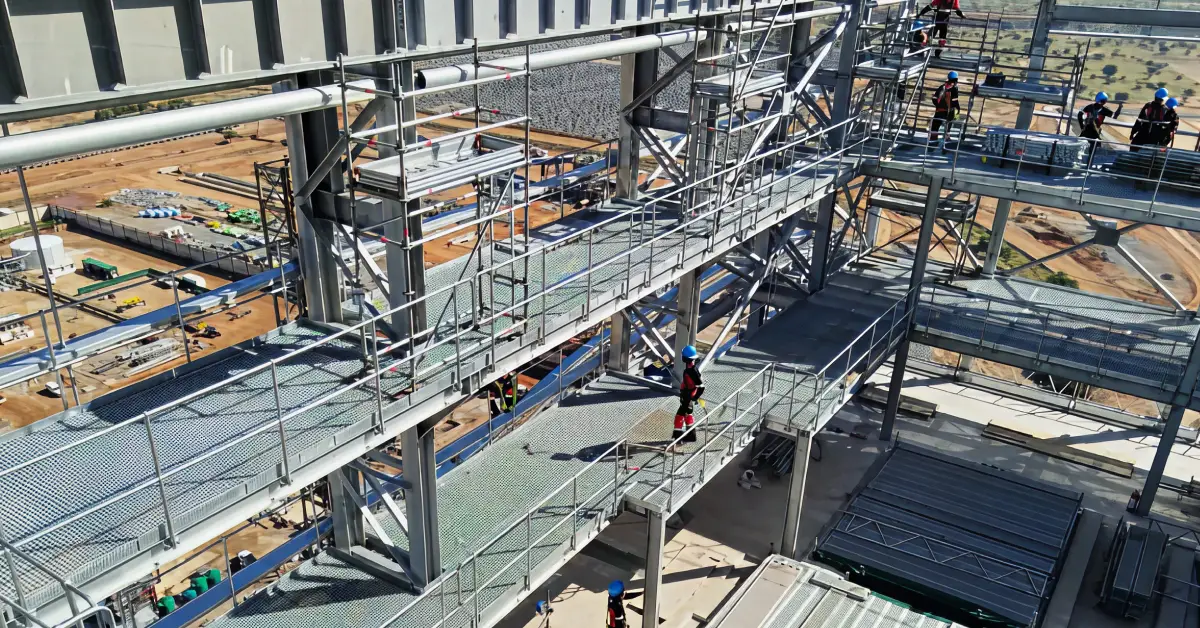
You cannot buy experience, and you certainly cannot learn the nuances of steel from a textbook alone. Practical workshop experience is absolutely vital for developing the next generation of engineers, technical experts, and supervisors. Real-world exposure ensures that theory is tempered by a hands-on understanding of how metal actually behaves under pressure. This practical education shouldn’t be reserved for the elders in the field, it must be the standard for every young professional entering the industry today.
“Mentorship and knowledge transfer play an essential role in maintaining capability as experienced artisans retire. This is how businesses preserve institutional wisdom and ensure continuity of quality. Knowledge transfer is vital, and has never been more important.”
If we don’t act now, we risk losing the technical foundation that our industry is built upon. To bridge this gap, we must focus our collective efforts on four key areas:
- Technical expertise in fabrication which requires returning to the basics of high-quality craftsmanship.
- Product specification to ensure we have the right materials for the right jobs.
- Project management which is essential to navigate the tight deadlines of a modern workshop.
- Digital proficiency to embrace the new technologies that are redefining our field.
In a fabrication environment, we operate under high-precision requirements and safety-critical conditions. There is no room for error. When I look at what separates a “good” team from a “high-performing” one, it always comes down to three things: Technical competence, discipline, and a proactive attitude. At Cousins Steel, we push for quality-driven outputs. This requires individual skill, seamless communication and a shared commitment to safety. A team that talks to one another is a team that catches mistakes before they happen.
“Real-world exposure ensures theoretical knowledge is complemented with hands-on understanding, which is crucial in the steel industry. You can’t buy experience.”
I always encourage knowledge transfer through structured mentorship programs and regular hands-on training sessions, while fostering an open environment where experienced team members are empowered to share their expertise. We also get team members from different areas of the business to interact on real-time, real-world projects and tasks to ensure practical development.
Common workforce challenges in the fabrication environment often stem from skill shortages, motivation dips, and the rapid need to adapt to new technologies. I typically address these hurdles through targeted training, transparent communication, and the cultivation of a positive workplace culture. While these solutions are often easier said than done, a fundamental company culture is essential for building a reliable and accountable team because it fosters a sense of belonging that helps people navigate challenges and consistently deliver high-quality work.
“For those considering a career in steel, I’d highlight the diversity of opportunities, the innovation happening in the sector, and the tangible impact you can have. It’s a field for those who want to see their work make a difference. I love the blend of the commercial aspect of the steel business, integrated with the professional engineering side. Using a blend of skillset and experience for a solid result.”
The path forward
The challenge is visible, but so is the solution. As an evolving industry we need to stop focusing solely on recruitment and start focusing on technical proficiency. Our efforts should centre on practical training, upskilling in new technologies, and developing strong problem-solving capabilities from the workshop floor to the boardroom.
The future of South African steel is as much about what we build, as it is about who we build it with.
About the author
This article was developed from an interview with Adam Oldfield, CEO of Cousins Steel and SAISC Board Member.