
Project Type

Location

Project Team Interview Case Study

Project Overview

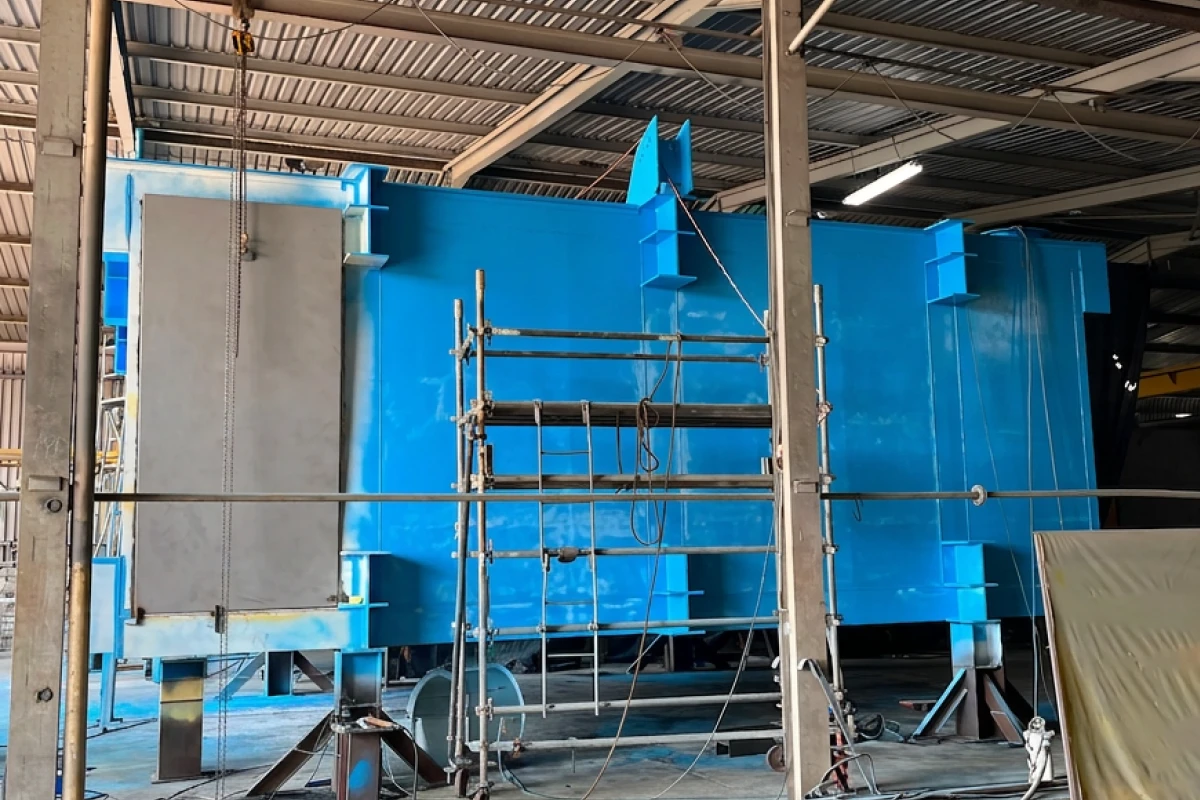
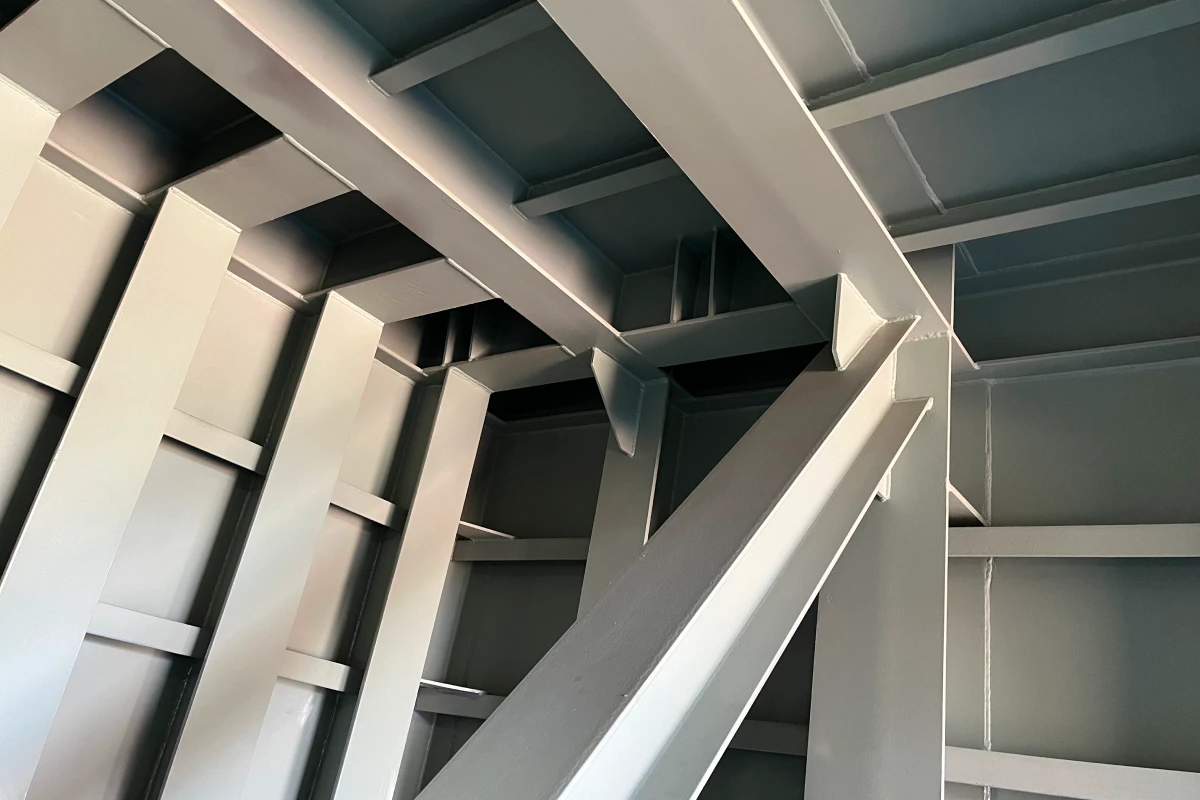
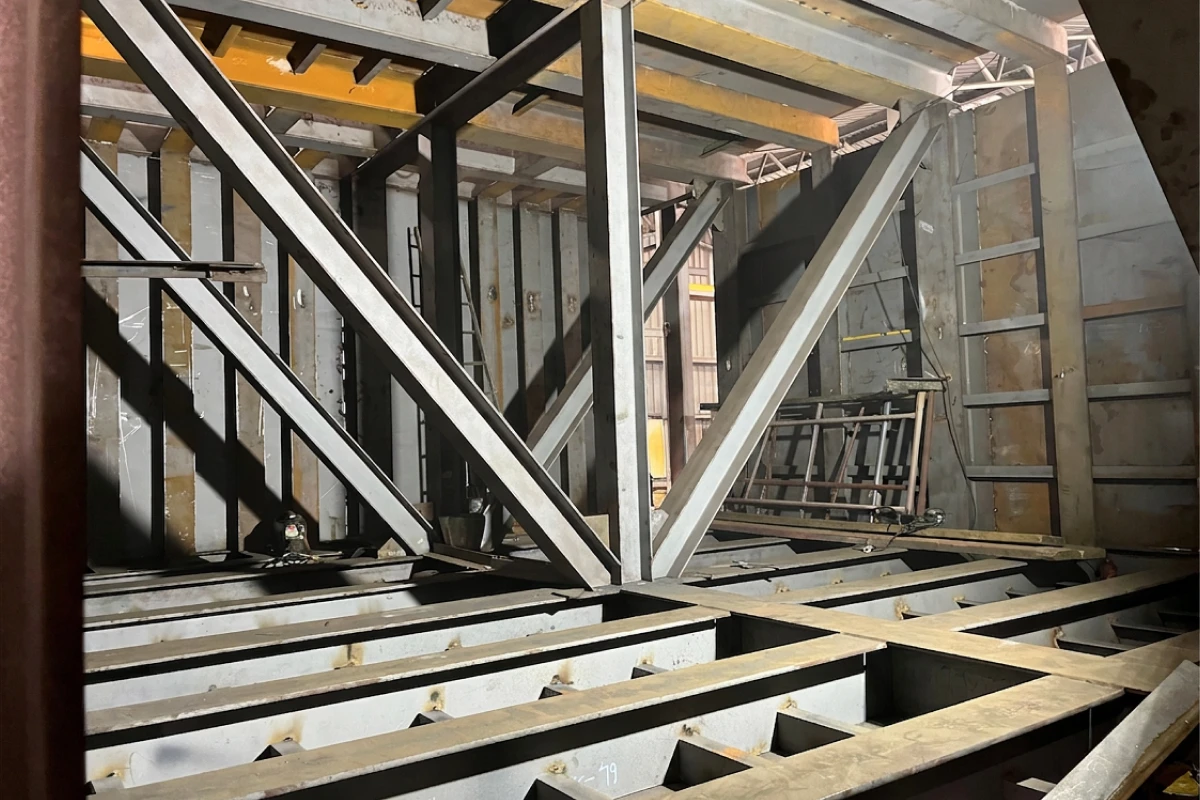
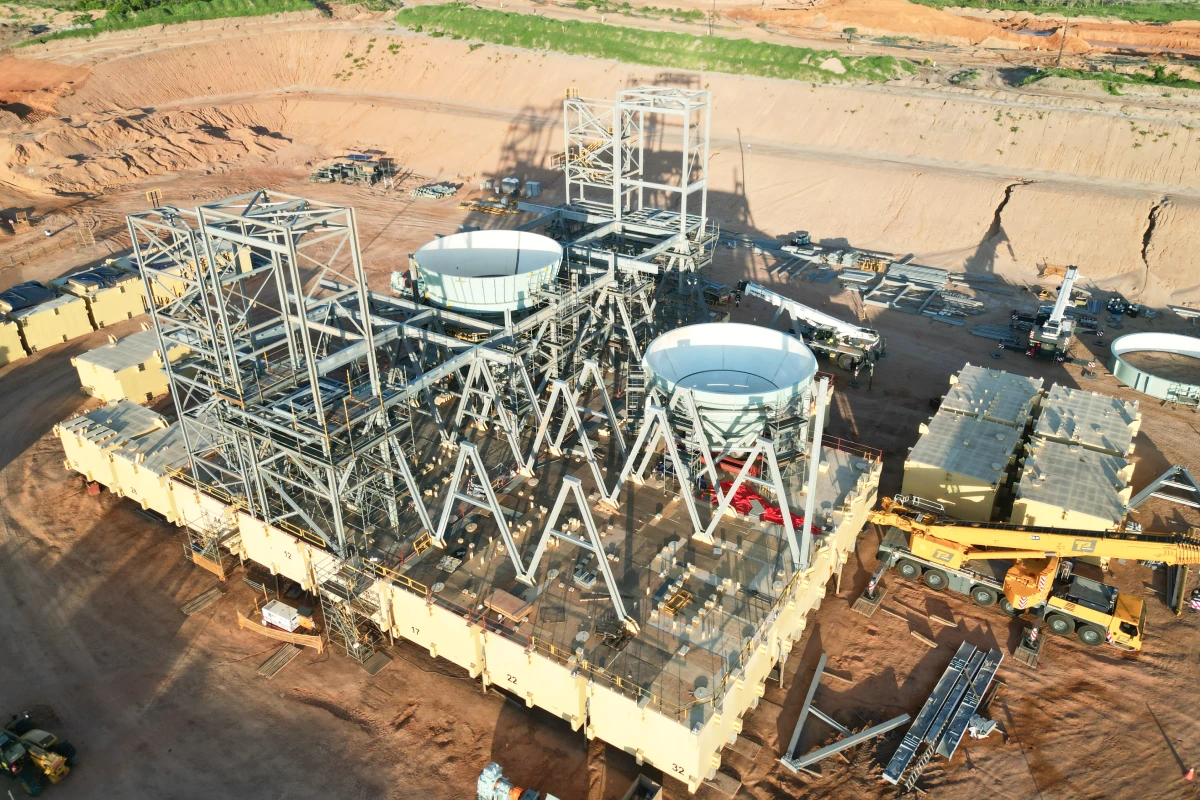
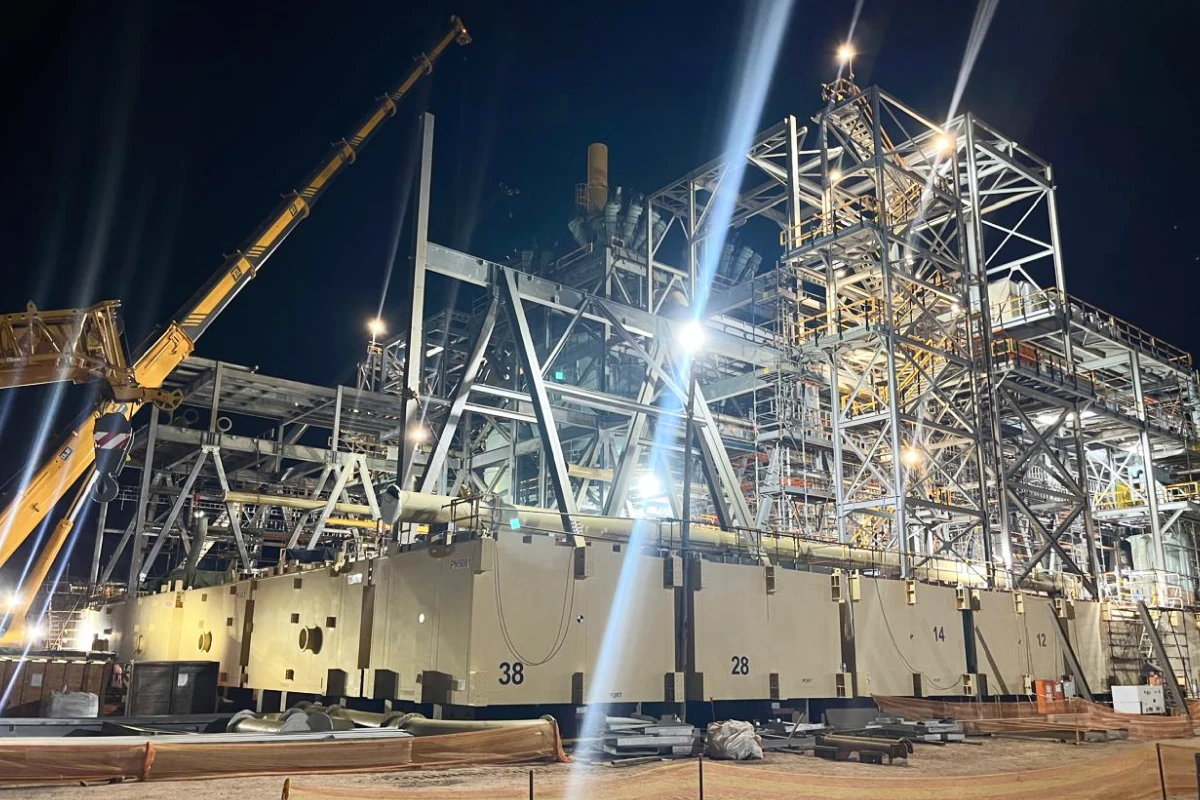
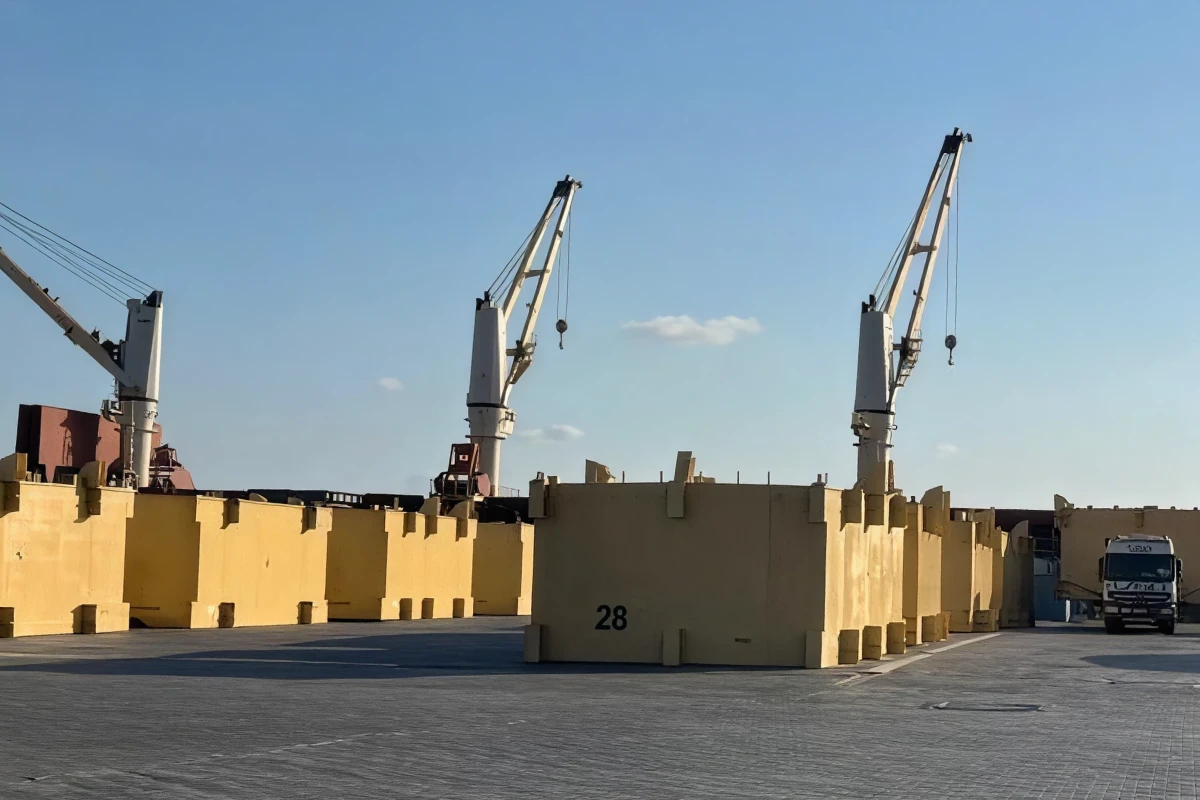
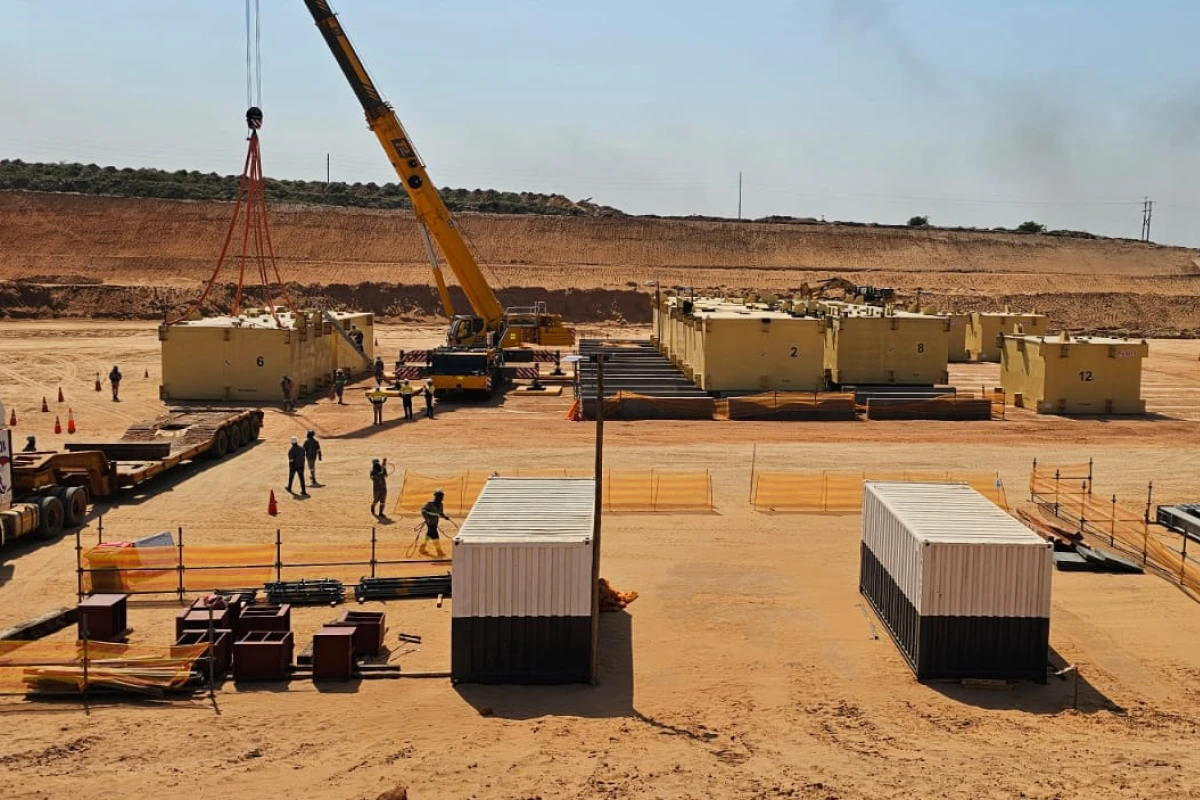
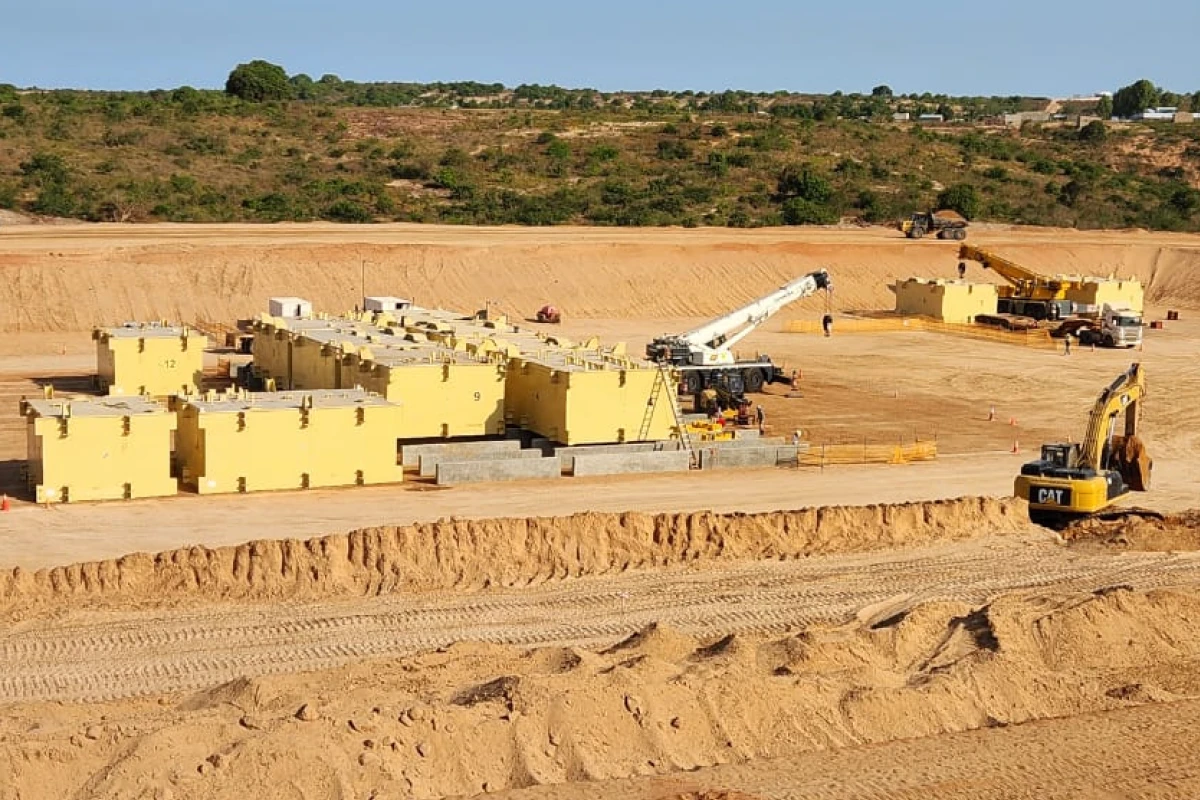
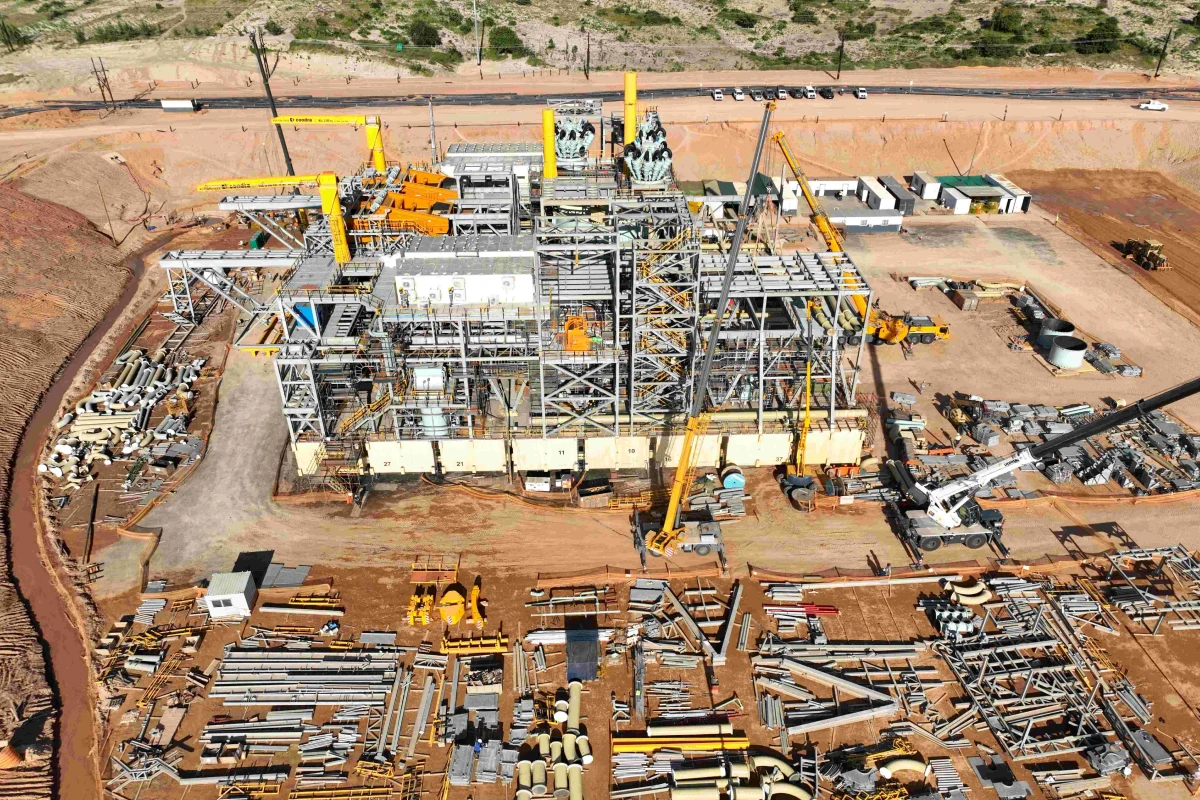
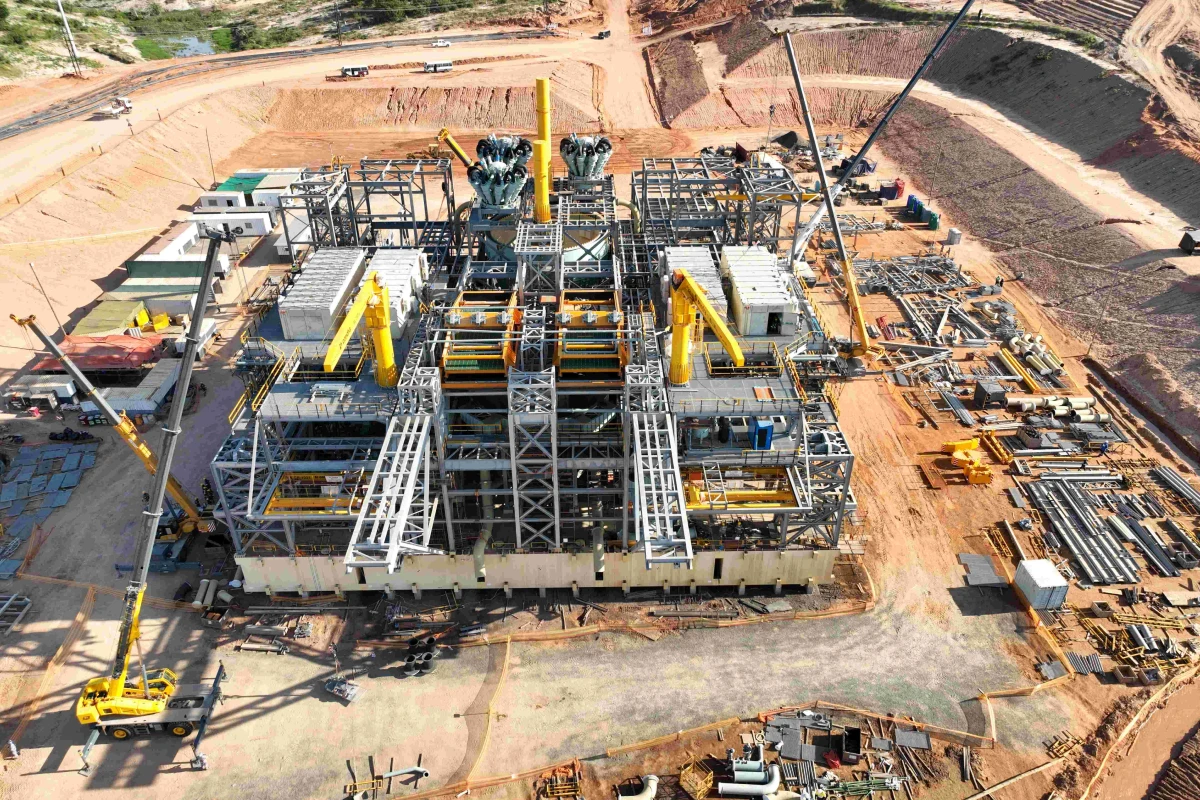
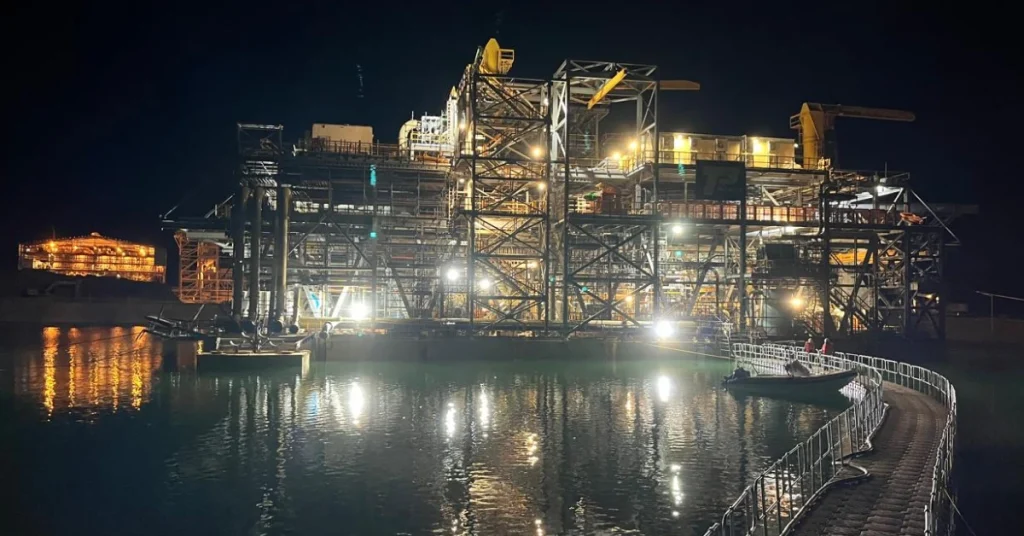
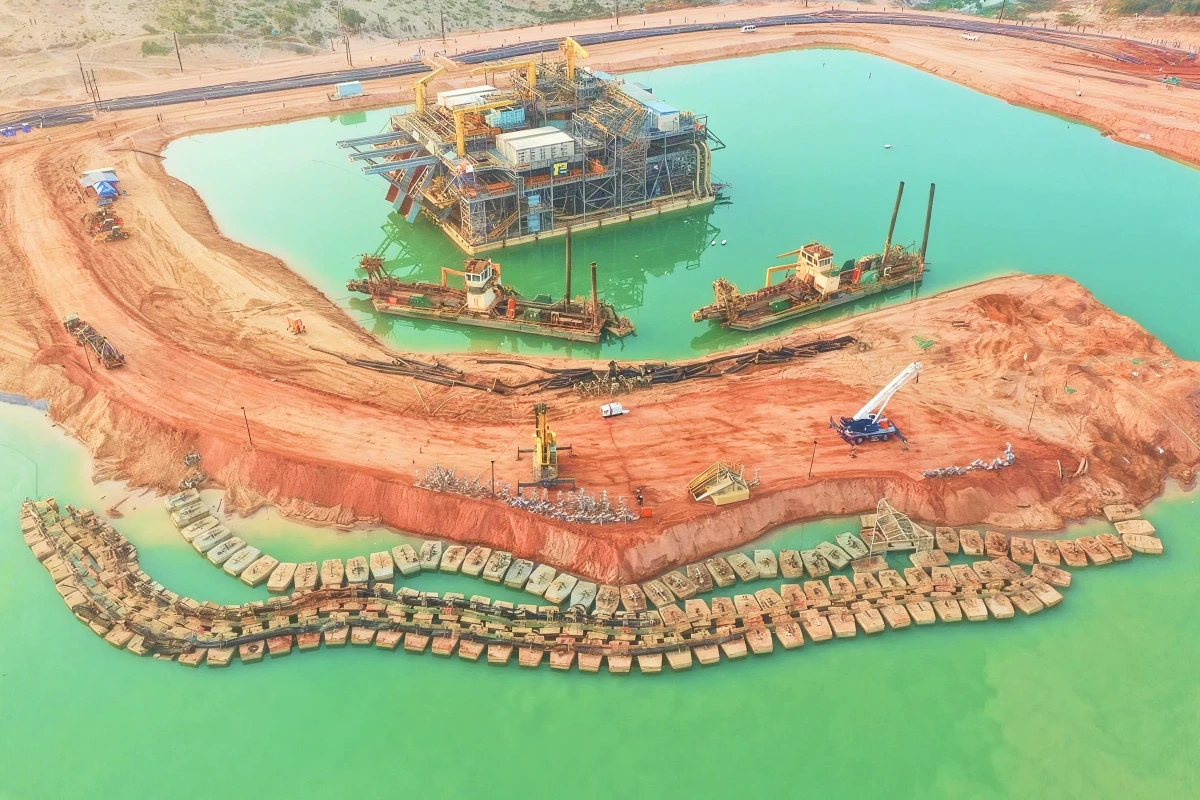
Kenmare Resources operates mineral sands mining plants at Moma in remote northern Mozambique. To transition to the new Nataka west orebody, a new screening and surge bin module was required, capable of handling higher slurry outputs and elevated slime content. The new floating process plant features the two largest screens Vibramech has ever manufactured (35 tonnes static mass each, 52.5 tonnes total per screen, capacity up to 10 400 t/h slurry each), a surge bin holding over 1 000 t of slurry, and multiple pumps and process equipment – all floating on the mining pond. The structure is supported by 42 pontoon boxes (approx. 7 m x 9 m x 4 m, 30–43 tonnes each), connected by custom brackets and tied together by nine-metre-deep lattice strongback girders. Naval stability analysis was performed for all loading conditions, including Mozambique cyclone wind loading. The total project cost was R 2.1 billion, with the steelwork and pontoons valued at R 400 million. The plant was floated successfully in August 2025 and fully commissioned in December 2025.
Steel Profiles Used

  • Date of Steelwork Completion
    2025-09-01
  • Tonnage
    3300
  • Hot Rolled Structural Sections
    Hot-rolled Beams, Columns, Bracing, Lattice Girder Strongbacks (heavy hot-rolled sections)
  • Plates
    Heavy structural plate for pontoon boxes, Tanks, Bins and Chutes, Marine-grade Corrosion-protected Plates

Project Details

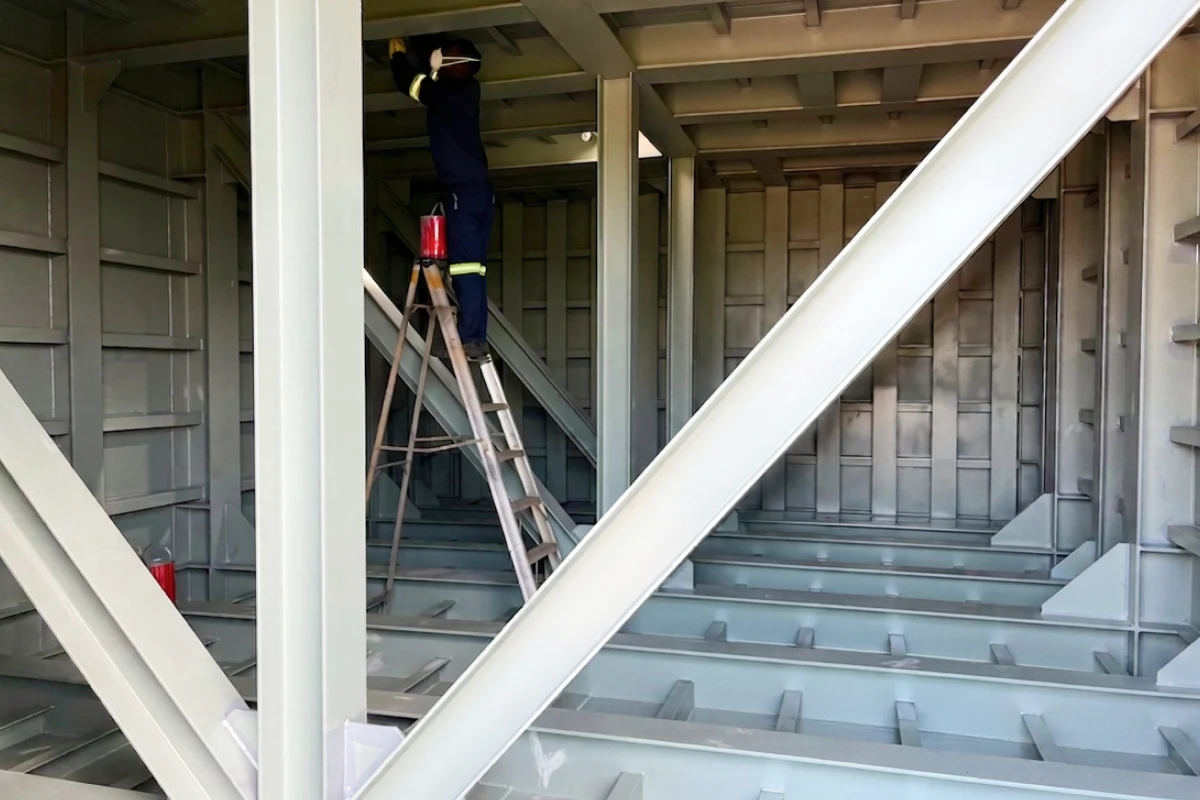
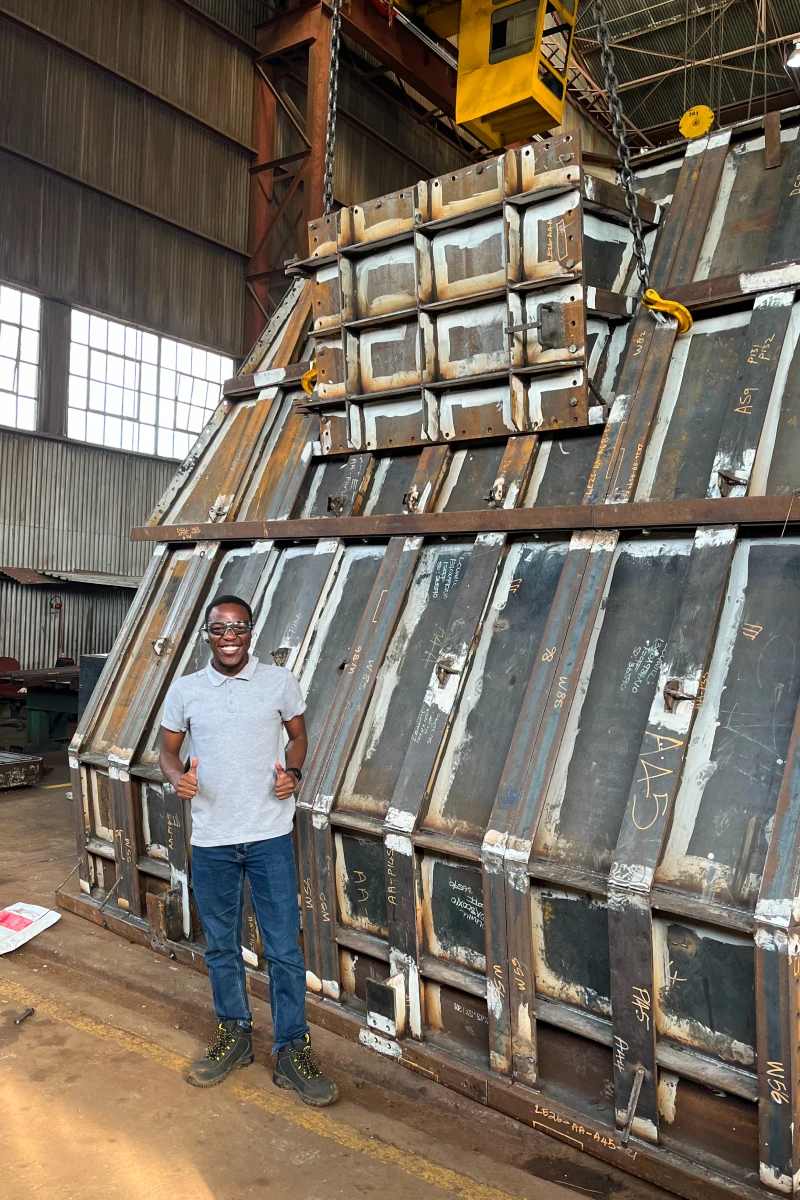
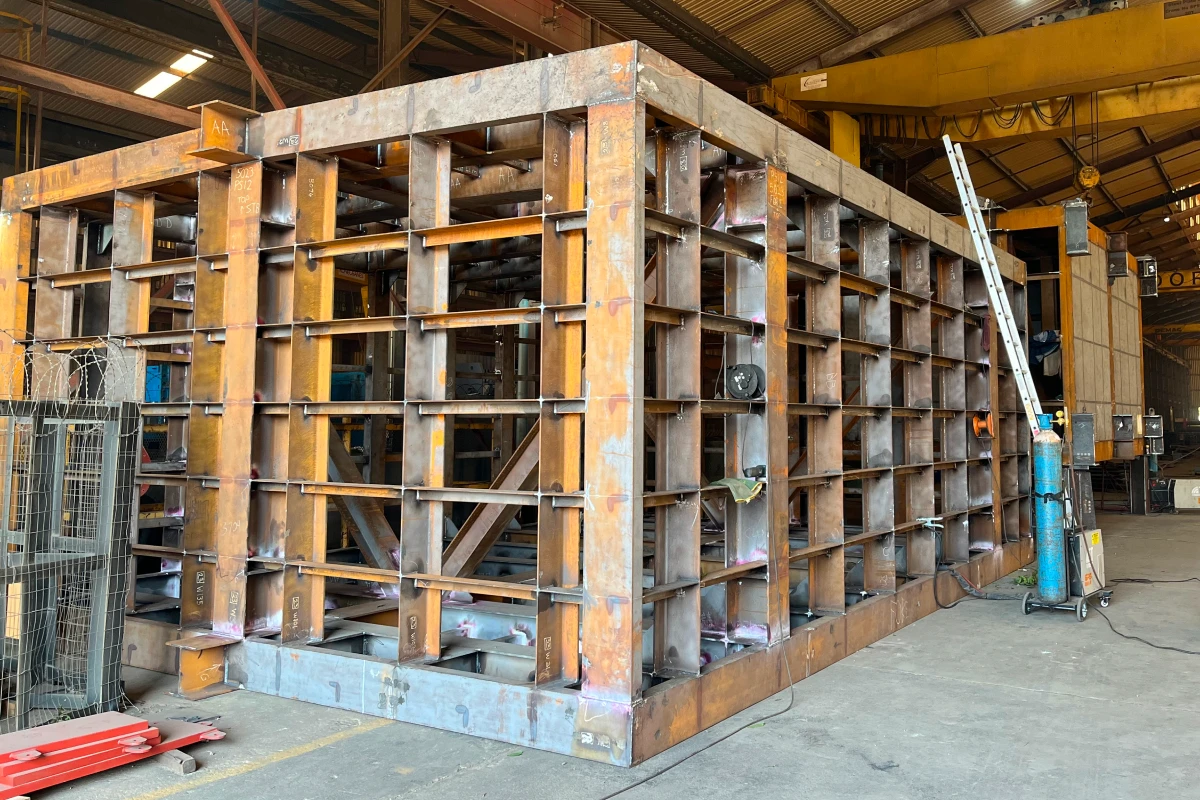
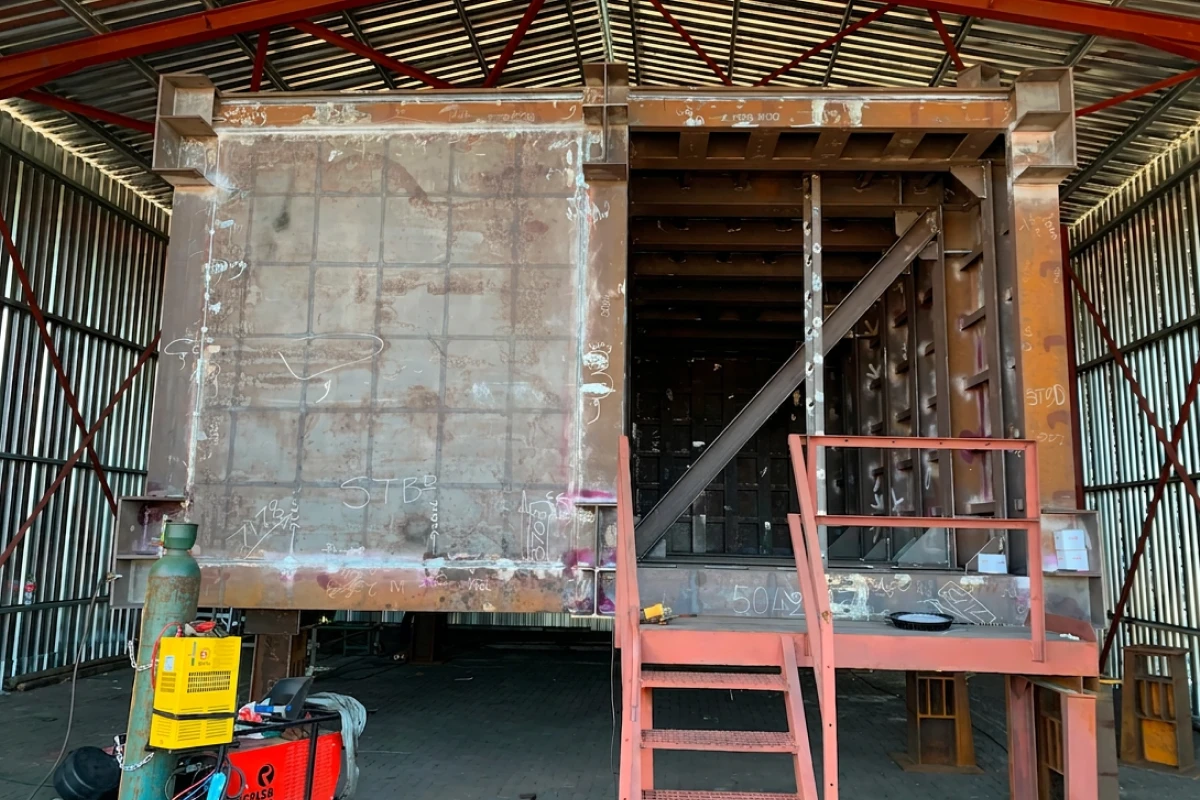
Three Richards Bay fabricators – Duys Engineering (23 pontoons), Shiloza Engineering (9 pontoons) and Steel Plate Solutions (10 pontoons) – fabricated all 42 pontoon boxes. Each fabricator adapted methods to their facility: Duys used a production-line sub-assembly approach with pre-cambering to manage welding distortion; Shiloza worked with positional and overhead welding on a custom rail-and-bogie system; SPS used a two-stage process across separate structural and plate-fitting workshops. All pontoons received a marine-grade three-coat stone-core epoxy corrosion protection system applied in custom-built paint sheds. Structural steelwork and platework (1 450 t and 360 t respectively) were fabricated by Joburg contractors Louwill Lefa, Banella Metals and Tudor Engineering. The 14 m diameter conical surge bin was fabricated by Louwill Lefa and trial-assembled at their works before despatch. Detailing was carried out by Epic and PCSA using Tekla, interfacing directly with Hatch’s Bentley 3D model.
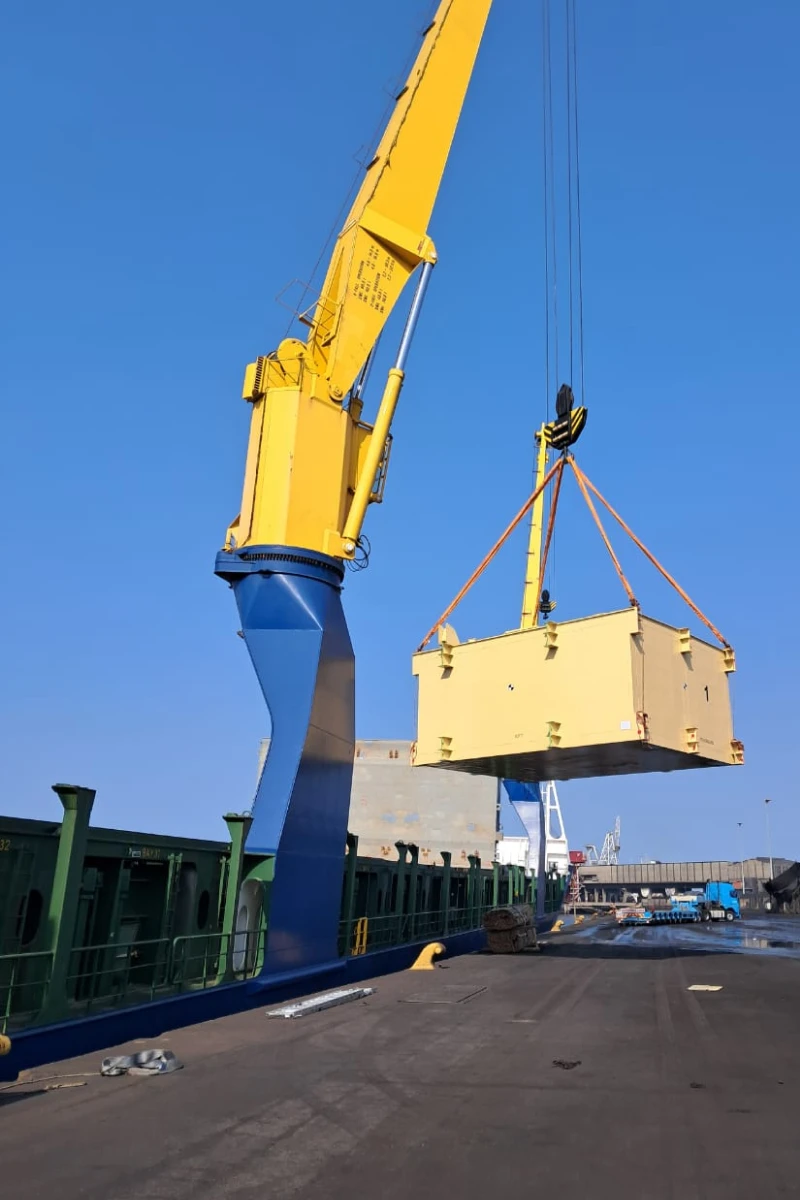
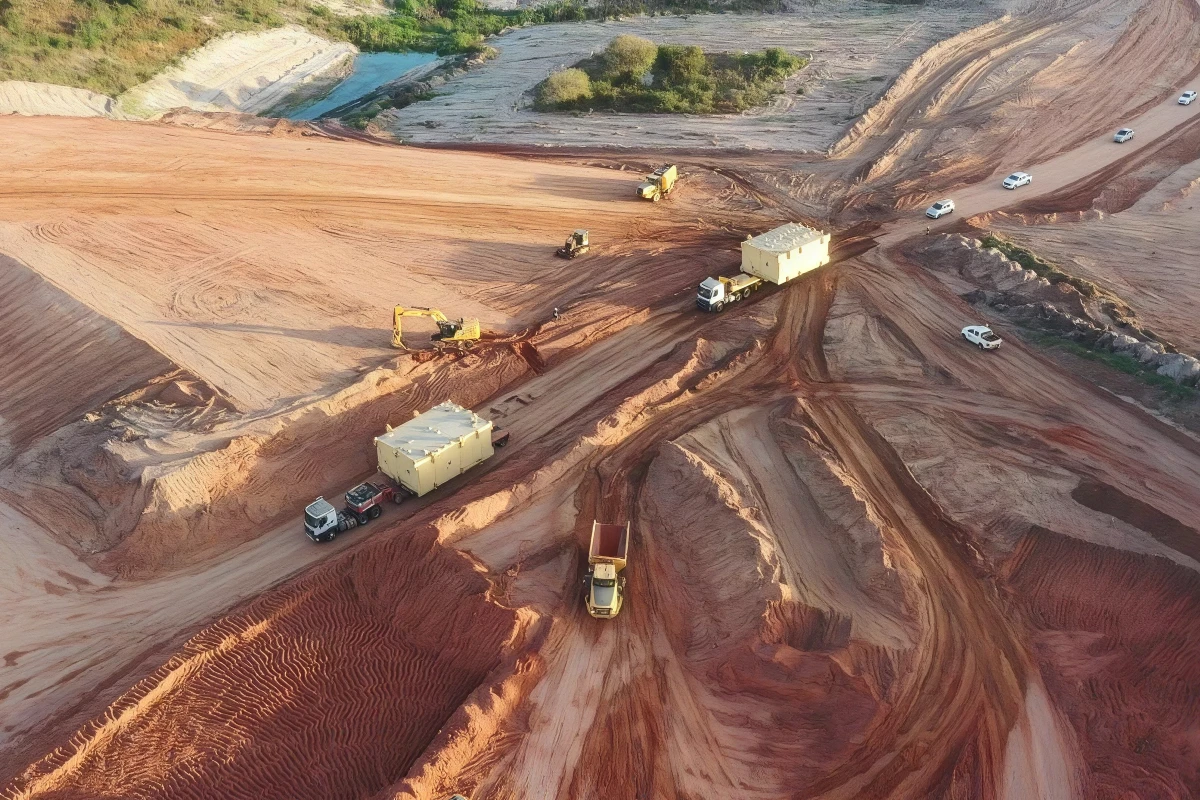
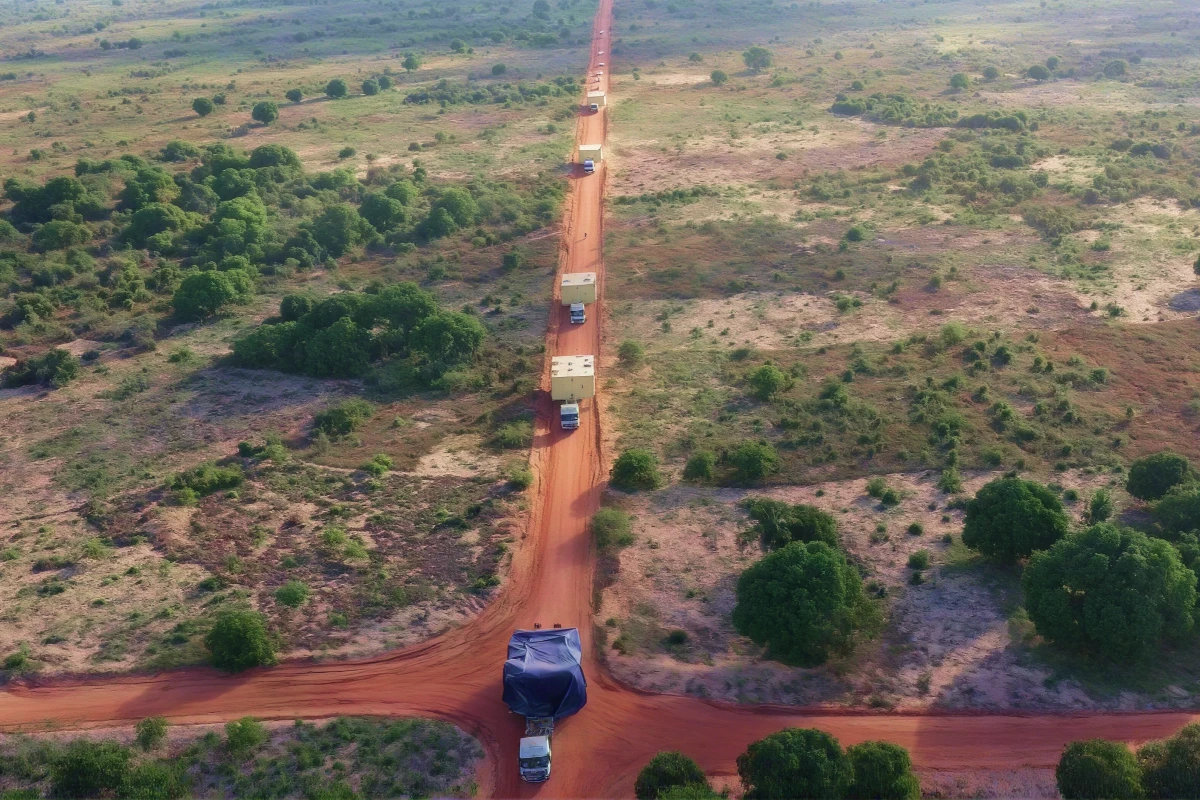
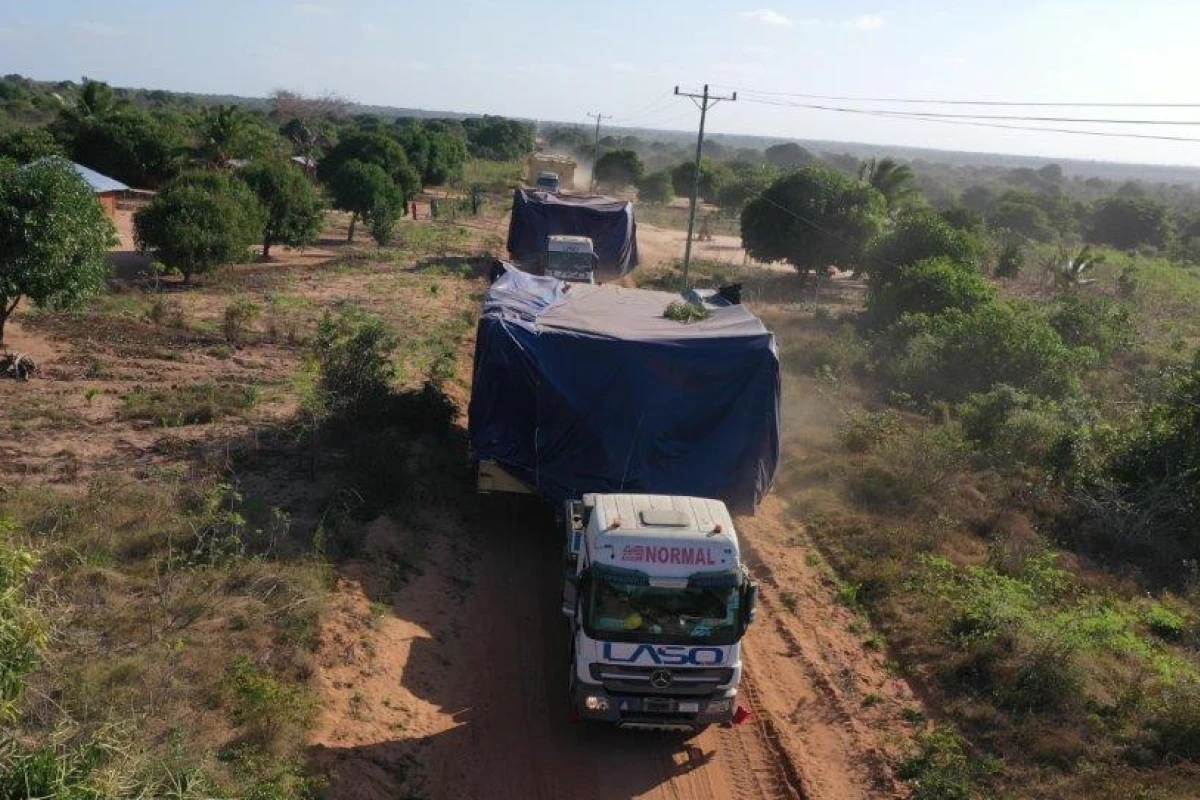
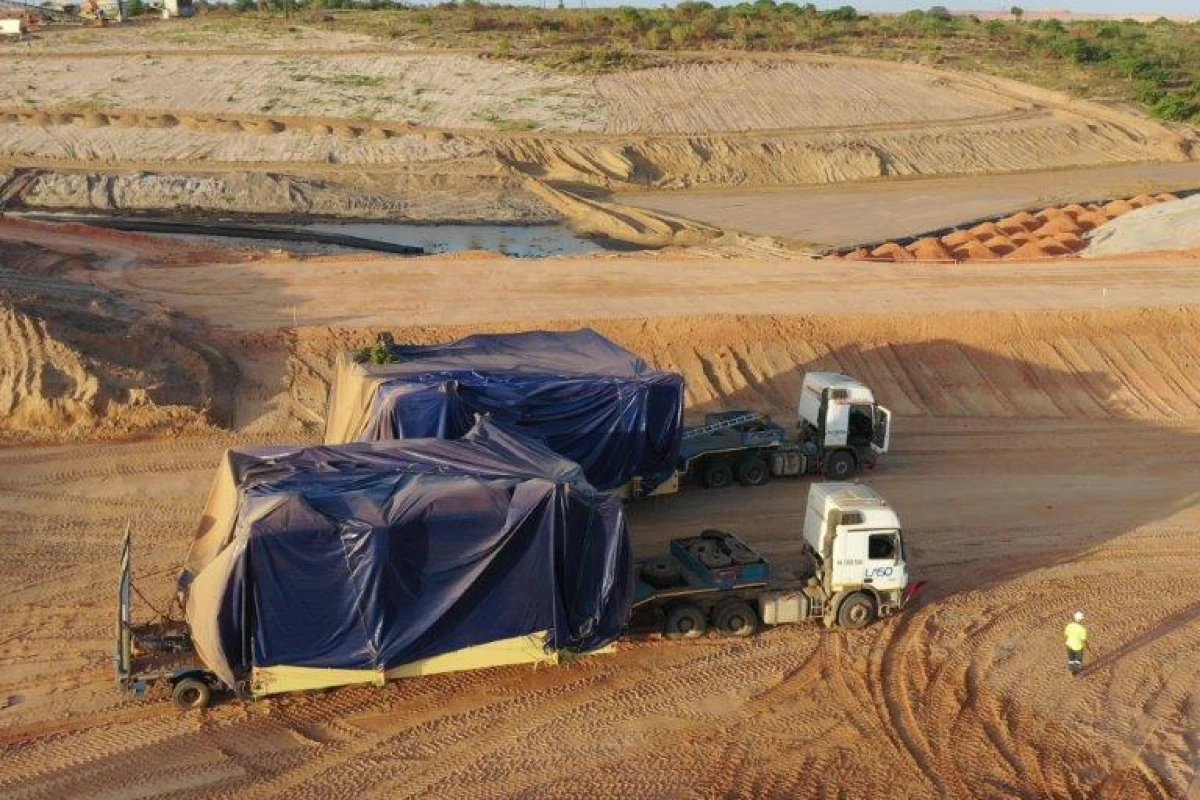
T3 Projects managed supply, logistics and installation. Pontoons were shipped from Richards Bay Harbour to Nacala, Mozambique, then transported by road – on purpose-built roads – approximately 180 km to the Moma site. Structural steelwork was road-transported from Johannesburg through multiple Mozambican border posts, with approximately 400 truckloads navigating roads severely degraded by cyclone conditions. On site, T3 constructed a dry dock and assembled the 42 pontoons from the inside out, site-welding custom connecting brackets to within 2–3 mm tolerance. The superstructure was erected with the steel columns pinned directly onto the pontoon deck. A 3D laser scan of the existing plant was integrated into the digital model to ensure precise tie-in alignment. In August 2025, the dry dock was flooded and the 5 000-tonne floating plant lifted off its plinths and floated as designed. Tie-in to the existing plant was completed and commissioning concluded in December 2025.
The key challenges and solutions on this project included: (1) Floating structure design – Dynamic, naval and structural analysis was performed to ensure stability under all load cases including cyclone wind loading, with nine-metre-deep lattice strongbacks providing overall rigidity. (2) Remote logistics – Pontoons were sized (7 m x 9 m x 4 m) to fit Mozambican roads and bridges; steelwork was transported in approximately 400 truckloads through deteriorating roads. (3) Fabrication tolerances – Each pontoon was pressure-tested for watertightness and fabricated to millimetre accuracy; continuous improvement through the production run reduced rework significantly. (4) Corrosion protection – Pontoons were too large to galvanize; a marine-grade three-coat submersible epoxy system was applied in custom paint sheds. (5) Abrasion resistance – Polyurethane lining was moulded directly onto platework using specially developed ovens and moulds, representing one of the largest such applications in South Africa. (6) Steel shortage – Early procurement commitment by Hatch and T3 secured materials in advance, mitigating project delays.

Benefits of Steel in this Application

Steel was the only viable material for this project. Its high strength-to-mass ratio made it possible to construct a floating process plant capable of carrying over 5 000 tonnes of structure, screens, tanks and equipment while maintaining buoyancy. The 42 pontoon boxes were fabricated to millimetre-level precision and pressure-tested to ensure 100% watertightness – a requirement impossible to achieve with alternative materials. Steel’s weldability and prefabrication capability allowed complex pontoons to be manufactured in controlled workshop environments in Richards Bay and transported by sea to remote northern Mozambique. The superstructure’s galvanized steelwork provides life-of-mine corrosion protection, while the pontoons received a marine-grade three-coat submersible epoxy system. Steel’s strength and flexibility also facilitated maintainability through integrated cranes and crawl beams. Without steel, the logistics, precision, and structural performance required to deliver this plant to a remote site and float it on a mining pond would simply not have been achievable.

Testimonials

“The day we signed off on completeness of the plant and started flooding the pond, waiting to see whether 5 000 tons of steel would float – and watching it lift off its plinths exactly as planned – that was a proud moment. Science and engineering coming together.” - Matthew Wolstenholme (Hatch, Lead Structural Engineer)

“The collaboration between all parties – from the engineering teams to the fabricating teams to the logistics and site teams – was an honour to be part of. Everyone did their bit, sharing information so that the one could help the other succeed.” - James Randall (T3 Projects)

“Hatch and T3 held a thorough project closeout debrief with each fabricator after completion. It took account of both the team experience and the isolated experiences of each business – something we hadn’t experienced on many occasions before and I think it was very well managed.” - Mark Mitchley (Steel Plate Solutions)

“Go ahead, guys – we’re happy for you to showcase something you should be proud of.” - Kenmare COO (on approving the Steel Awards entry)