Project Type

Location

Project Team Interview Case Study

Project Overview

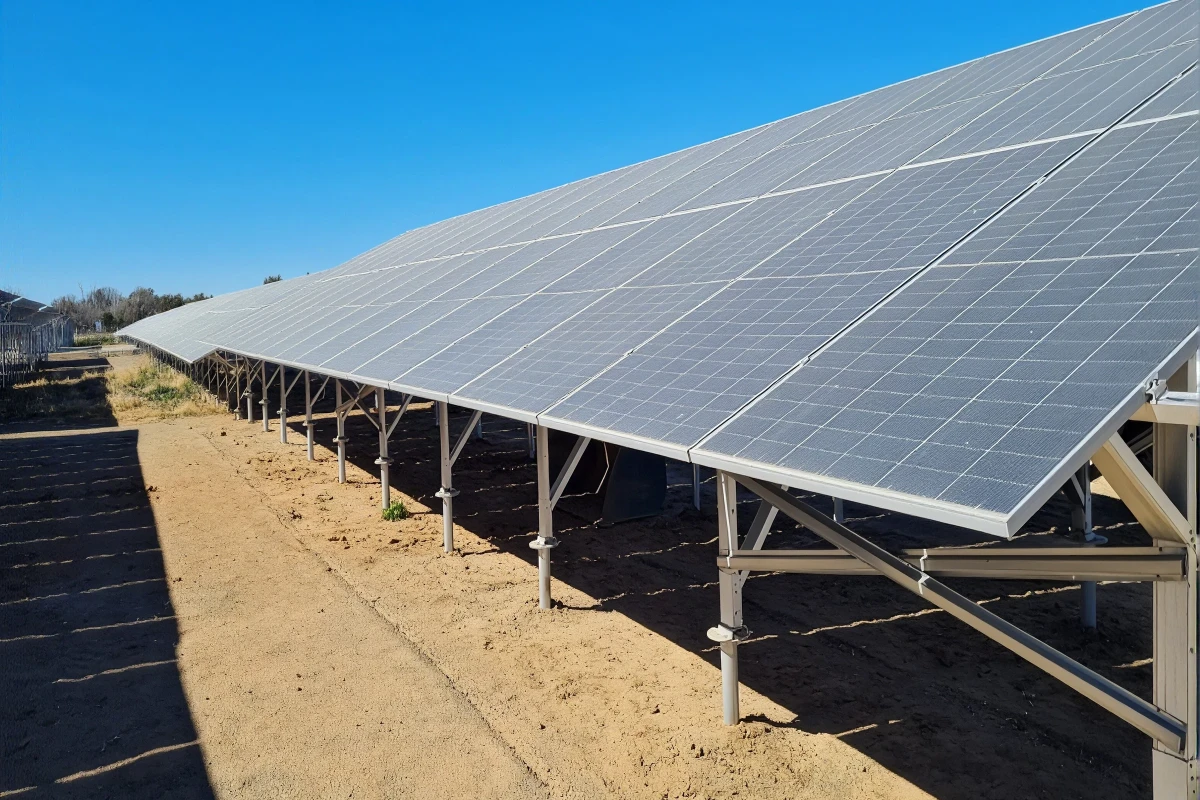
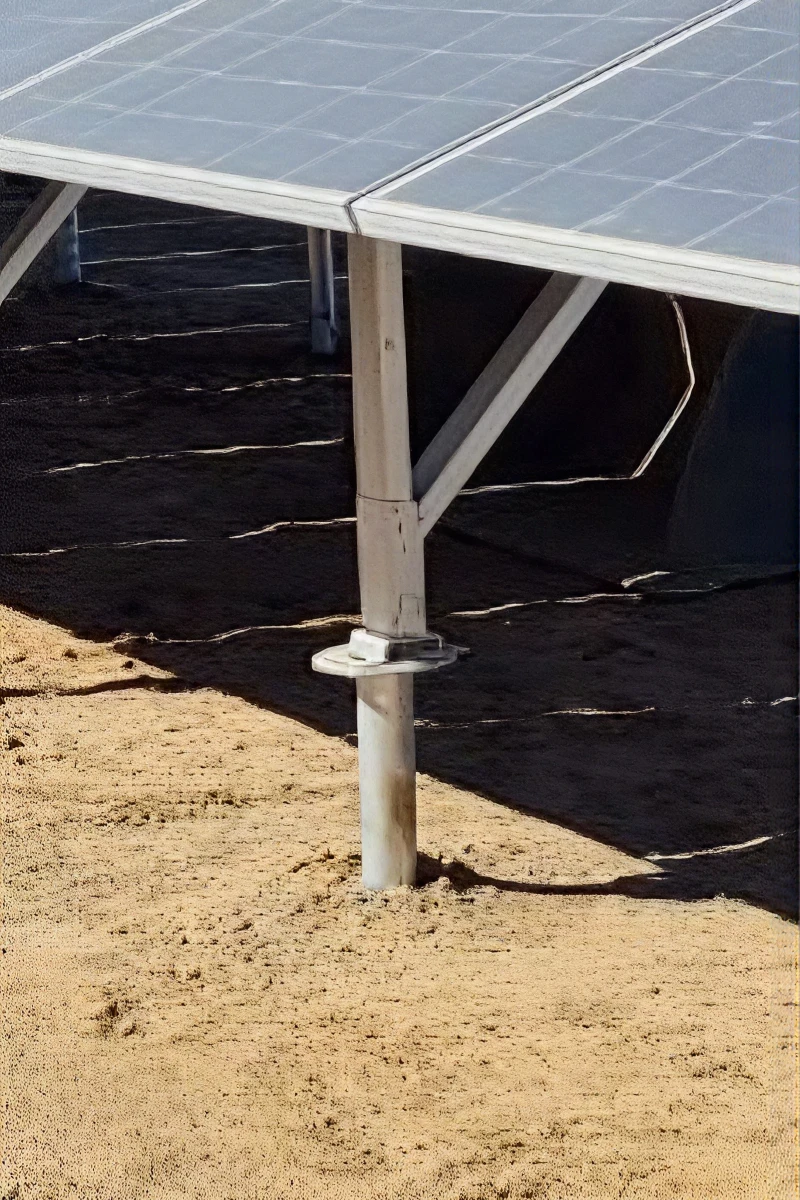
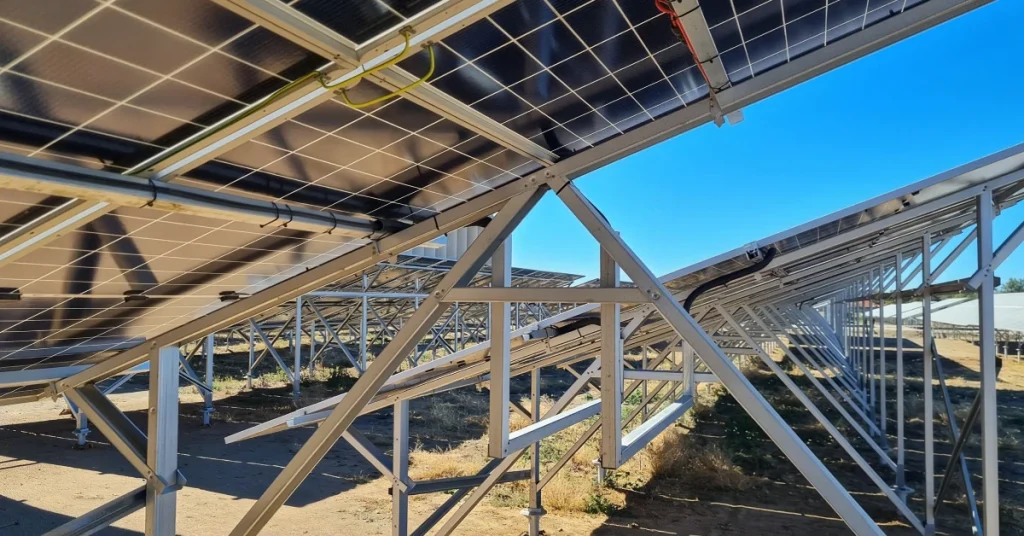
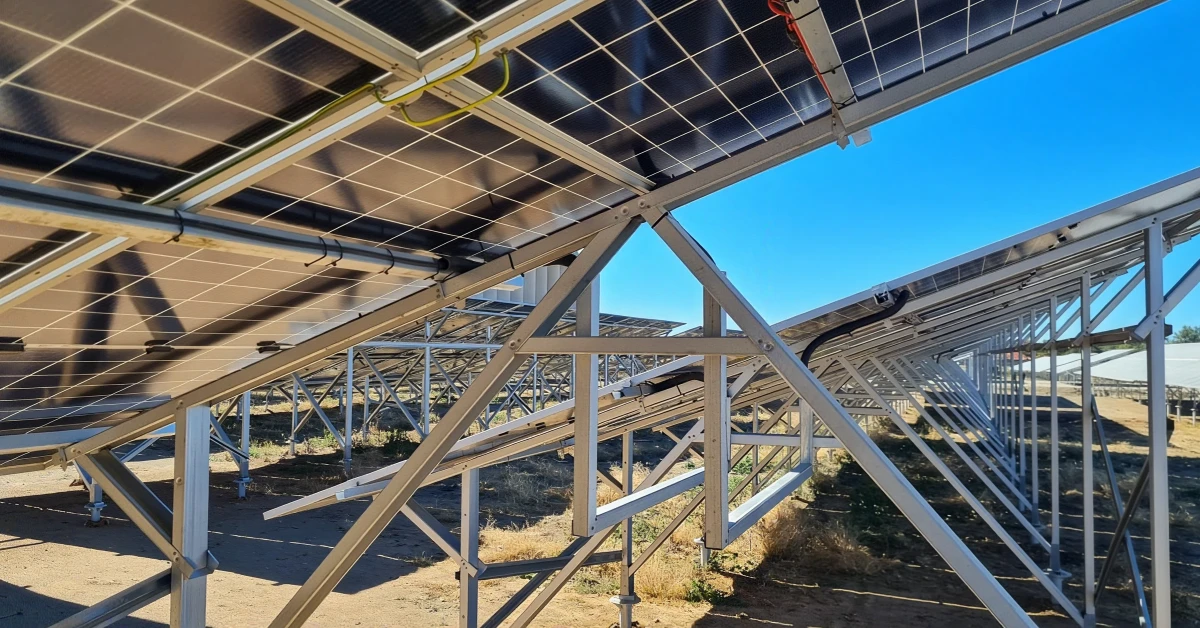
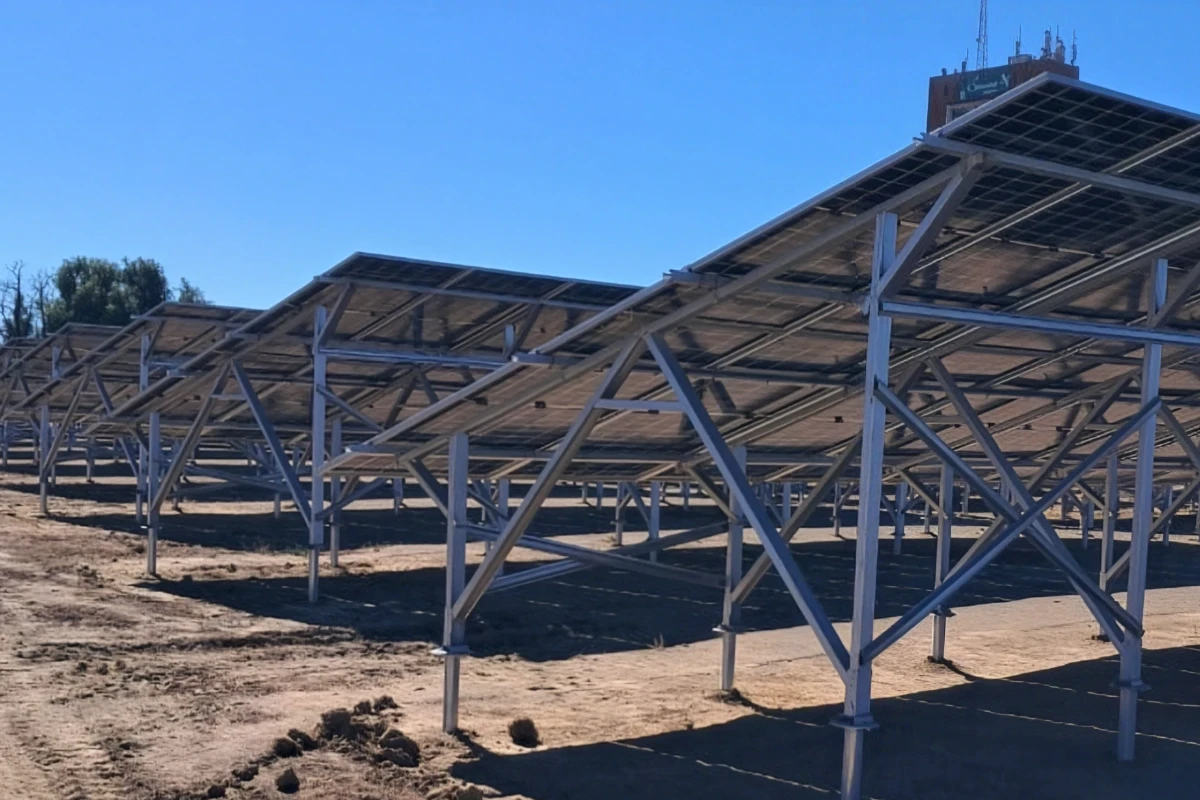
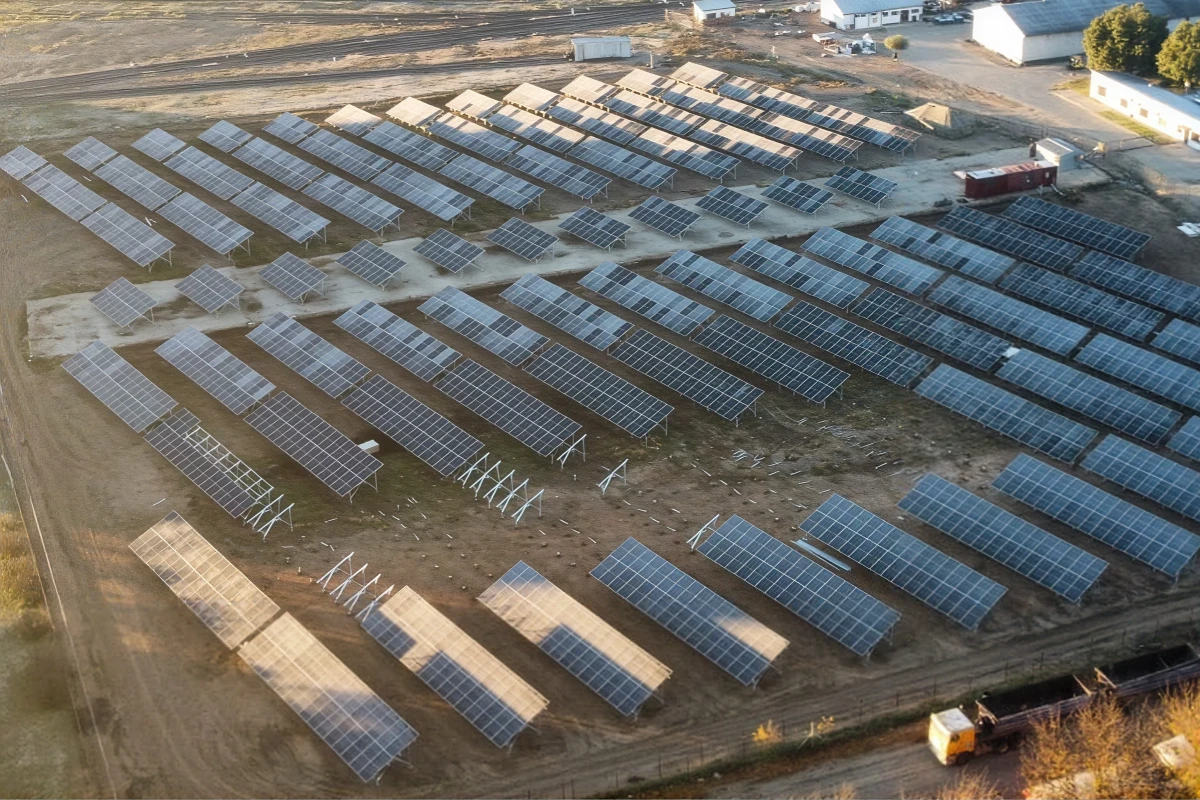
K.O. Grains Solar is a large-scale solar installation located at 5 Graansuier Way, Bultfontein, Free State. The project involved the installation of 2,656 solar panels across a 6,412 m² solar area. Siteform Framing supplied and manufactured light steel frame (LSF) solar support structures using 17.6 tons of 89mm C-channels (0.8mm) and P2000 profile (1.0mm), totalling R1,762,007. Ground screws were selected as footings, eliminating the need for civil works or concrete foundations and allowing rapid levelling on sloping terrain. All frames were pre-manufactured and pre-assembled in Siteform’s factory and delivered in batches to site, drastically reducing installation time. A custom bracket connection detail was engineered in-house to accommodate the variable orientations of the ground screws. The steelwork was completed by 01 May 2025, with the full project finalised by 01 July 2025.
Steel Profiles Used

  • Date of Steelwork Completion
    2025-05-01
  • Tonnage
    17.6
  • Cold Formed Structural Sections
    LSF C Channels (89mm, 0.8mm thick), P2000 Profile (1.0mm thick)

Light Steel Frame Building Overview

  • Date of LSFB Completion
    2025-05-01
  • Materials Used
    LSF C Channels – 89mm, 0.8mm thick, P2000 Profile – 1.0mm thick
  • Cladding Area Coverage (m2)
    6.4

Project Details

All solar support frames were designed and manufactured at Siteform’s factory in Bloemfontein. The 89mm C-channels and P2000 profiles were precision laser-cut with pre-drilled holes, enabling easy on-site verification that all fasteners are correctly installed. Frames were fully pre-assembled in the factory and loaded onto delivery vehicles ready for immediate installation on site. A custom base plate bracket was designed and fabricated in-house to bridge the connection between Siteform’s LSF system and third-party ground screws, accommodating variable screw slot positions without compromising structural integrity. Manufacturing commenced simultaneously with the ground crew turning in screws on site, ensuring no idle time between disciplines.
Installation proceeded without any heavy lifting equipment, cranes, or extensive civil works. Ground screws were turned in to the required depth to level the terrain, replacing the need for grading or concrete foundations. The solar tables were split into sections aligned with the solar panel strings to accommodate the natural incline of the site. Frames were delivered in controlled batches as site progress demanded, minimising material exposure to theft or damage. The lightweight nature of the LSF system meant small teams could handle all materials by hand. Close coordination between Siteform’s factory and the site team, Solar Giant, ensured seamless sequencing from ground screw installation through to final panel fixing.
The primary challenge was the absence of a standard connection detail between Siteform’s LSF system and the third-party ground screws, which are proprietary and not designed for LSF integration. Additionally, ground screws do not always terminate at identical rotational orientations, meaning fixing slots could face any direction. Siteform designed a bespoke bracket that accommodates this variance. A second challenge was verifying the holding-down capacity of the ground screws, as no published spec sheets were available. To resolve this, the team conducted a site pull-out test using an excavator-mounted scale; the ground screws exceeded 5 tons of pull-out resistance per screw, satisfying the engineers and confirming structural adequacy.

Benefits of Steel in this Application

Light steel frame offered a compelling combination of benefits for this solar application. Its high strength-to-weight ratio meant no heavy lifting equipment was required on site, reducing both cost and logistical complexity. The material is pre-cut and pre-assembled in the factory, enabling rapid, accurate installation with minimal site waste (2–3% waste factor). Ground screw foundations replaced conventional concrete, saving time and cost on ground preparation. Using AZ 150 galvanised material with Class 3 fasteners ensures long-term corrosion resistance and durability, even in open exposed conditions. All frames are designed to SANS 517 with a 36 m/s wind load, validated by a third-party engineer. LSF came in significantly cheaper than conventional material systems, making it the decisive factor in the client’s selection.

Testimonials

“Siteform came in with the most cost-effective solution for the client, both on material and the fact that our solar frames are pre-assembled and delivered as such to site, which saves the teams installing the structures a lot of time.” – Johan Fourie, Siteform Framing.

The project demonstrates that light steel frame still has much to offer in non-traditional applications such as solar. Despite initial industry scepticism around LSF in solar structures, Siteform’s engineering backing, 20 years of experience, and innovative connection solutions convinced the client and end-user that LSF is a trusted, cost-effective, and time-efficient solution.