Project Type

Location

Project Team Interview Case Study

Project Overview

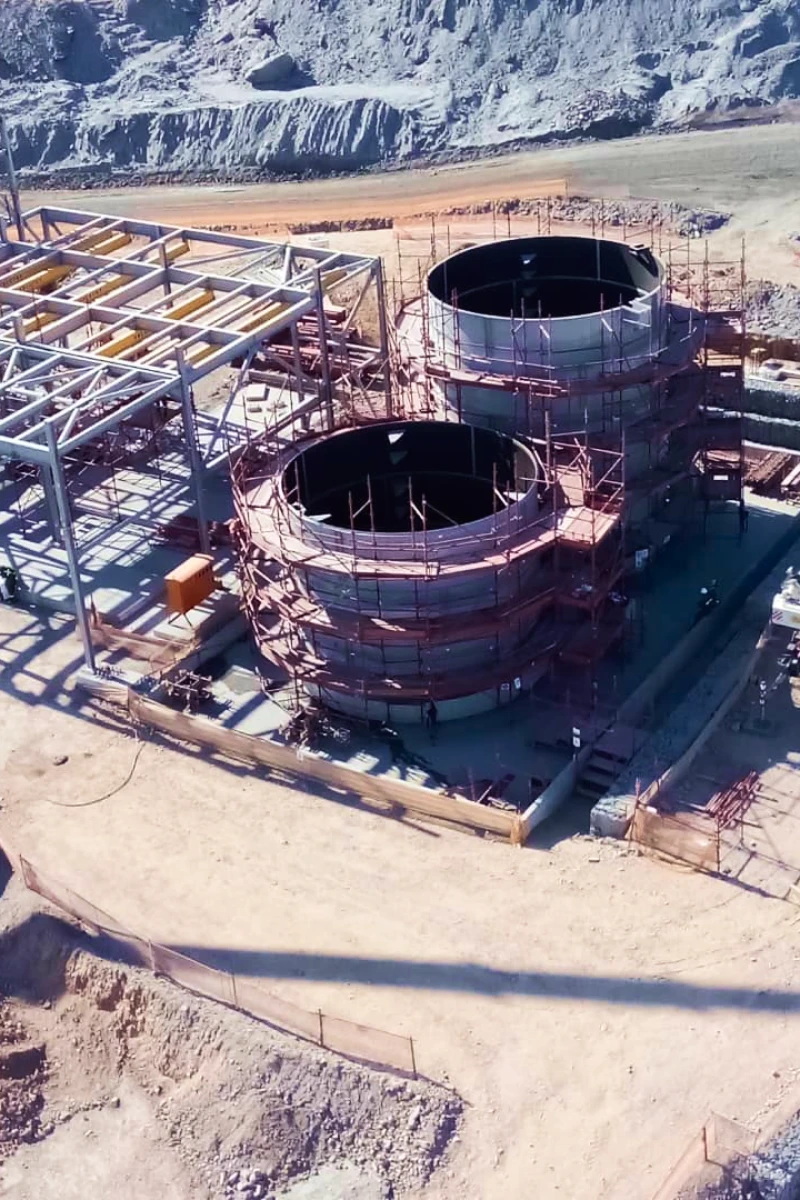
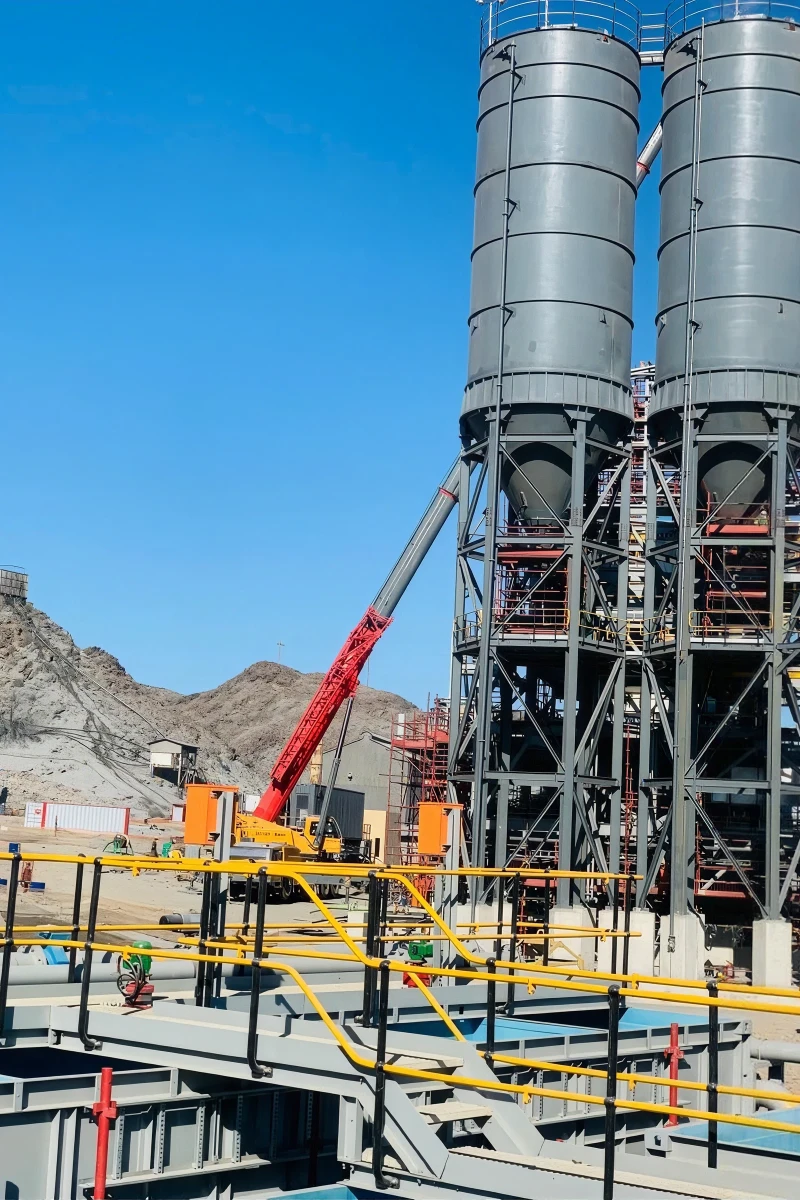
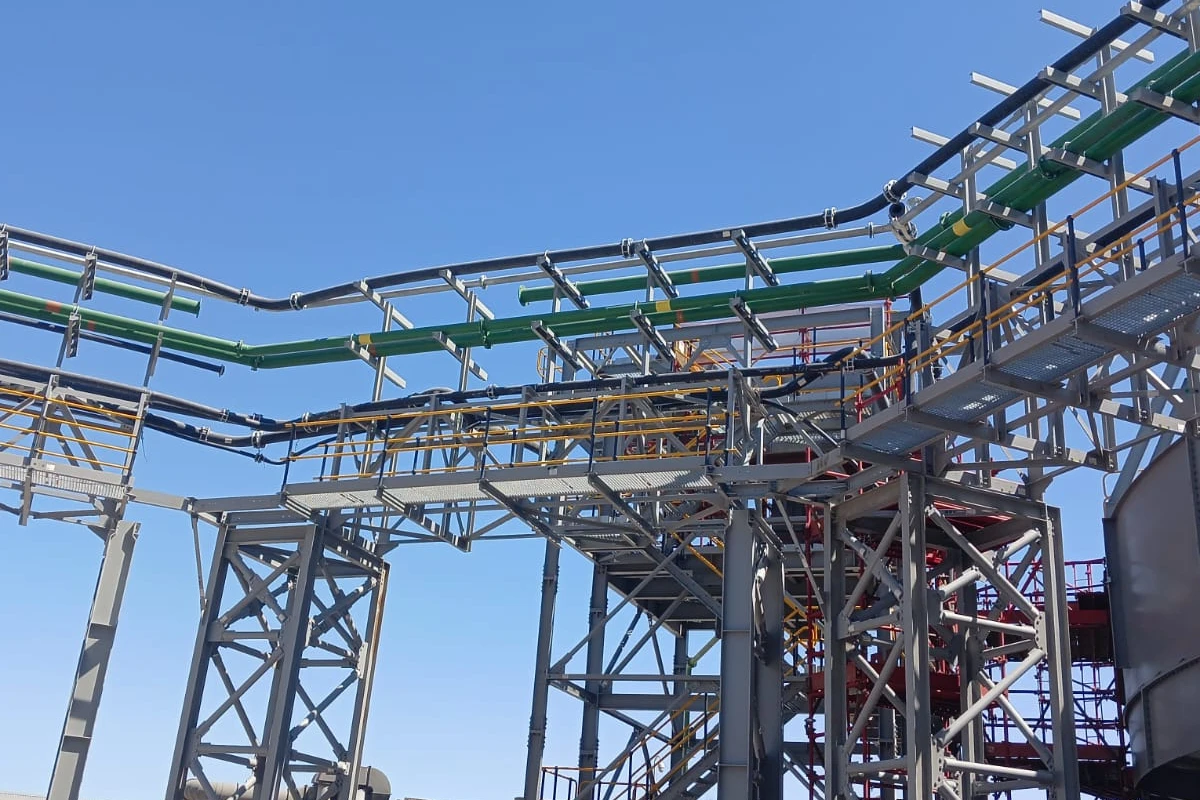
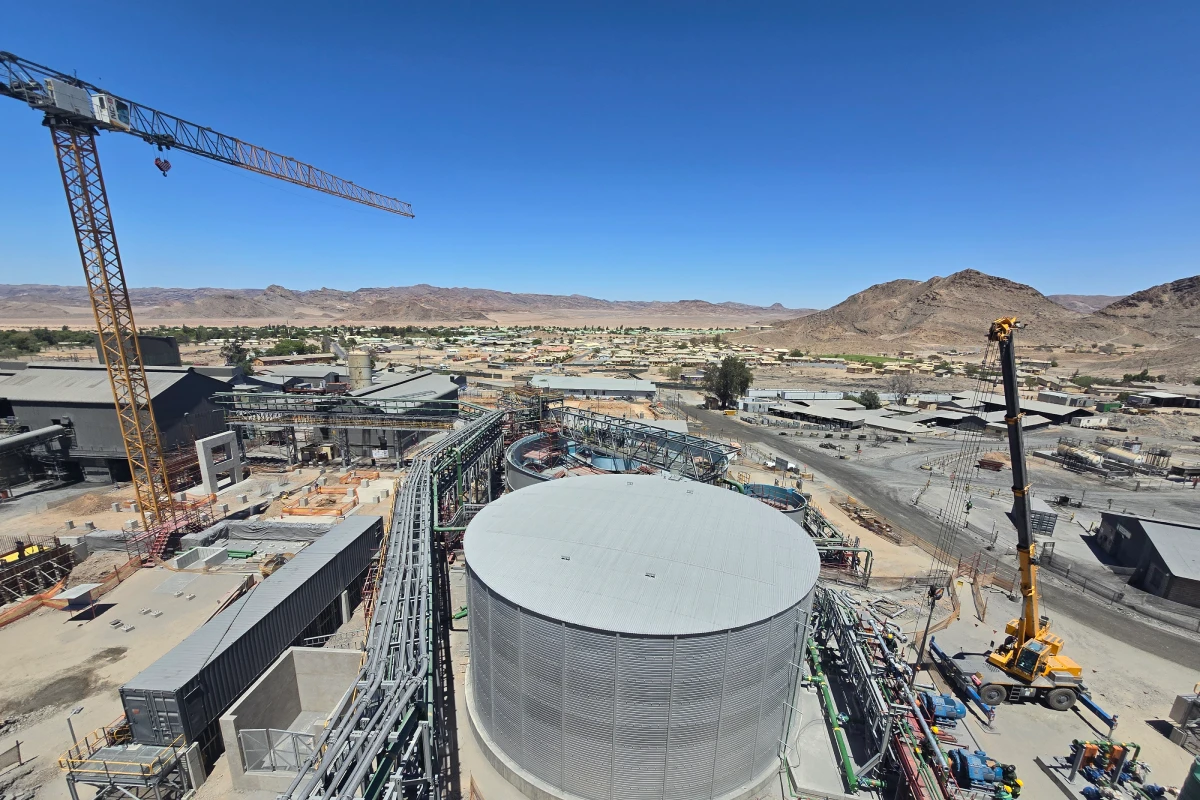
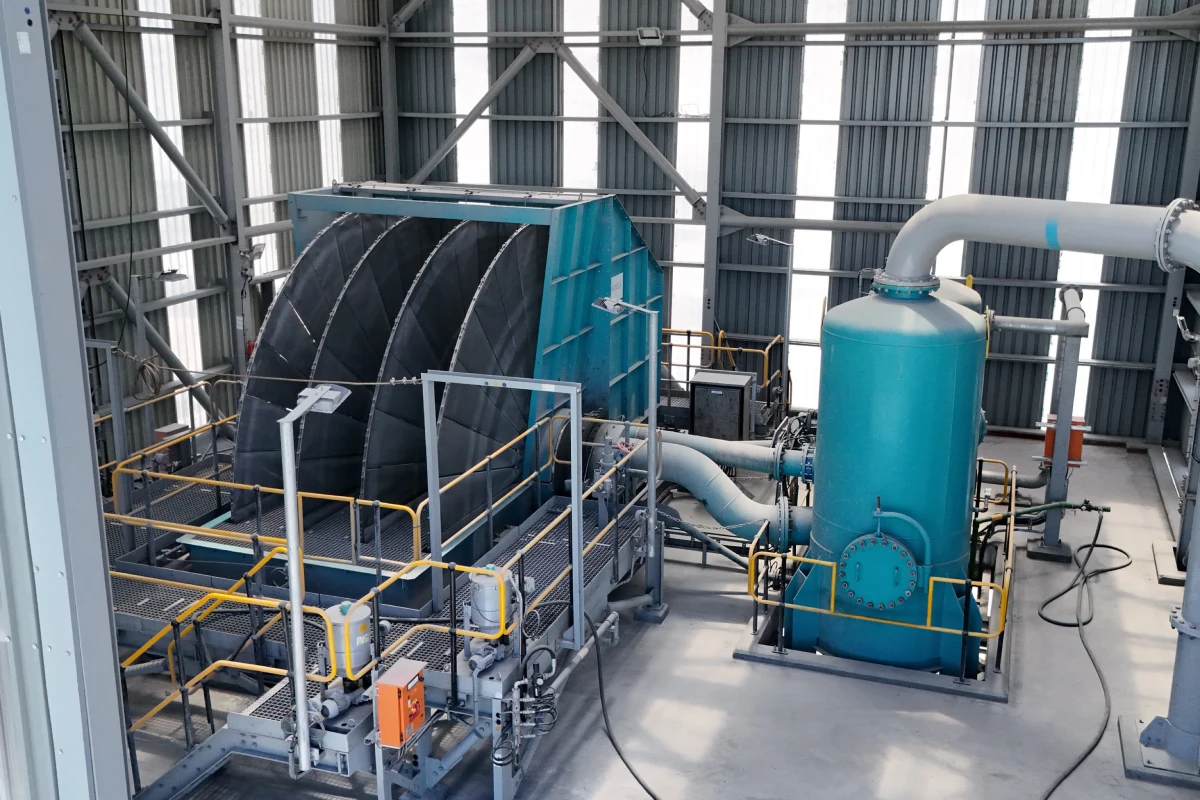
The Rosh Pinah 2.0 – Expansion Project – Phase 1 is a multi-component mining and mineral processing facility in the remote town of Rosh Pinah, Namibia, designed to significantly upgrade Zinc Ore operations and water management for Rosh Pinah Zinc Corporation. The project encompasses eight integrated components: a paste plant, water treatment plant, thickener installation with access tower, pipe racks, SBS tank, compressor area, two cement silos, and two backfill paste feed tanks fabricated from steel plate. All structural steelwork was detailed by Viva Engineering (South Africa) using Tekla BIM, fabricated and rubber-lined in Johannesburg, then transported via approximately 190 trucks across the border to site for installation by K Neumayer. The project achieved a total steelwork value of approximately R42 million across just over 650 tons of steel, with cladding covering approximately 2,500 m². The full project value was R134,366,559.20. Completed in November 2025, the project stands as a flagship example of regional cross-border steel industry collaboration.
Steel Profiles Used

  • Date of Steelwork Completion
    2025-05-01
  • Tonnage
    650
  • Hot Rolled Structural Sections
    Hot Rolled Steel Sections
  • Plates
    Steel Plates
  • Cold Formed Structural Sections
    Cold Rolled Sections
  • Tubes and Pipes
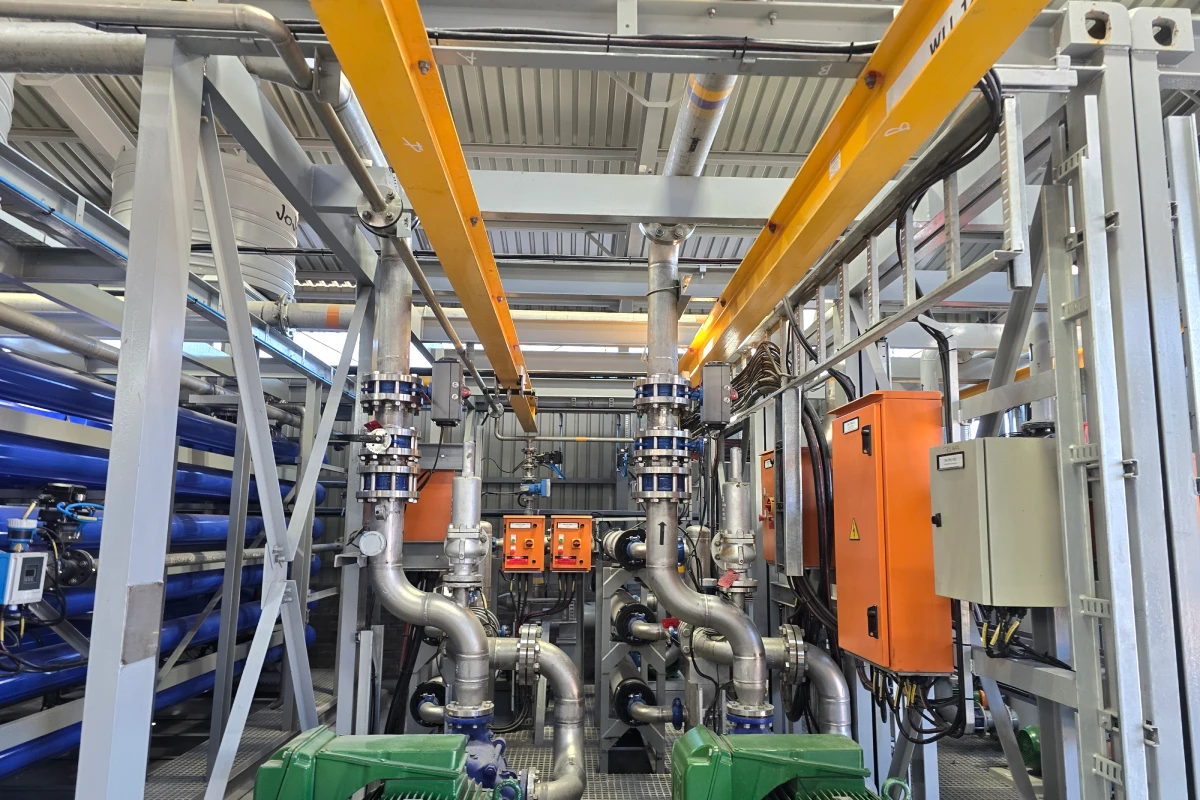
    Structural Pipes and High-value Process Piping
  • Grating Hand Railing and Expanded Metal
    Gratings, Hand Railings, Access Walkways and Maintenance Platforms Throughout All Eight Components

Metal Cladding and Roofing Overview

  • Date of Cladding Completion
    2025-11-01
  • Material Used
    IBR Chromadek-coated Cladding
  • Cladding Profile
    IBR Profile
  • Cladding Area Coverage (m2)
    2500

Project Details

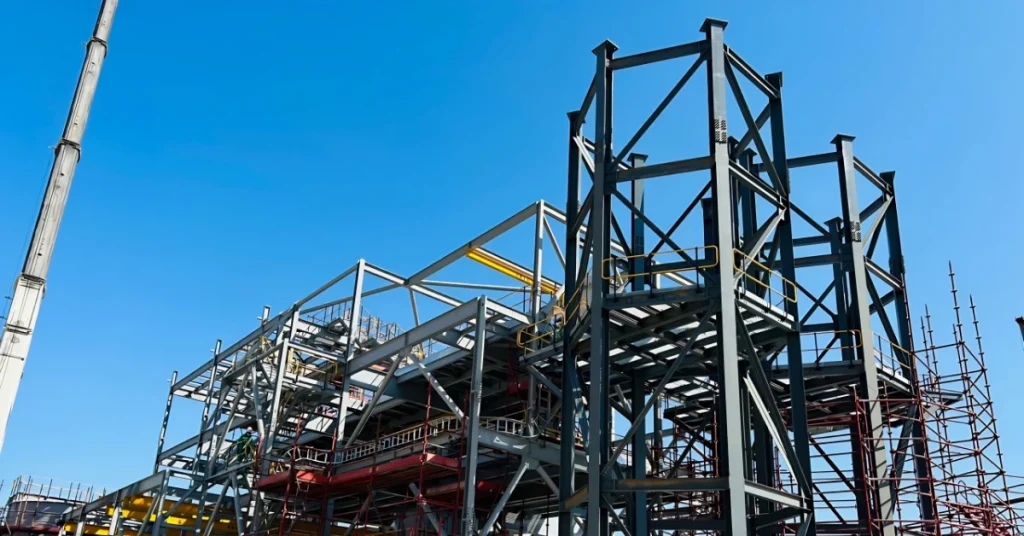
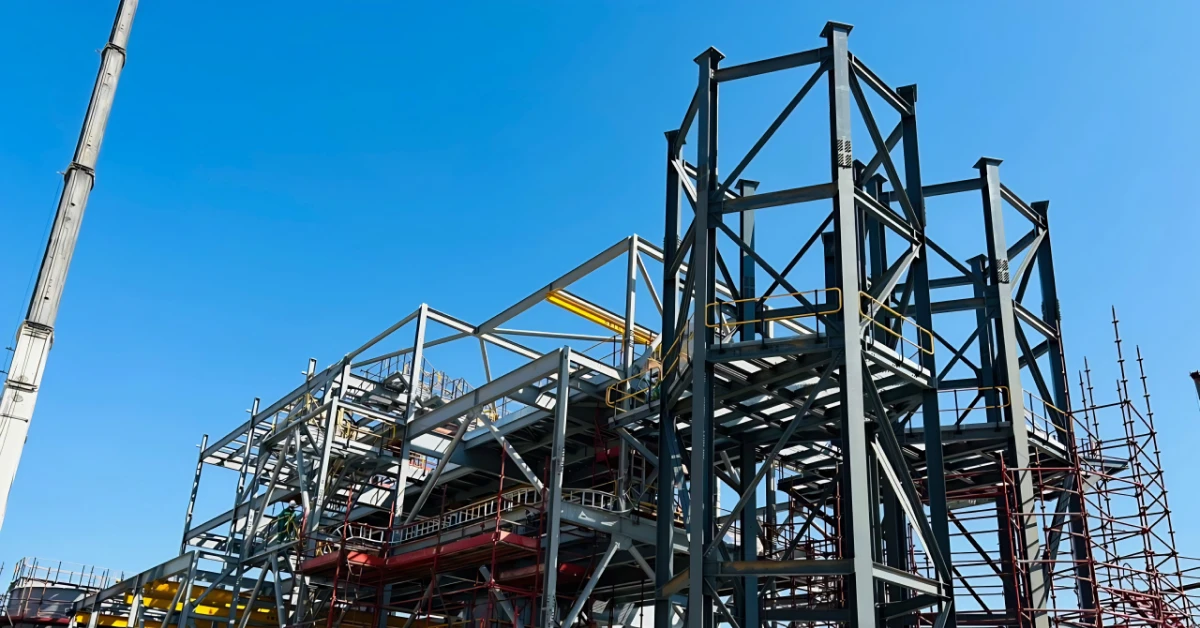
All structural steelwork was detailed by Viva Engineering in Johannesburg using Tekla BIM software, enabling clash-free 3D modelling and an optimised approval process with the structural engineer of record, DRA Global. The detailing output drove fabrication directly, with every component bar-coded and tracked through the manufacturing, paint, rubber-lining and inspection process via Viva’s proprietary live information portal. Steel water tanks were fabricated, rubber-lined and painted in-house; cement silo segments were manufactured for pre-assembly and on-site welding. Nesting optimisation ensured maximum truck utilisation across approximately 190 deliveries to site. All fabrication was completed to ISO 9001 quality standards with third-party inspections signed off before any material was released for transport to Namibia.
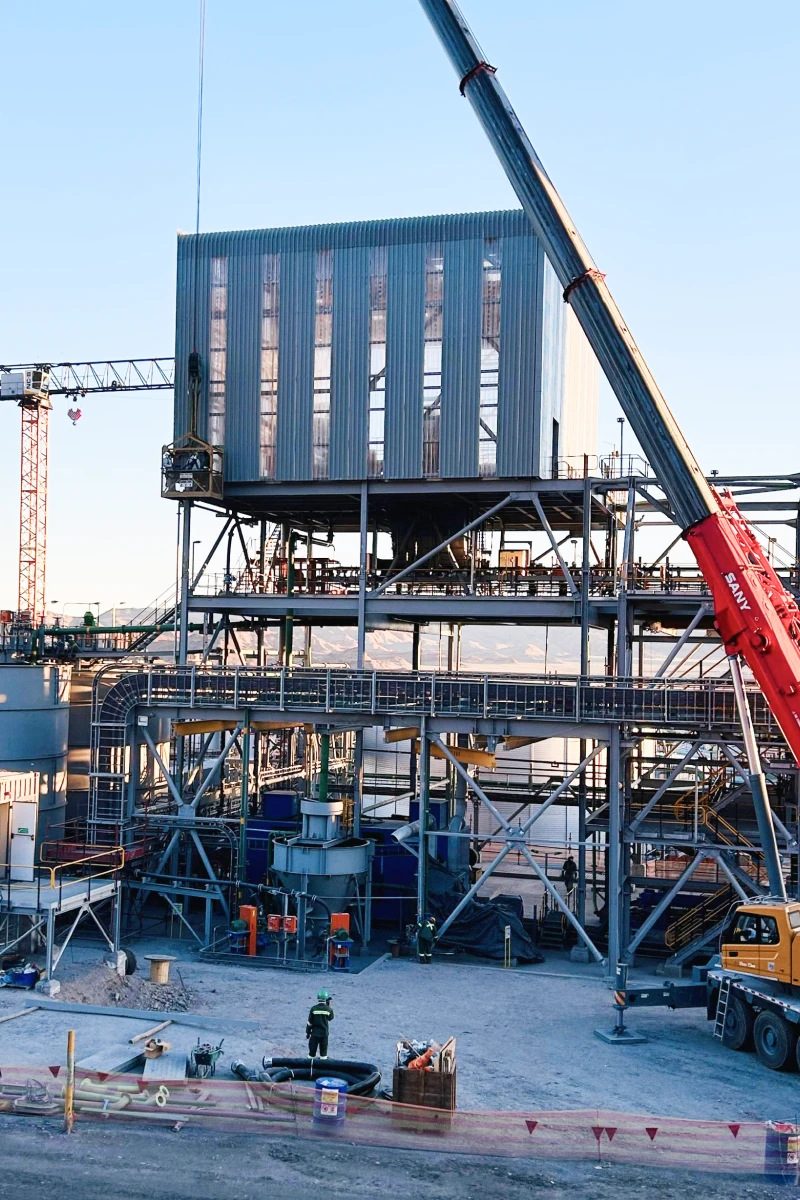
Installation was carried out by K Neumayer on an active mine, requiring meticulous planning to avoid disrupting live operations at all times. Key installation highlights included: cement silos erected in confined space using a 250-ton crane in a two-crane top-and-tail operation, lifting segments to 28 m and completing full-penetration welds at height; thickener bridge installed using a 110-ton crane (upsized from the typical 55-ton due to site congestion); SBS tanks assembled using a bottom-up jacking method, with the roof installed first and sides jacked upward; and approximately 9.5 km of greenfields and 6.5 km of brownfields piping installed. Approximately 1.5 million man-hours were worked LTI-free. Weekly construction meetings between Viva Engineering and K Neumayer ensured arrival sequences, crane schedules and installation milestones were continuously aligned.
The project presented several major challenges. Remote location: Rosh Pinah is approximately 360 km from the nearest border post, requiring 190+ truck deliveries with abnormal-load permits for oversized steel components. All logistics were managed through detailed weekly scheduling and phased delivery sequences. Live mine integration: all work was executed within an operational mine without any production stoppages, achieved through rigorous interface planning between K Neumayer and mine management. Confined space erection: cement silo installation required a dual-crane operation in a highly congested area, with a 250-ton crane used for final positioning at 28 m height. Filter damage incident: a client-supplied filter unit (fabricated in Germany) fell from a truck on final approach to site, requiring return to Germany for repair and causing a six-week delay. The team restructured the installation sequence, temporarily de-installed steelwork sections and deployed a larger crane to recover the programme.

Benefits of Steel in this Application

Structural steel was the only material capable of meeting the technical demands of this complex mining facility. Its key advantages included: the ability to span large distances and support heavy process equipment; suitability for off-site prefabrication with high precision, enabling rapid on-site assembly while civil works were still in progress; modular construction that reduced on-site risk and construction time; and long-term adaptability, allowing structures to be modified or extended as process requirements evolve. Steel pipe racks, access platforms, walkways and maintenance structures coordinated and supported the high-value mechanical and piping systems throughout. The use of Tekla BIM-driven shop detailing, barcode traceability from fabrication to installation, and a real-time client portal updated every three hours further maximised steelwork efficiency. Welding was executed to AWS D1.1 and ASME standards with third-party inspections completed in South Africa prior to dispatch.

Testimonials

“It was a seamless operation between the two companies.” – Rosh Pinah Zinc Corporation client representative.

The Viva Engineering and K Neumayer partnership delivered a fully integrated turnkey supply-and-install solution that the client specifically commended for its seamless coordination. The project was completed safely (1.5 million LTI-free hours), on budget, and substantially on programme despite unforeseen challenges. The real-time Viva Portal gave the client full traceability from detailing through to site erection, updated every three hours, providing confidence and transparency throughout the project lifecycle. The successful delivery of this first-of-its-kind backfill paste system in the Southern Hemisphere reinforced the partnership’s reputation as the preferred turnkey steel contractor for complex, large-scale projects in Namibia.