


A changing global context
Structural steel remains fundamental to infrastructure, mining, energy and industrial development worldwide. While the material itself is familiar, the context in which steel is designed, specified, procured and fabricated is evolving rapidly. Global shifts in production methods, digital design tools, sustainability expectations and supply chain dynamics are reshaping the steel sector across all major markets.
In response to these changes, the South African Institute of Steel Construction (SAISC) is taking an active role in strengthening confidence in the local steel supply chain. The establishment of a Quality Certification Committee aimed at certifying steel merchants and fabricators reflects a proactive commitment to ensuring quality and traceability across the industry. This initiative supports clients and specifiers by providing greater assurance that steel is sourced from competent and accountable suppliers.
For South Africa, these global trends present an opportunity to strengthen local practices, reinforce confidence in quality and enhance collaboration across the steel value chain. Steel will remain central to development. What matters is that our design, procurement and supply frameworks continue to support the construction of consistent high-quality steel structures in an increasingly demanding environment.
Global trends shaping steel design and supply
Across international markets several trends are becoming increasingly influential.
There is a growing emphasis on quality assurance and traceability of steelwork as projects become more complex and risk tolerance continues to reduce.
Earlier collaboration between design engineers, merchants and fabricators is becoming more common. This is supported by a range of digital design tools and coordinated project delivery models that promote alignment from concept through to execution.
Reliability and consistency of supply have become critical considerations, particularly for large industrial and infrastructure projects operating on constrained programmes.
Alongside these trends is the ongoing global challenge of surplus steel capacity and the dumping of steel into markets at prices that do not always reflect full production costs. While this is a global issue rather than a local one, its effects are felt throughout supply chains.
When considering these global trends, the presence of competitively priced steel alone is not sufficient to ensure trust in the market. Confidence in compliance with material specifications and consistency of supply are essential. These realities reinforce the idea that steel quality is not defined at a single point, but rather across the entire value chain from specification through to procurement and fabrication, to long term operational performance.
Local implications for South Africa
South Africa has a long and respected history of steel design and fabrication excellence, particularly in mining, heavy industrial and commercial applications. Maintaining this reputation requires continued focus on how steel is specified, sourced, stored, fabricated and installed.
Design decisions, procurement strategies and supply chain coordination all influence the overall quality of the completed steel structure. Quality is not solely a design or fabrication issue. It is a shared responsibility supported by all stakeholders in the steel industry at every stage of the process.
The strategic role of steel merchants: Assuring quality and availability
Steel Merchants occupy a vital position between producers, fabricators and end users. Their contribution to quality extends well beyond material availability.
Merchants ensure consistent supply of compliant steel products by maintaining certification, traceability and availability of documentation which underpin confidence in material performance.
The role of fabricators: Quality through execution
Fabricators are where design intent is translated into physical reality. The role fabricators play in assuring quality is fundamental and highly visible in completed steel structures.
Fabricators provide essential feedback loops, helping design engineers refine details and improve constructability. When supported by reliable material supply and clear specifications, fabricators are well positioned to deliver steelwork that performs safely and reliably over its intended service life.
The role of engineers: Designing with intent
Designing safe structures remains the primary responsibility of structural engineers, but this responsibility extends beyond compliance with minimum code requirements.
This involves defining clear performance objectives at the outset and ensuring that structures are not only structurally sound but also constructable and allow for ongoing maintenance during the operational life of the structure.
Early planning and engagement with the wider project team can result in significant time and cost efficiencies while reducing downstream risk. Collaboration between steel merchants and fabricators during the design phase assists in confirming material availability, understanding lead times and recognising fabrication constraints.
Engineers have a major role to play in procurement processes by advocating for verified quality systems to ensure material consistently complies with material specifications.
Procurement frameworks: Enabling quality outcomes
Procurement frameworks shape behaviour across the steel industry. When procurement processes are aligned with technical objectives, they support quality assurance and compliance with standards and project specifications.
Looking ahead
Global steel trends remind us that structural steel is not simply a material to be procured, but a system to be designed, supplied, fabricated and maintained with intent. In an environment where projects are becoming more complex and margins tighter, the quality of steelwork is increasingly shaped by decisions made well before fabrication begins.
South Africa’s steel industry benefits from a strong foundation of experience and capability across the value chain. Steel merchants ensure that compliant materials are available with appropriate traceability and documentation. Fabricators transform those materials into structures that must perform safely and reliably over full in service life cycle of the infrastructure. Engineers carry the responsibility of translating client objectives into safe and durable structural solutions. Each stakeholder plays a distinct and valued role in delivering quality projects.
The work currently being undertaken by the South African Institute of Steel Construction to establish a formal quality certification framework for merchants and fabricators is an important step in strengthening this collective effort. By encouraging clients to source steel from SAISC members who carry the appropriate certification, the industry reinforces competence, accountability and confidence in the local steel market.
Continued collaboration between engineers, merchants, fabricators and clients will ensure that design intent, material supply and fabrication capability remain aligned. When the industry works together with a shared commitment to quality, South African steel construction remains resilient, competitive and trusted. The strength of the sector lies not in any single participant, but in the combined expertise, professionalism and integrity of all who contribute to it.
About the author
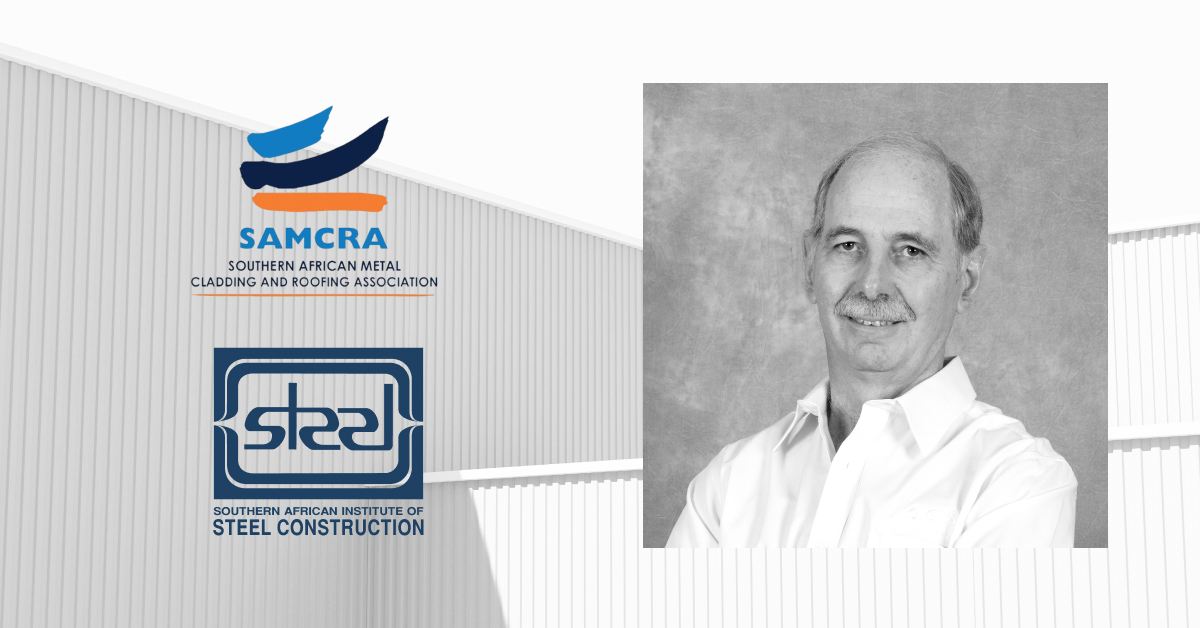
This article was written by Cuan Lynes, Senior Structural Design Engineer (PrEng MEng LLB) (DRA Global) and SAISC Board Member