



As structural design continues to advance, steel hollow sections are creating new opportunities for engineers and architects to achieve greater structural efficiency, design flexibility and architectural impact.
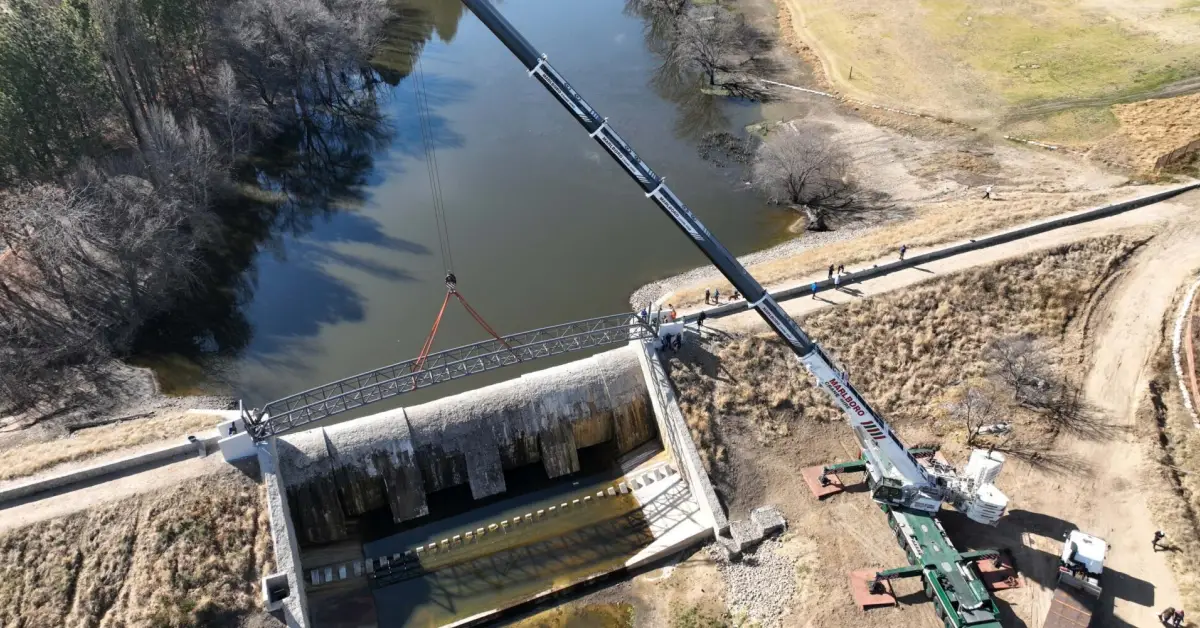
From long-span architecture and complex trusses to exposed structural elements and industrial applications, circular (CHS), square (SHS) and rectangular hollow sections (RHS) demonstrate the versatility of tubular steel and its growing contribution to modern construction.
STRENGTH THROUGH SMARTER DESIGN
One of the greatest advantages of hollow sections is their superior strength-to-weight ratio compared with traditional profiles such as I-beams or solid bars.
By placing material at the periphery of the section, hollow sections offer exceptional resistance to bending, torsion and axial compression while requiring less raw material and reducing overall structural weight.
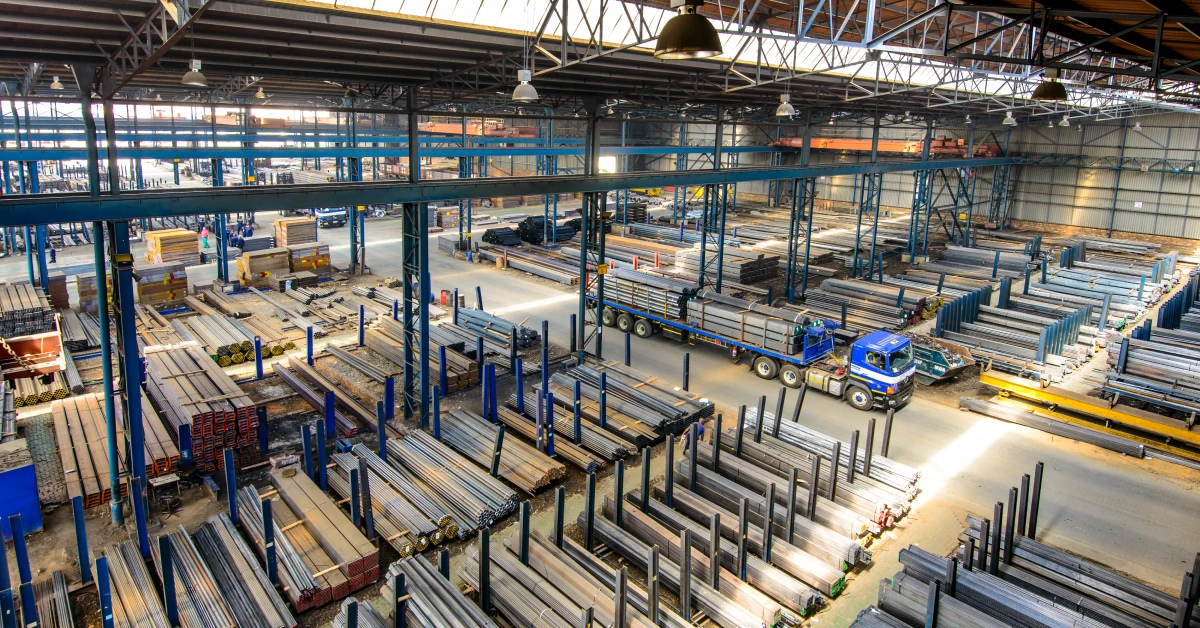
This efficiency is creating value across a wide range of applications, from long-span architecture and high-pressure energy pipelines to lightweight automotive manufacturing.
For structural engineers, the geometry of tubular sections presents further opportunities for optimisation. By combining efficient shapes with high-strength steel, engineers can decrease structural dead loads, reduce foundation sizes and maximise usable internal space.
EXPANDING ARCHITECTURAL POSSIBILITIES
The benefits of tubular steel extend well beyond structural performance.
CHS, SHS and RHS profiles combine strength and superior torsional resistance with a sleek, modern aesthetic. This gives architects and engineers the ability to create expansive, column-free spaces as well as complex and sculptural forms.
Hollow sections are particularly effective in projects featuring sweeping free-form structures, complex trusses and exposed architecture, where smooth and visually striking geometry forms part of the overall design.
In these applications, steel is no longer simply supporting the architecture, it becomes an integral part of it.
QUALITY AND COMPLIANCE MATTER
Realising the full potential of tubular steel requires careful specification and quality manufacturing.
When specifying tubular steel, engineers need to ensure that the material meets the mechanical and environmental demands of the project. Important considerations include material grade – whether carbon, mild or stainless steel – manufacturing method, including welded versus seamless products, wall thickness and dimensional tolerances.
Quality manufacturing and regulatory compliance are equally important to successful project outcomes.
Adherence to strict standards helps safeguard structural integrity, minimise costly defects, prevent legal liabilities and ensure long-term operational reliability. It also protects brand reputation and helps prevent expensive production delays.
Quality and compliance are therefore fundamental to ensuring that the performance specified on paper translates into performance in the completed structure.
MOVING BEYOND MISCONCEPTIONS
Despite the capabilities of tubular steel, misconceptions around tubular construction remain.
These often centre on perceptions that tubular steel is prone to rusting, offers limited aesthetics, or performs poorly in terms of insulation and energy efficiency. Modern engineering has rendered these concerns largely obsolete, although some myths around durability, design and performance persist.
Advances in engineering, manufacturing and design continue to broaden the possibilities for tubular construction and demonstrate its suitability across increasingly diverse applications.
LOOKING TO THE FUTURE
The future of tubular steel is expected to be shaped by greater prefabrication efficiency, sustainable “green” steelmaking and increased digital integration.
Together, these developments have the potential to enable lighter foundations, faster assembly and increasingly sleek and modern architectural designs.
As digital design and manufacturing capabilities continue to develop, engineers will also have greater opportunities to optimise tubular structures and take advantage of their inherent structural efficiency.
RECOGNISING EXCELLENCE AND BUILDING THE INDUSTRY
As sponsor of the Tubular Category at the SAISC Steel Awards 2026, ASTPM sees recognising excellence as an important investment in the future of the steel industry.
Awards platforms help drive innovation, promote sustainability and showcase the engineering capabilities of local sectors. They also create a lasting legacy of industry achievements while encouraging collaboration across the steel value chain.
The Steel Awards provide an opportunity to recognise the projects, people and technical expertise demonstrating what steel – and tubular steel in particular – can achieve.
By recognising excellence, the industry celebrates current achievement while inspiring the innovation, quality and capability that will shape its future.

Tubular Steel Category Sponsor
ASTPM
As sponsor of the Tubular Category, ASTPM supports the advancement of innovative structural solutions while promoting quality manufacturing and technical excellence within the sector.
Their involvement reflects a commitment to showcasing the versatility and growing importance of tubular steel within modern construction.