



Steel is often recognised by its composition, mechanical properties, and compliance with specifications. The quality of steel directly impacts the safety, durability, and performance of the end products. Quality control in steel production aims to identify and rectify issues that could compromise these factors. However, one of the most influential factors in determining whether steel ultimately performs as intended lies beyond the mill: the supply chain. Logistics plays a central role within the steel value chain, bridging production and end-use, yet it is frequently overlooked when quality is discussed.
From the moment steel leaves the production facility, it enters a complex network of handling, storage, and transportation processes. Each of these stages introduces variables that can either preserve or compromise material integrity. While mills may produce steel to exacting standards, poor logistics practices can erode that quality before the material even reaches fabrication or installation. Consider what materials the steel is exposed to during transportation and/or storage. These conditions can initiate rust and other defects that compromise fabricator workmanship.
Recognising logistics as a critical component of quality management is essential. It is not merely a support function but an active contributor to the overall performance and reliability of steel in real-world applications. Logistics has continuous access to material throughout its movement, and when logistics providers understand the required quality standards, they are well positioned to prevent substandard steel from entering the market.
Steel quality in practice
There are five prevalent quality control issues in steel production: dimensional inaccuracies, inconsistent chemical composition, poor weldability, mechanical property variations, and surface defects.
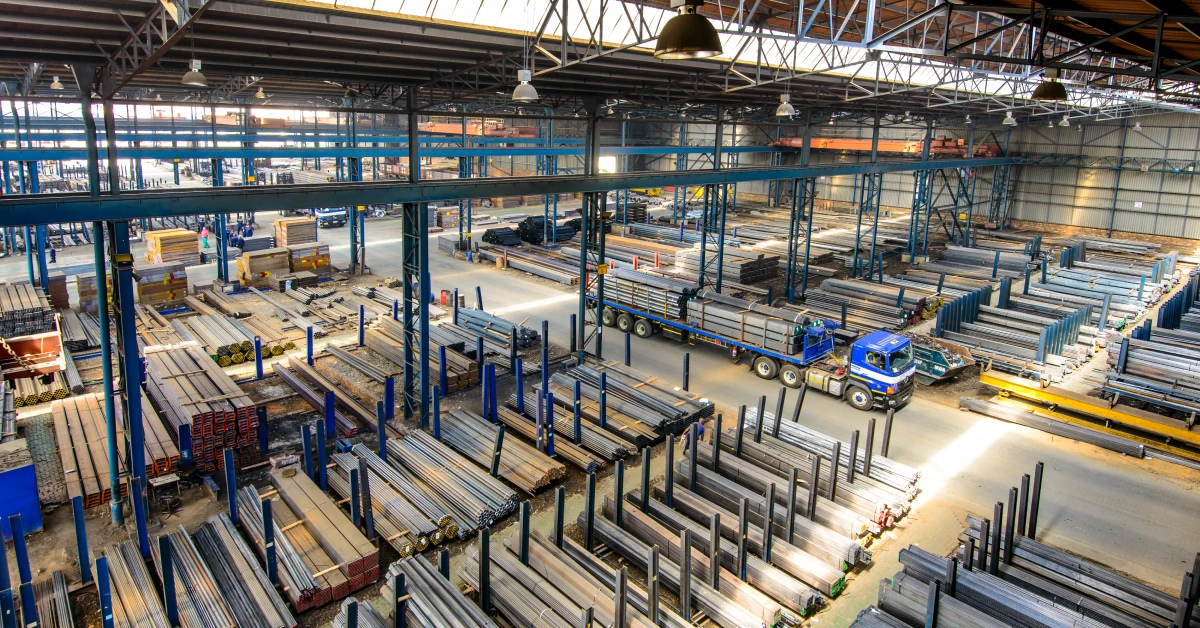
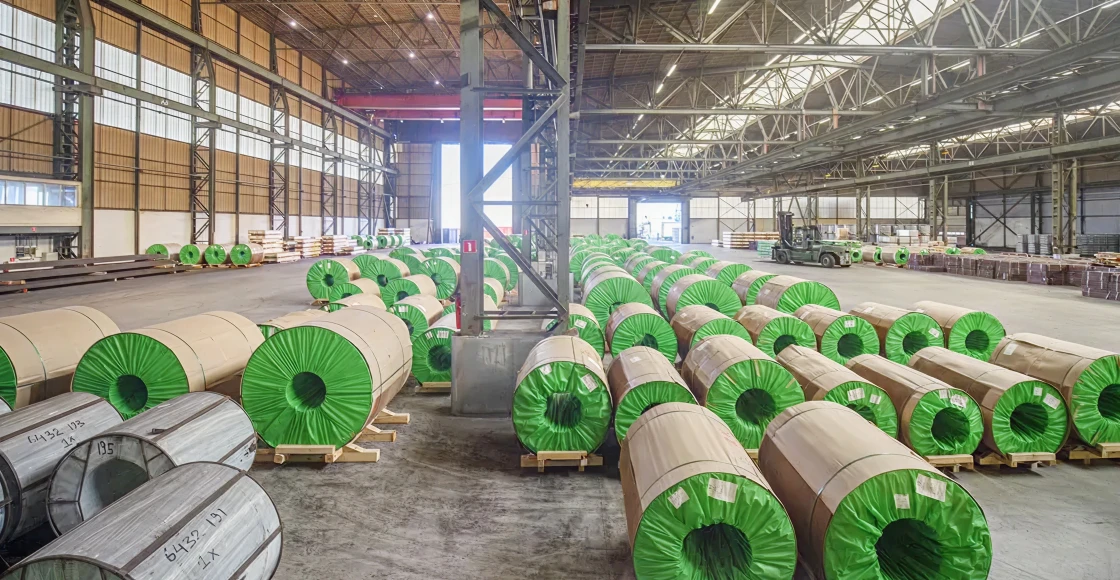
In practice, steel quality is highly sensitive to how it is handled throughout the supply chain. Improper handling equipment, techniques, inadequate packaging, and rough handling can lead to surface defects such as dents, bends, and rust. For certain applications, particularly in structural or precision manufacturing contexts, such imperfections can render material unusable or require costly rework.
Storage conditions are equally important. Exposure to moisture, corrosive environments, or fluctuating temperatures can result in oxidation or degradation. Even short-term storage in unsuitable conditions can initiate surface corrosion, which may affect downstream processes such as welding, coating, or machining.
Transportation introduces additional risks. Vibration, shifting loads, and insufficient securing methods can cause mechanical damage during transit. Contamination is another concern; steel transported alongside incompatible materials may be exposed to chemicals, debris, or residues that compromise its surface or structural properties.
Delays within the supply chain also play a role in quality. Extended transit or storage times increase exposure to environmental risks and can disrupt project timelines, forcing stakeholders to make rushed decisions that may compromise quality assurance processes.
Traceability and accountability
One of the most critical risks in logistics is misidentification of material. Without proper labeling and segregation, different grades or specifications of steel can be mixed. This can lead to incorrect material being used in fabrication, with potentially serious consequences for safety and compliance.
Maintaining traceability throughout the steel supply chain is fundamental to ensuring quality and accountability. Documentation such as mill test certificates, delivery notes, and inspection records provides a verifiable link between the material and its origin, specifications, and handling history (Survey Reports at origin, port of entry and at storage facilities).
Effective tracking systems enable stakeholders to monitor the movement and condition of steel at each stage of the journey. This includes identifying where the material has been stored, how it has been handled, and who has been responsible for it. A clear chain of custody not only supports quality control but also facilitates rapid response in the event of defects or non-conformance.
Regional logistics providers operating across multiple African corridors and markets are uniquely positioned to maintain visibility and control over the entire cargo journey, from mill to end-customer, enabling them to enforce quality standards consistently and transparently.
Accountability within the supply chain is strengthened when all parties understand their responsibilities and operate within a transparent framework. This reduces the likelihood of errors, improves communication, and ensures that quality is maintained consistently from production to final use.
Supporting project confidence
Strong logistics practices contribute significantly to project confidence. For fabricators, engineers, and end clients, the assurance that steel will arrive in the correct condition, at the right time, and with full documentation is critical to planning and execution.
When logistics processes are well-managed, the risks associated with damage, delays, and misidentification are minimised. This reduces the need for inspections, rework, and contingency measures, allowing projects to proceed more efficiently and predictably.
There is a direct link between logistics, quality assurance, and project outcomes. Reliable delivery of high-quality material supports accurate fabrication, safe construction, and long-term performance. Conversely, weaknesses in the supply chain can introduce uncertainties that undermine confidence and increase costs.
By integrating logistics into broader quality management strategies, organisations can create a more resilient and dependable value chain. This holistic approach ensures that quality is not only achieved at the point of production but preserved throughout the entire lifecycle of the material.
Looking ahead
As the steel industry continues to evolve (shifting toward sustainability, technology, resilience, and smarter supply chains), there are clear opportunities to strengthen collaboration across the value chain. Improved communication between producers, logistics providers, fabricators, and clients can help align expectations and establish shared standards for handling and transportation.
Technology will play an increasingly important role. Digital tracking systems, real-time monitoring, and data integration can enhance visibility and enable proactive management of risks. These tools support more informed decision-making and facilitate continuous improvement in logistics practices.
There is significant scope for logistics providers to anchor quality assurance throughout the supply chain. By elevating logistics into governance and compliance frameworks, industry bodies can create accountability mechanisms that benefit all stakeholders.
Practical considerations
Moving toward a regulated quality framework in Southern African steel logistics would establish minimum standards for handling, storage, and traceability. This benefits the entire ecosystem and provides competitive advantage to experienced logistics partners with compliance capability and proven systems.
In practical terms, organisations should evaluate their logistics processes with the same rigour applied to production and fabrication. This includes assessing handling procedures, storage conditions, transportation methods, and documentation systems.
Effective custodianship requires more than logistics; it demands sector expertise, trained personnel, and proven systems. Logistics providers who invest in deep steel sector knowledge and compliance become partners in quality, not commodities.
By bringing logistics into the conversation on quality, the industry can move toward a more integrated and reliable approach, one that recognises that steel quality is not only made in the mill but maintained every step of the way.