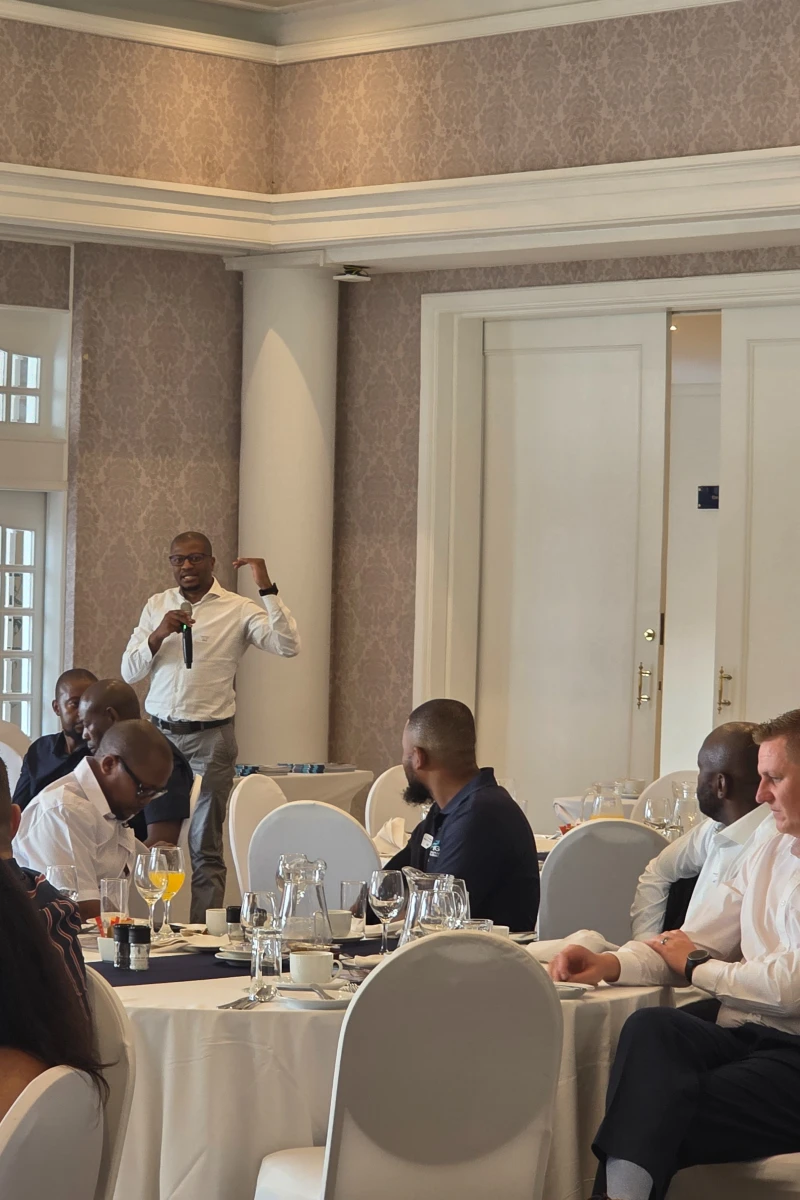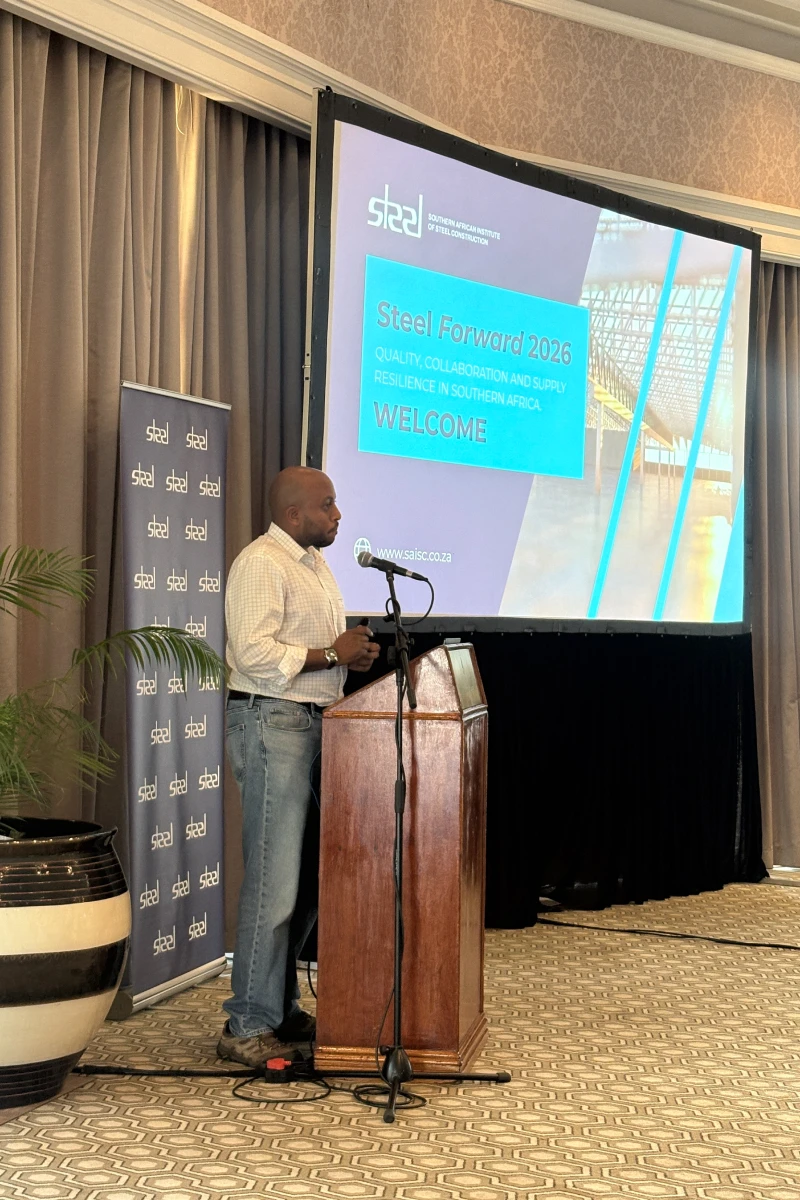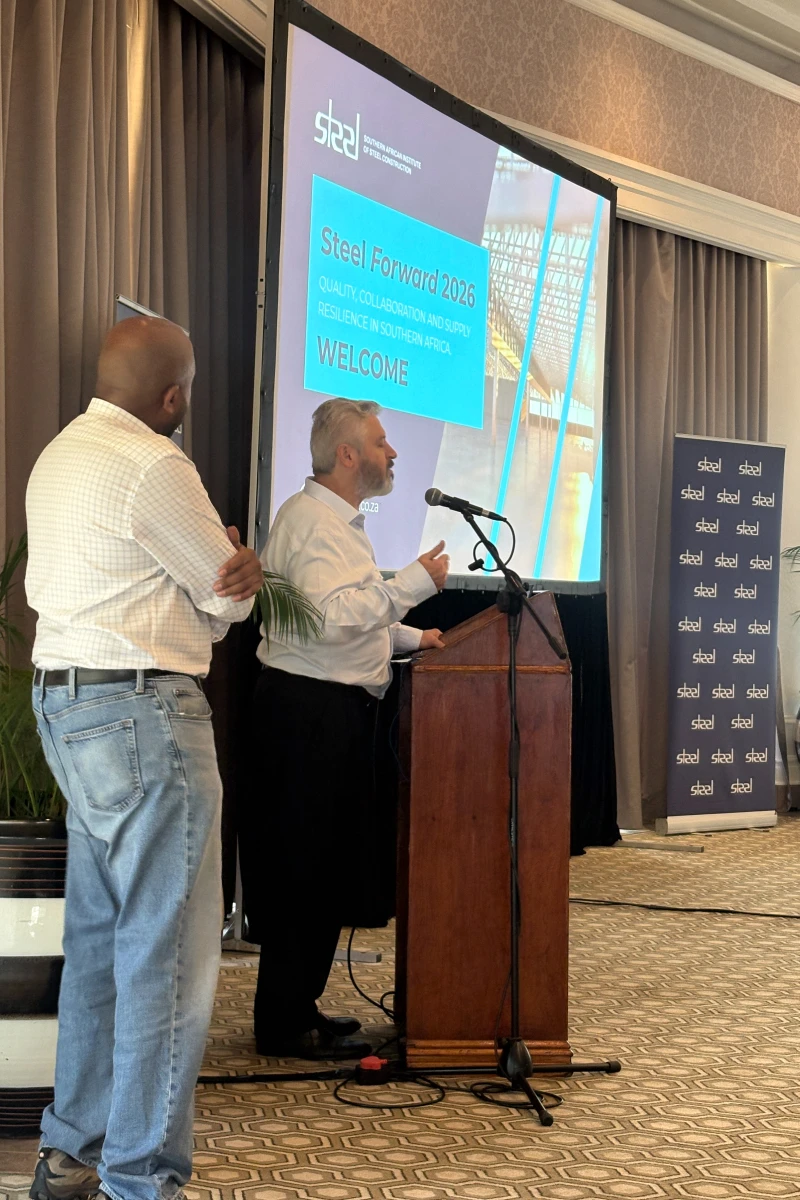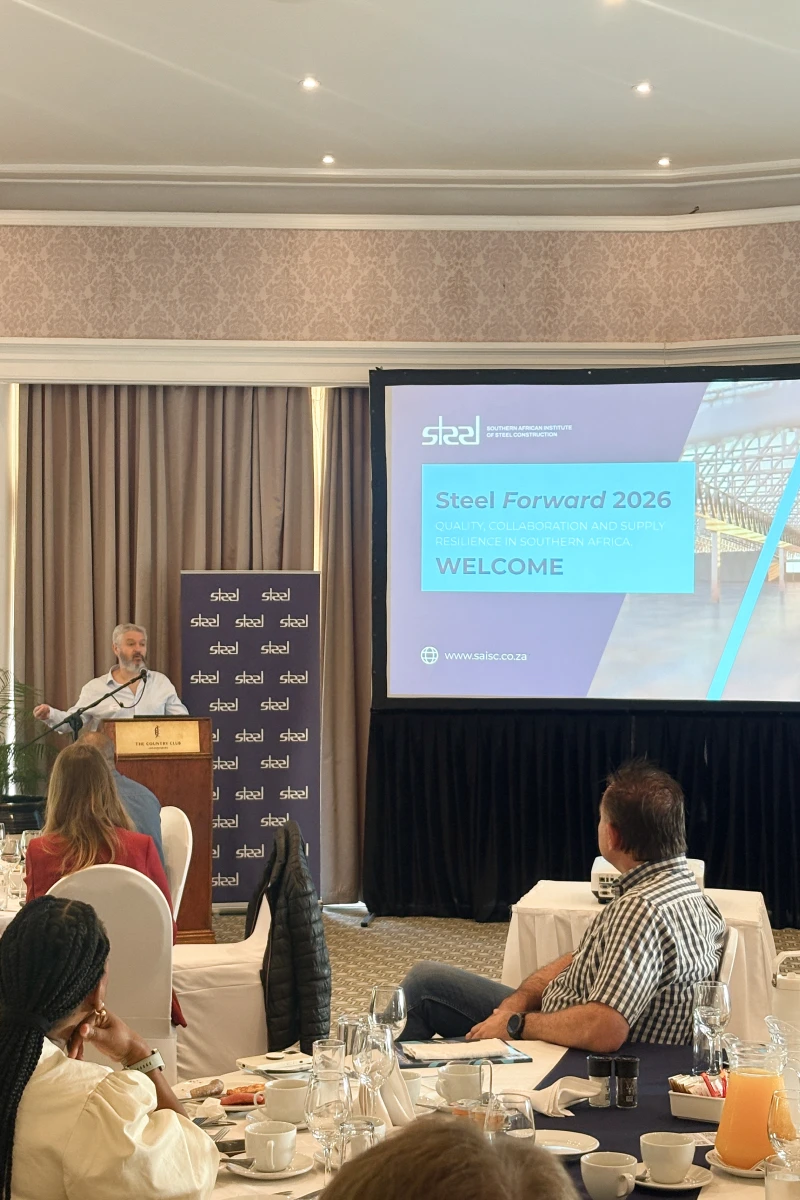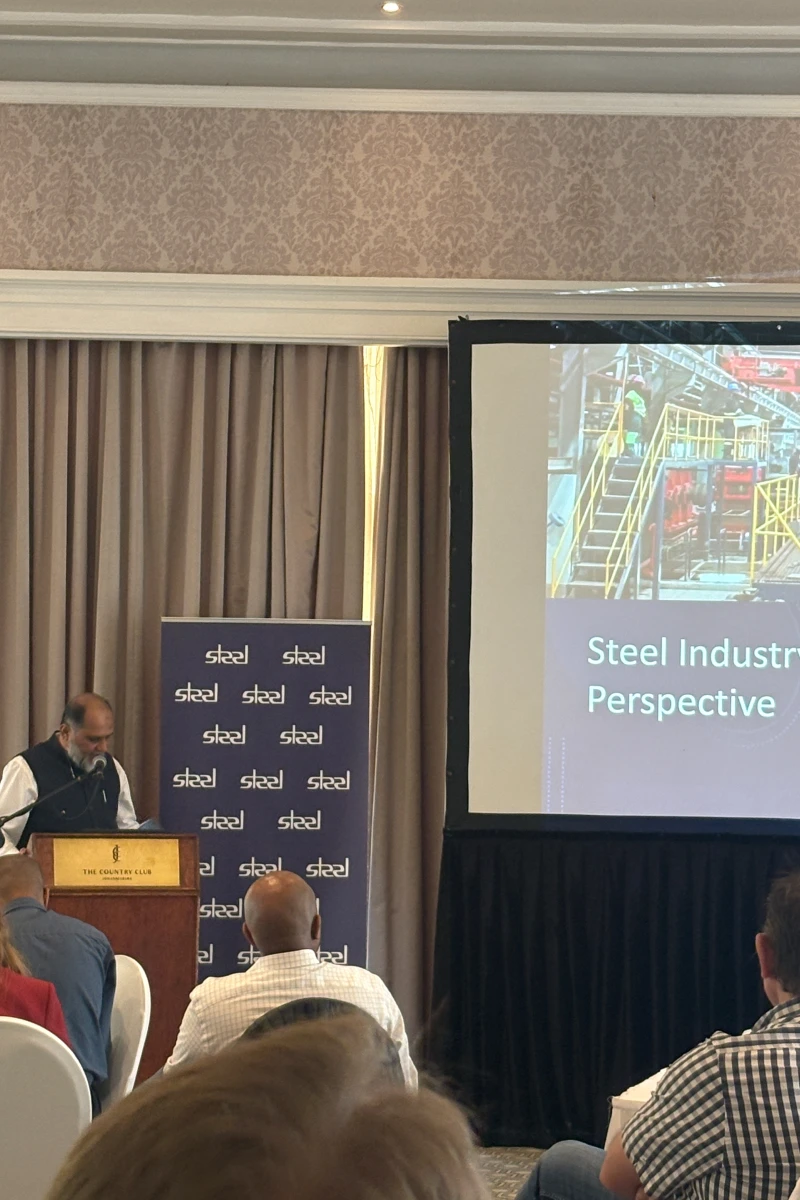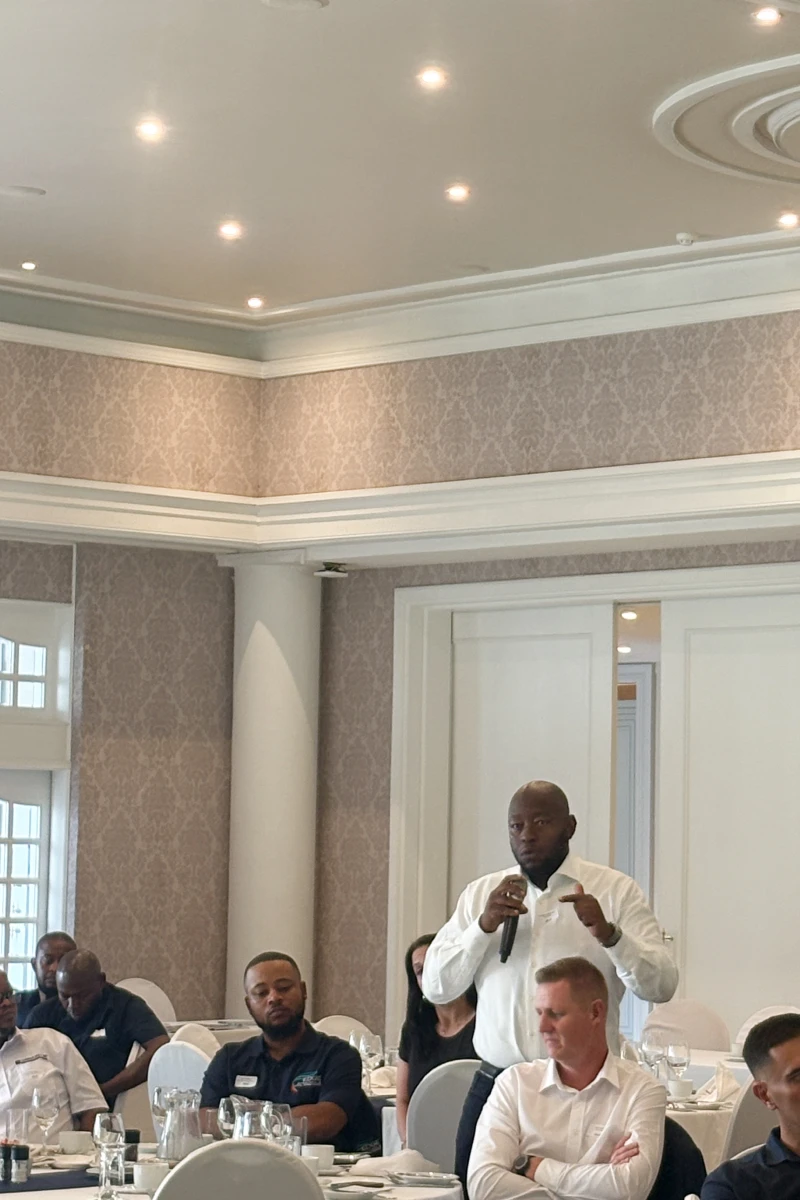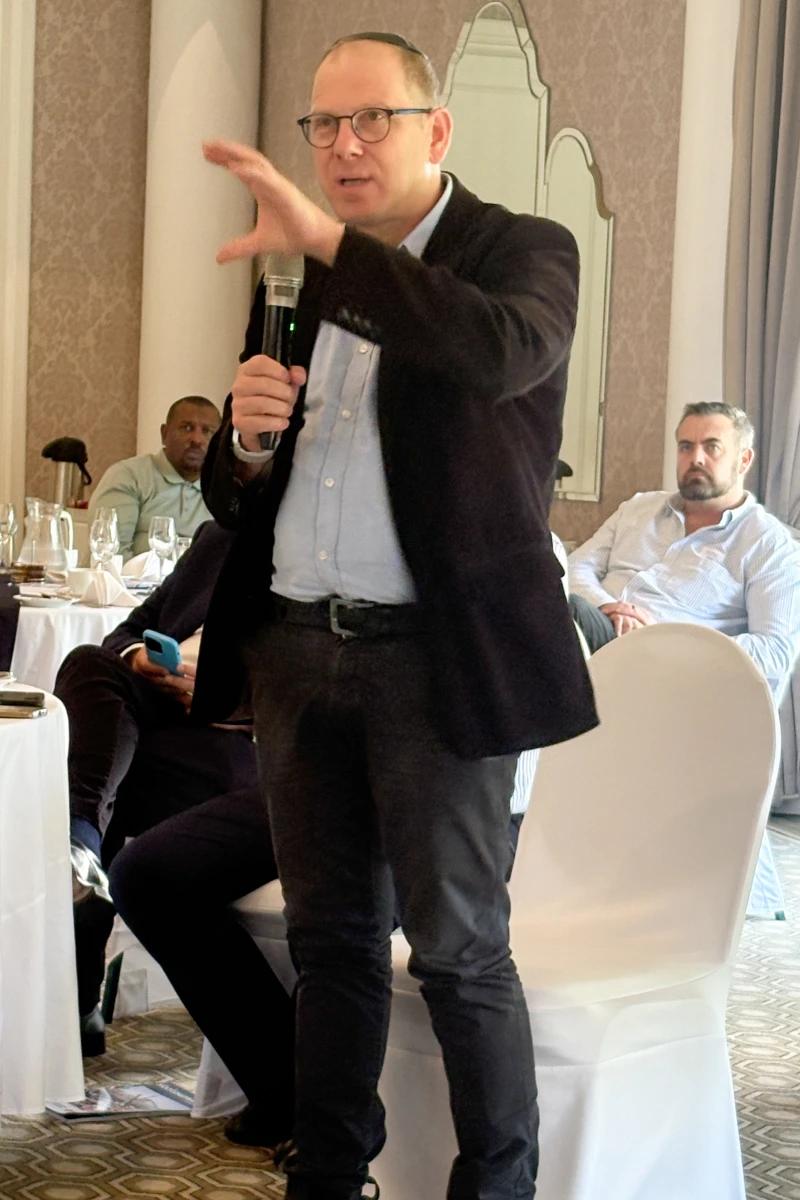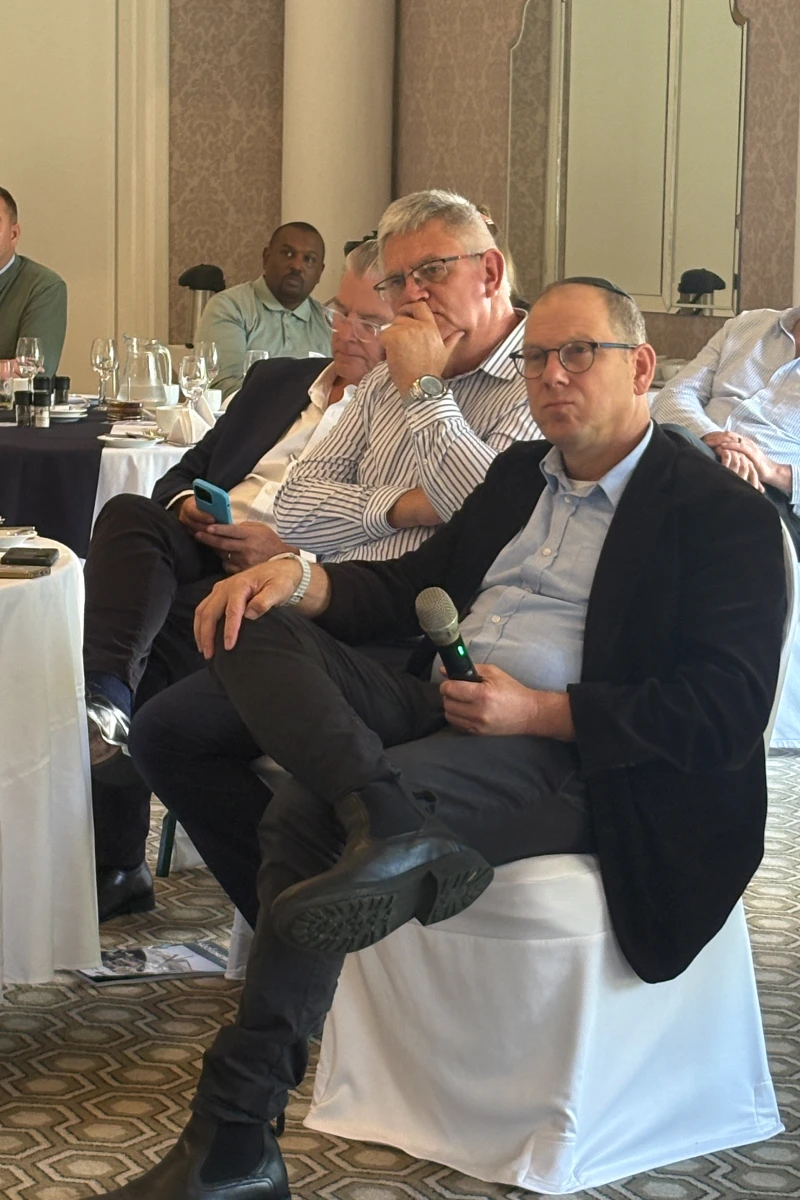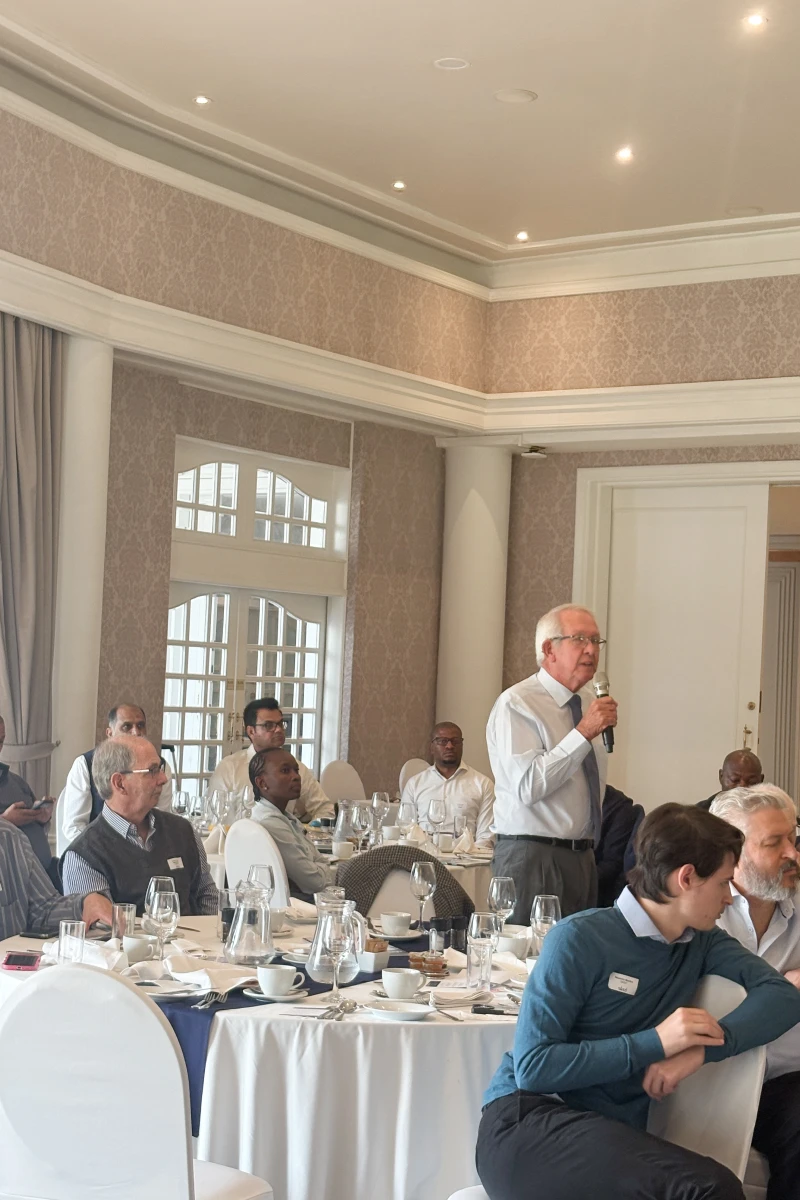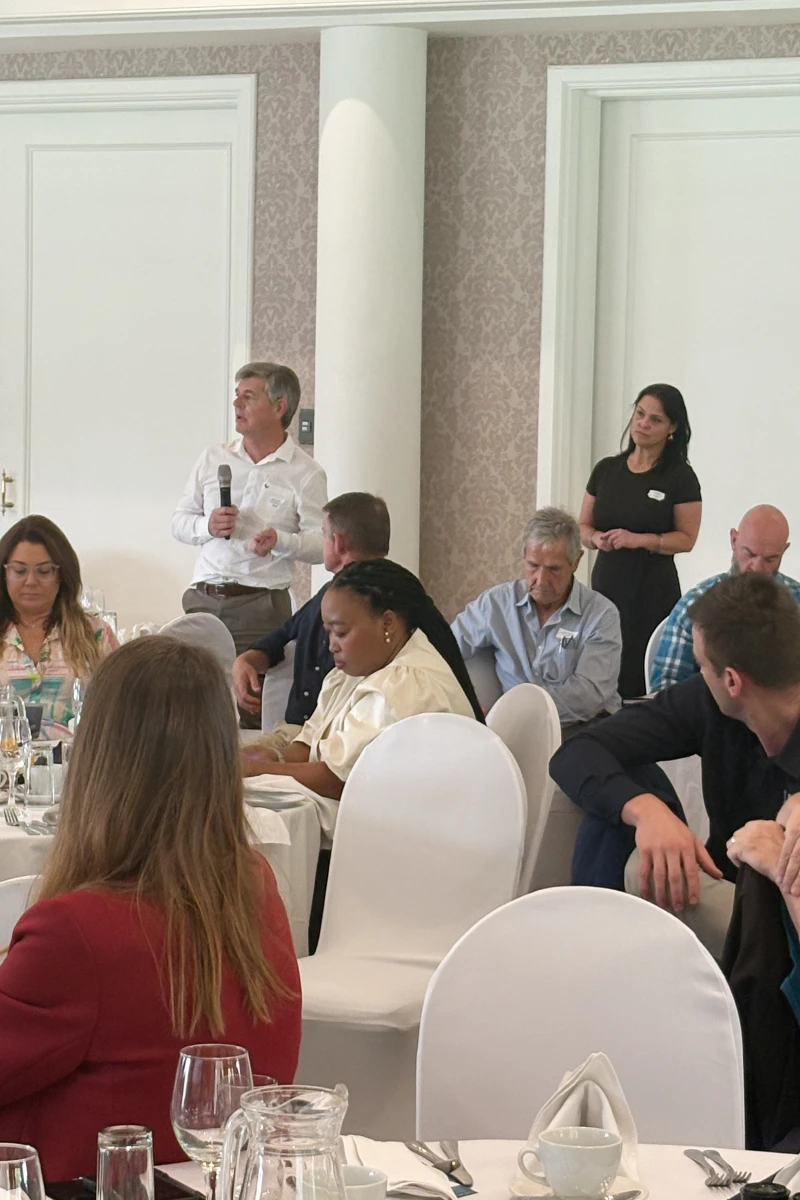


When you are standing in a cage suspended two kilometres underground, held by a series of beams, bolts and welds, the meaning of steel quality stops being abstract. That was the image Cuan Lynes, Senior Structural Design Engineer at DRA Global, placed before a room of industry professionals at this year’s first Steel Forward JHB Breakfast, and it set the tone for everything that followed.
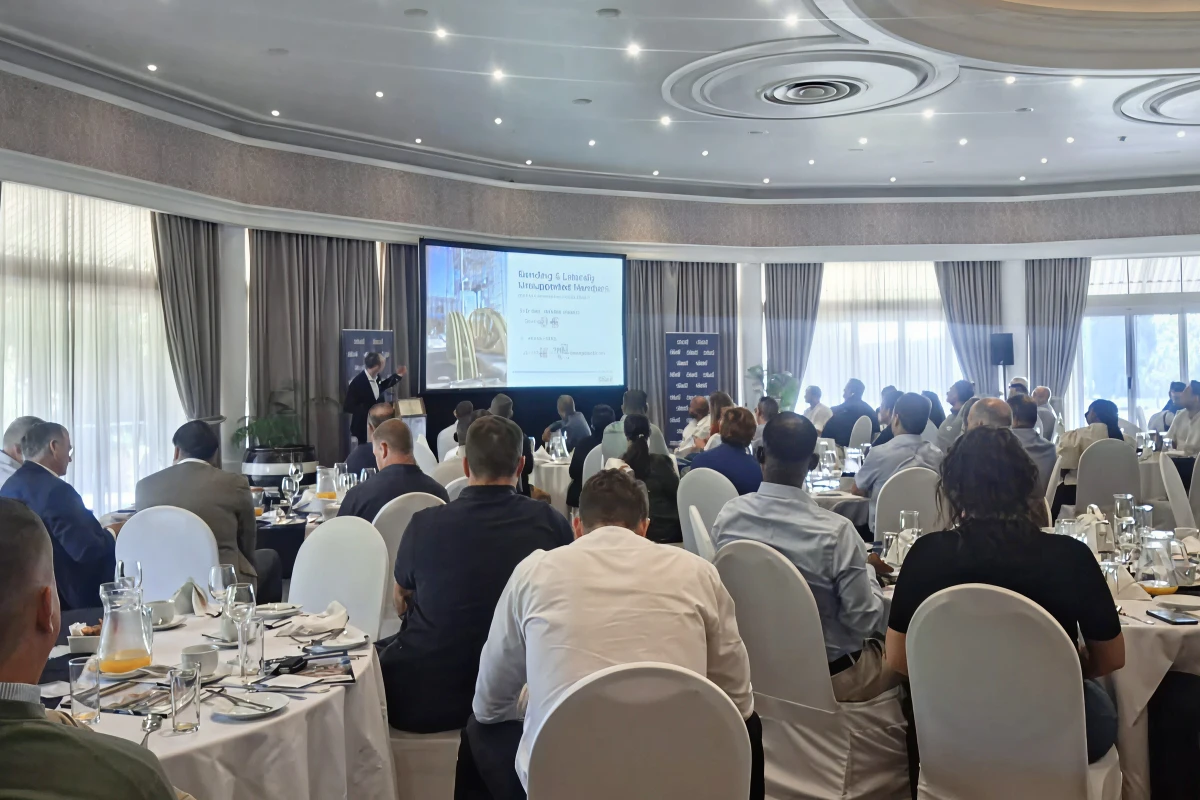
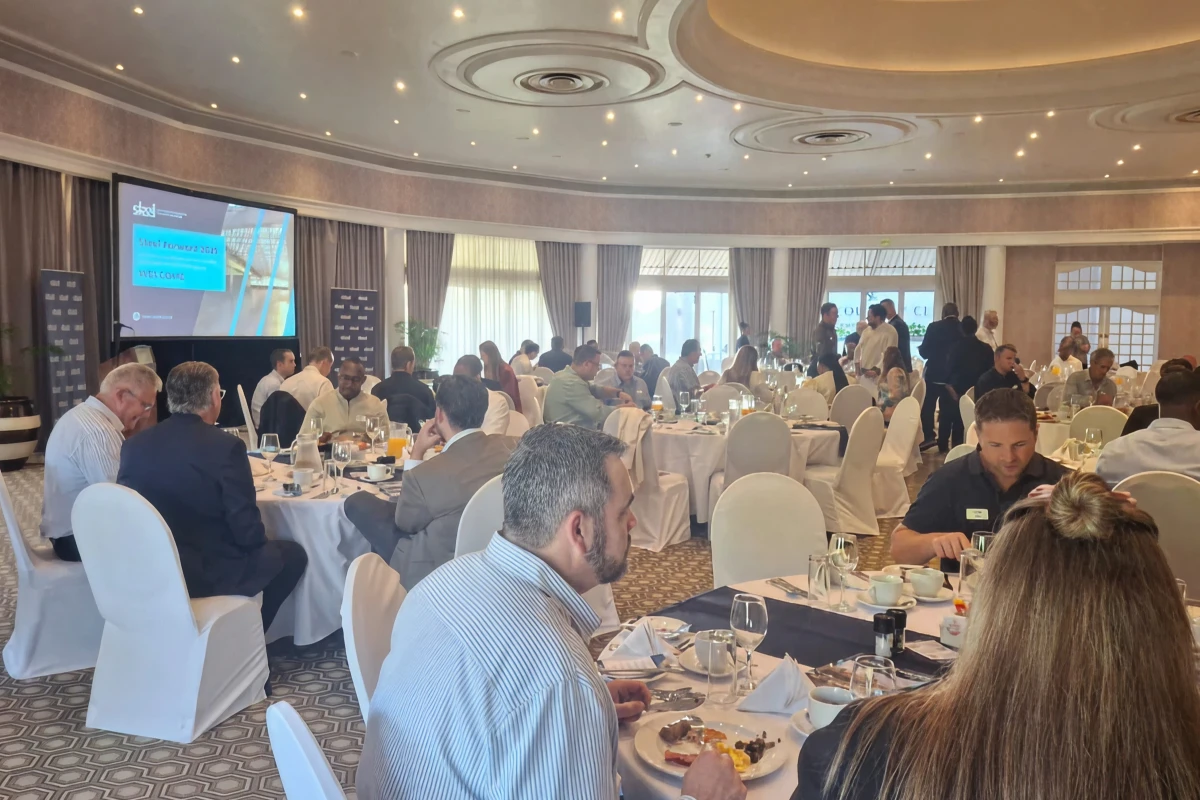
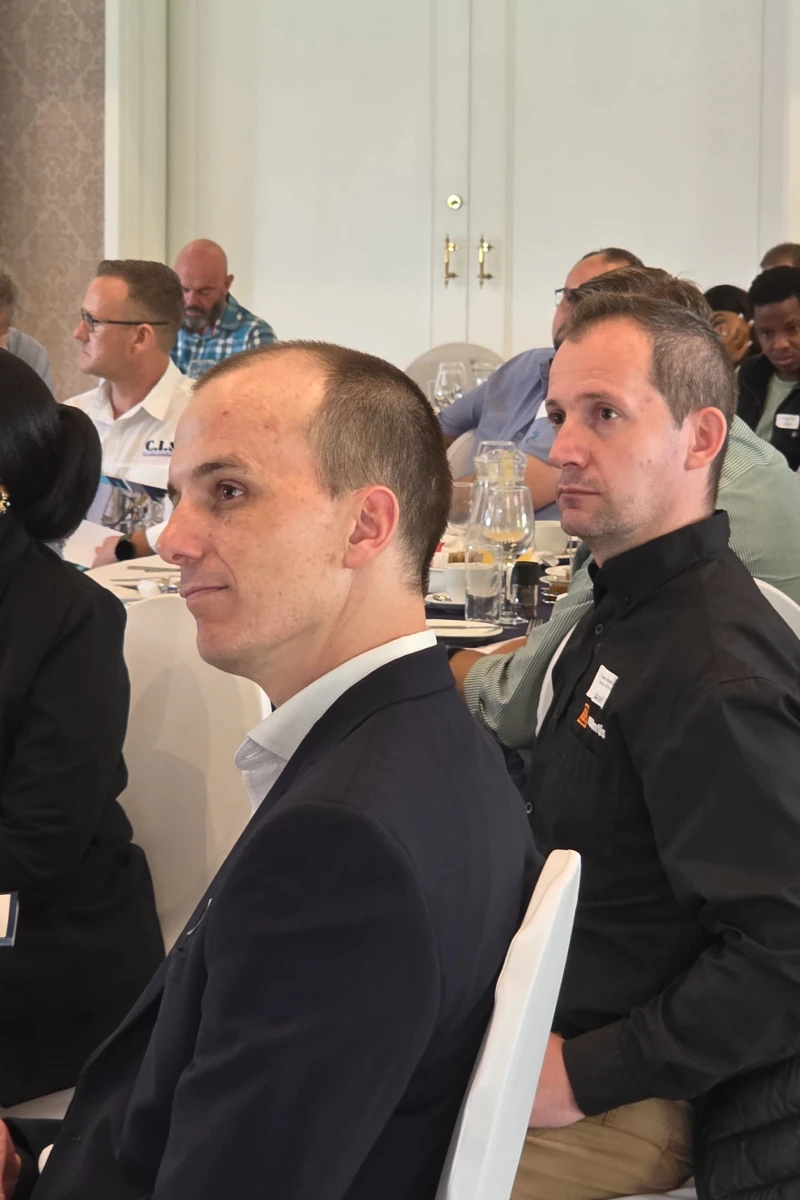
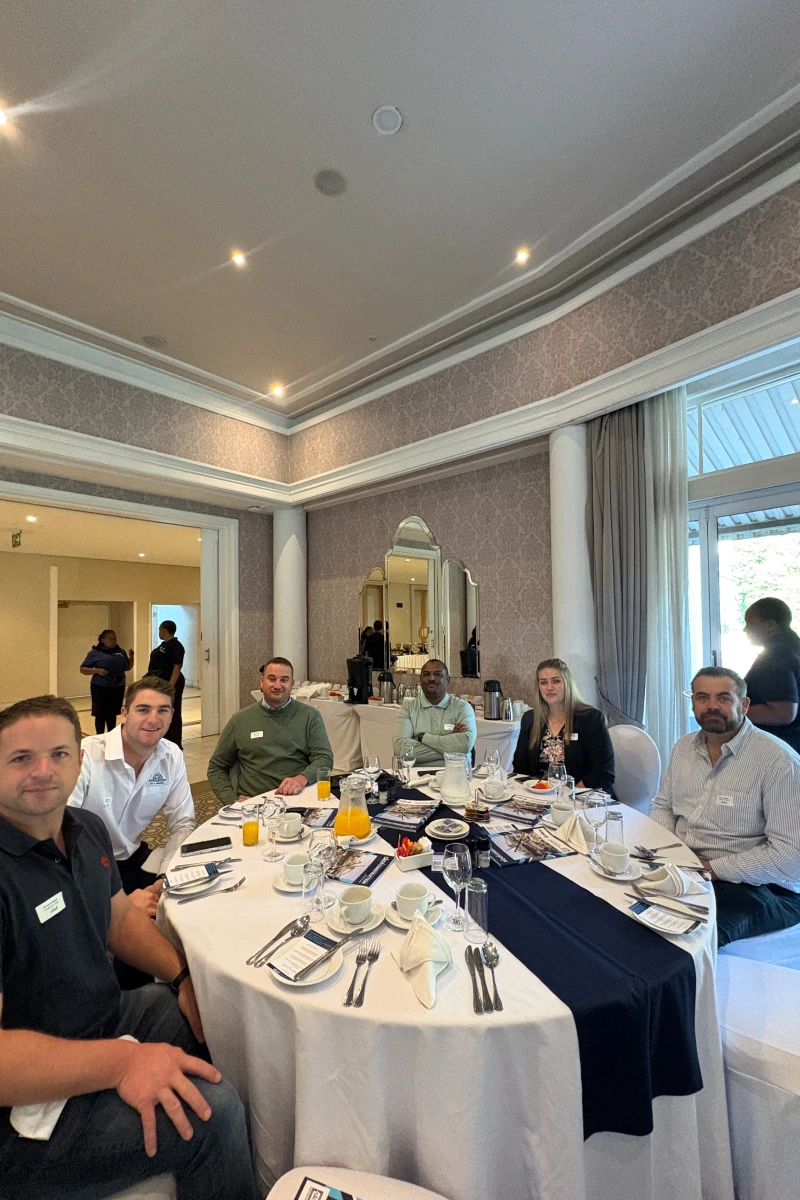
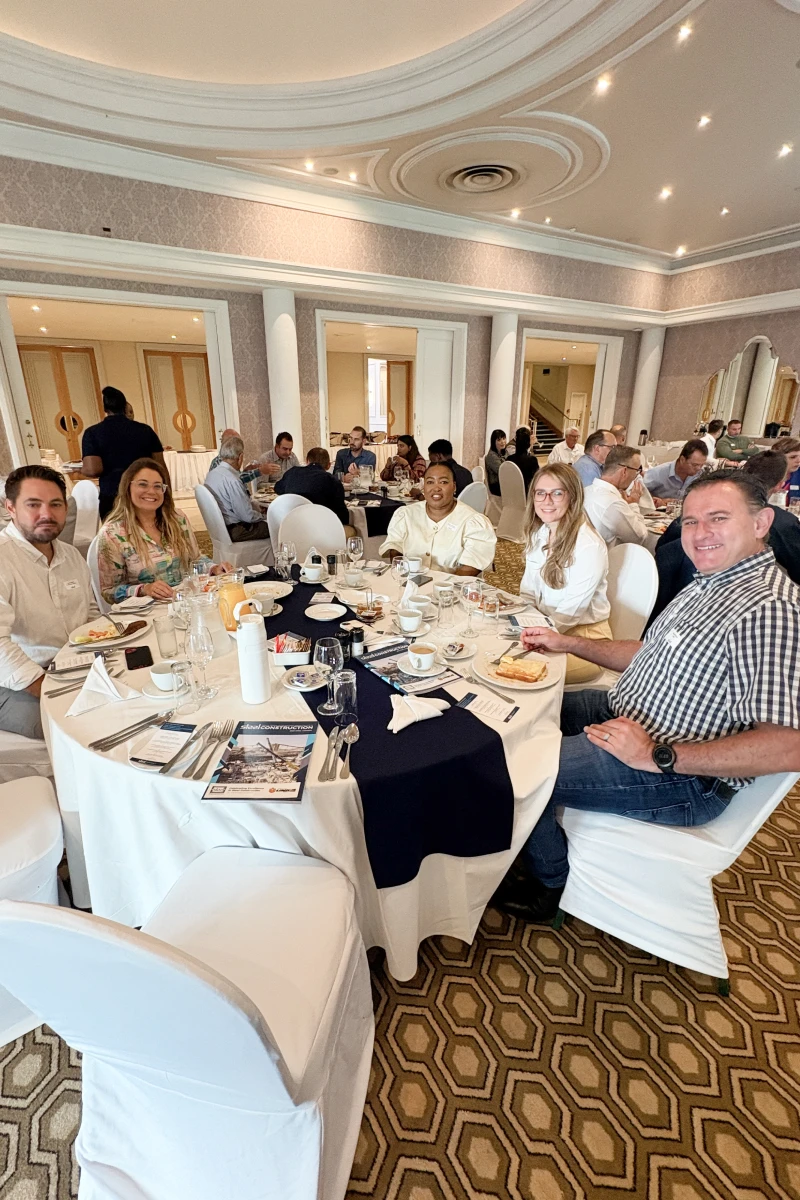
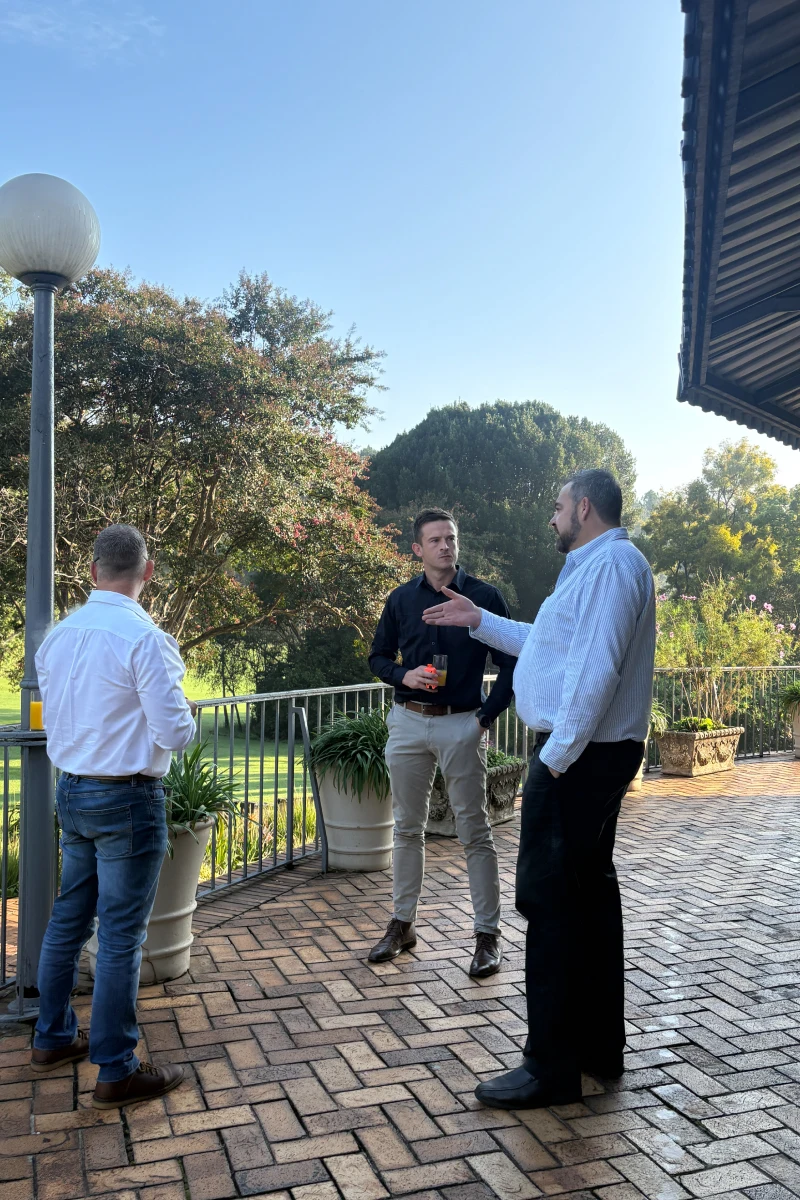
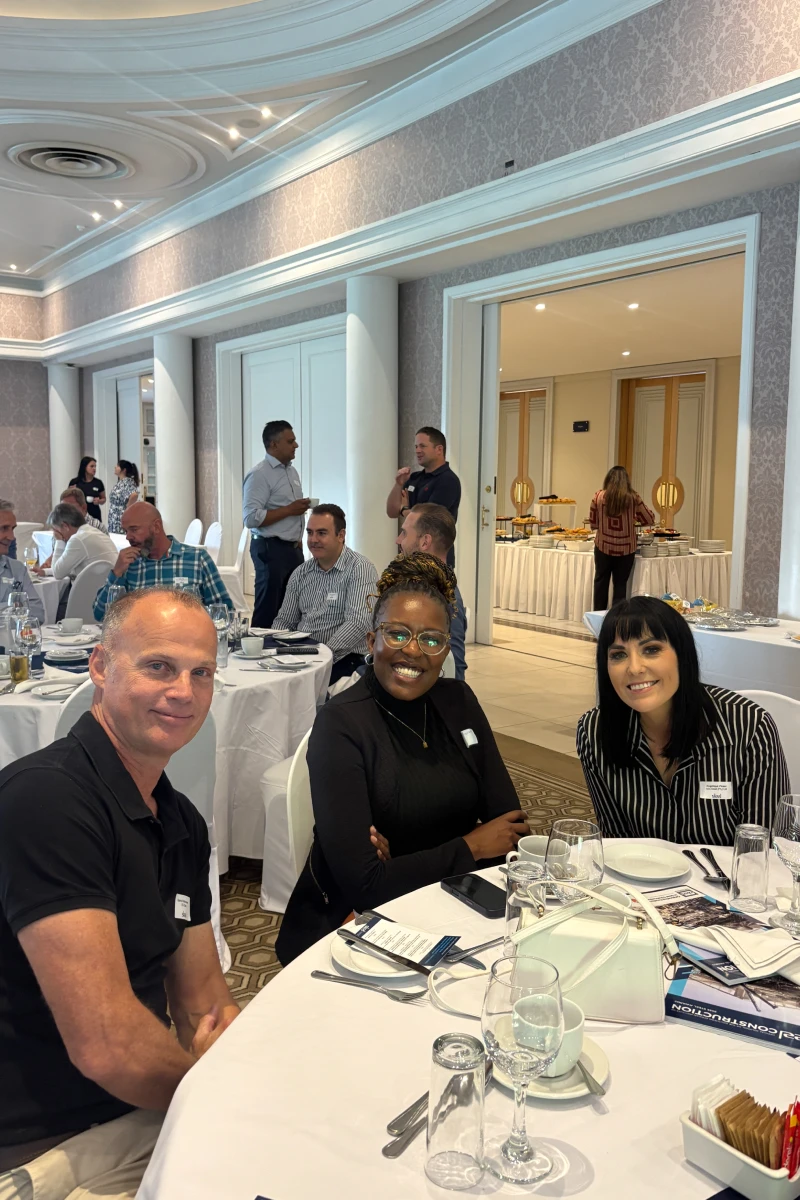
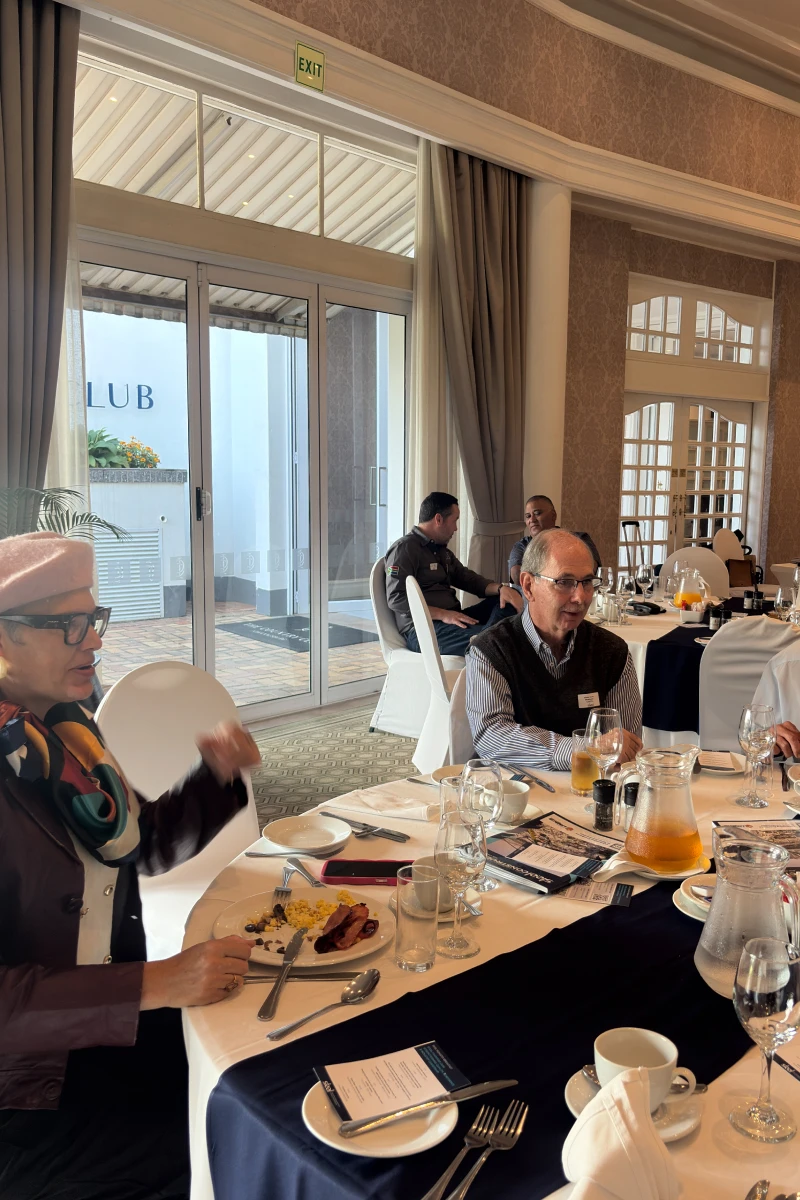
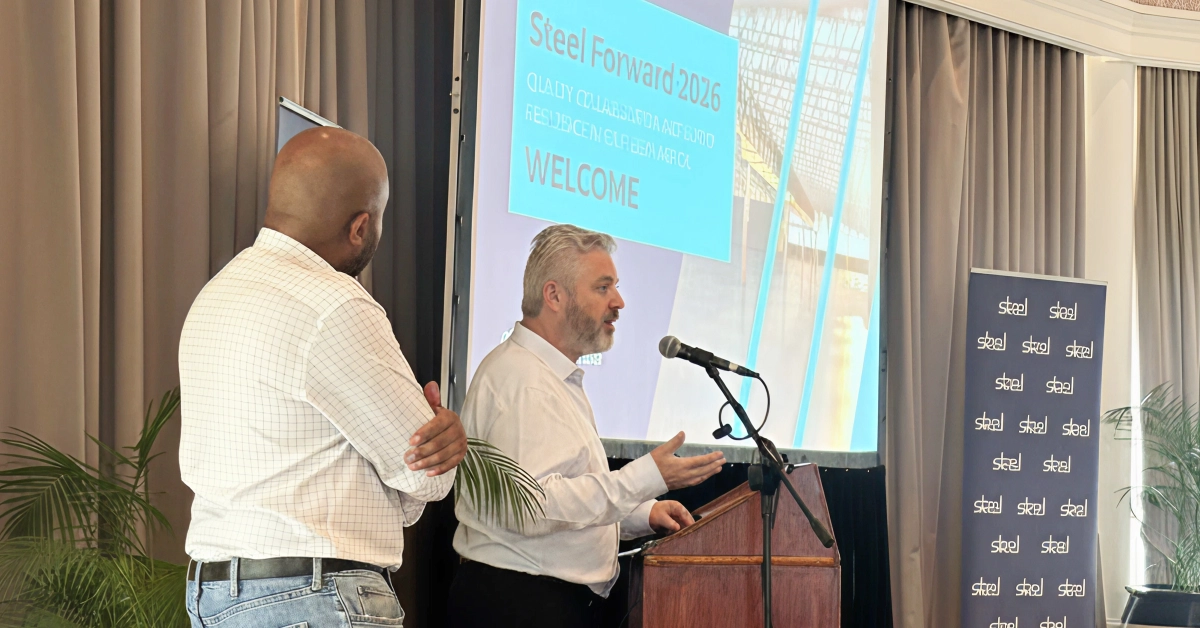
Hosted by the Southern African Institute of Steel Construction (SAISC) at the Johannesburg Country Club, the event brought together engineers, fabricators, merchants, mill representatives and industry bodies for an intense conversation on steel quality in South Africa and the work underway to strengthen confidence across the supply chain. At the centre of that work is the SAISC’s newly launched Material Quality Certification Programme, which is a structured initiative to establish minimum quality standards, a register of certified suppliers, and a measurable commitment to traceability at every stage of the steel value chain.
Why quality matters to the structural engineer
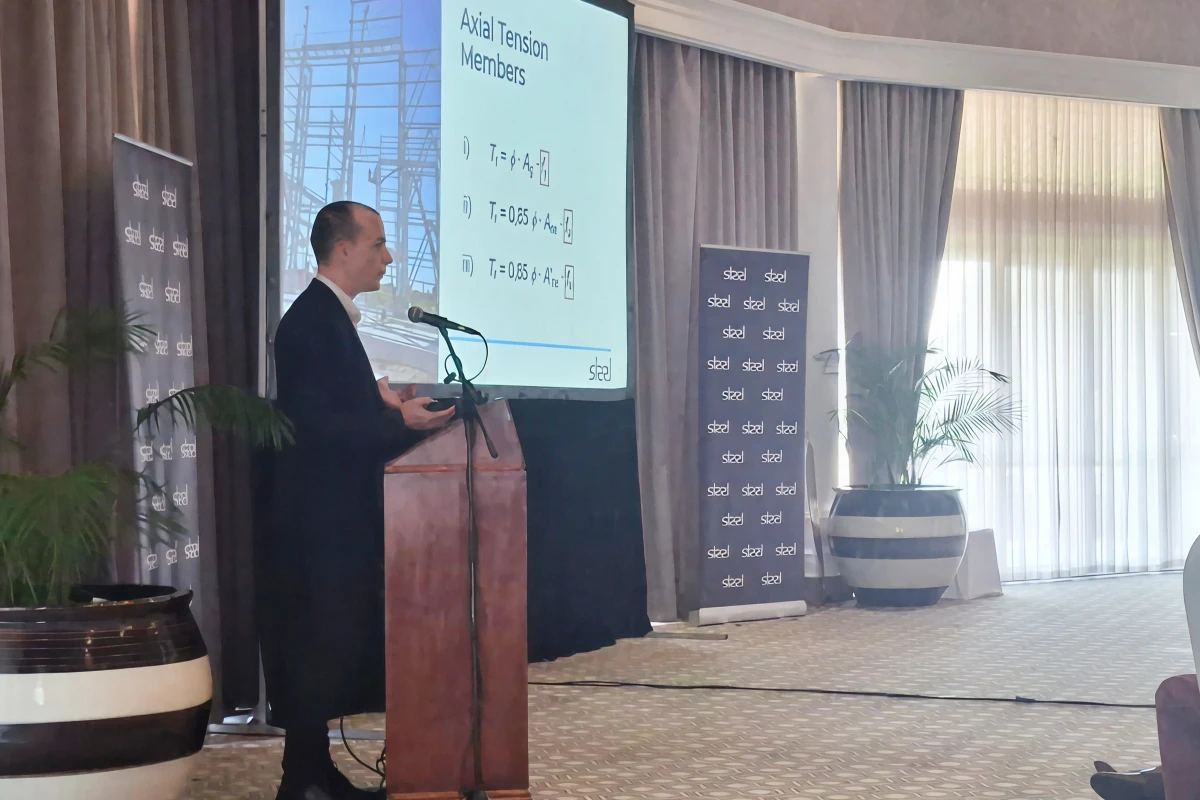
Cuan Lynes, who specialises in the design of mineral processing plants for the mining sector, spoke about the daily pressures facing structural engineers: budget constraints, constant design changes, and the expectation that a standard specification note, “all steelwork to comply with S355JR”, is sufficient to guarantee performance. Increasingly, he said, it is not. His practice regularly receives photographs from workshops showing cracked welds and fractured plates, despite mill certificates that appear to indicate full compliance.
The concern is fundamental. Structural design under SANS 10162 is built on defined assumptions about how steel will behave including its ductility, toughness and yield characteristics. When material does not meet those assumptions, the factors of safety built into the code offer no protection. “It comes down to trust,” Lynes said. “Trust in the weld, trust in the bolts, trust in the material, so that we have an end product our clients can stand by.”
The fabricator’s reality
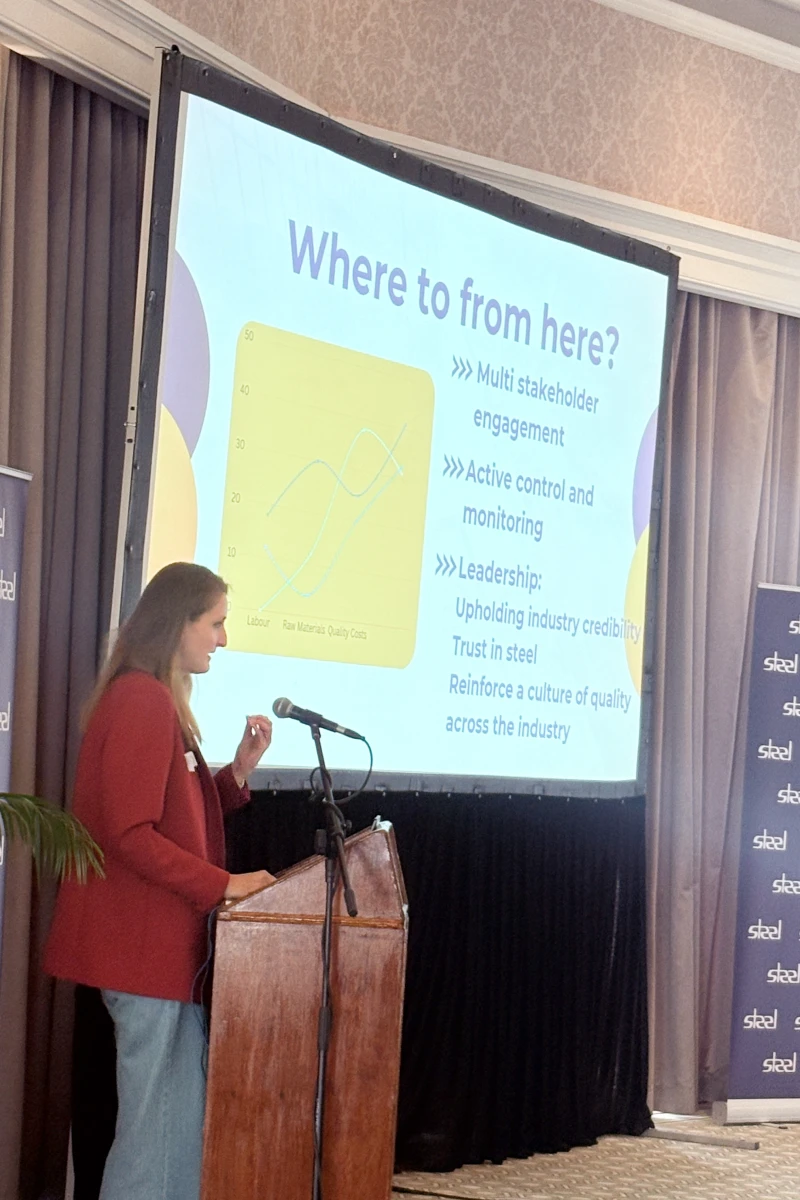
Nicolette Skjoldhammer, CEO of Betterect and SAISC chairwoman, brought the operational reality into sharp focus. Betterect works predominantly in the mining sector, where quality requirements are among the most stringent in the industry. Her account of receiving damaged material on a 500 tonne project, discovered weeks after delivery, with delay penalties already accruing, illustrated the compounding cost of quality failures that happen upstream but land on the fabricator.
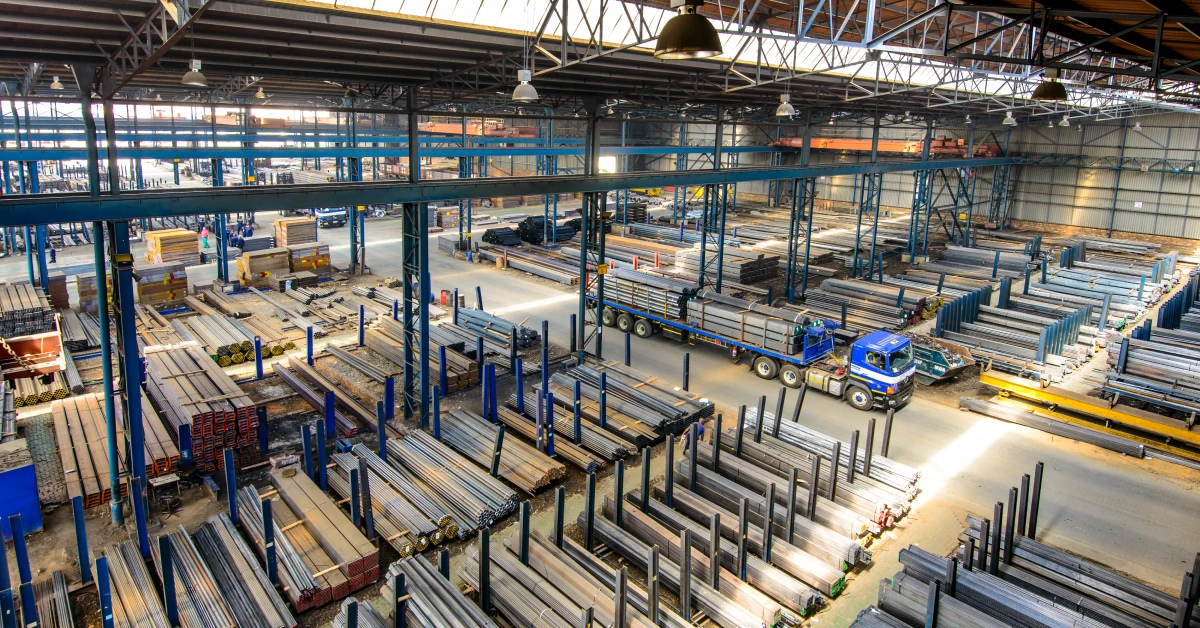
She described plates that require squaring before production can begin, beams that must be manually straightened with torches before drilling, and the hidden impact of excessive surface rust on paint adhesion and primer consumption. She challenged the room to understand that chemical compliance is not the same as mechanical compliance. Steel that meets its carbon content but lacks the required toughness can still fail catastrophically in a structural application.
“The risk doesn’t go away,” she said. “It just gets passed down the supply chain until someone can’t absorb it anymore. Pay now, or pay a great deal more later.” Her conclusion was clear: quality is predictability, predictability is productivity, and productivity is profit.
The merchant as confidence enabler
Bruce Saxby of BSI Steel addressed the merchant’s role which sits at the critical juncture between mill and fabricator, and carrying responsibilities that are often underappreciated. He outlined a tiered framework for qualifying import mills, from large state-backed producers with international certification through to smaller, scrap-dependent operations where quality consistency is harder to guarantee. The distinction, he argued, cannot be made from a test certificate alone. It requires documented mill audits and approved-supplier lists.
Saxby also raised the status of the test certificate itself. It is a legal document, and altering one constitutes fraud, yet it happens. BSI Steel has responded by introducing systematic random testing of incoming material, a control that has already identified abnormalities from specific suppliers. His core message: merchants cannot guarantee steel, but they can verify it. Communication, technical knowledge and early involvement in projects are the foundations of a trustworthy merchant relationship.
The mill’s commitment to process
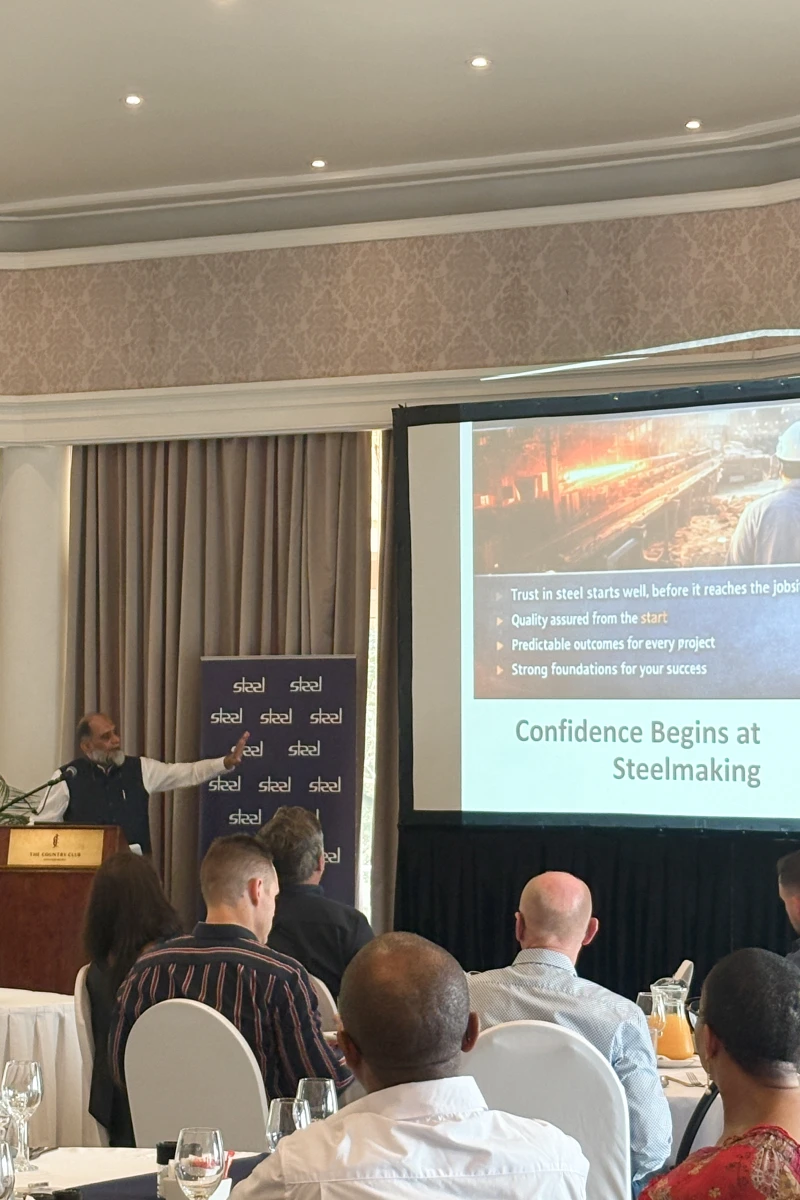
Mohammed Asif Qasim, Managing Director of UNICA Iron and Steel, made the case that consistent quality is fundamentally a product of process control, not raw material inputs. For a scrap-based producer, the variability of feedstock is a given. The response is investment in refining units, degassing processes, accredited laboratories, automated temperature controls, and real-time spectrometer monitoring visible across both production and quality teams.
UNICA is also expanding its capability, with a new medium-to-heavy section mill under installation and a longer-term move into direct reduced iron production that will shift the input balance towards a more consistent feedstock. “We are not just selling steel,” Qasim said. “We are delivering assurance, reliability and peace of mind.”
Industry discussion: supply, standards and accountability
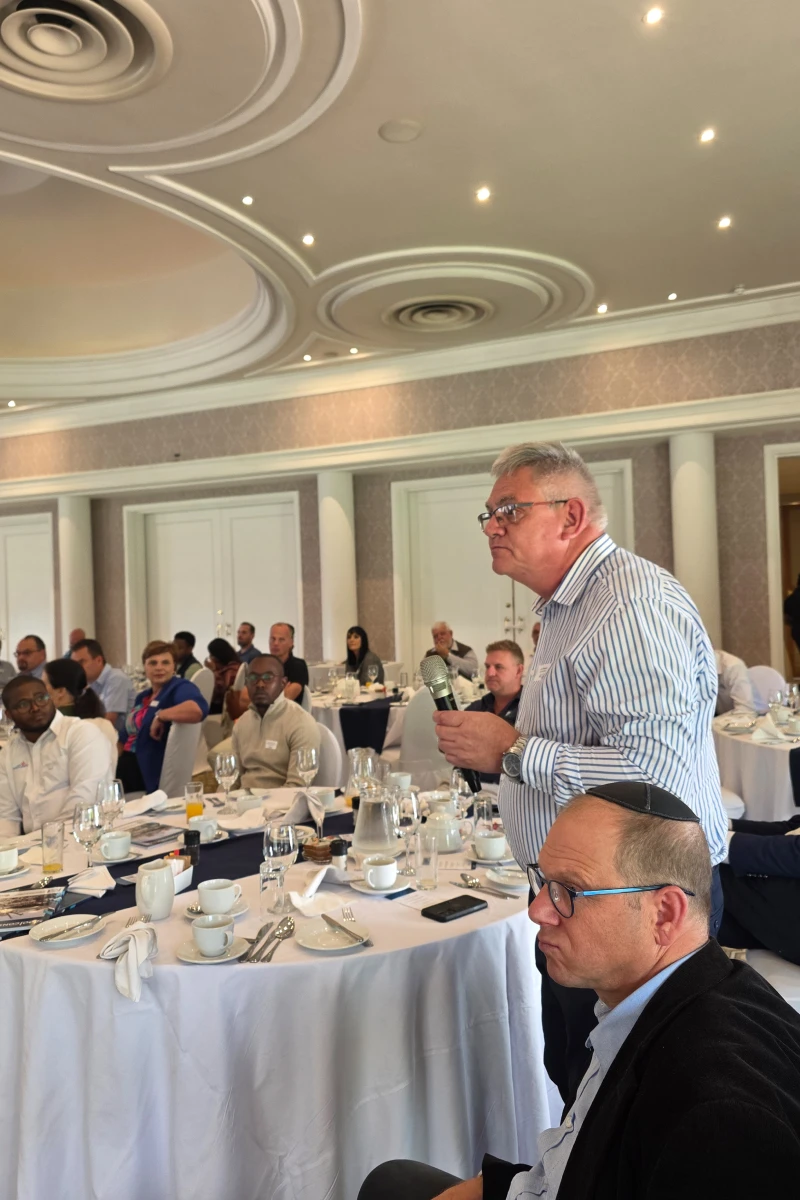
The open discussion surfaced wider concerns about the current state of the market. The closure of ArcelorMittal’s Newcastle facility has created a capability gap in certain structural sections that imports and secondary producers are working to fill, but Neels van Niekerk of the International Steel Fabricators of Southern Africa (ISF) was direct: a fully integrated structural mill in South Africa is not a near-term prospect, and the industry must build its quality framework around the supply landscape that actually exists.
Concern was also raised about the recently introduced anti-dumping tariffs on imported structural steel, which have arrived at precisely the moment the market most needs flexibility. Franco Mordini argued that an expedited rebate mechanism is needed to prevent merchants who have proactively secured supply from being commercially penalised for doing so.
On the certification programme, Amanuel Gebremeskel, confirmed that it will be open to all market participants including local mills, merchants and fabricators alike, with audits combining documentation review and physical steel testing. The first commercial consequence of non-compliance is removal from the public register of certified suppliers, with the expectation that engineering specifications will increasingly require procurement from registered companies only.
“Our basic assumption is that everyone here wants to provide good steel, because it’s good business,” Gebremeskel said. “Our goal is to support companies in reaching the standard, but those who choose not to will find the market responds accordingly.”
The SAISC will be taking this conversation to cities across South Africa in the coming months. To view photos from the JHB Breakfast, explore the event gallery below.