


“The future of the steel industry will be shaped not only by the projects we build, but by the people we invest in today.”
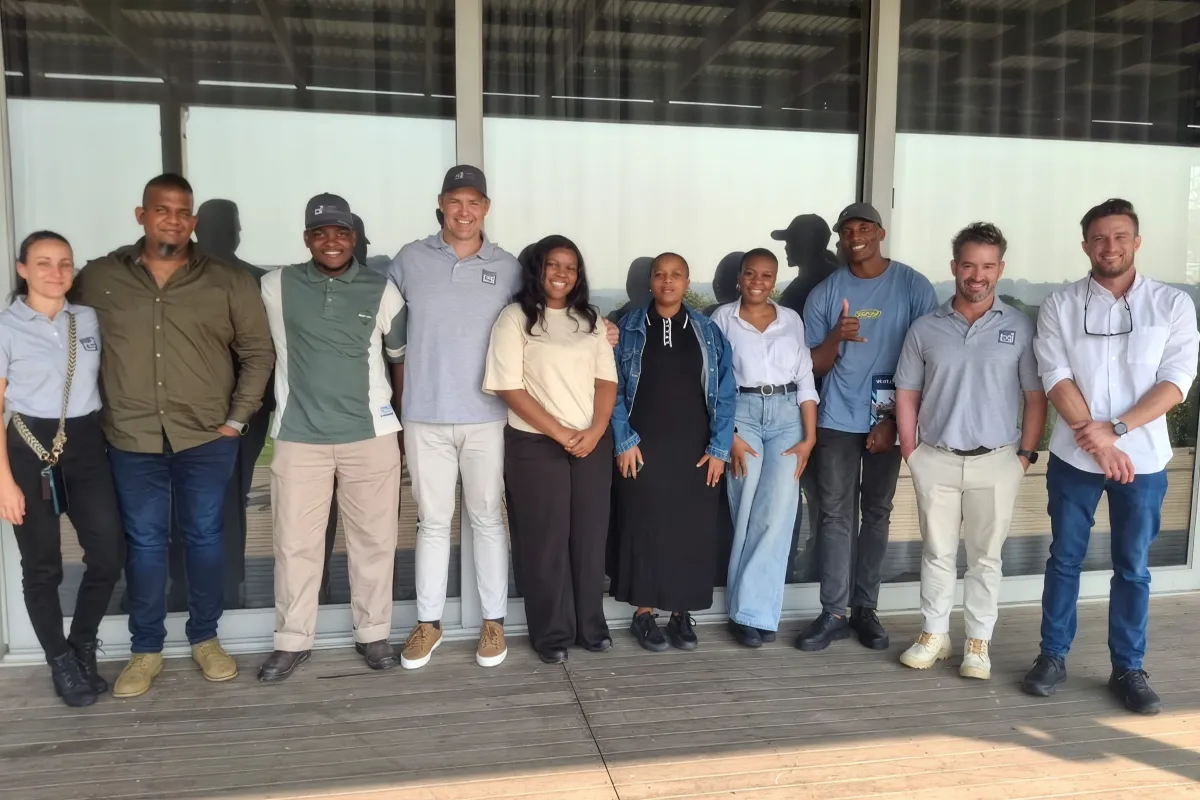
For Adam Oldfield, CEO of Cousins Steel International, developing the next generation of steel professionals is more than offering graduates their first opportunity in the workplace. It means giving them meaningful responsibility, exposing them to the realities of project delivery and creating an environment where experienced professionals actively pass their knowledge on.
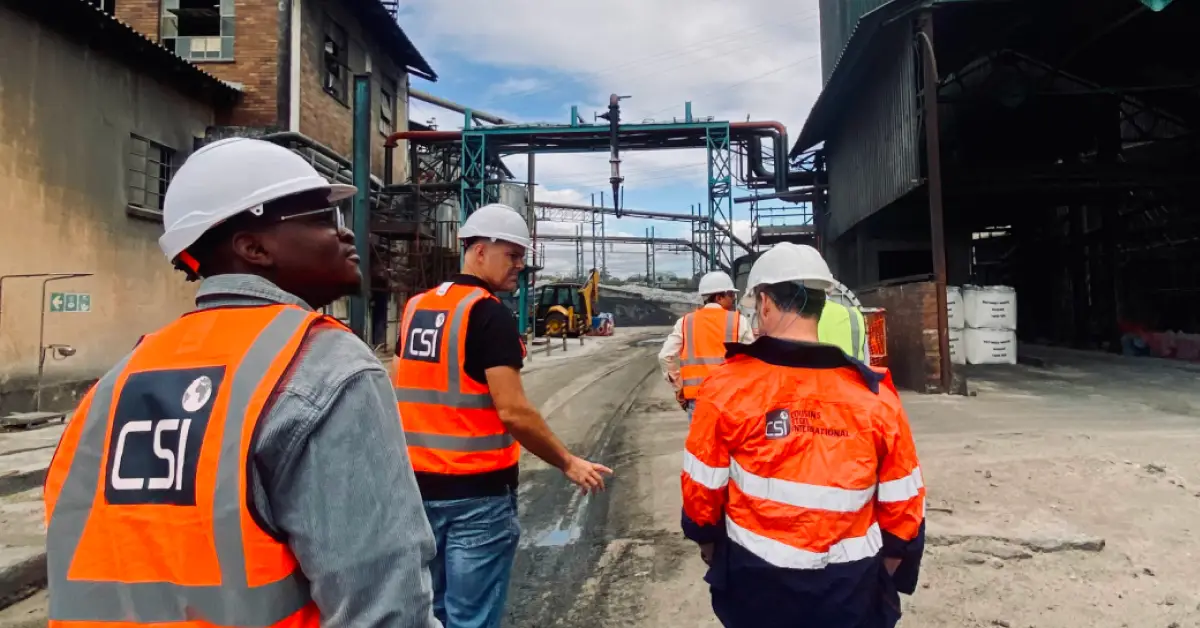
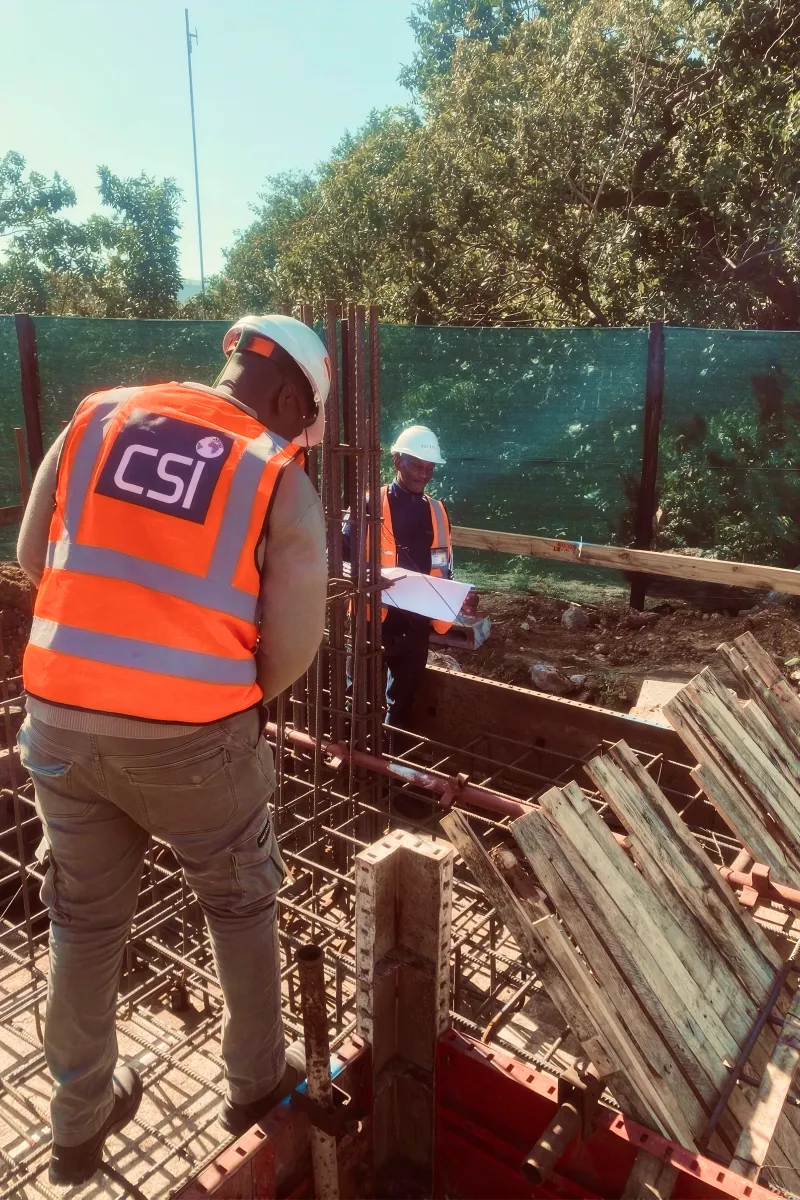
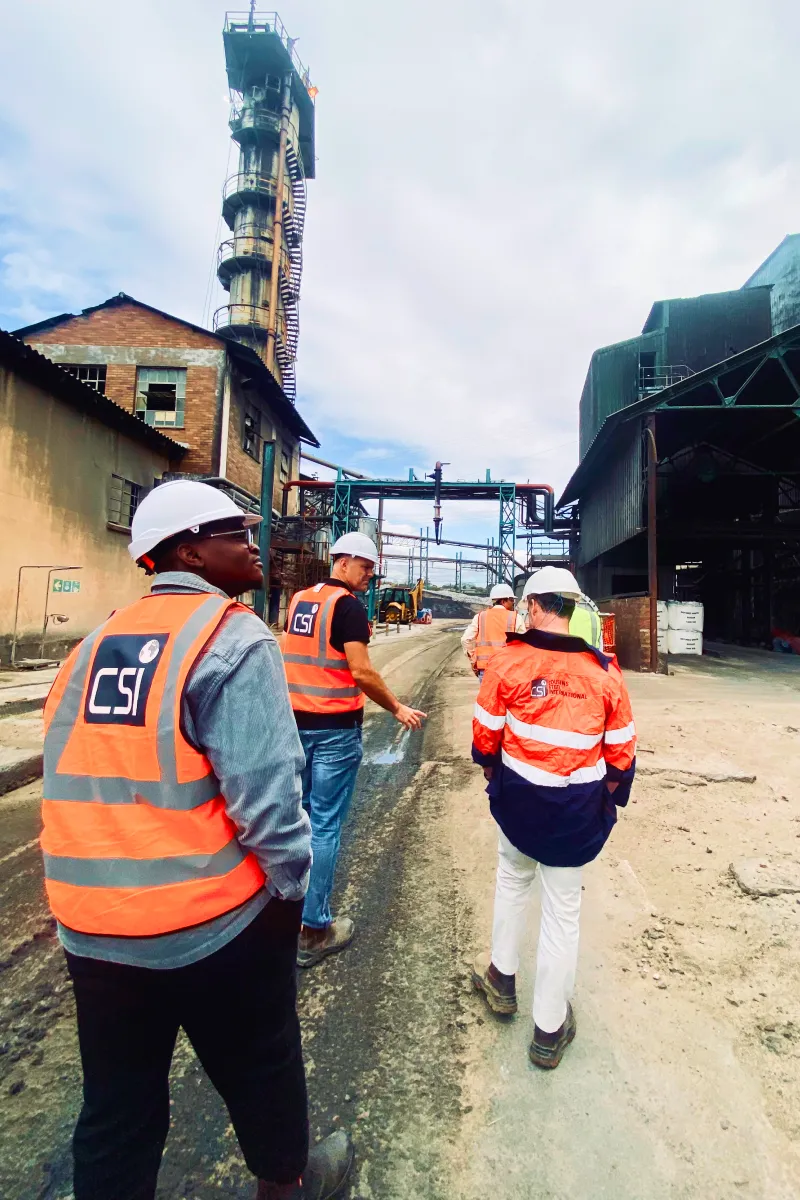
At Cousins Steel International (CSI), interns are exposed to the complete steel project lifecycle. This includes design and detailing, fabrication, quality control, project management and installation on site.
“We invest in young talent because they represent the future of our industry, and developing them is one of the most rewarding investments we can make,” says Oldfield.
The experiences of CSI’s current interns show just how significant that transition from university to industry can be.
FROM THEORY TO THE REAL WORLD
For many young engineers, university provides their first introduction to structural steel. But understanding a steel section on paper and understanding everything required to turn it into part of a completed structure are very different things.
Hlalanathi Smangaliso Hlongwa, currently studying towards a Bachelor of Engineering Technology in Civil Engineering, says her internship has given her a far greater appreciation for everything behind the finished product.
She initially imagined the steel industry primarily in terms of fabrication and large structures. Instead, she encountered a much broader environment encompassing quality control, documentation, inspections, traceability, specifications, drawings and communication between multiple departments.
“One of the biggest lessons has been understanding how theory is applied in a real working environment,” she says.
For Lindokhule Makhubu, who holds a Diploma in Civil Engineering and is completing her BEng Tech at Durban University of Technology (DUT), the transition has been particularly tangible.
“I knew what an I-section was academically, but now I can see it being fabricated, understand how it is fixed and see how it works within the overall structure. It is almost like going from seeing something in a textbook to seeing it in 4K.”
That connection between theory and practice comes through repeatedly in the interns’ experiences.
Keketso Molefe, who holds both a Diploma and Degree in Civil Engineering from DUT, says he had not initially imagined himself working in steel. His internship changed that.
“What interested me in the steel industry was the opportunity to apply what I learned at school to real-world projects,” he says.
Working within CSI’s technical team has allowed him to develop practical skills in AutoCAD, layout plans, bending schedules, sheeting and cutting lists, while applying the principles he encountered academically to actual project requirements.
MORE THAN WORK EXPERIENCE
Oldfield says CSI deliberately gives its interns genuine responsibility.
“They are involved in real projects, work alongside experienced professionals, and are encouraged to contribute from day one while being supported through the learning process.”
That philosophy can mean being entrusted with work where decisions have real consequences.
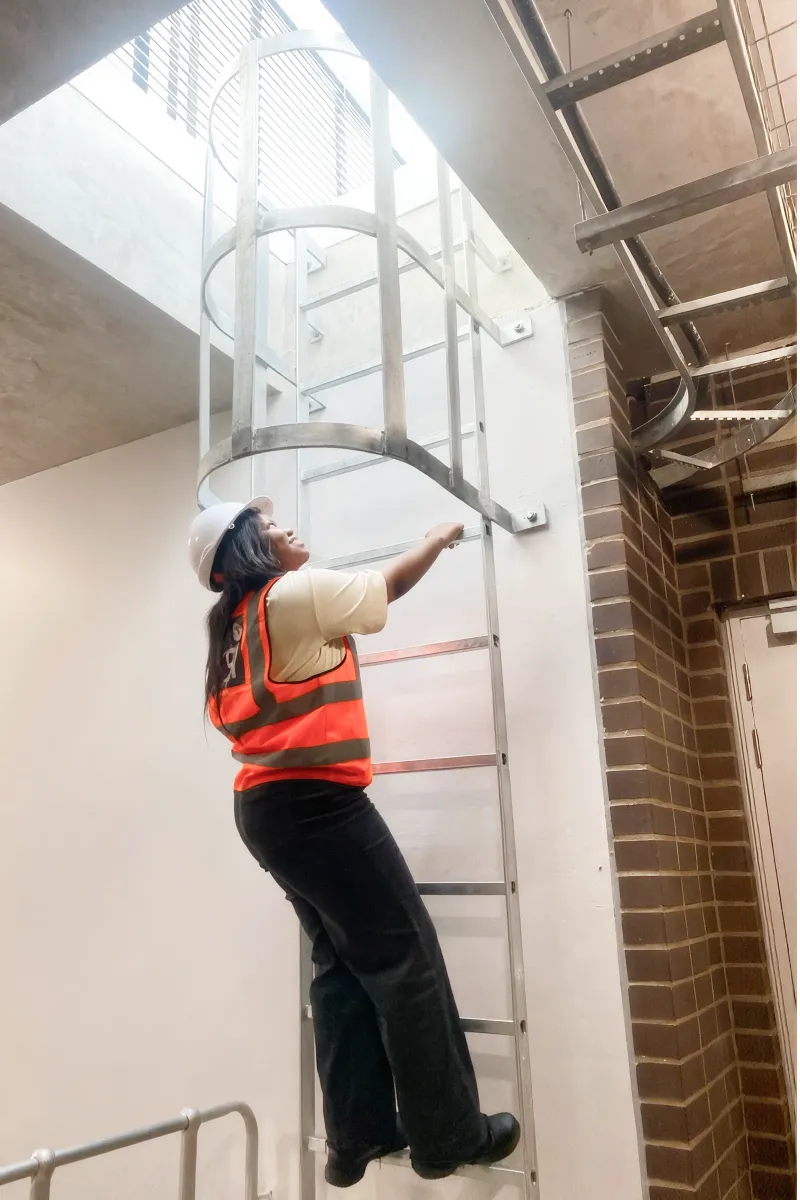
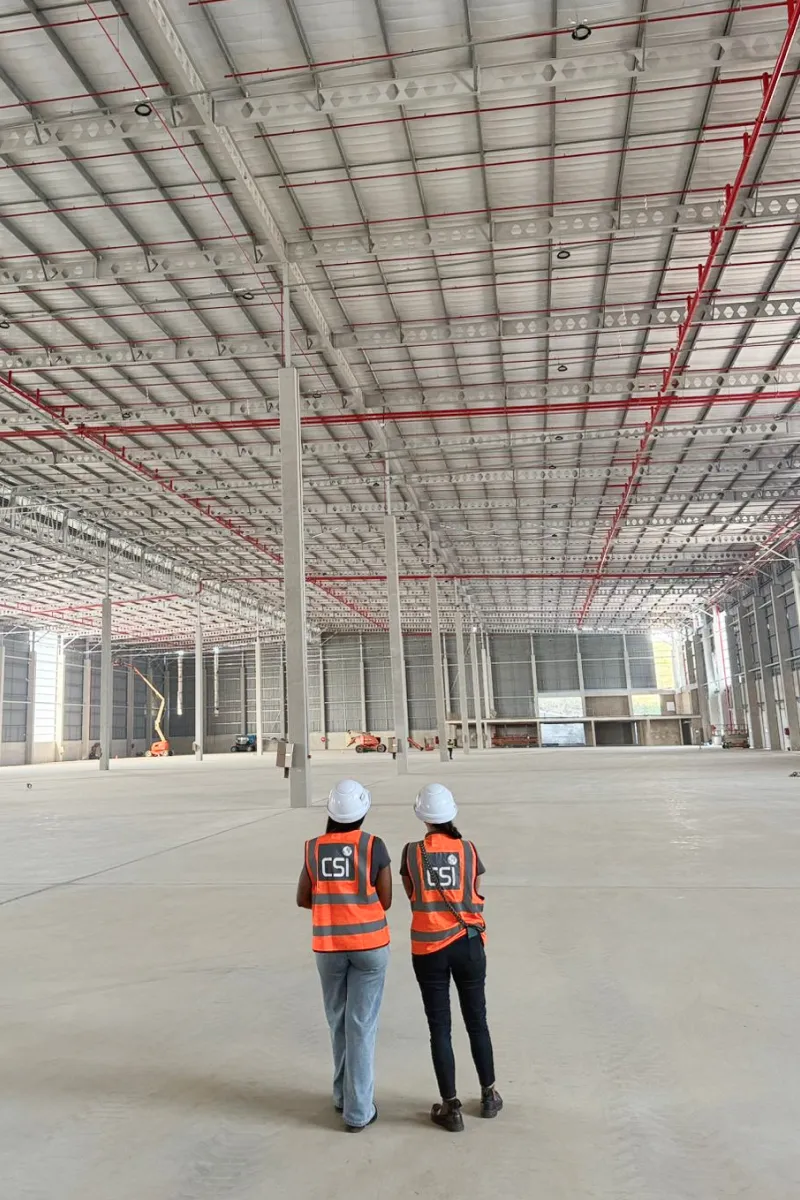
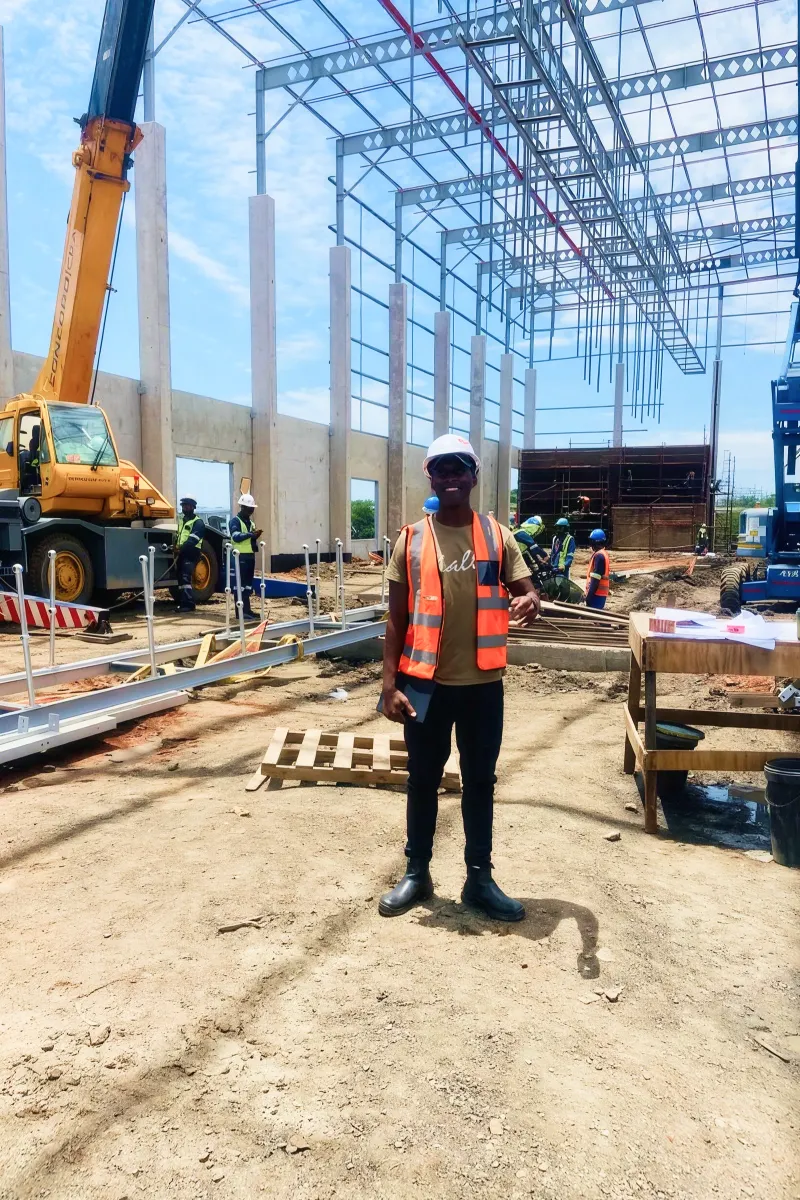
During an early site placement on a warehouse project for Digistics, Molefe spent several weeks coordinating CSI’s structural steel activities. His responsibilities included tracking steel deliveries, checking components against project phases and gridline positions, communicating with erectors and other disciplines, checking installation against drawings and attending site meetings.
One lesson stood above the rest. Safety came first.
For Joy Mdakane, a recent BEng Tech Civil Engineering graduate from DUT who is furthering her studies in project management, a particularly memorable experience involved alterations to an existing structure.
Cross bracing had to be removed from a building CSI had previously worked on, but a new beam first had to be installed to take over the load before the riggers could safely remove the bracing.
Seeing the importance of installation sequence demonstrated something that drawings and calculations alone cannot fully communicate. Decisions made during construction can directly affect structural stability.
It also showed her that engineering isn’t only about creating something new. It is also about understanding how existing structures can safely evolve.
Meanwhile, Makhubu’s experience as an intern in production planning has taken her into the workings of CSI’s fabrication process. A time and motion study of the workshop’s preparation bay required her to analyse cutting, drilling and profiling processes and consider how workflow, movement, waiting time and coordination affect production.
“Engineering is not always about finding the perfect theoretical solution,” she says. “It is often about finding a solution that is safe, practical, efficient and realistic.”
THE IMPORTANCE OF MENTORSHIP
Practical exposure alone, however, is only part of the equation.
Across the interns’ feedback, one theme appears repeatedly. The value of having experienced professionals willing to teach.
Rapture Mhangane, a BEng Tech Civil Engineering graduate from DUT, describes working alongside experienced professionals as instrumental in helping bridge the gap between academia and industry.
“Having experienced professionals next to me has made my transition even smoother,” he says.
For Molefe, being given space to learn, including the freedom to make mistakes, has been equally important.
“The engineers I worked with made sure they gave me time to grow, learn and find my strengths,” he says. “They encouraged me to keep pushing forward.”
Hlongwa says mentorship has also taught her something young professionals can sometimes struggle with, which is being comfortable admitting when they don’t know something.
Working alongside experienced colleagues has helped her learn to ask questions, listen, take responsibility and become more confident in his decision making.
Oldfield believes this transfer of knowledge is essential to the future of the sector.
“Mentorship accelerates growth, builds confidence, and ensures that valuable industry knowledge is passed on. Every experienced professional has something meaningful to contribute to the next generation.”
SEEING MORE POSSIBILITIES IN STEEL
Exposure is also changing how these young professionals view the industry and their own careers within it.
Mdakane entered CSI knowing relatively little about the breadth of steel construction. Her experience has introduced her to detailing, fabrication, supply, construction and project management, and she now hopes to progress into a project engineer role combining her civil engineering background with project management.
Hlongwa has developed a particular interest in quality and technical roles, while Makhubu’s exposure to production planning and process improvement has expanded his view beyond a traditional engineering pathway.
For Mhangane, curiosity about steel construction was what drew him to the sector in the first place. Seeing completed CSI projects, including the Takealot, Kamdar and Hollywoodbets buildings, brought another dimension to that interest.
“Seeing the final product standing, seeing how the structures are utilised in real life is just fulfilling,” he says.
His ambition for the future is wonderfully tangible. He wants to help erect structures across Africa and abroad and, one day, be able to drive through a city with his family and point out the structures he helped build.
MAKING THE INDUSTRY VISIBLE TO THE NEXT GENERATION
The interns’ experiences also highlight a challenge for the wider steel sector. Young people cannot choose careers they do not know exist.
Several said they had little understanding during their studies of just how broad the steel industry is.
They identified site visits, internships, mentorship programmes, graduate opportunities and stronger engagement with tertiary institutions as ways of changing that.
“Young people need to see the industry rather than only hear about it,” says Makhubu.
Mhangane similarly believes greater visibility at institutions of higher learning could help address misconceptions about structural steel and introduce students to the opportunities available within the sector.
This is an area where collaboration across the industry matters.
Oldfield sees SAISC and its member network as having an important role in connecting industry, education and young professionals through collaboration, mentorship, training and networking opportunities.
But those connections ultimately need companies willing to open their doors and invest their own time and expertise.
INVESTING BEYOND TODAY’S PROJECTS
For established businesses, nurturing young talent requires resources, patience and a willingness to teach. Oldfield believes companies should also consider what young professionals bring back into the business.
Interns bring fresh perspectives, new ideas and energy.
“Their enthusiasm is often contagious, and they frequently challenge us to look at problems in different and better ways,” he says.
His message to other companies considering taking on interns or graduates is simple.
“I would strongly encourage them to do it. The returns are far greater than the investment.”
For SAISC, stories such as Cousins Steel International’s demonstrate why developing the next generation is an industry wide responsibility.
South Africa’s steel construction sector holds decades of technical knowledge, practical experience and hard earned expertise. Ensuring its future means creating opportunities for that knowledge to move between generations, while also making space for new ideas, new skills and new perspectives.
As Oldfield puts it,
“The future of the steel industry will be shaped not only by the projects we build, but by the people we invest in today.”