

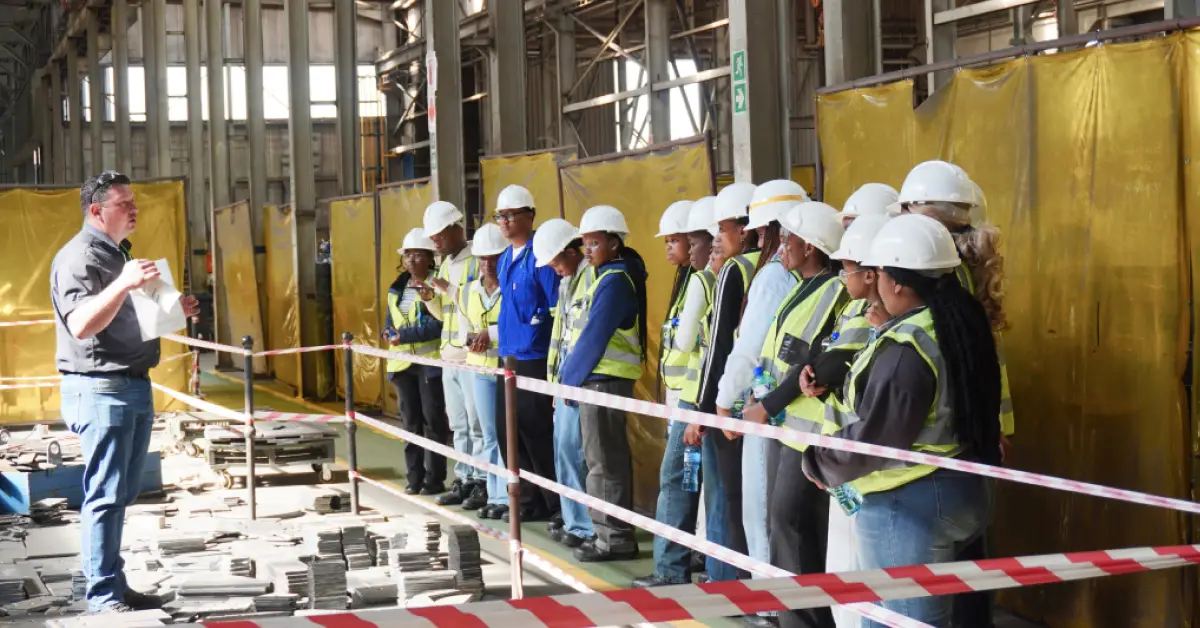
For the next generation of engineers, understanding structural steel should extend beyond drawings, calculations and textbooks. Seeing how steel moves through the value chain — and meeting the people who make it happen — can turn theoretical knowledge into something tangible.
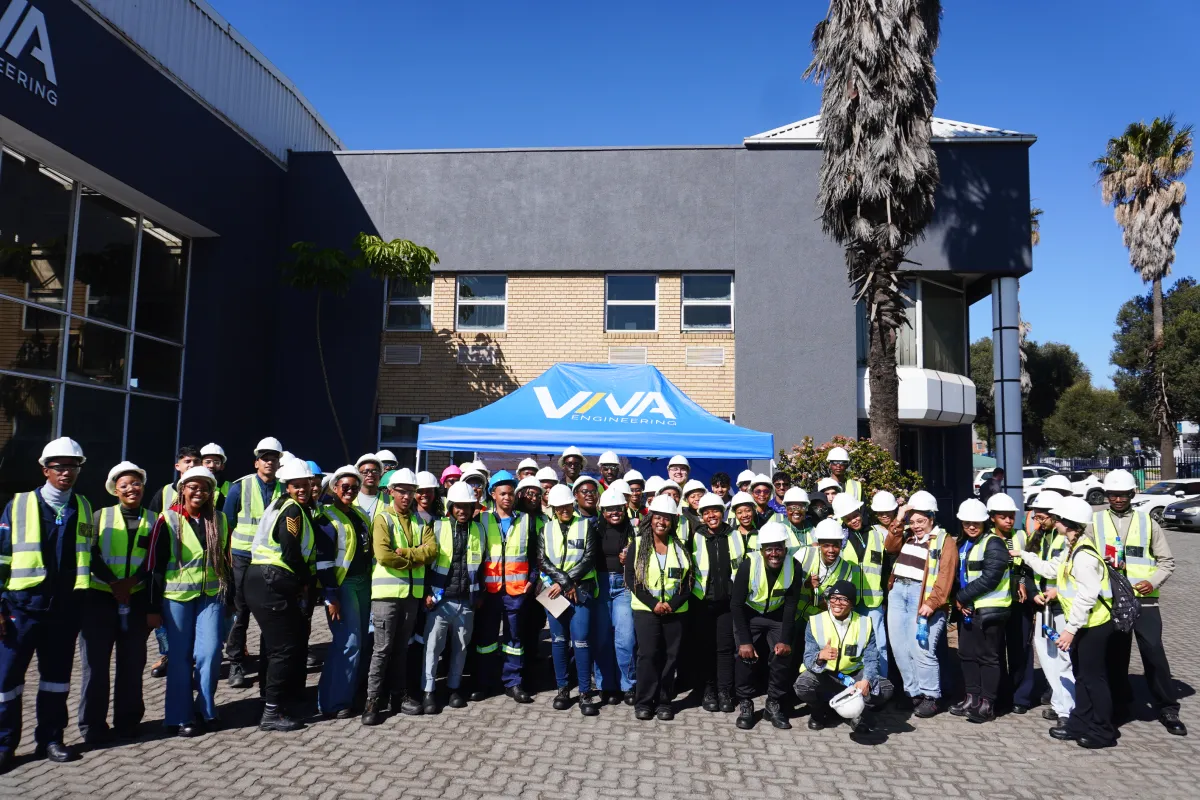
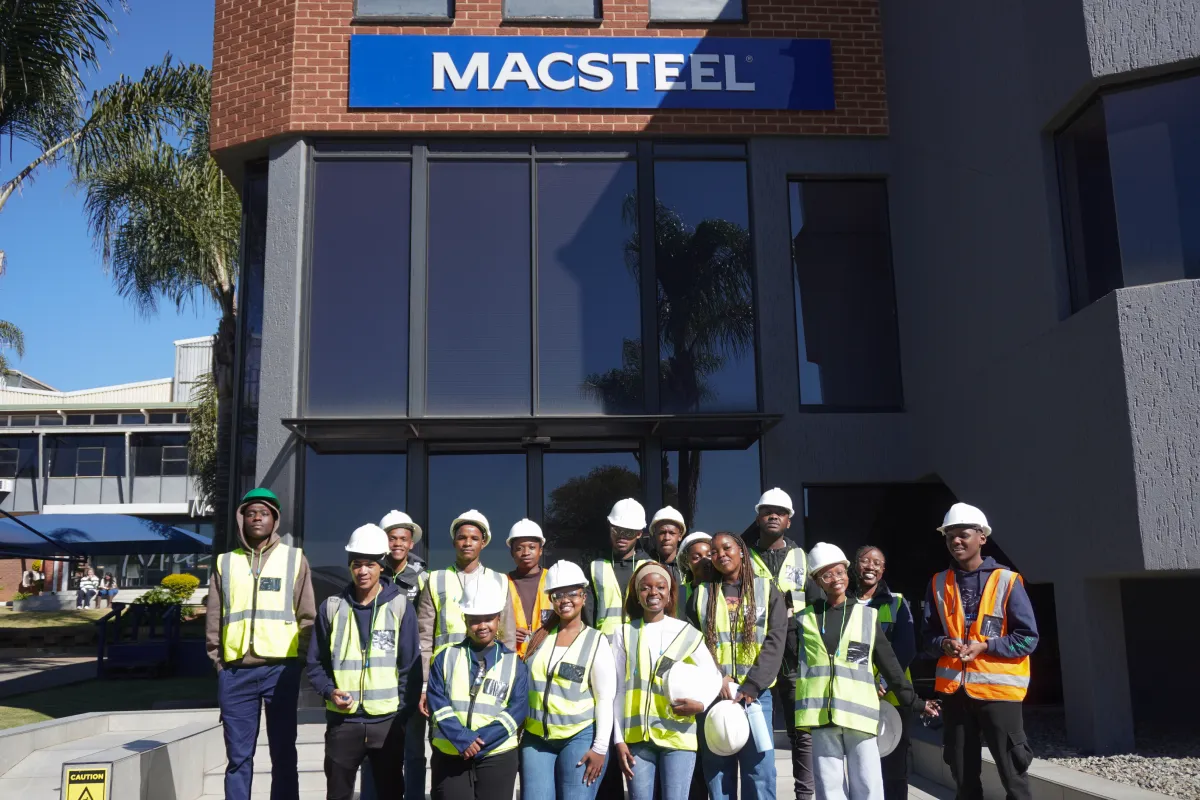
That was the thinking behind a recent SAISC-facilitated industry visit for approximately 122 third-year civil engineering students from the University of the Witwatersrand (Wits).
Held on 17 July 2026, the visit formed part of an ongoing relationship between SAISC and the Wits School of Civil and Environmental Engineering. SAISC CEO Amanuel Gebremeskel lectures the third-year cohort on structural steel, with the industry visit providing an opportunity for students to take that knowledge beyond the lecture theatre and into working steel facilities.
This year, SAISC members Macsteel Trading and VIVA Engineering opened their doors to the students, providing a practical view of different stages of the steel value chain.
FOLLOWING STEEL THROUGH THE VALUE CHAIN
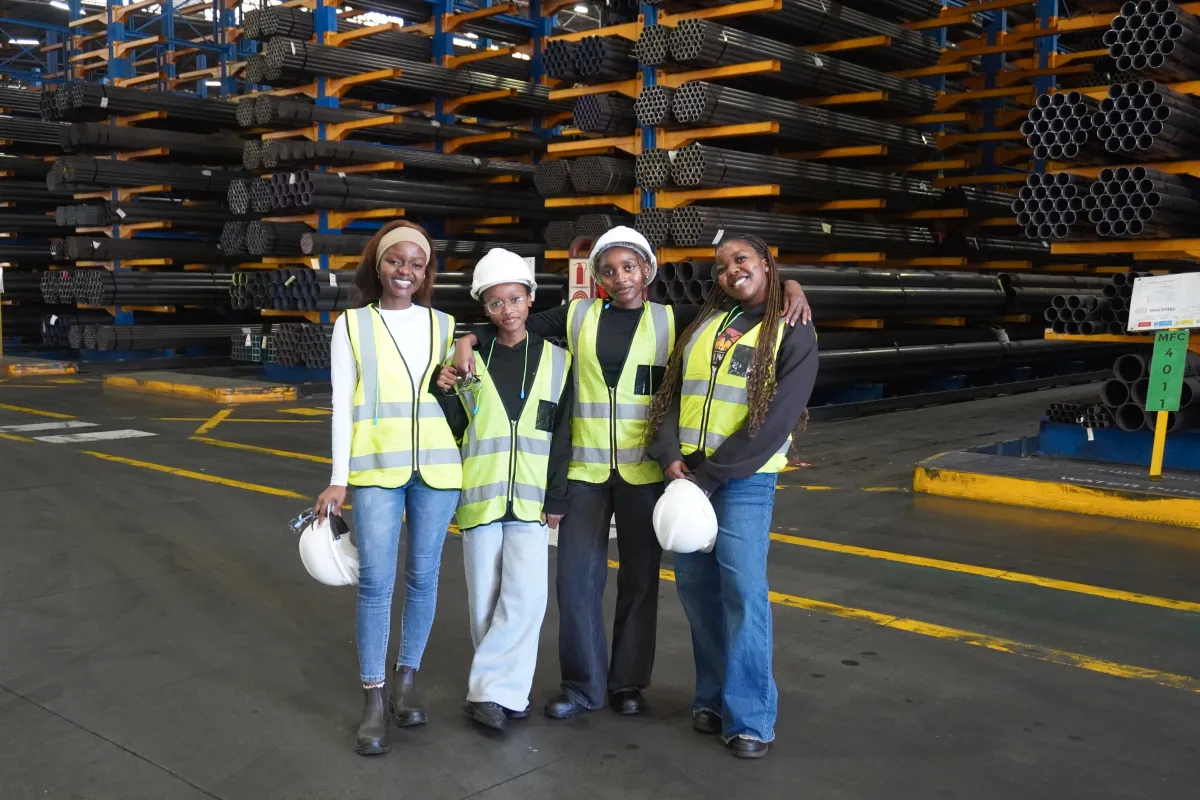
The students were divided into groups and visited both Macsteel Trading’s Tube and Pipe division at Mac City in Elandsfontein and VIVA Engineering’s fabrication facility in Spartan, Kempton Park.
The pairing was deliberate.
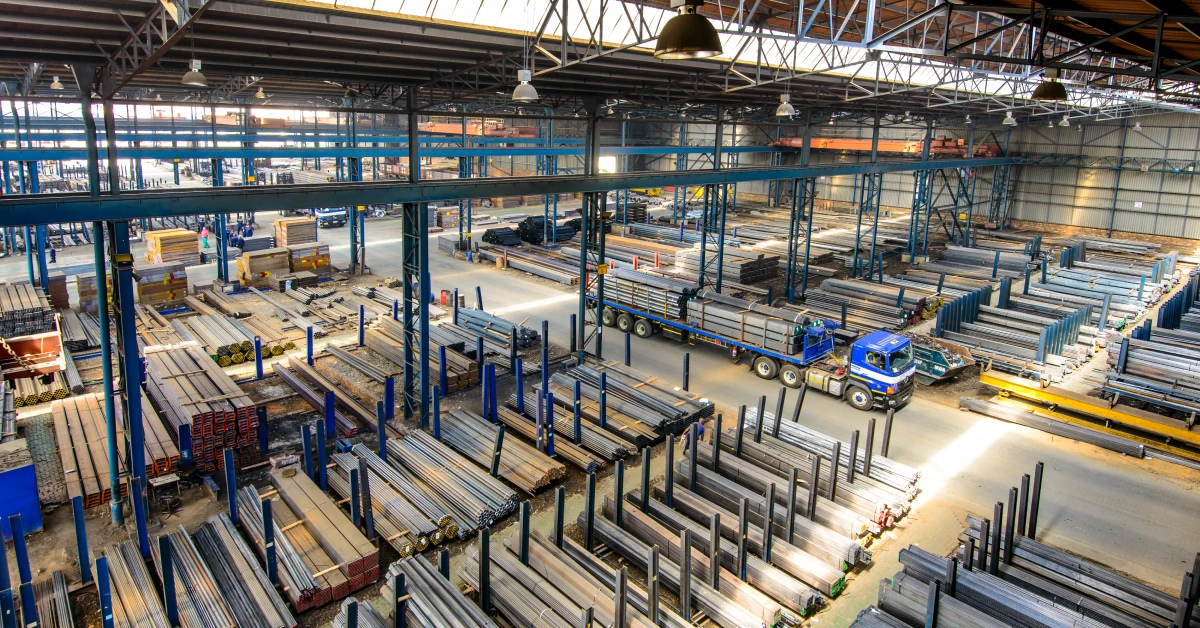
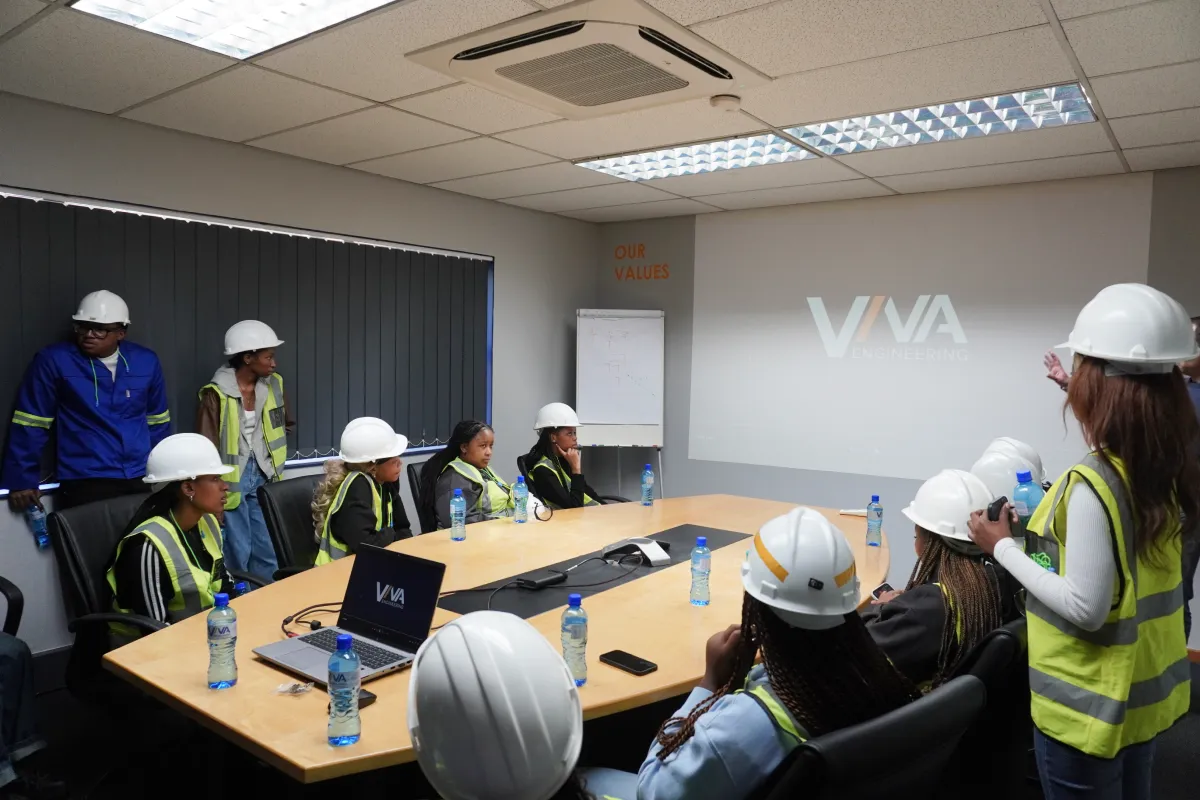
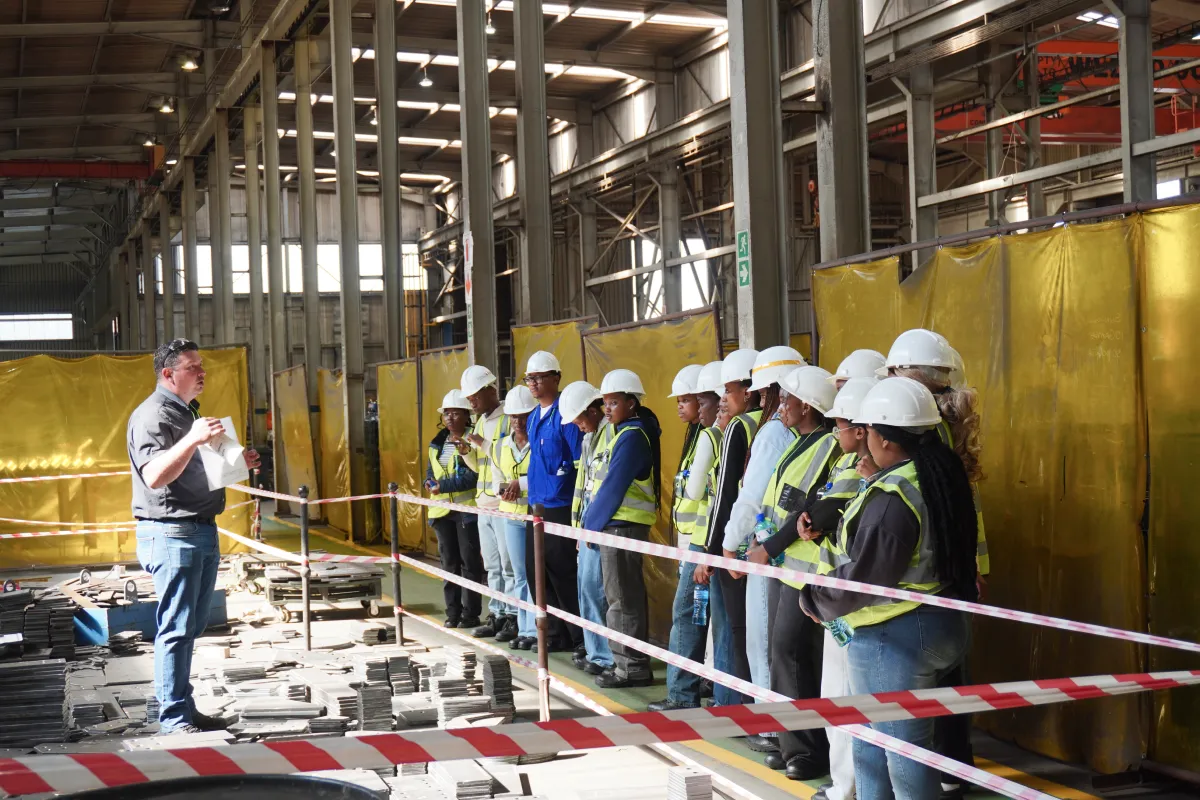
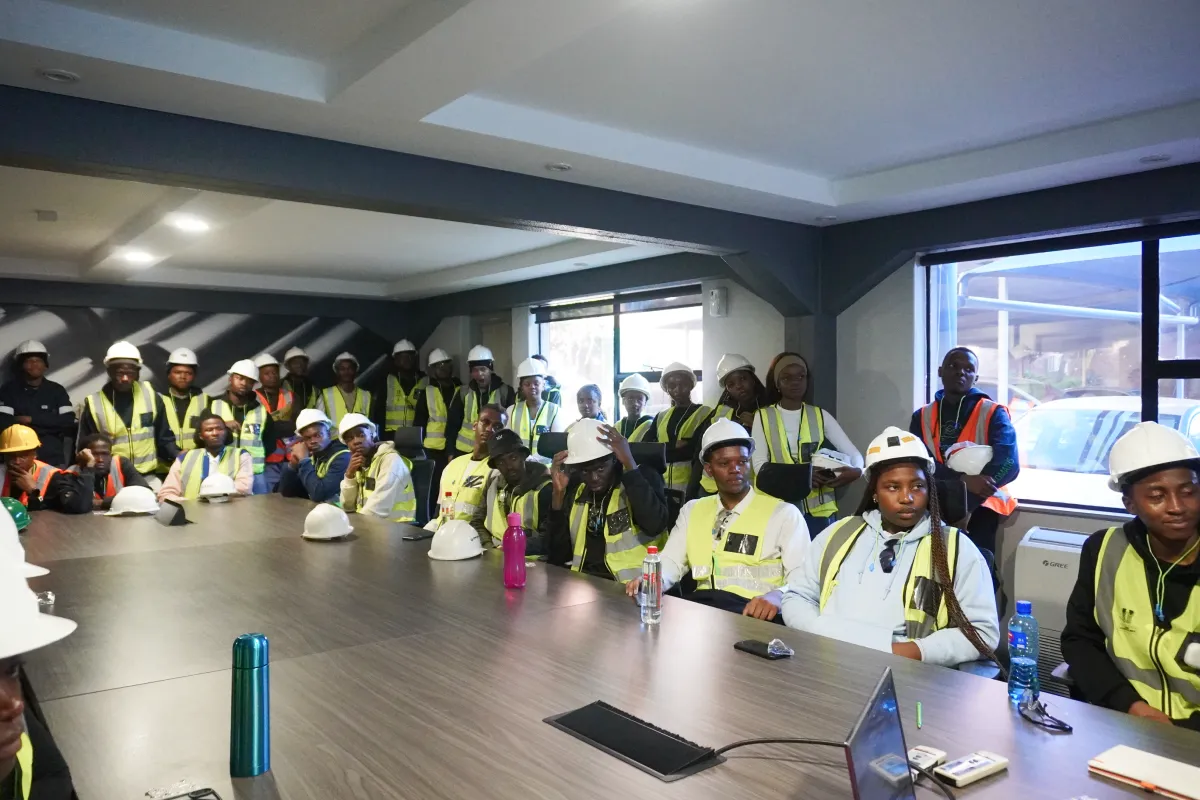
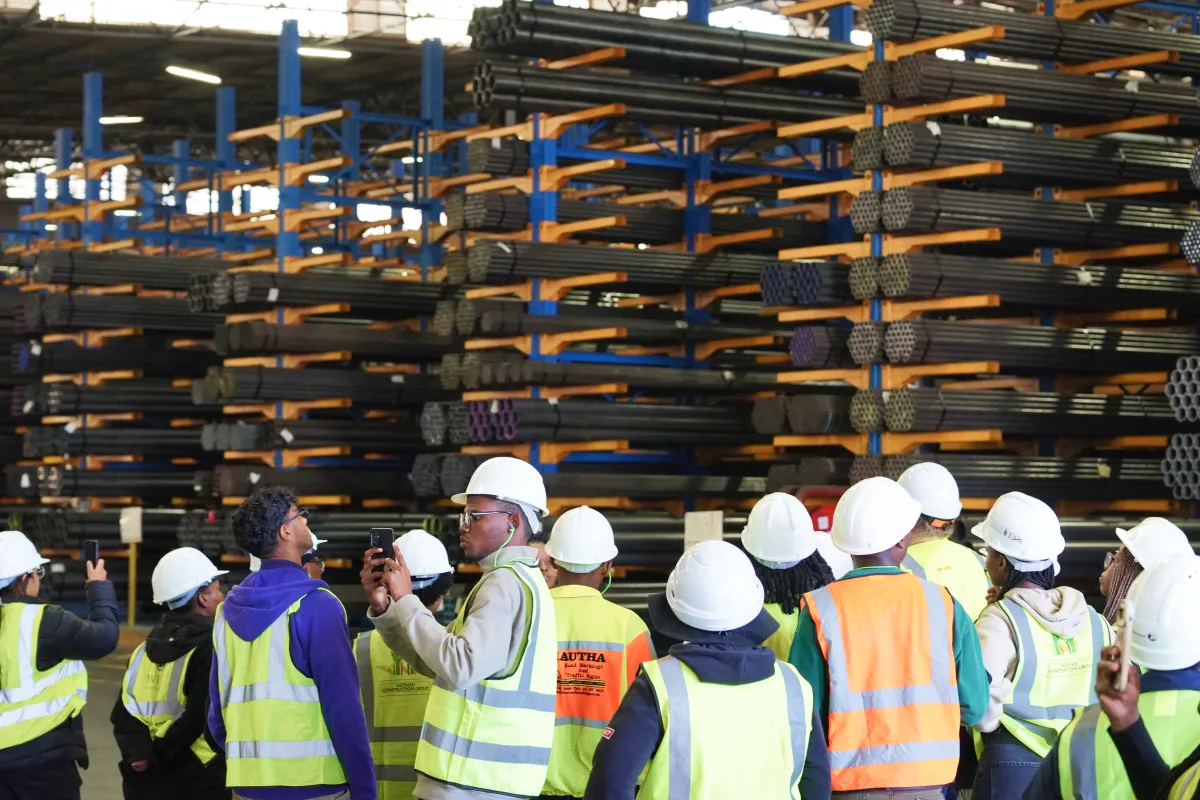
At Macsteel, students were introduced to the merchant and processing side of the industry. Following a technical presentation and safety briefing, they were taken through the facility to see coils arriving from steel mills and being formed, welded and finished into tube before being bundled for dispatch.
They also saw roof sheeting being roll-formed, explored Macsteel’s extensive stockholding operation and gained a sense of the scale and variety of steel products moving through the facility.
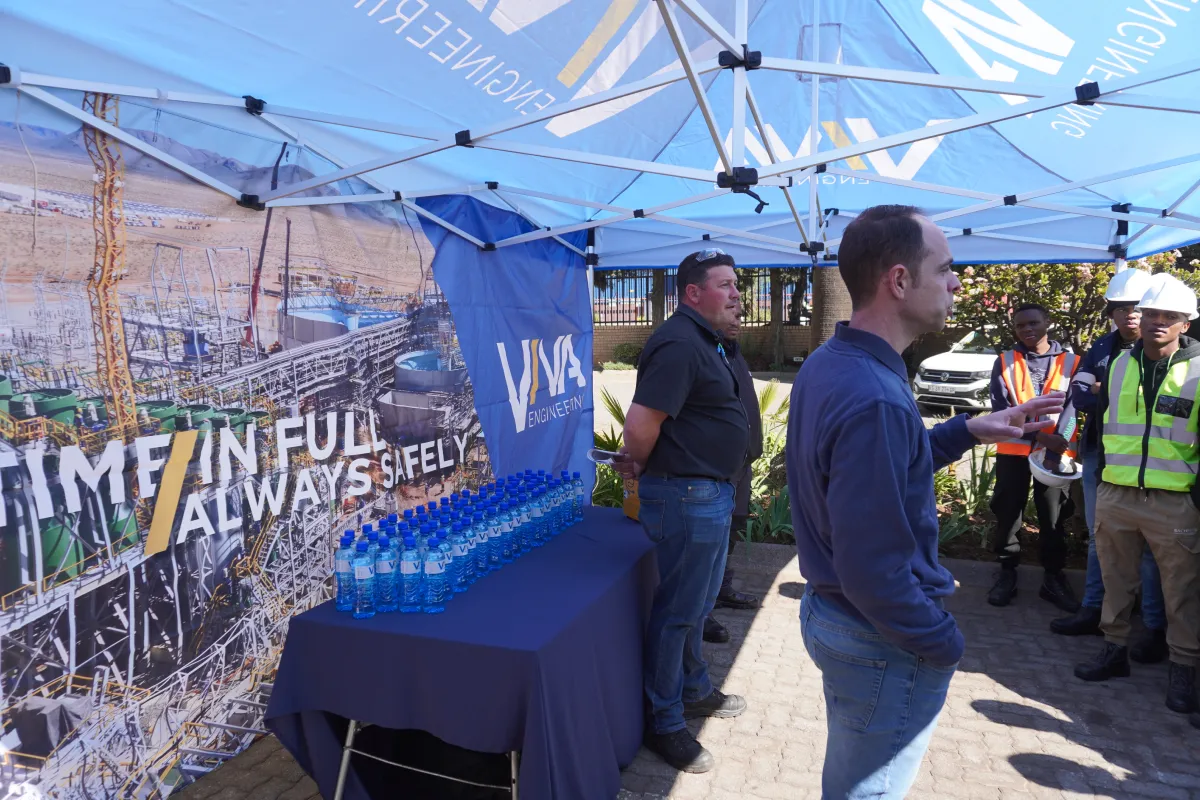
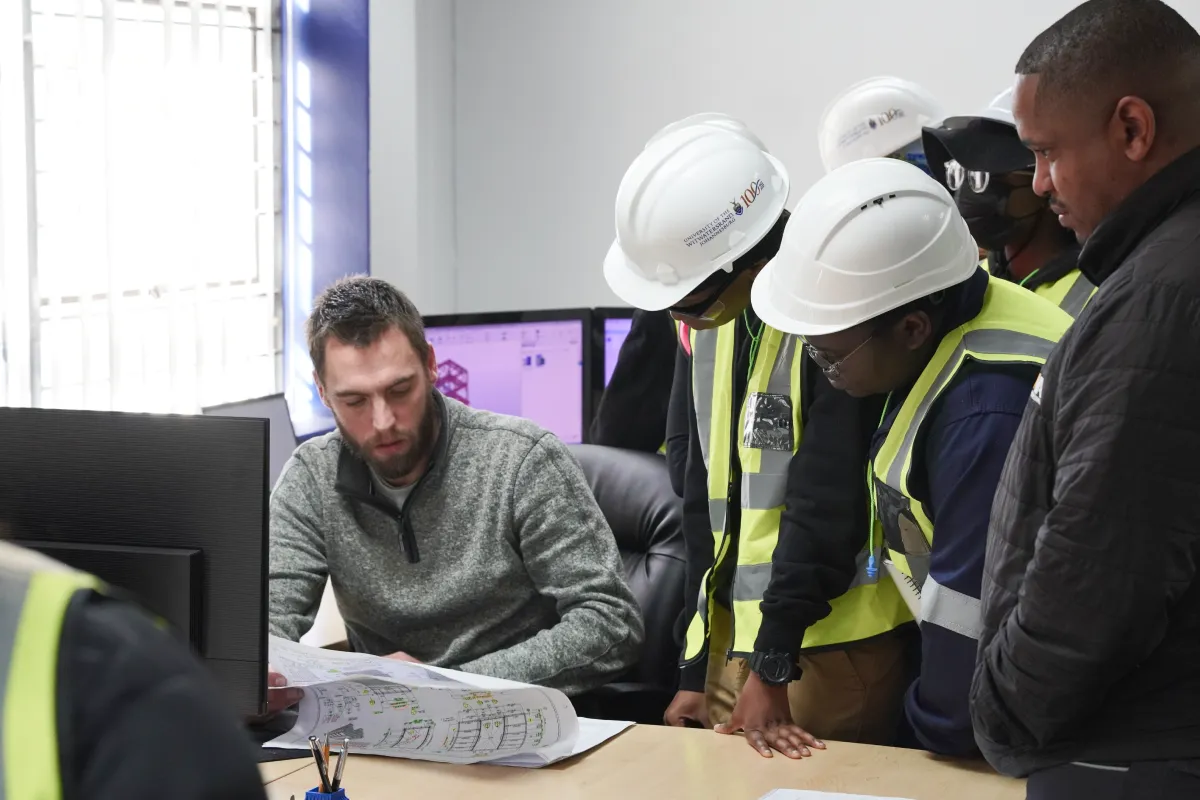
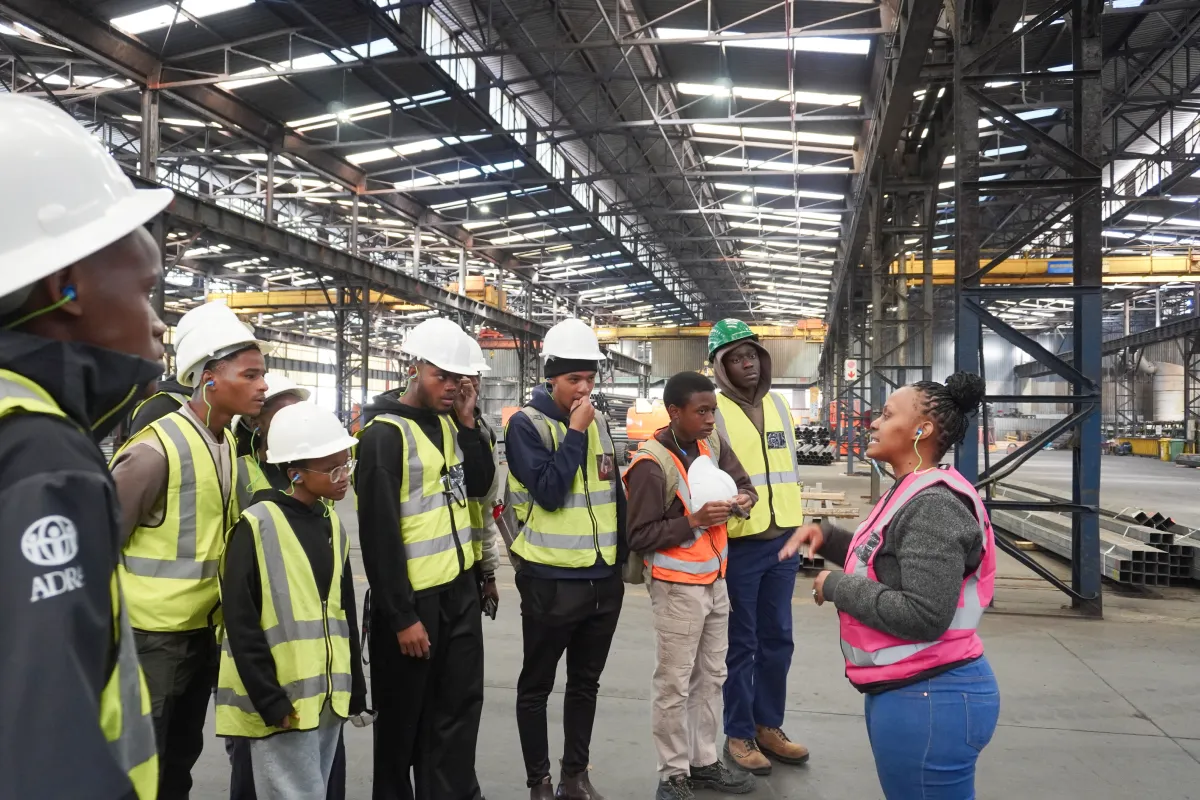
At VIVA Engineering, the students were able to follow the next part of the journey: how steel moves from drawings and specifications into fabricated structural components.
Starting in the drawing office, they saw how projects are quantified and planned before moving onto the workshop floor, where steel members are cut, labelled, assembled and welded. A tank for a mining project was being assembled during the visit, giving the students the opportunity to see a live project taking shape.
The scale of VIVA’s international work also provided another important perspective. With approximately 80% of its current work destined for international clients, the facility demonstrated that structural steelwork fabricated locally in Gauteng is competing in projects beyond South Africa’s borders.
ASKING THE QUESTIONS THAT MATTER
For many of the students, it was their first meaningful exposure to the steel industry.
Questions ranged from welding processes, corrosion protection and recycling of steel scrap to applicable standards, bolted versus welded connections and the broader steel supply chain.
But the conversations extended beyond technical matters.
Students wanted to know what employers look for on a CV, what qualifications people working within the businesses hold, how international projects are managed and what they could do to stand out as they prepare to enter the employment market.
For SAISC, that interaction is an important part of the value of industry exposure.
One question in particular highlighted a broader challenge. A student was surprised to learn that South Africa produces steel locally and was unfamiliar with the role of a steel mill.
Rather than simply being a knowledge gap, it illustrates why industry exposure matters. If the engineers who will eventually design and specify structures have limited opportunities to encounter the steel value chain during their studies, the industry itself has a role to play in making that world more visible.
OPENING THE INDUSTRY’S DOORS
SAISC’s ability to facilitate visits such as this comes from its position across the steel construction value chain.
As a technical institute representing engineers, fabricators, merchants, manufacturers and other industry participants, SAISC can connect academic learning with the companies and professionals applying that knowledge every day.
Just as importantly, its members continue to make themselves available.
Both Macsteel and VIVA Engineering committed teams to guiding students through their operations, explaining processes and answering questions throughout the day.
That willingness to share knowledge is not new.
Macsteel has hosted student groups at the facility for many years. SAISC Board member Axel Kayoka remembers walking through the same plant as a student. Today, he works for Macsteel and contributes to the industry through his role on the SAISC Board.
It is a small but powerful example of what early exposure to an industry can become.
BUILDING FAMILIARITY WITH STEEL
For SAISC, initiatives such as these are ultimately about building familiarity, confidence and interest in steel among the professionals who will shape the built environment in years to come.
Students may go on to become structural engineers, project managers, consultants, designers or professionals elsewhere in the construction value chain. Regardless of the path they choose, understanding how steel is produced, supplied and fabricated gives them context that cannot easily be replicated in a classroom.
The objective is also not limited to one university or one discipline.
SAISC recently facilitated a separate engagement between mechanical engineering students from the University of Pretoria and member Bolt and Engineering Distributors (B.E.D.) through the University’s Formula Student project.
There is significant potential to expand these relationships across universities, disciplines and SAISC’s wider member network.
As SAISC celebrates 70 years of serving the Southern African steel construction industry, part of protecting that legacy is ensuring that the knowledge, experience and capability built over those decades remains accessible to the people who will take the industry forward.
For the students who walked through Macsteel and VIVA Engineering, the starting point was simple: see the industry, meet its people and understand what is possible.
Because before young people can choose steel, design with steel or build a career in steel, they first need the opportunity to experience it.