

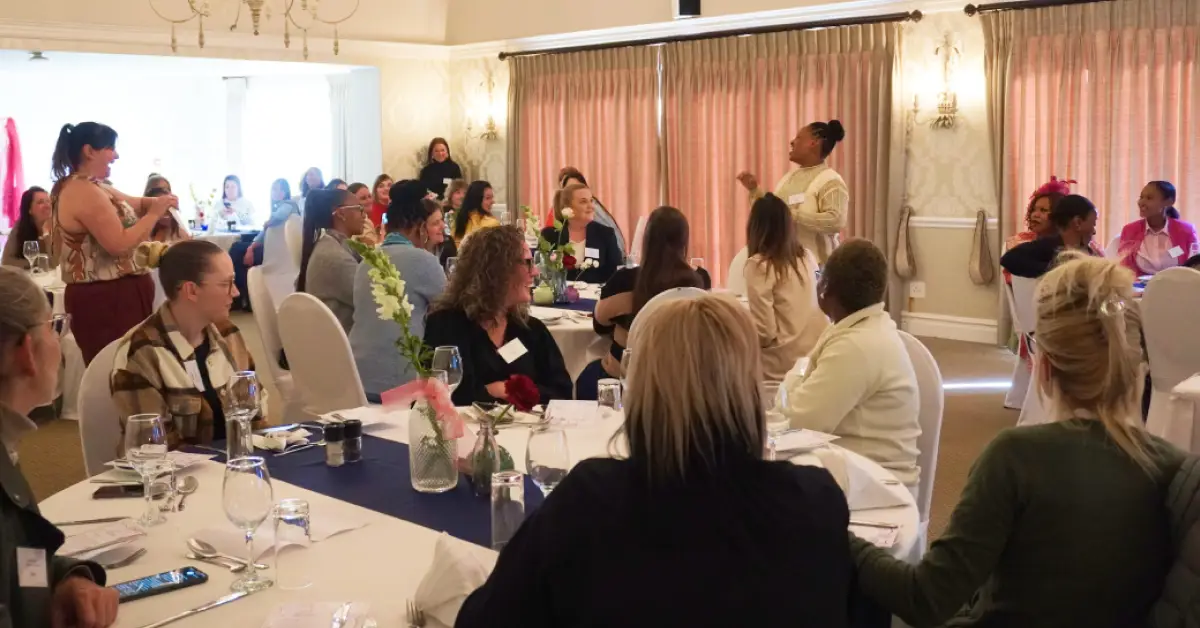
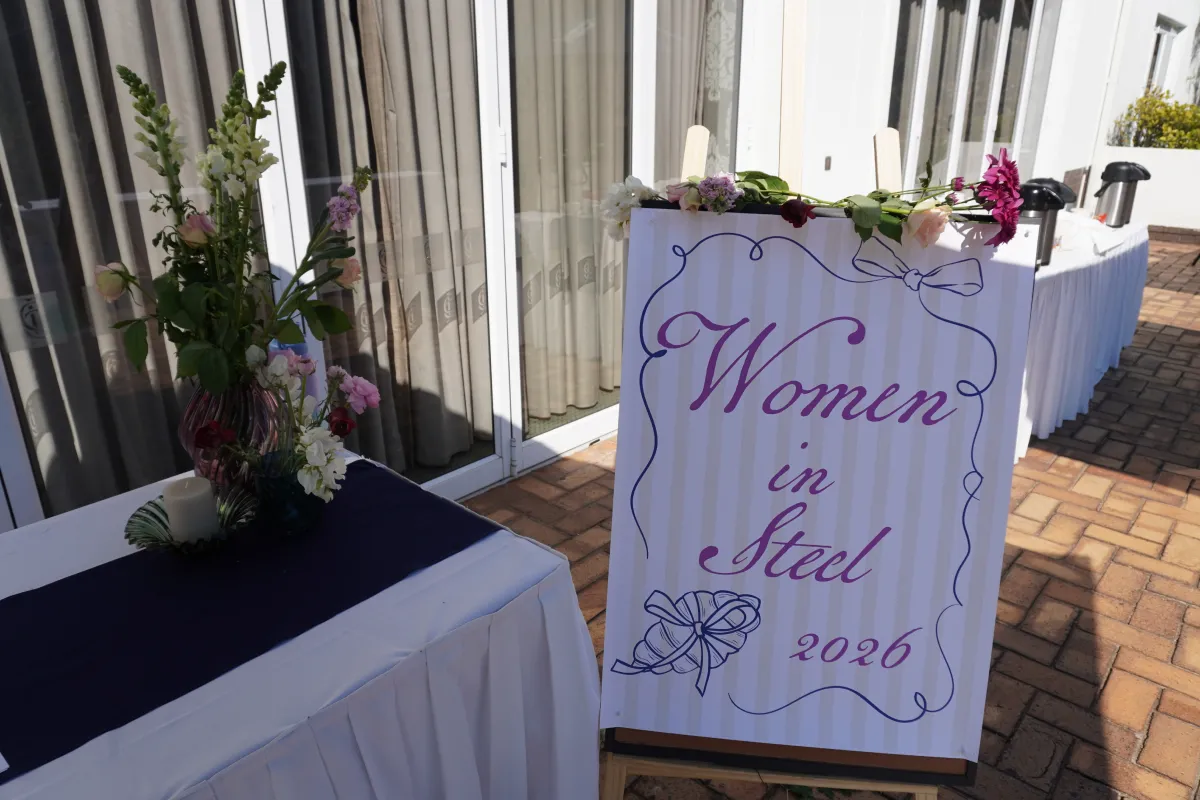
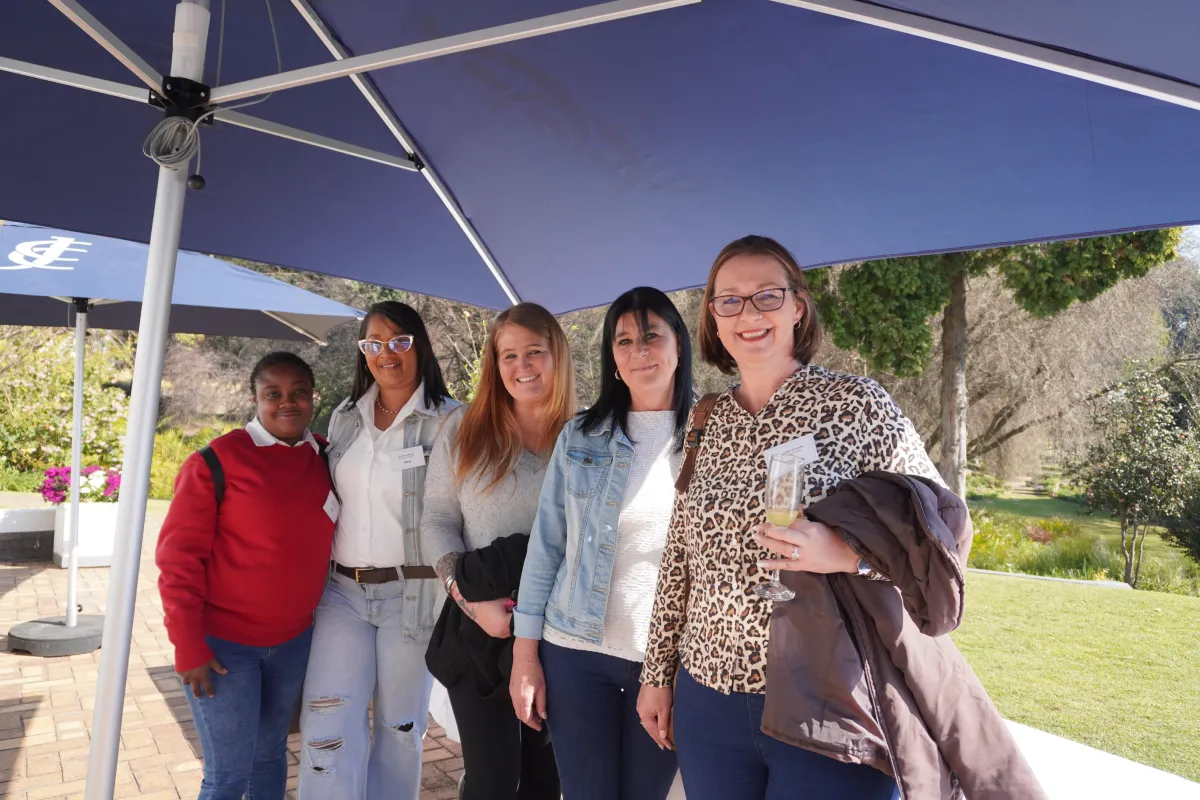
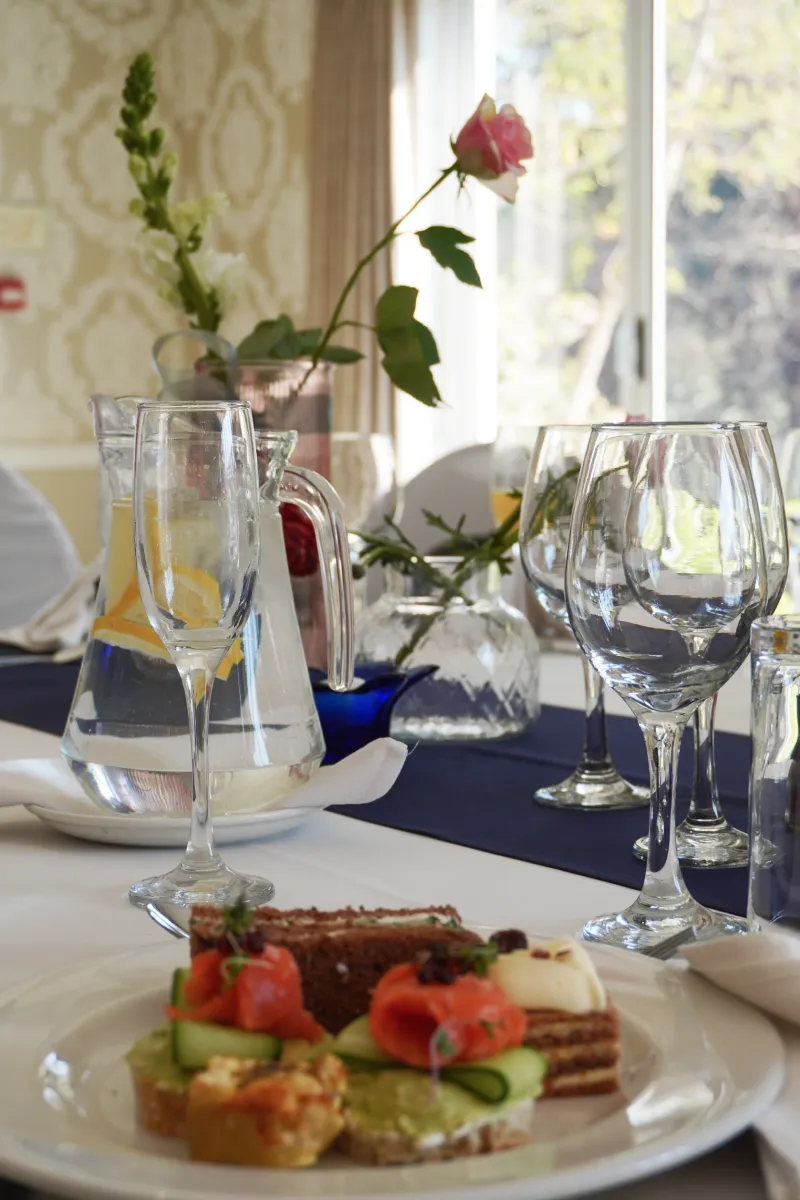
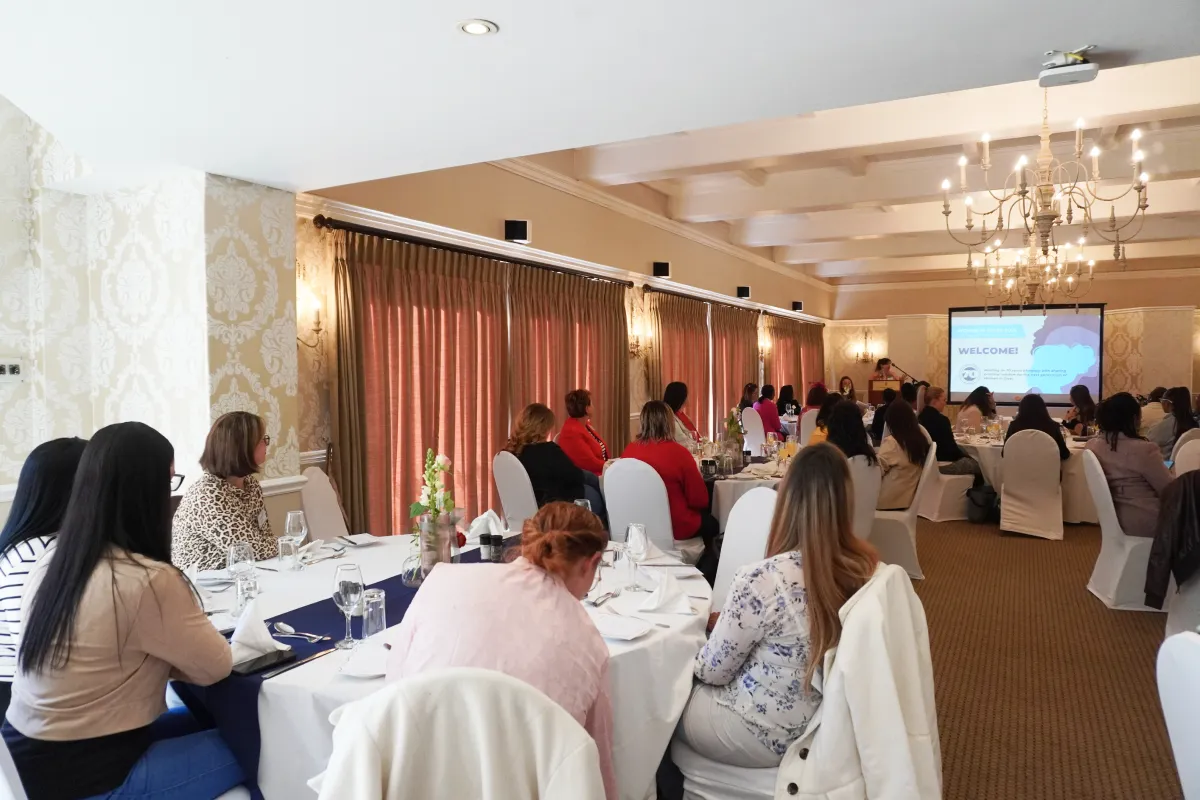
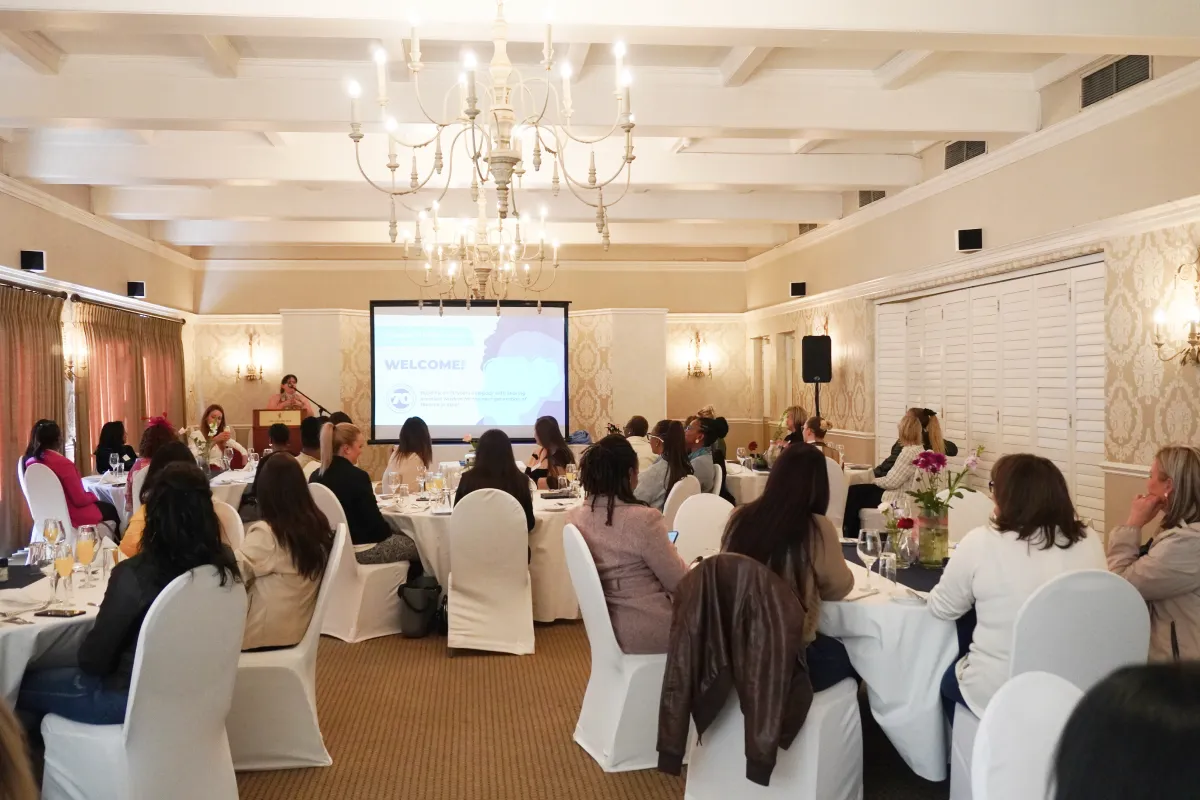
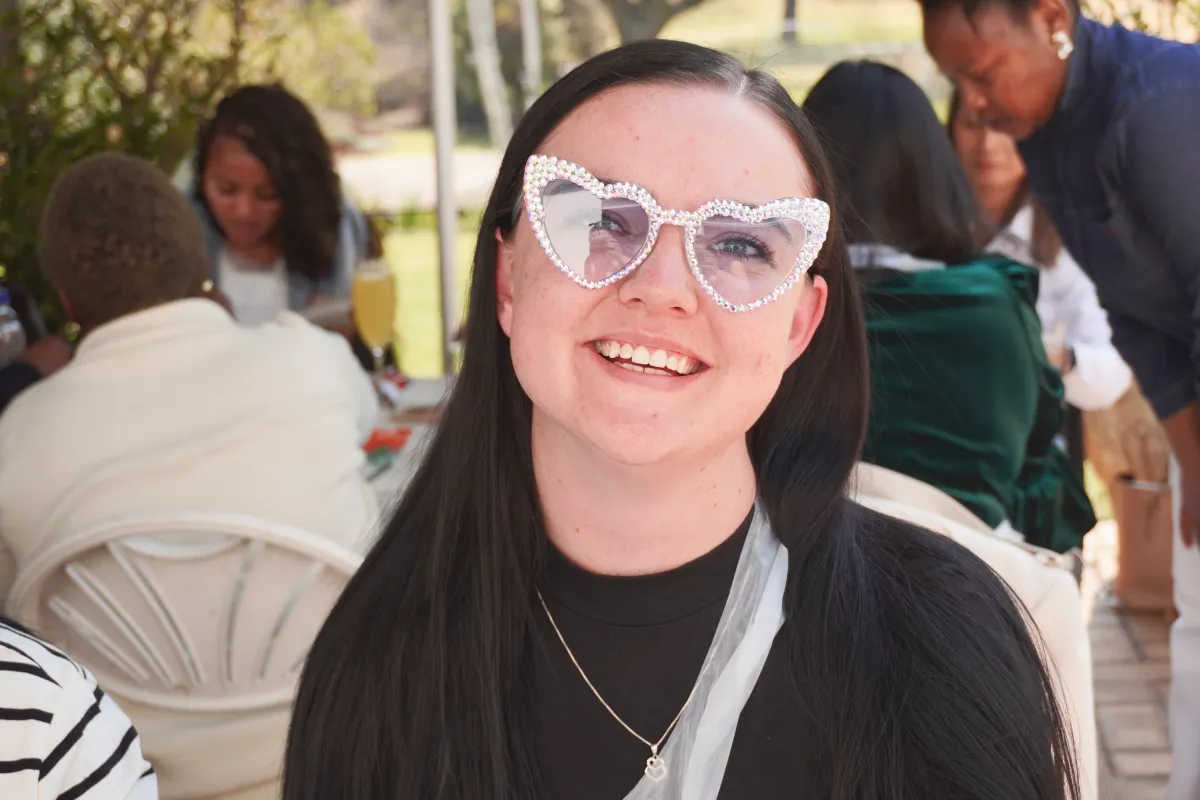
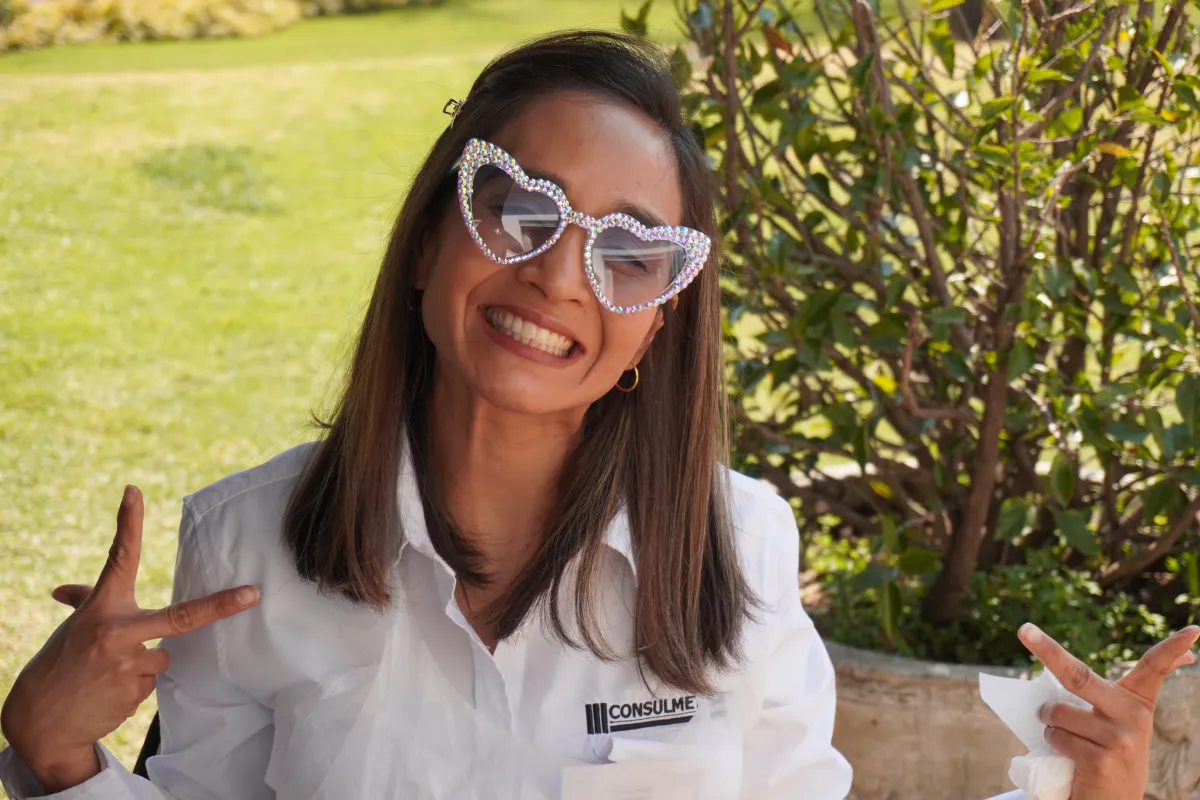
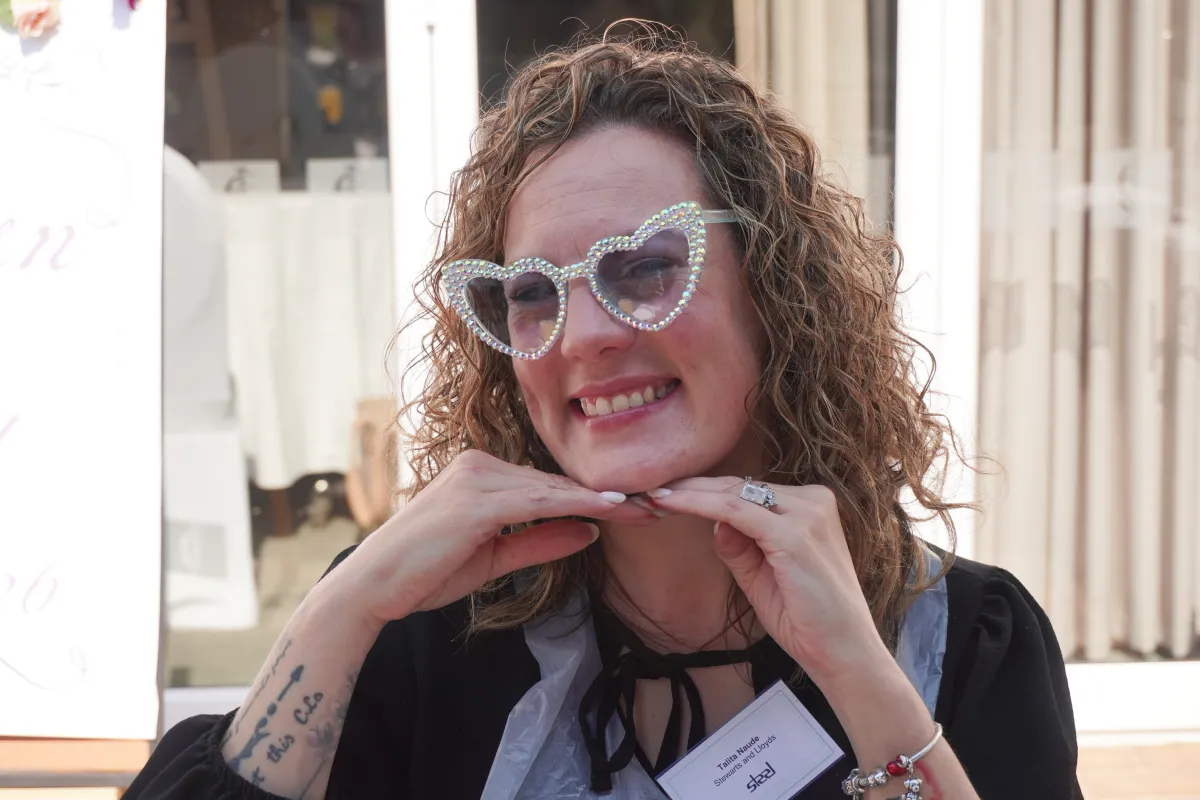
Women from across South Africa’s steel and related industries came together on 6 August for the SAISC Women in Steel High Tea, creating an opportunity to step outside the demands of the working day and connect around some of the experiences, challenges and opportunities shared by women across the sector.
Hosted at the Auckland Country Club during the Southern African Institute of Steel Construction’s 70th anniversary year, the event centred on the theme “Building on 70 Years of Legacy: Practical Wisdom for the Next Generation of Women in Steel.”
While the occasion offered an opportunity to celebrate women in the industry, the conversations throughout the day pointed to something equally important: the value of confidence, connection and professional networks in helping more women build lasting careers and progress into leadership.
FINDING YOUR VOICE
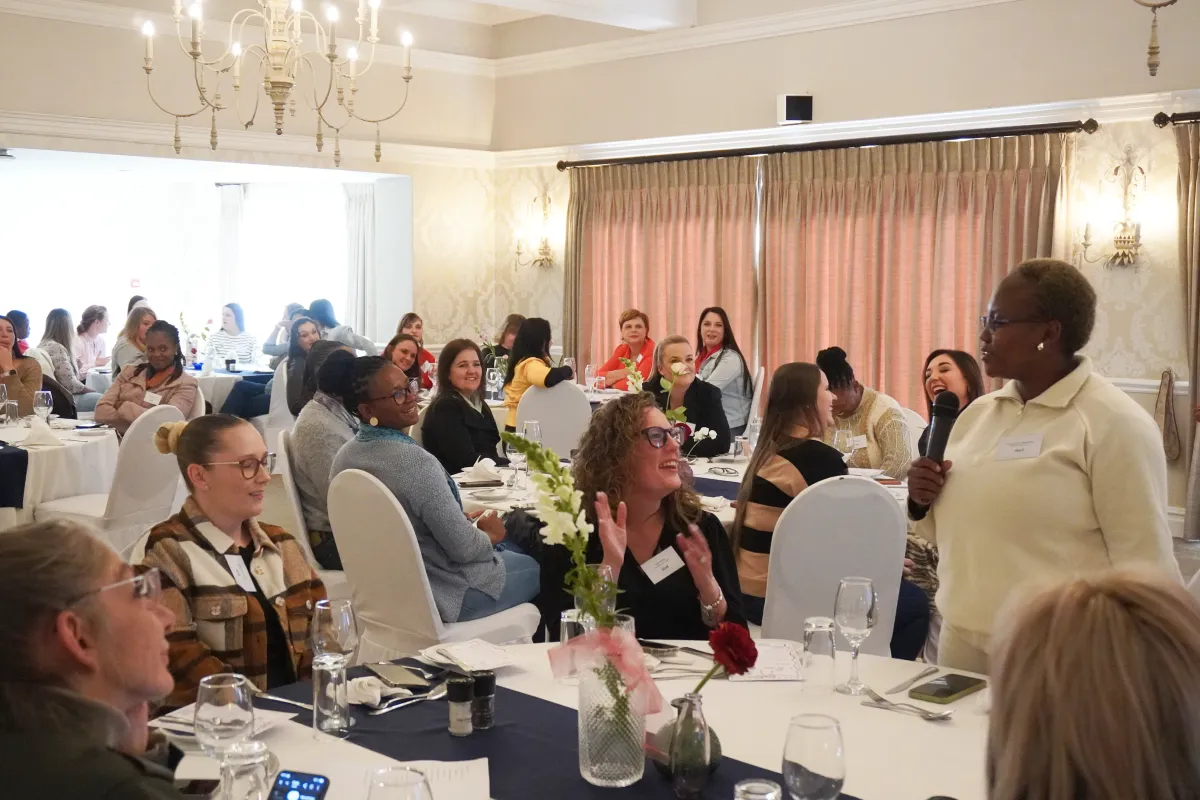
SAISC Chair Nicolette Skjoldhammer challenged attendees to consider what it means to find your voice in the rooms that matter, but rather than delivering the message through a conventional presentation alone, she surprised the women in the room with an interactive exercise.
Attendees were asked to get out of their seats, participate and speak, turning the idea of finding your voice into something that had to be practised rather than simply discussed.
Skjoldhammer explained why she chose to do it this way rather than simply present on the topic.
“When I was asked to speak about women finding their voices, I did not feel that me standing at the front and speaking to the room truly embodied the topic. I wanted the women themselves to stand up, experience the discomfort and discover that they could speak confidently, even when put on the spot or challenged.”
What struck her most was how quickly the room shifted.
“What stood out was how quickly the initial nervousness turned into energy, humour and confidence. Once they stood up, they committed fully, and the room was incredibly supportive of every speaker.”
It was a fitting starting point for a theme that continued throughout the event.
Reflecting on the session afterwards, Vuyiswa Miya-Mokwana, Industrial Relations Executive at SEIFSA, observed that the morning demonstrated that there is more than one way to find your voice and, importantly, that women should know there is a community rooting for their success.
For women working in industries that have historically been male dominated, having that community and the confidence to contribute can be significant.
For Skjoldhammer, the exercise spoke to a challenge that extends well beyond one high tea.
“Women in our industry are often still underrepresented in the rooms where important decisions are made. Creating opportunities to practise speaking up, challenging ideas and supporting one another helps build the confidence needed to participate meaningfully in those rooms.”
Mandy de Oliveira of Stewarts & Lloyds, whose contribution explored leadership through connection and influence, believes women can sometimes underestimate the value they already bring to their organisations.
“Women can have great ideas and valuable opinions but may hold back because they don’t feel confident enough to speak up. Sometimes we need to realise that our voice and experience are already valuable. We just need to use them.”
She also challenged the assumption that leadership and influence belong to the loudest person in the room.
“The women I see as strong leaders are not necessarily the ones who demand attention, but the ones who can communicate properly, express their ideas confidently and get people to listen. You don’t have to be the loudest person in the room to have influence.”
Miya-Mokwana echoed this sentiment, noting that influence is not necessarily about title or power, but about becoming someone others know they can consistently rely on.
BUILDING THE NETWORKS THAT BUSINESS IS BUILT ON
Connection was a recurring theme throughout Women in Steel, not simply as a social benefit, but as an important part of professional development.
As de Oliveira pointed out, networking and relationship building have long played an important role in business.
“Networking is incredibly important. That’s how the men have been doing it for years!” she said, using golf as a familiar example of how shared interests can develop into relationships and ultimately business connections.
“Women are just as capable of building those relationships. Communication, trust and influence are key, and we shouldn’t be afraid to use them.”
Miya-Mokwana offered a broader industry perspective on why platforms such as Women in Steel matter.
“Each generation of women has changed the working world in one way or another. They have paved the way for others to not experience the same or similar challenges in industry. Networking platforms remind women that they are not on their own, and give them an opportunity to share solutions and strategies.”
This ability to learn from one another is particularly valuable in an industry encompassing multiple disciplines, career stages and professional environments.
Women entering the sector today may face a different workplace from those who entered it twenty or thirty years ago, but much of that progress exists because previous generations challenged conventions, created opportunities and shared what they learned along the way.
Creating opportunities for those generations to connect helps ensure that experience is shared and carried forward.
CONNECTING BEYOND THE WORKPLACE
The day was deliberately not all business.
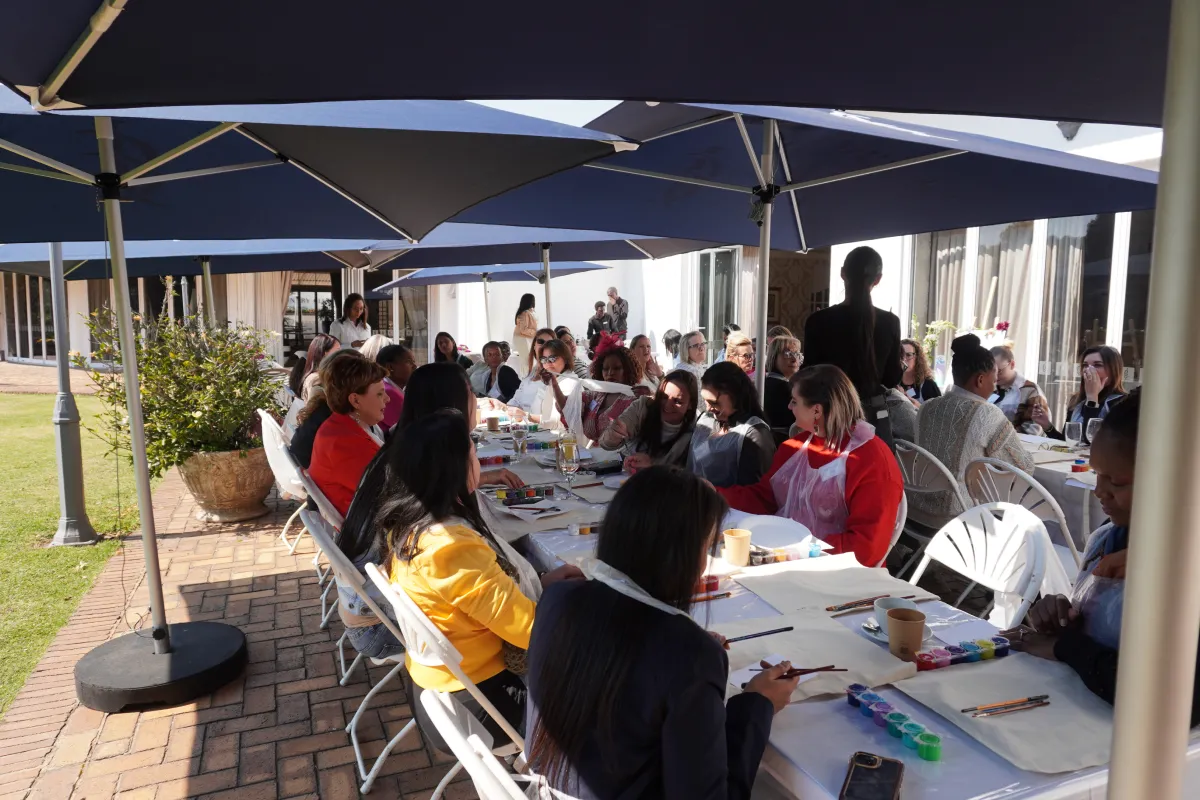
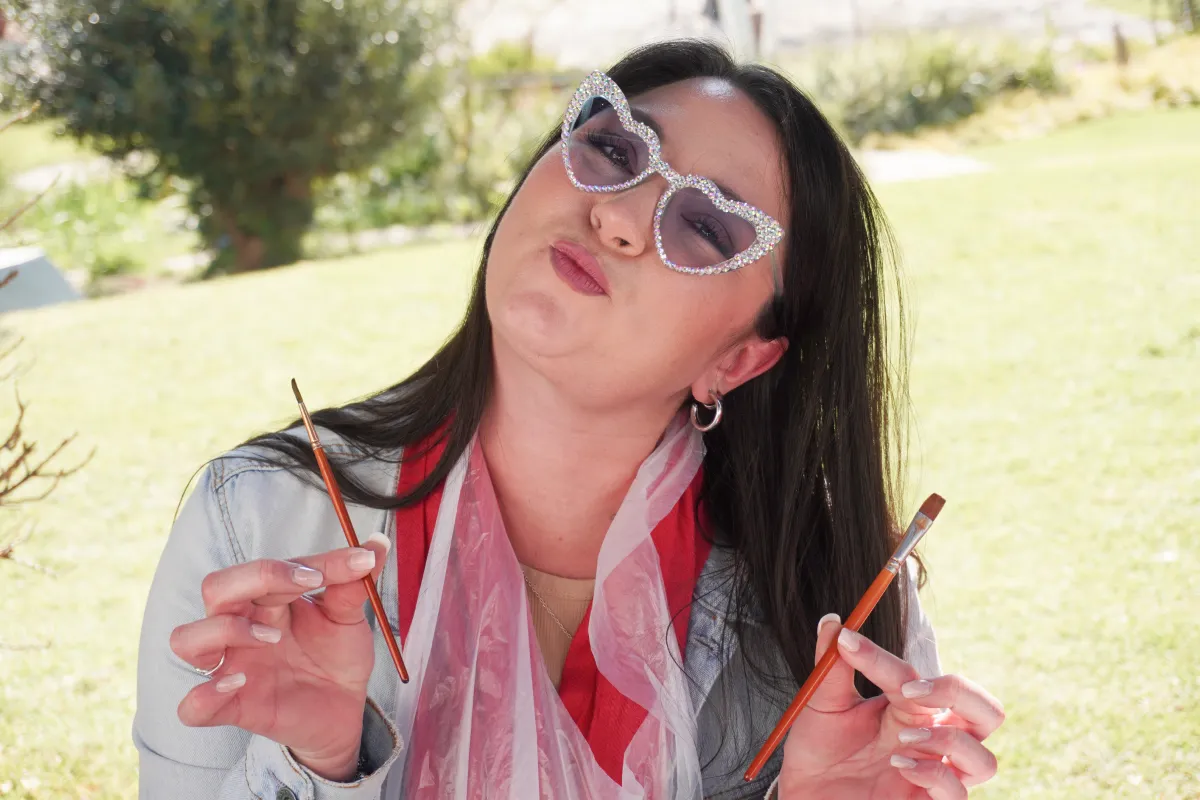
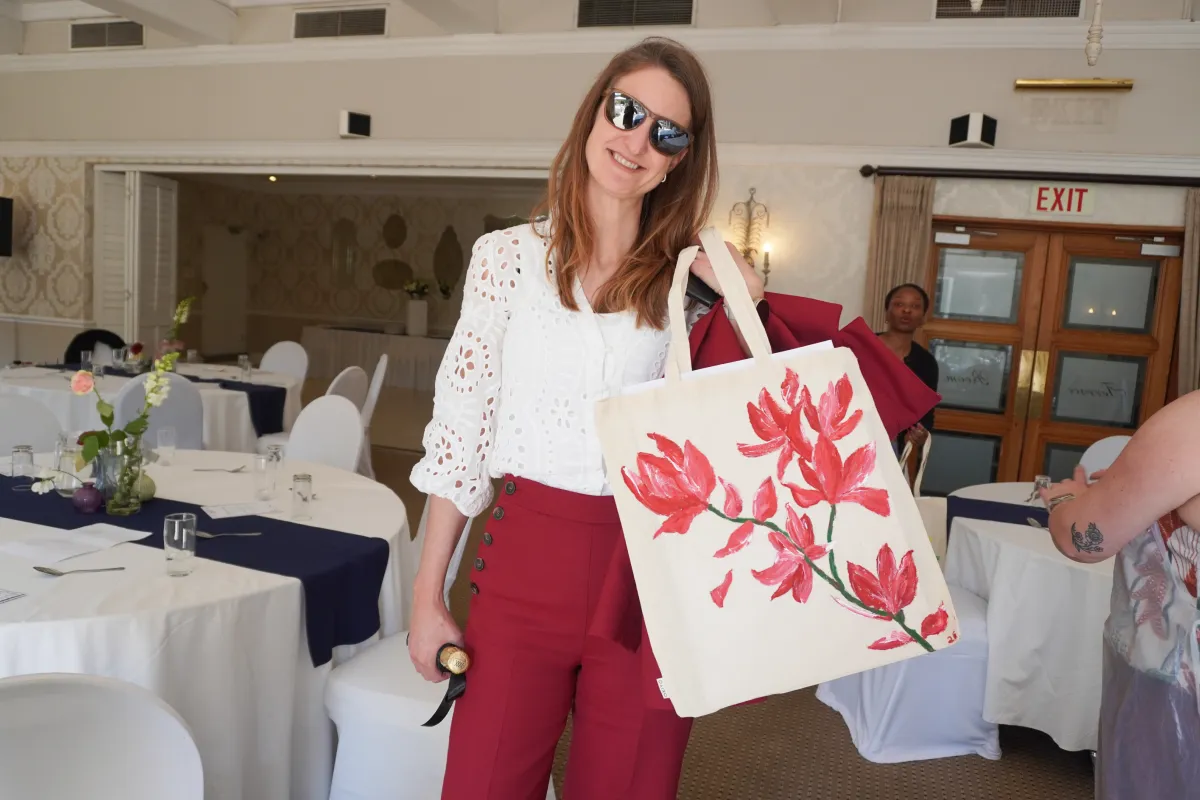
The second half of the programme shifted into a more relaxed and creative space, giving attendees an opportunity to connect differently through a Paint & Sip activity.
For de Oliveira, it became one of the unexpected highlights of the event.
“I really enjoyed seeing the creativity that went into the bags. It was a great opportunity to see a different side of our ladies, and I definitely identified some real talent amongst them. It reminded me that there is so much more to people than just the role they have at work.”
Miya-Mokwana summed up the atmosphere as “the perfect mix of inspiration, relaxation and connection.”
She also highlighted the balance between meaningful discussion and enjoyment, noting that although the work women do across the sector may be serious, that does not mean there cannot also be space for fun, creativity and genuine human connection.
That balance matters.
Relationships are not built only around boardroom tables, project meetings or formal networking sessions. Sometimes the conversations that build trust and open new professional connections happen when people are given an opportunity to step outside their usual routines and simply engage with one another.
FROM CONNECTION TO INDUSTRY LEADERSHIP
As SAISC marks 70 years in 2026, reflecting on legacy inevitably raises another question: who will shape the industry’s next chapter?
For Women in Steel, the conversation cannot end at encouraging more women to enter the sector. The longer term challenge is creating an environment in which women can build careers, remain within the industry and progress into positions where they can influence its future.
Miya-Mokwana identified mentorship as one practical part of that journey, highlighting the importance of mentorship from both women and men already occupying leadership positions.
“We need to champion for women to be placed in strategic decision-making positions, and also provide them with the necessary leadership tools to enable them to fulfil their work.”
The ambition, therefore, extends beyond representation.
Looking ahead, Miya-Mokwana would like to see a broader Women in Steel initiative help the industry “attract, train and retain more women”, while ensuring that women do not progress only as far as middle management, but increasingly become leaders within the industry.
Collaboration between industry organisations could play an important role in making that possible.
Miya-Mokwana believes collaboration between SAISC and SEIFSA can broaden the reach of these initiatives, bring more women into the conversation and provide a fuller understanding of women’s experiences across the industry.
Both organisations ultimately share an interest in strengthening an industry that contributes to economic growth, and creating stronger pathways for women to participate and lead forms part of that bigger picture.
While conversations around what a broader Women in Steel platform could become are still at an early stage, the opportunity is clear.
Asked what she would like to see Women in Steel grow into, Skjoldhammer was clear.
“I would like it to become a strong, practical network that creates mentorship, collaboration and tangible opportunities for women across the industry. It should be a platform that helps women build relationships, grow their confidence and progress into influential roles.”
The event demonstrated an appetite not only for celebration, but for connection, mentorship, shared experience and practical conversations about confidence and leadership.
If those conversations continue beyond a single event, Women in Steel has the potential to contribute to something bigger: a stronger network of women who support one another, share knowledge across generations and increasingly take their place in the decisions shaping the future of the steel industry.
For women who may still question whether they know enough, belong in the room or should take the opportunity in front of them, de Oliveira offered perhaps the simplest message:
“Believe in yourself. You know more than you think you do, and you have more to offer than you sometimes give yourself credit for. Put yourself out there, speak up, take the opportunity and don’t overthink it. You’ve got this!”
Skjoldhammer offered a similar challenge to close out the day. “Do not wait until you feel completely ready or until someone formally invites you into the conversation. Pull up the chair, make your contribution and trust that your perspective belongs in the room.”