
As the Southern African Institute of Steel Construction (SAISC) marks its 70th anniversary, we reflect on how we have developed as a technical institute. SAISC is built on an inclusive network of engineers, fabricators, architects, detailers, steel merchants, mills, contractors, developers and educators.
Over our lifetime, the steel industry has changed substantially. Supply dynamics, economic pressures, evolving standards and rising expectations around quality and accountability continue to reshape it.
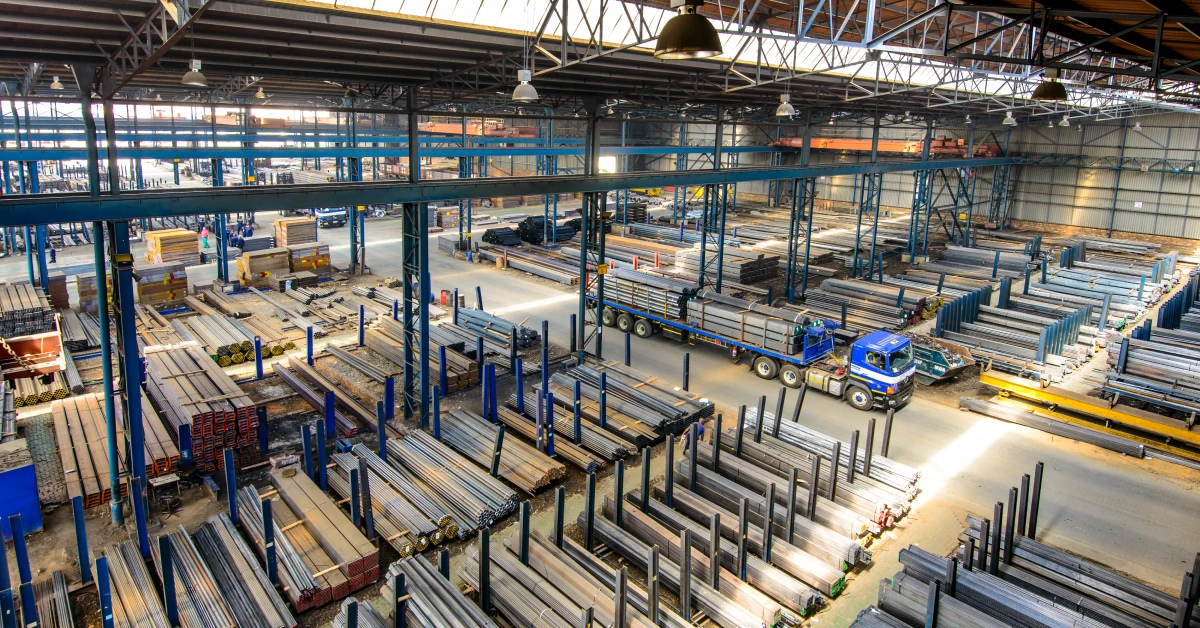
Trade measures and supply constraints
Trade measures have changed too. After investigations by the International Trade Administration Commission of South Africa (ITAC), definitive anti-dumping duties were introduced in March 2026. They apply to structural steel imports from China and Thailand, and to flat-rolled steel imports from China, Japan and Taiwan.
We support measures that protect and strengthen local industry capability and ensure fair participation in global trade. Industry feedback has nonetheless raised concerns about the effect on import orders, particularly where certain product lines, specialised sizes and specifications are not readily available locally.
These supply constraints can affect project costs, delivery timelines and the competitiveness of South African construction and export markets. SAISC has therefore advocated an approach that gives the market enough time to adjust, while supporting the long-term strength and sustainability of local industry.
Our objective is a steel industry that is competitive, credible and trusted throughout the value chain, from mills and merchants to fabricators, engineers and clients.
Quality as a business risk
Steel quality is no longer a conversation confined to specifications and testing. It has become a broader business risk, affecting project certainty, infrastructure resilience, procurement governance and investor confidence.
Choosing the cheapest material at the point of procurement can become the most expensive decision over the life of a project. Poor-quality steel can increase maintenance costs, shorten infrastructure lifespan, and lead to delays, remedial work, disputes and reputational damage. The consequences reach beyond the construction site to developers, financiers, insurers and the wider economy.
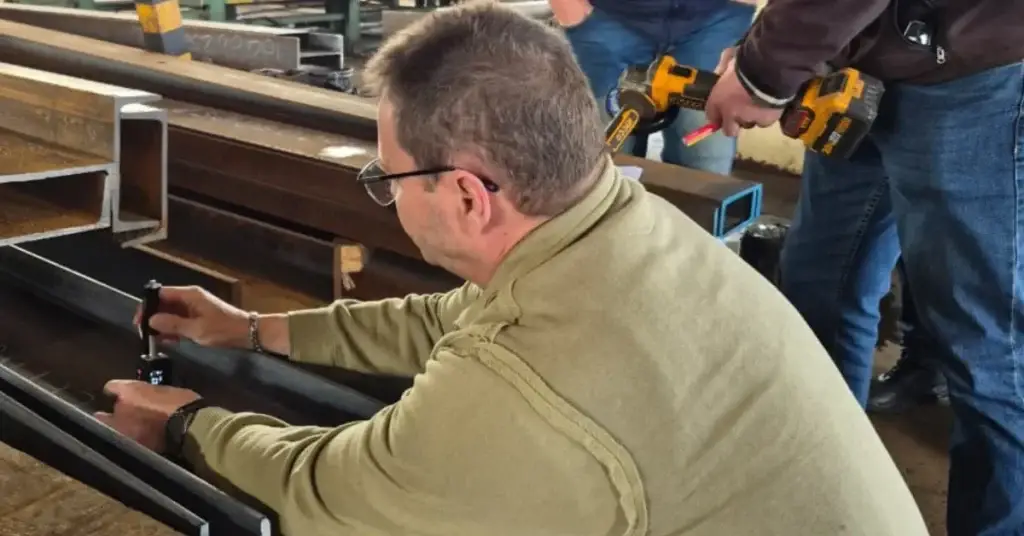
SAISC therefore developed its Material Quality Certification Programme (MQCP). This industry-led initiative is designed to strengthen confidence in structural steel entering the South African market, whether produced locally or imported.
The programme gives greater assurance on material quality, compliance and traceability, so the value chain can make better-informed decisions about material supply and recognised standards. Quality is not the responsibility of any single link in the chain. It takes collaboration from production and supply onwards.
Bringing the industry together
One encouraging development this year has been our regional Steel Forward 2026 breakfast series. It took important industry conversations directly to engineers, fabricators, merchants and mills in Johannesburg, Cape Town and KwaZulu-Natal.
Participants discussed supply, quality and traceability from different points in the value chain. They shared practical experience, challenged assumptions and considered how the industry can respond collectively. Strong engagement across all three regions reflects a sector that wants an active role in shaping its future.
Knowledge transfer through technical training, webinars, online question-and-answer sessions and industry events also gives professionals at every stage of their careers a chance to learn from experienced practitioners.
Local steel innovation, global recognition
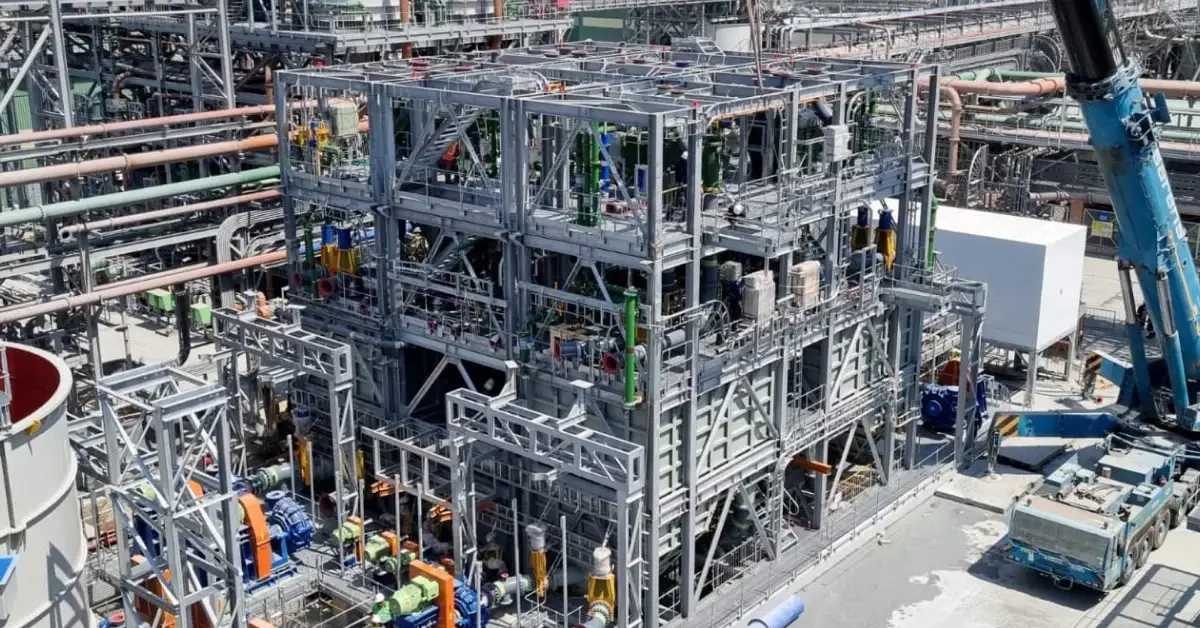
South Africa developed unpropped, long-span light steel decking years before similar research was initiated in the United States. Macsteel rollformed a 280 m roof sheet on-site, earning a Guinness World Records title. The Lycopodium Modular Project, delivered by Betterect and recognised through the SAISC Steel Awards, is another example of local capability delivering an innovative solution with global relevance.
These achievements demonstrate the local engineering, manufacturing and fabrication capability that allows South African expertise to contribute to the global industry.
Our Steel Awards take place on 29 October 2026 at Emperors Palace in Johannesburg. They will showcase steel construction capability across architecture, infrastructure, mining, industrial and commercial developments. The awards recognise both the structures and the engineers, fabricators, detailers, suppliers, contractors and project teams behind them.
Built to adapt
Seventy years have taught us the importance of adaptability. The supply landscape has changed significantly over this period, reshaping how the industry sources, specifies and assures the material at the heart of what it builds.
Through these changes, the fundamentals remain. Technical expertise matters. Quality and standards matter. Trusted relationships throughout the value chain matter.
As SAISC enters its next chapter, our commitment is much the same as it was in 1956. Through our member network, quality initiatives, technical training, knowledge sharing, regional engagement and platforms such as the Steel Awards, we will keep supporting an industry that is connected, technically capable and confident in its future.
We will continue to evolve with the industry.
This article first appeared in the Spring 2026 issue of To Build.