Project Type
Project Team Interview Case Study
Location
Steel Profiles Used
  • Date of Steelwork Completion
    2025-06-02
  • Tonnage
    130
Metal Cladding and Roofing Overview
  • Date of Cladding Completion
    2025-03-03
  • Material Used
    Roof Saflok 700-Sides IBR
  • Cladding Tonnage
    35
  • Cladding Area Coverage (m2)
    5500
Project Overview

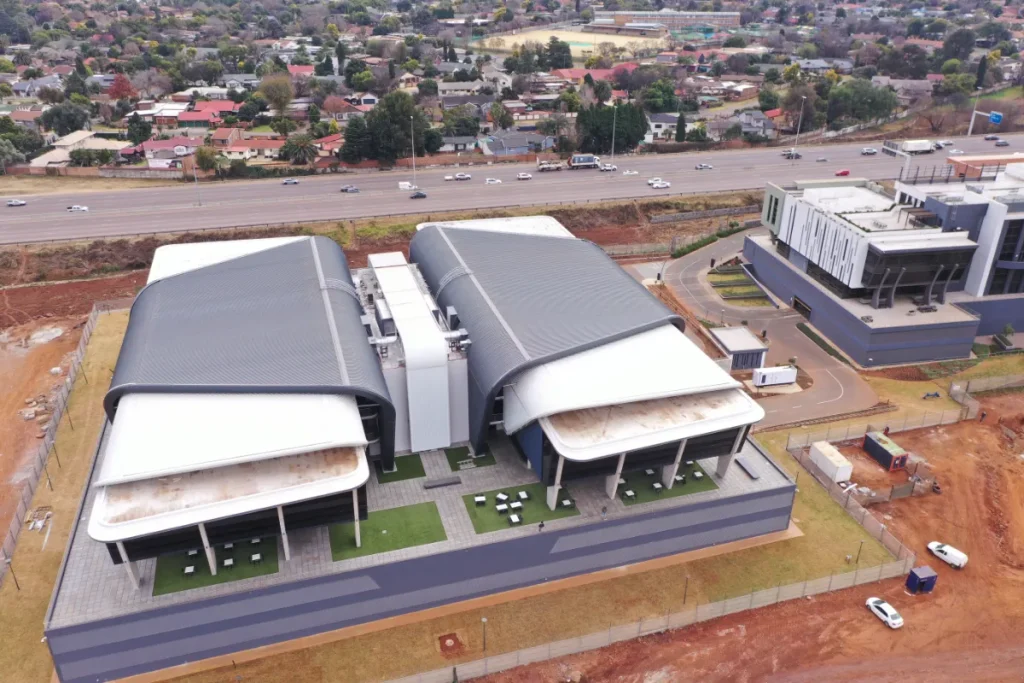
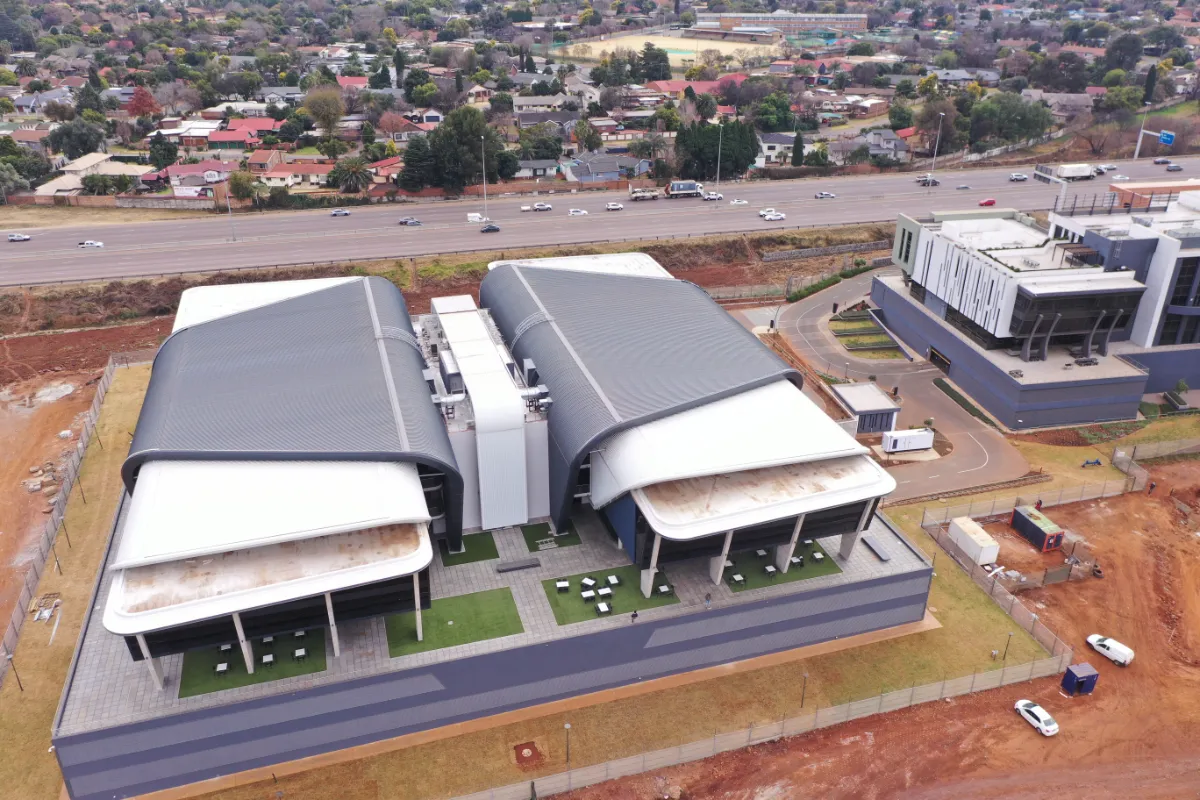
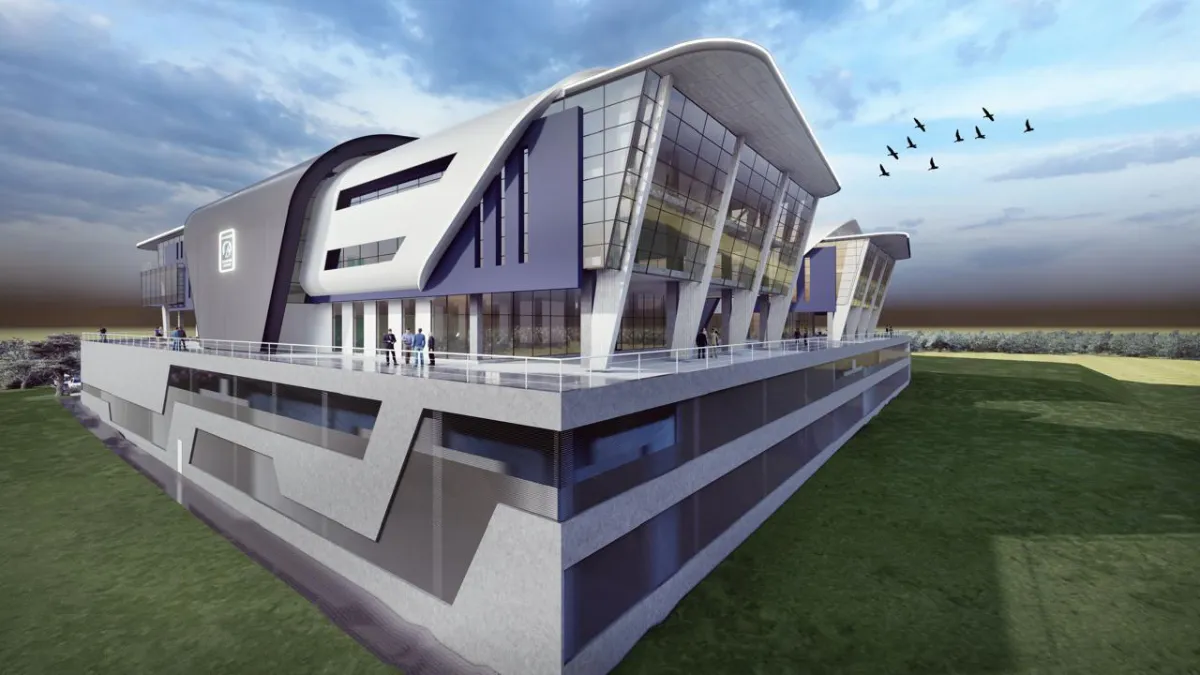
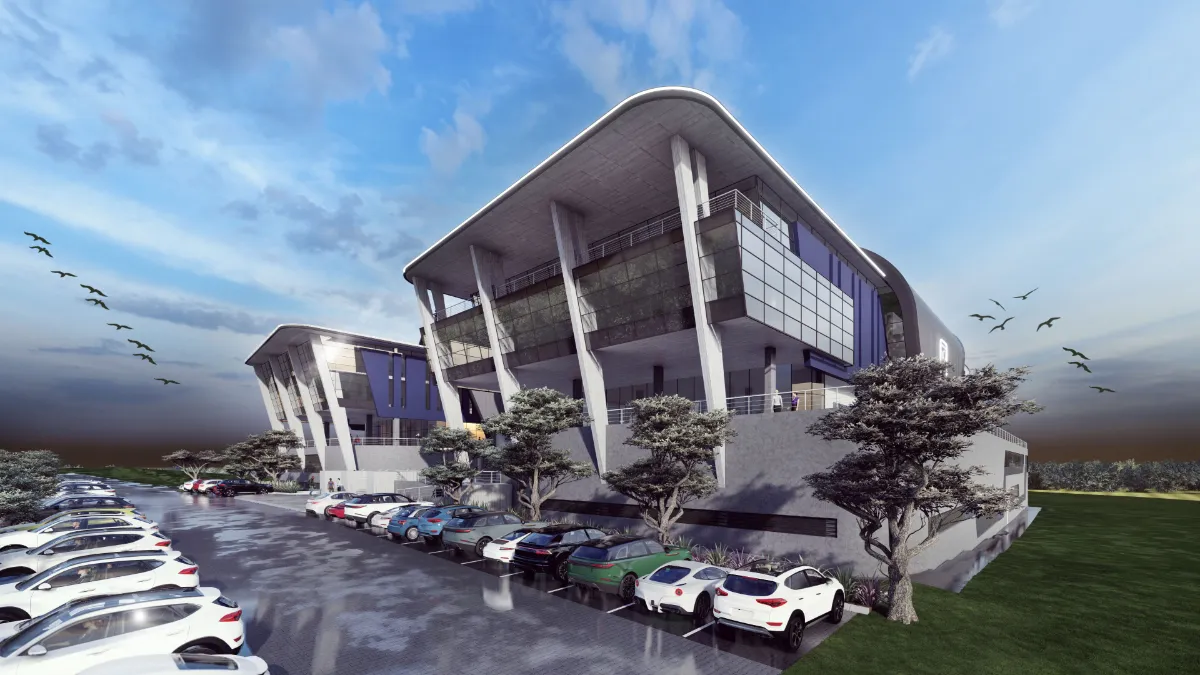
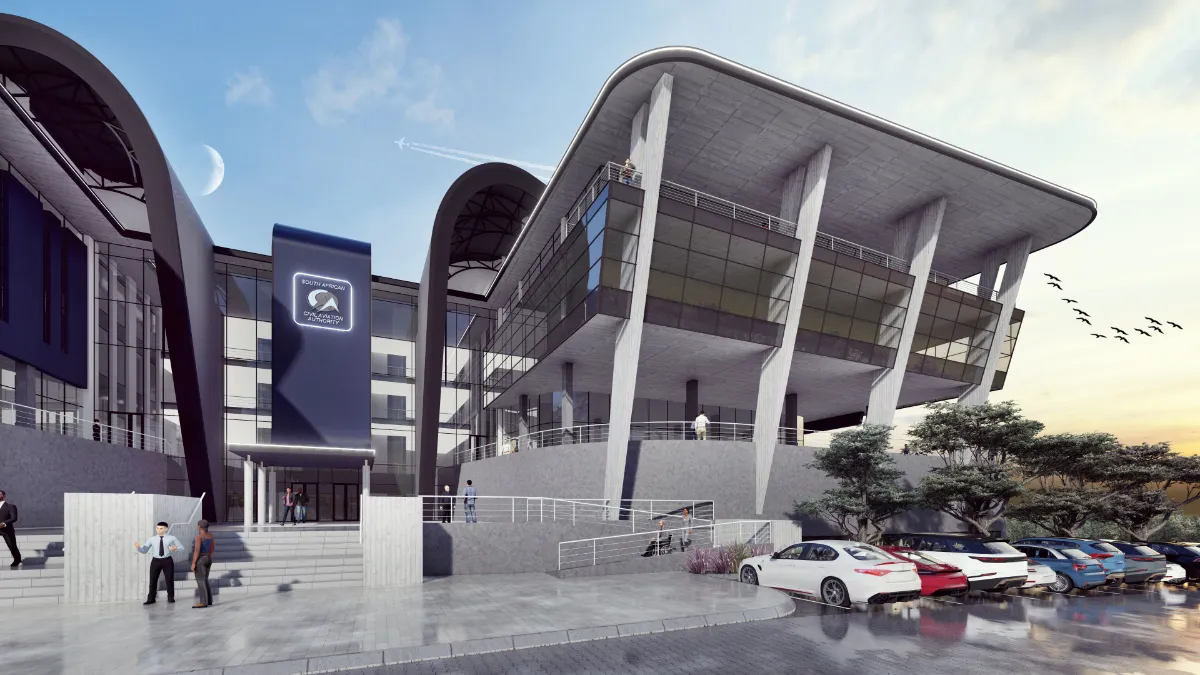
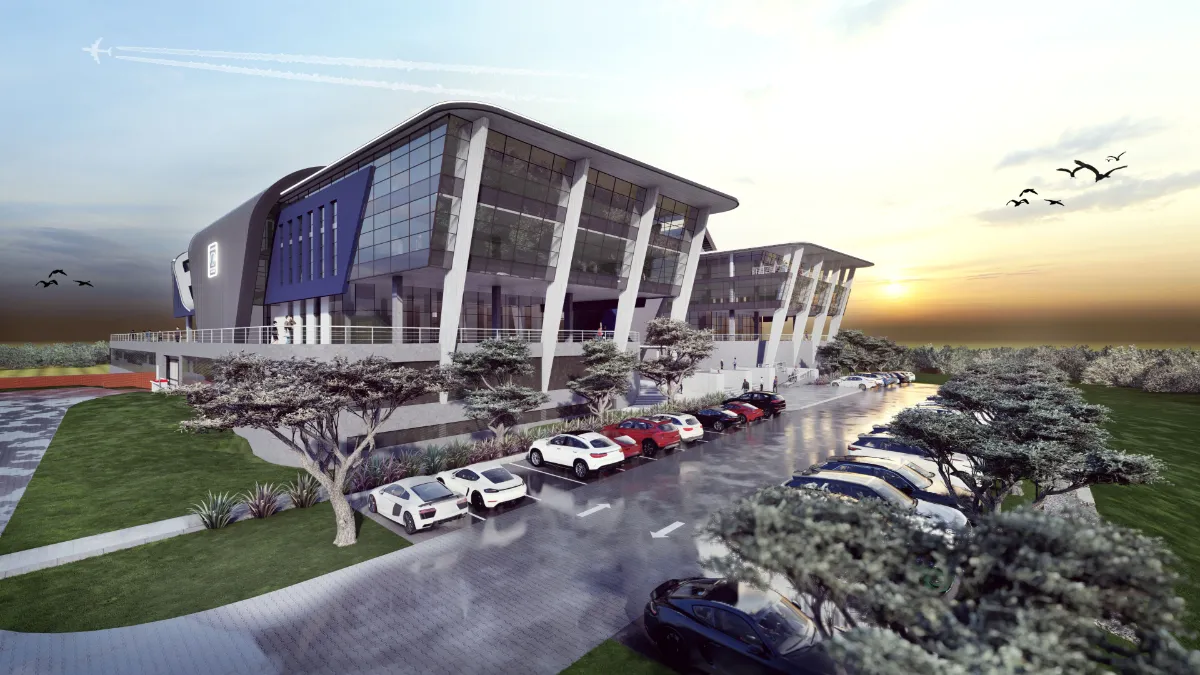
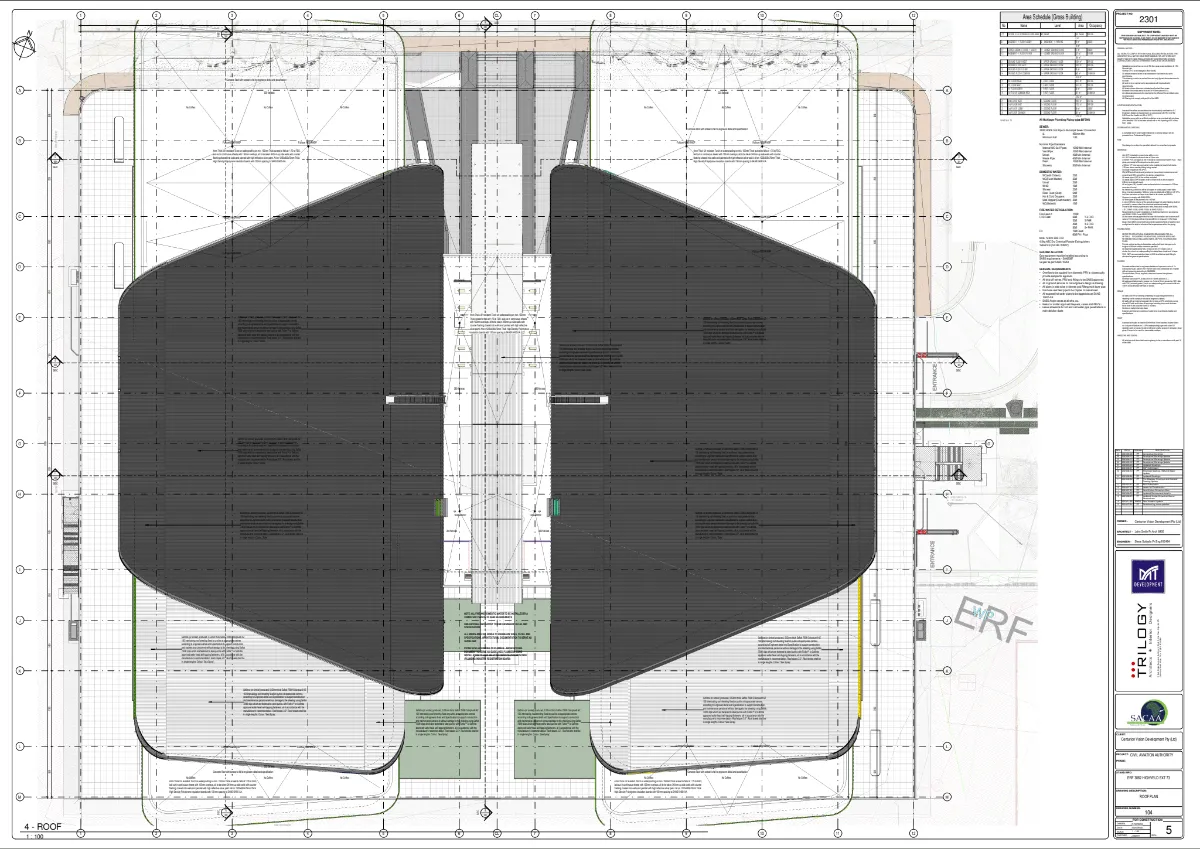
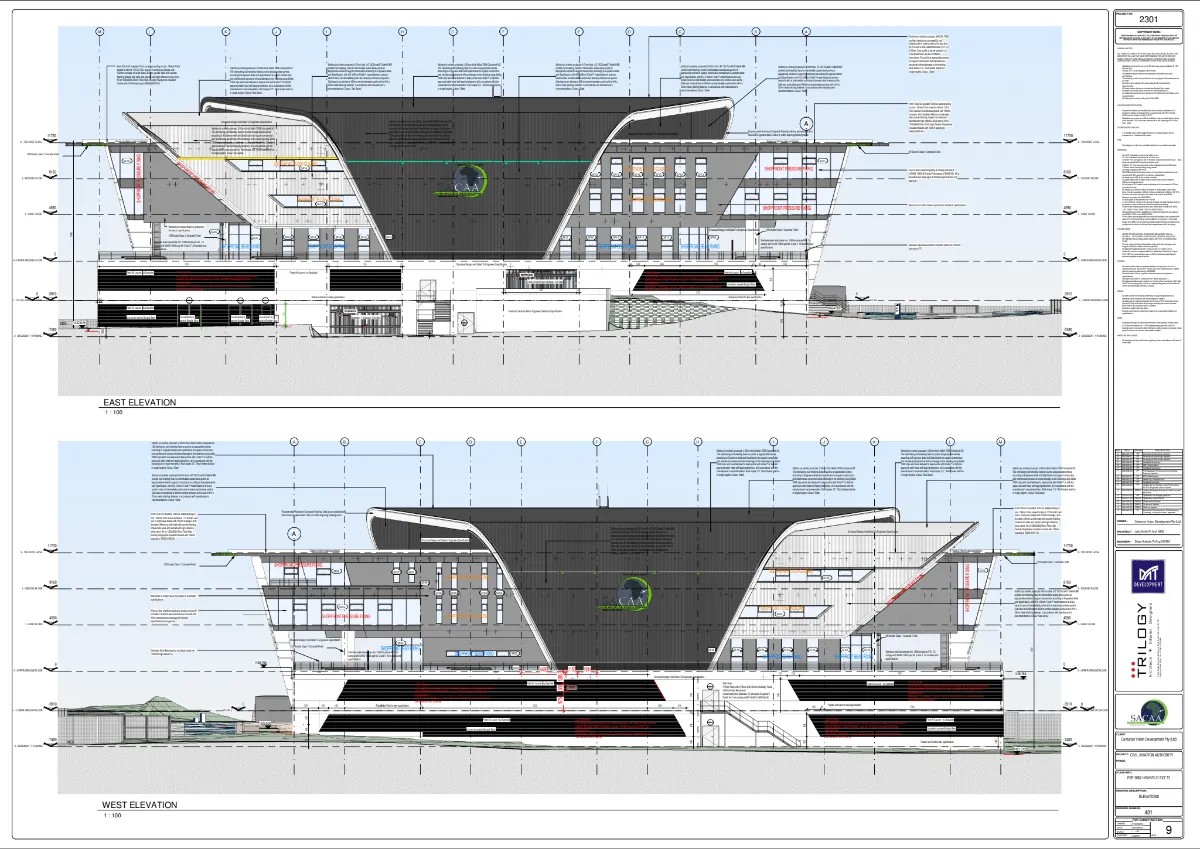
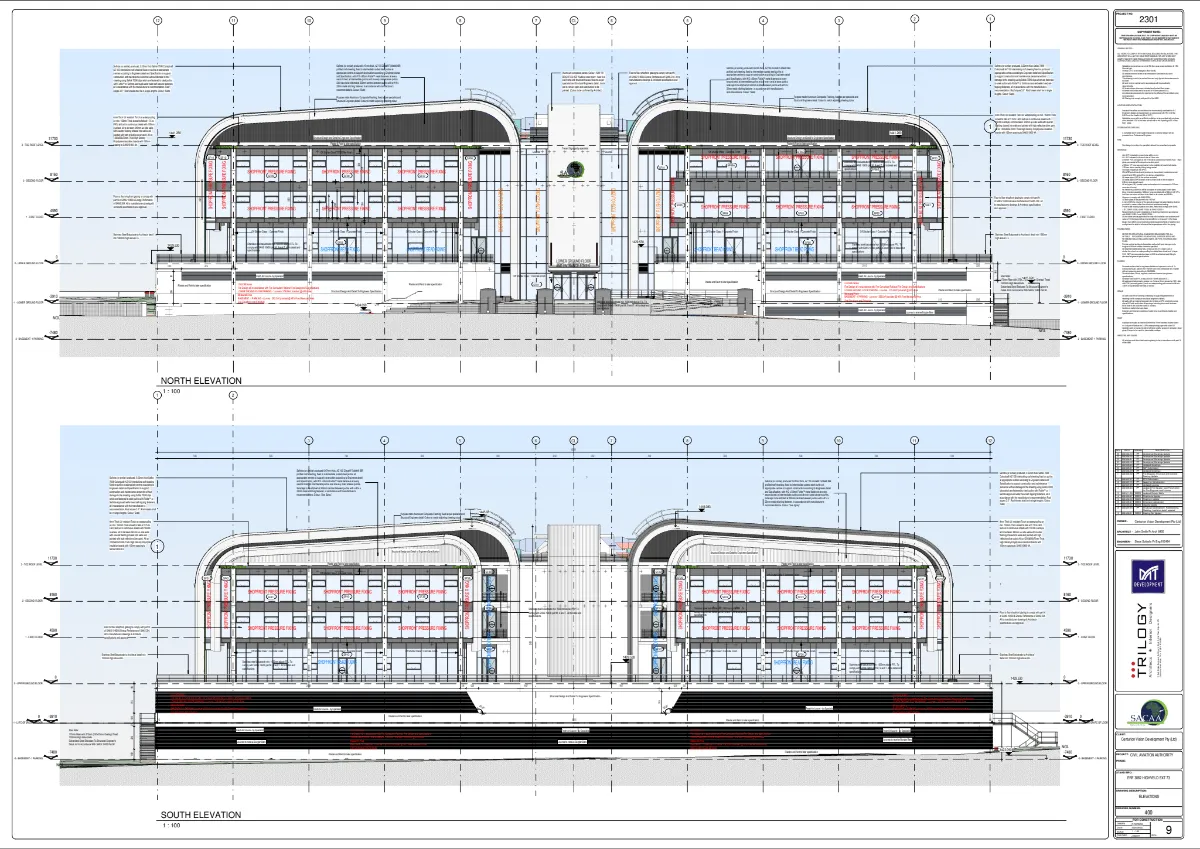
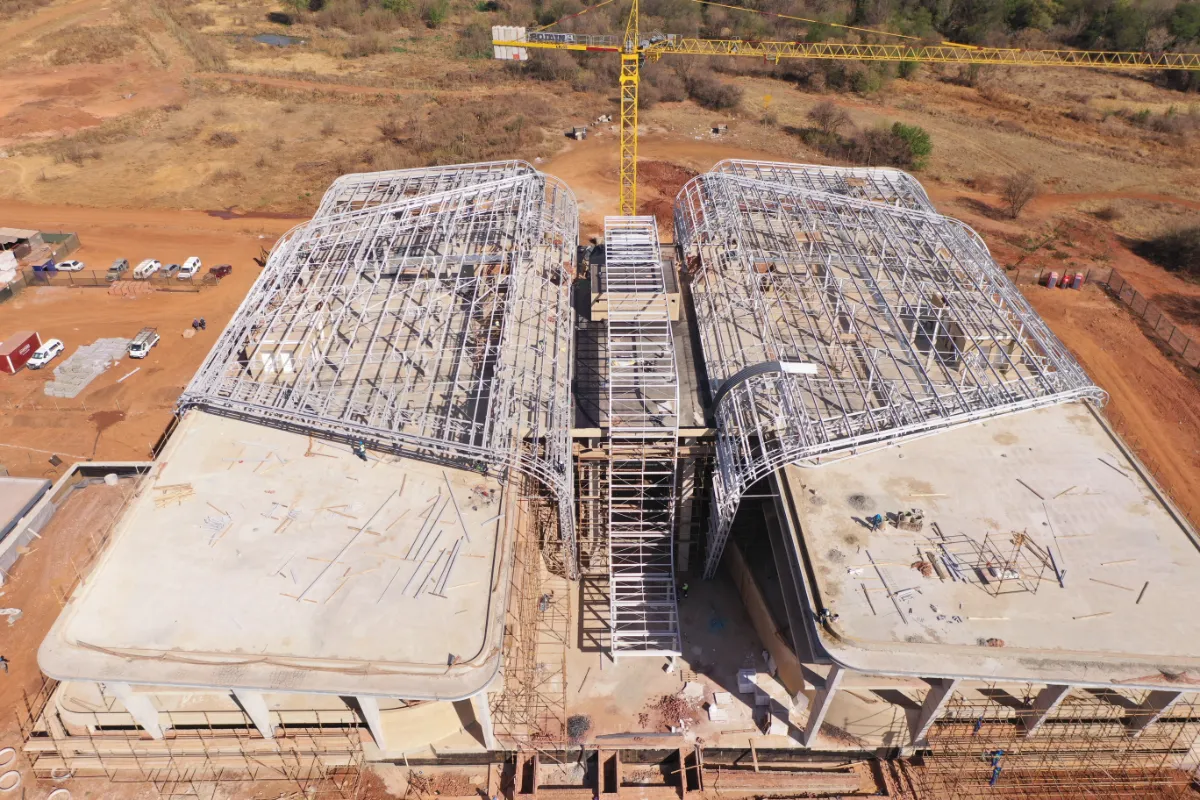
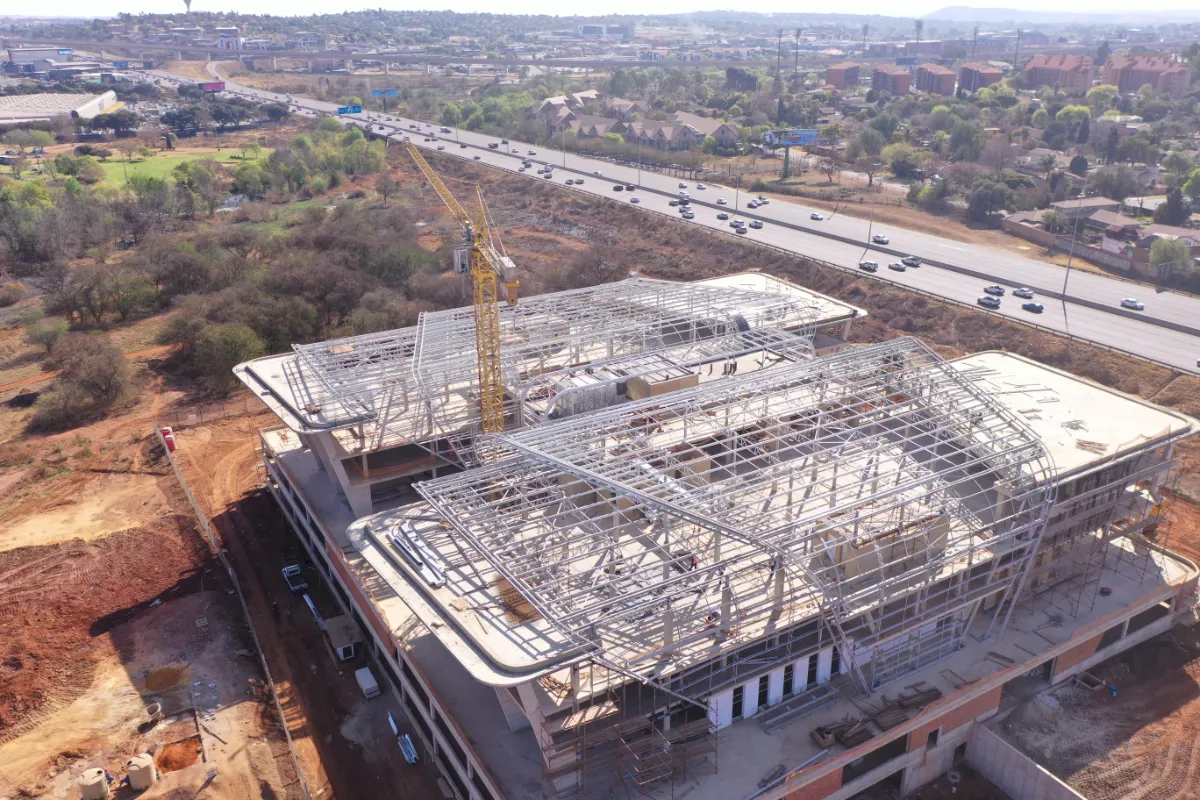
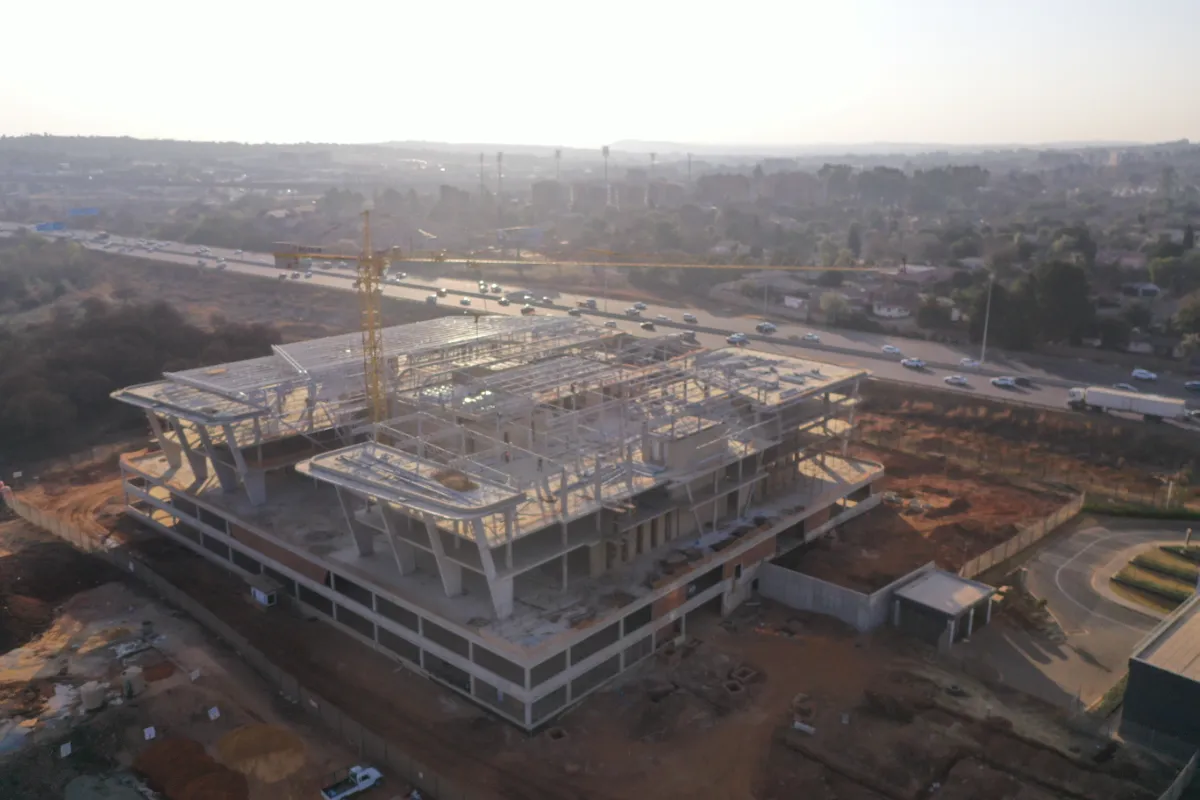
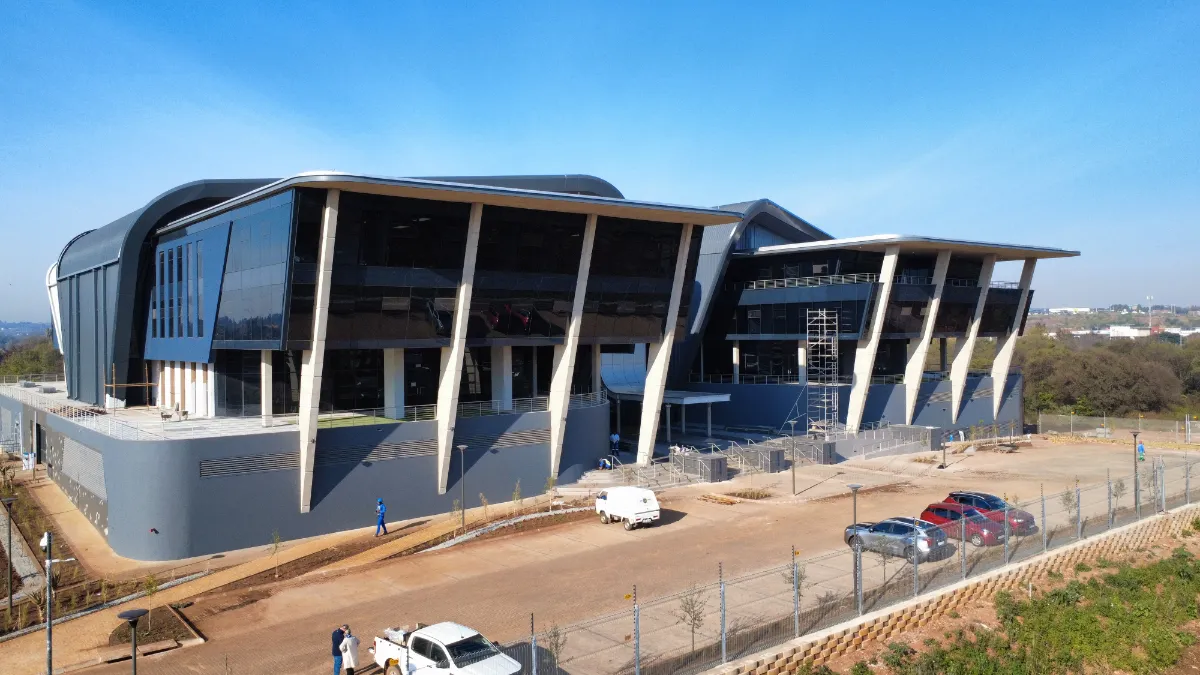
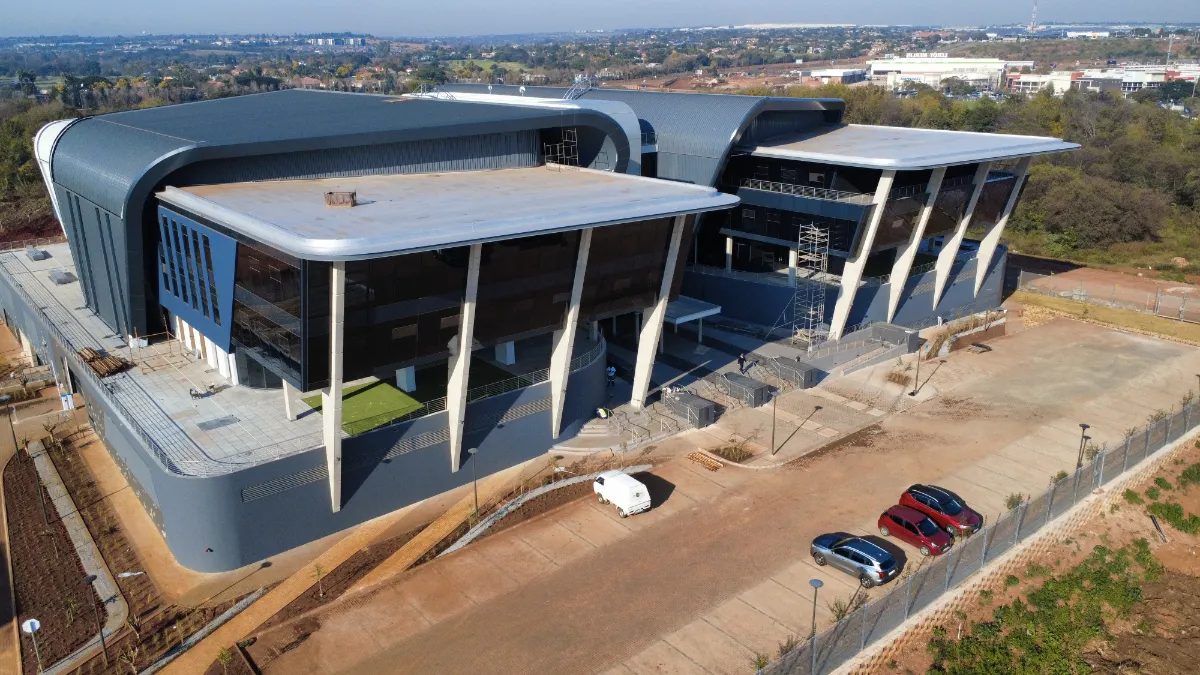
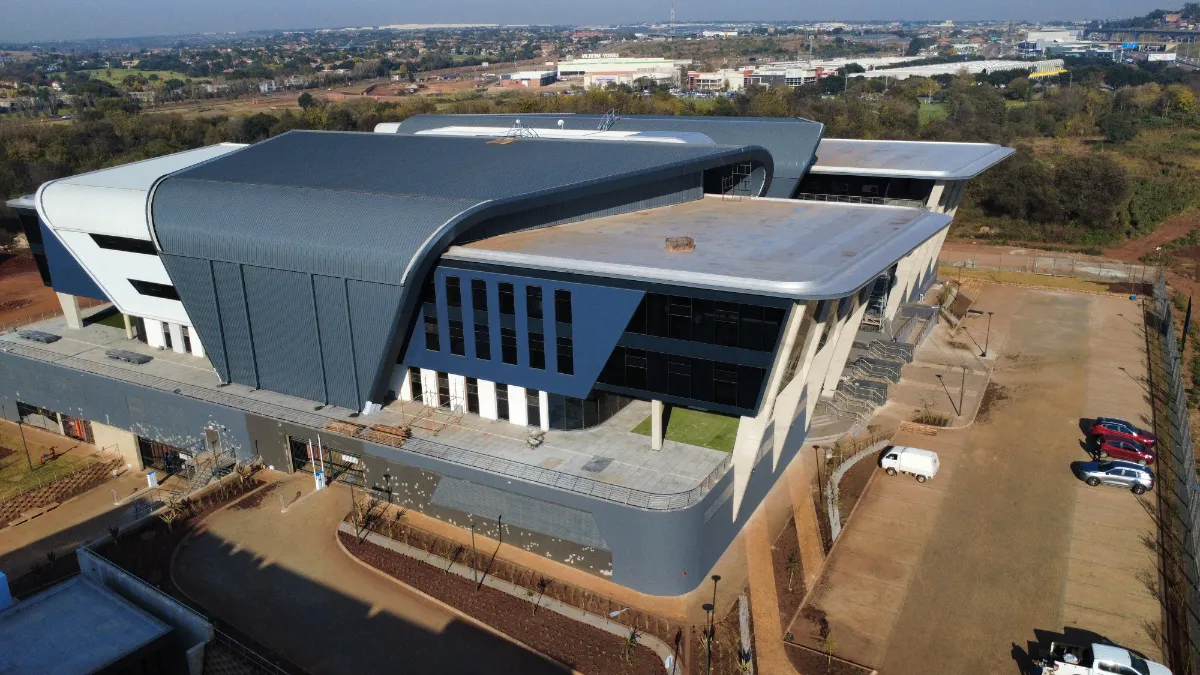
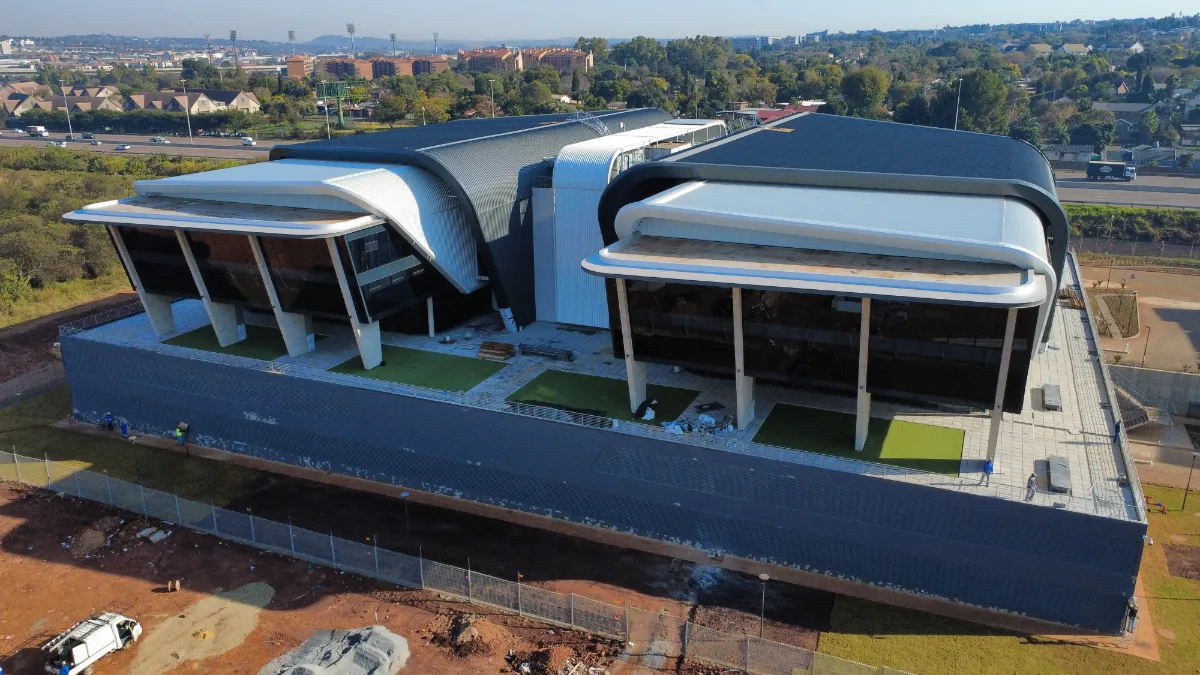
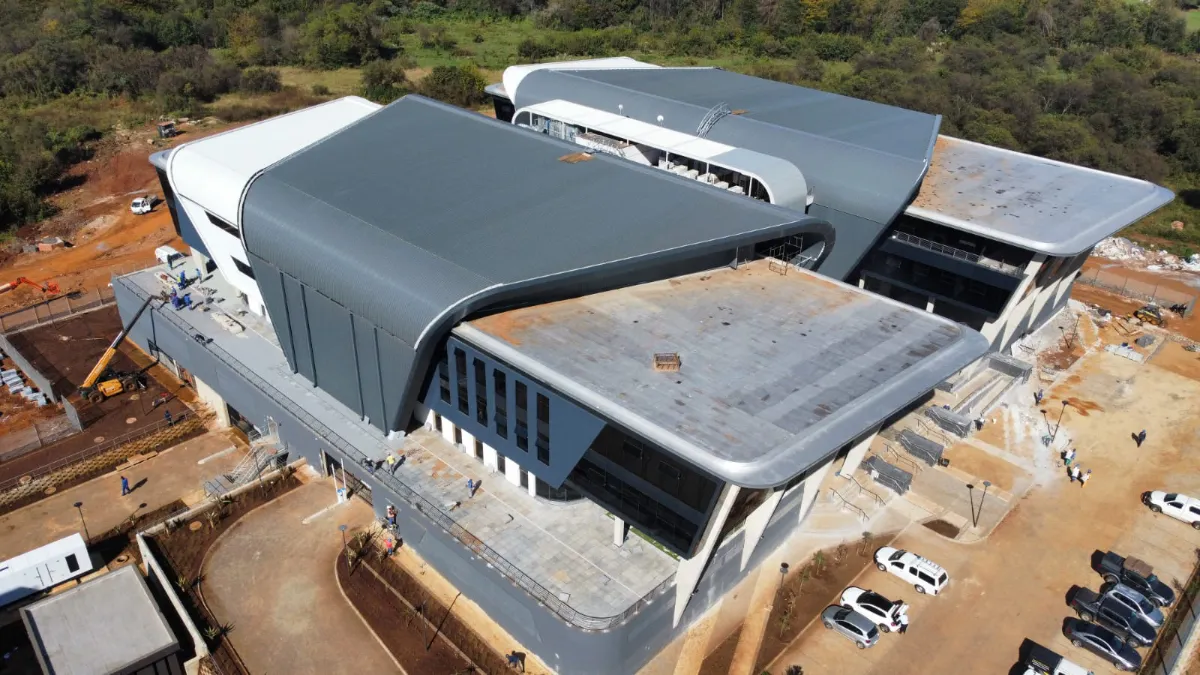
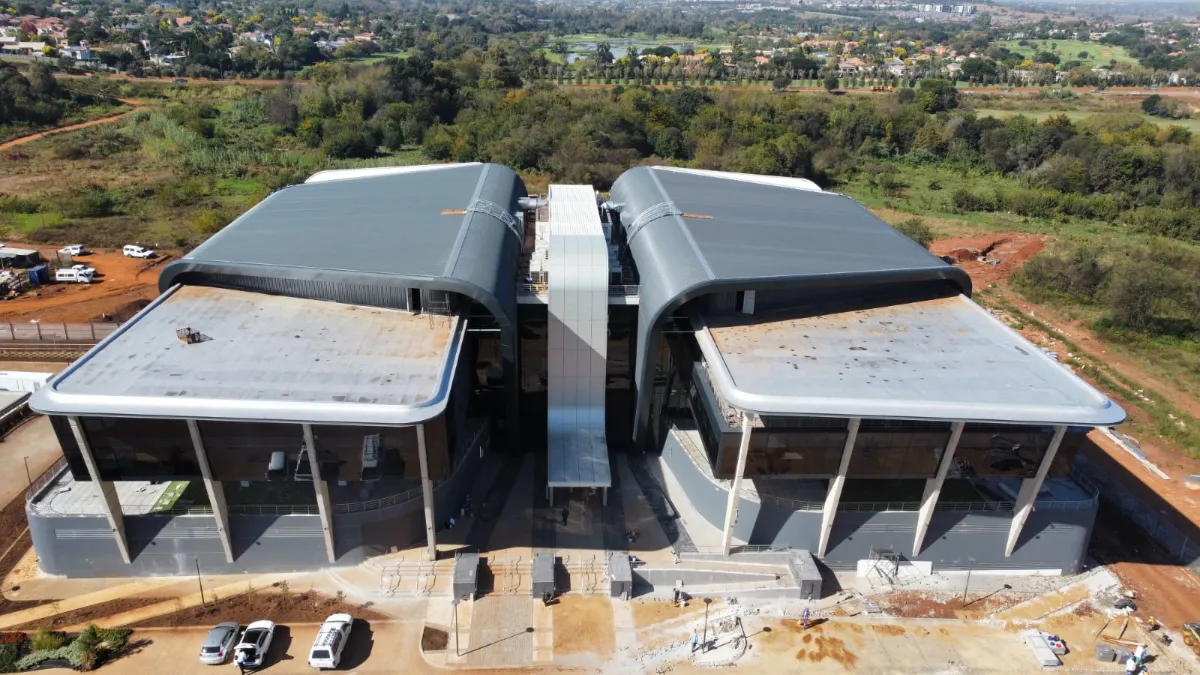
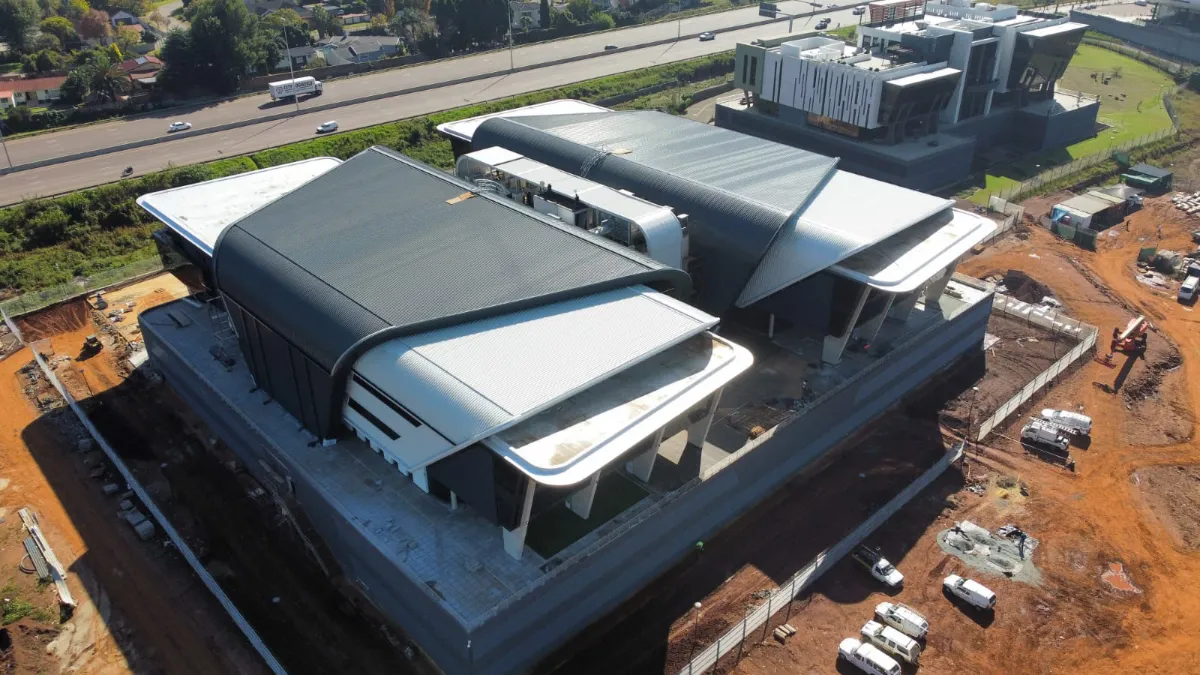
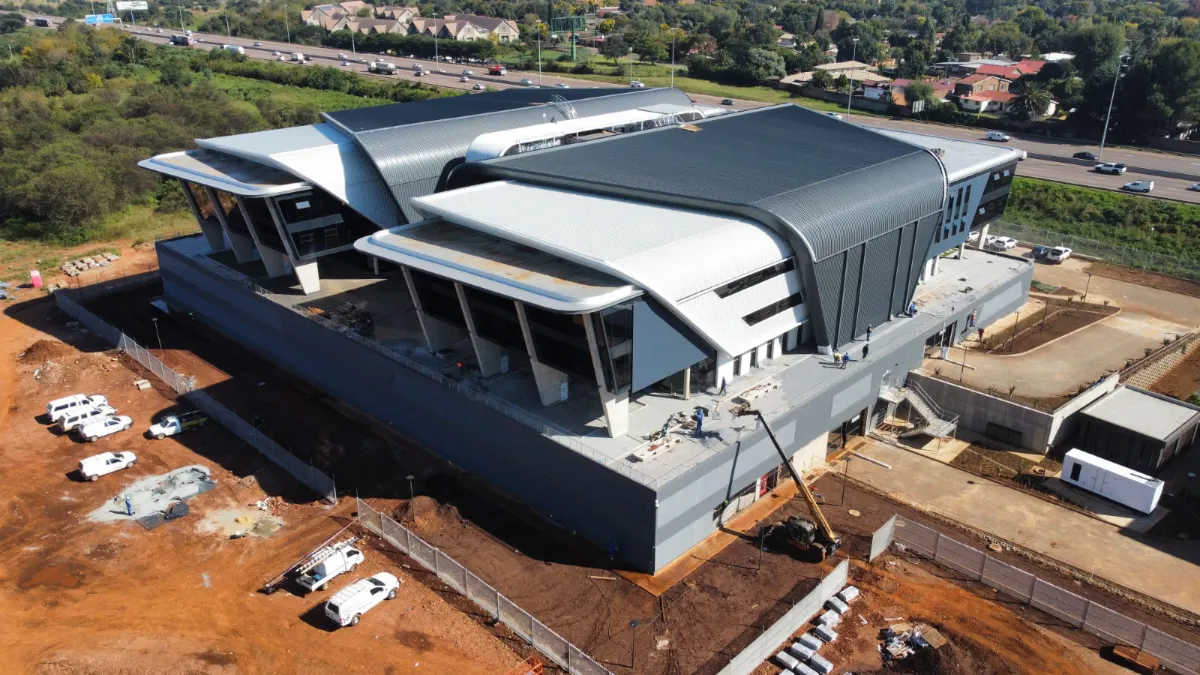
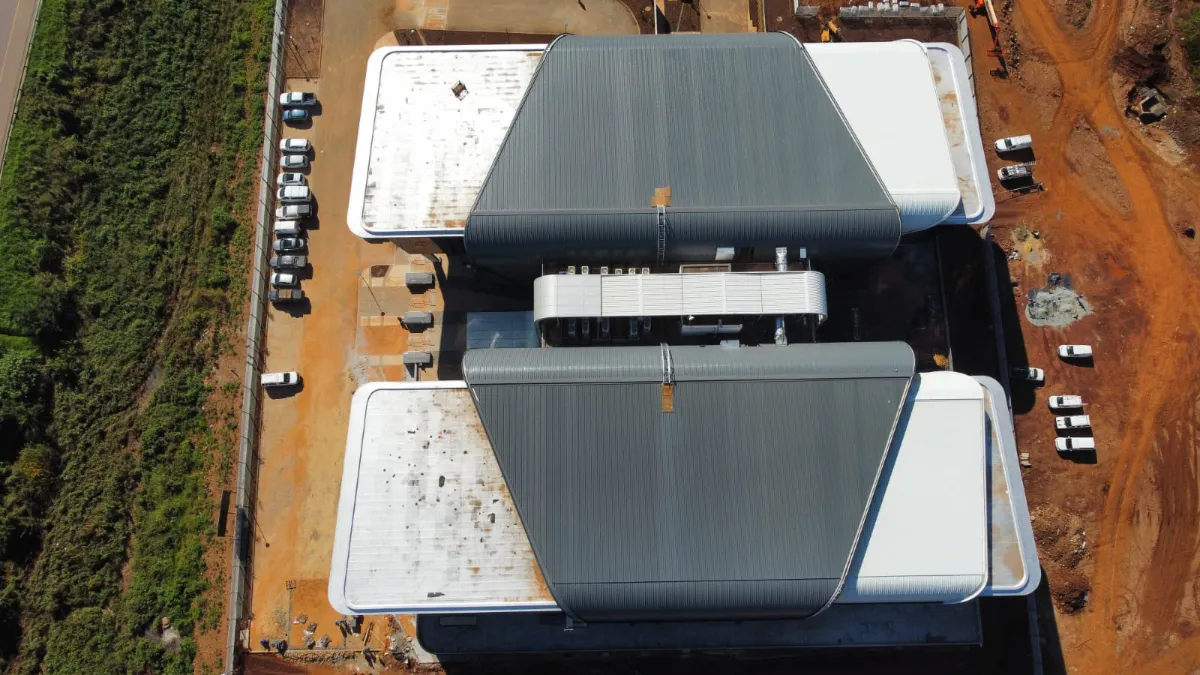
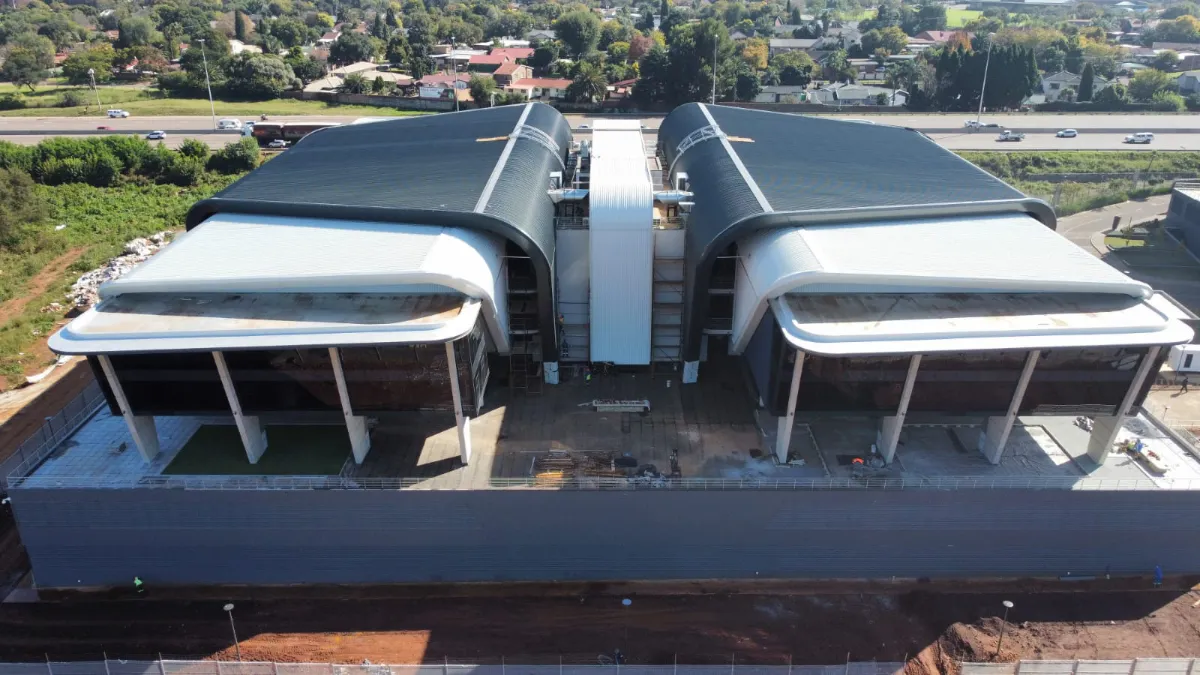
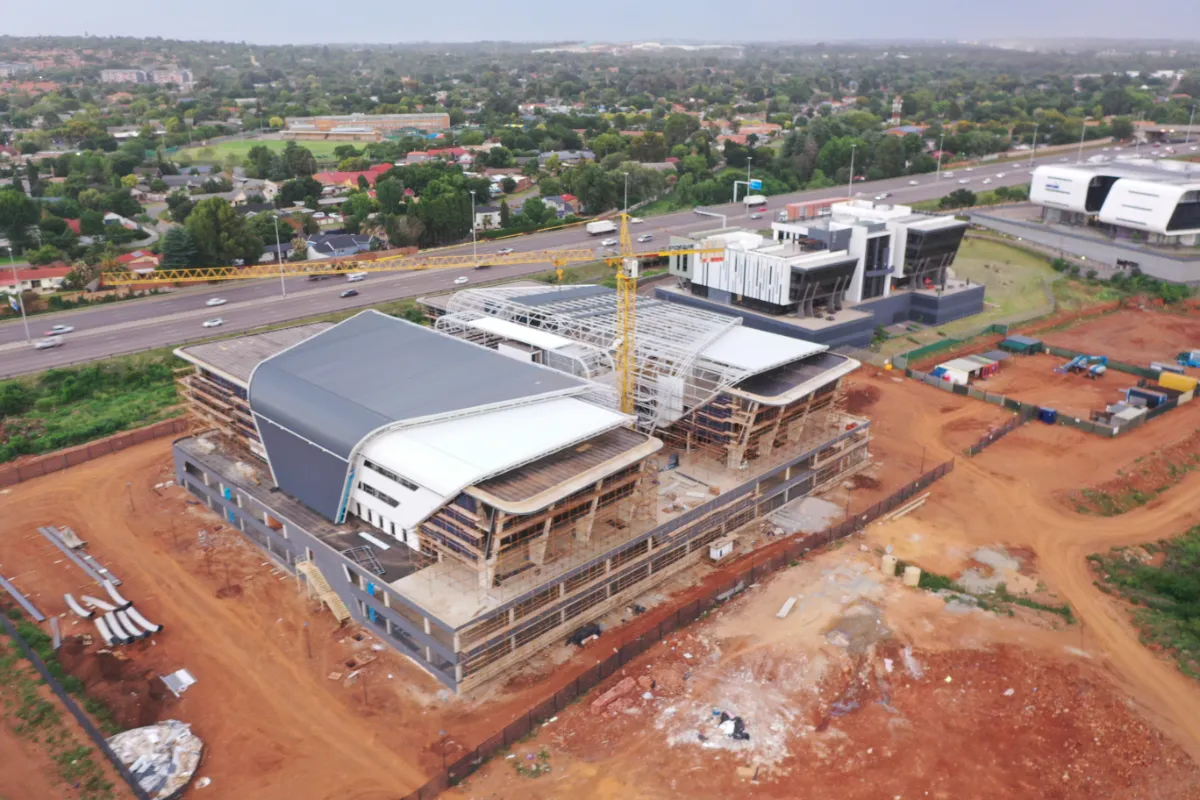
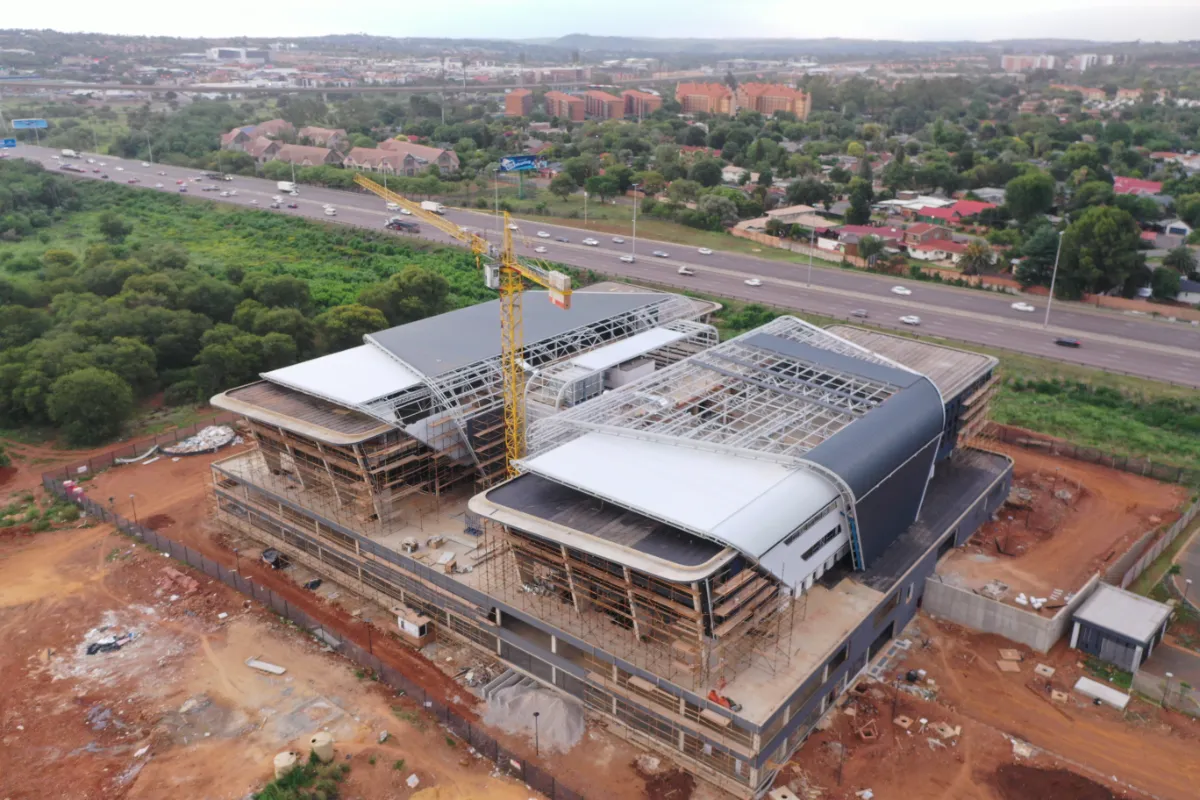
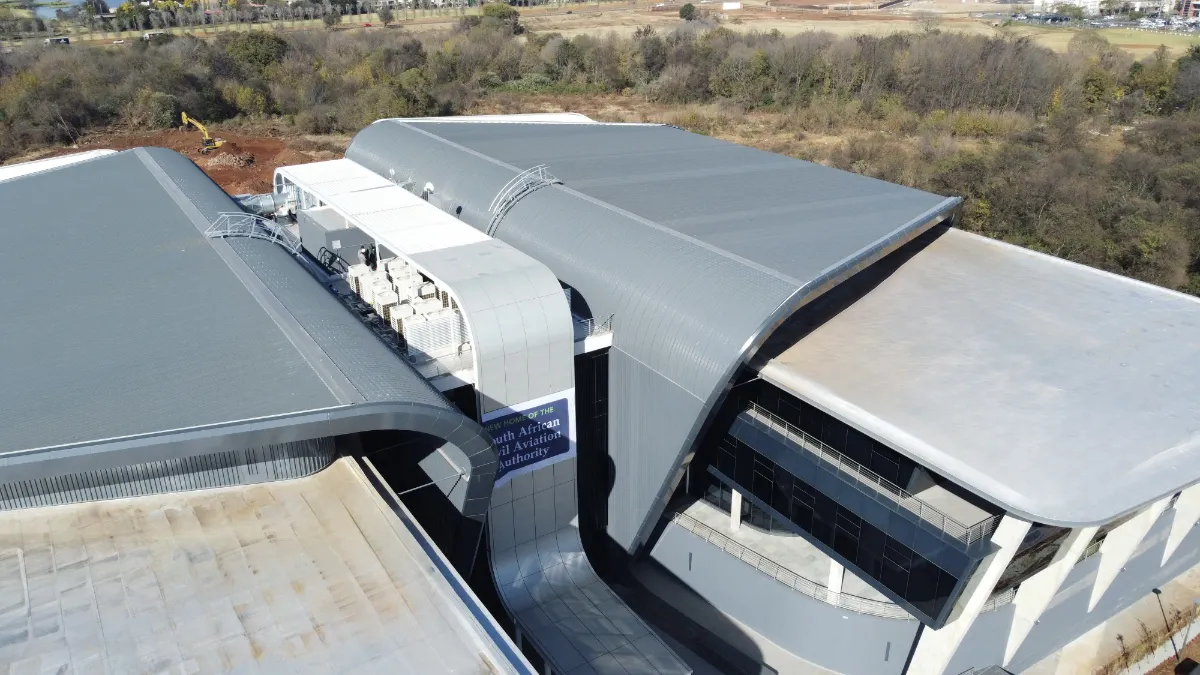
The brief was for an Office development of a 10,000m² P-Grade office space in Centurion, South Africa, designed for the South African Civil Aviation Authority (SACAA). The building needed to combine green technologies, modern design, and aviation-inspired aesthetics to meet the functional needs of SACAA while maintaining high environmental and operational standards. The facility required to achieve a minimum of a three-star Green Building Council South Africa (GBCSA) rating for water, energy, and waste management, and will accommodate 350 covered and open parking bays. The roof design will feature around 30% concrete roof and 70% sheeted roofing. The CAA steel roof structural consists of two wings symmetrically mirrored about a central roof structure.

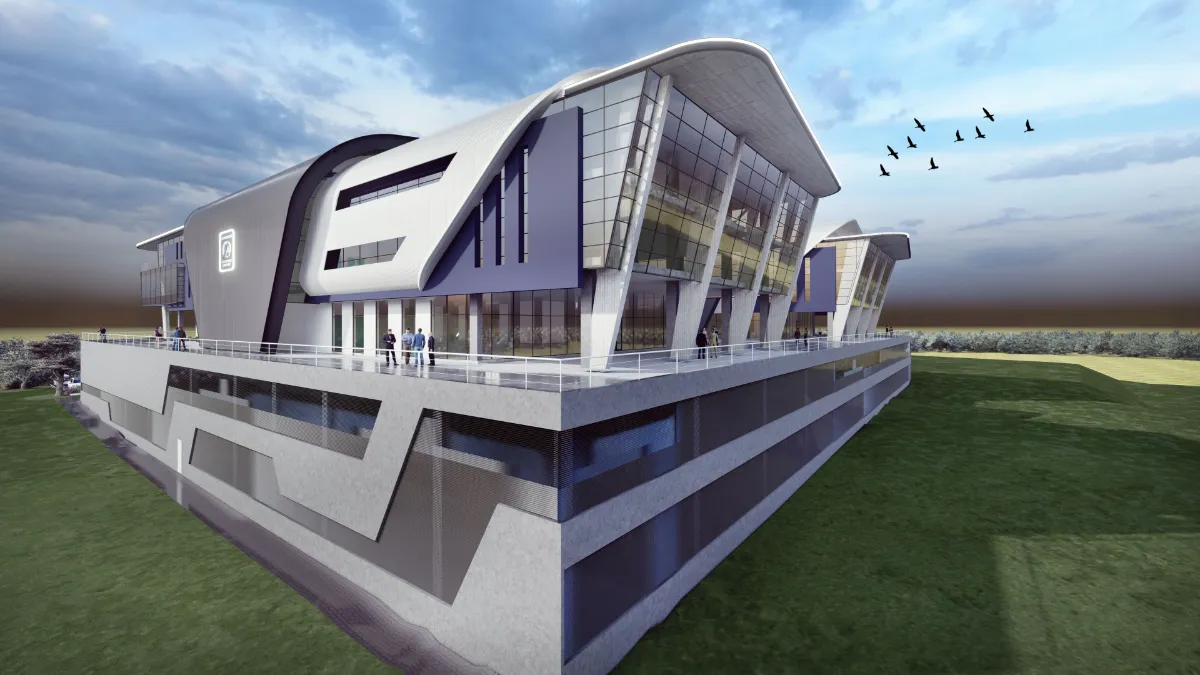
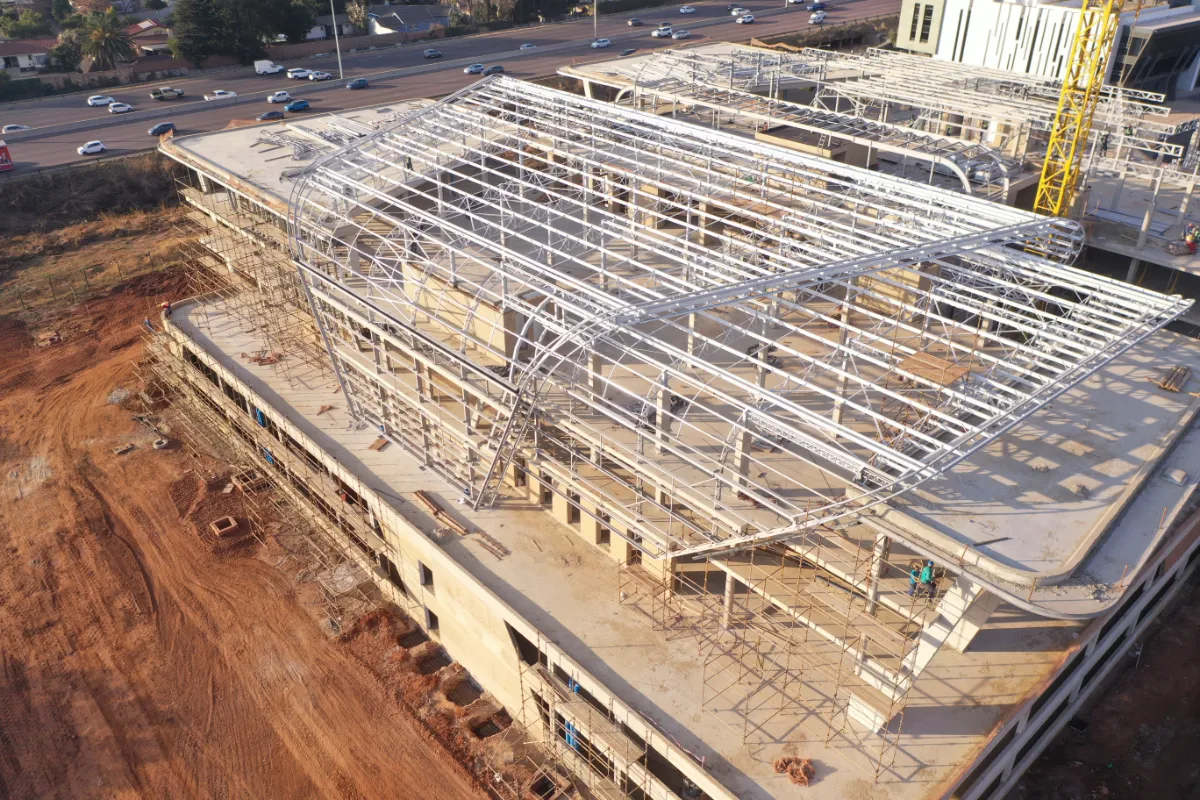
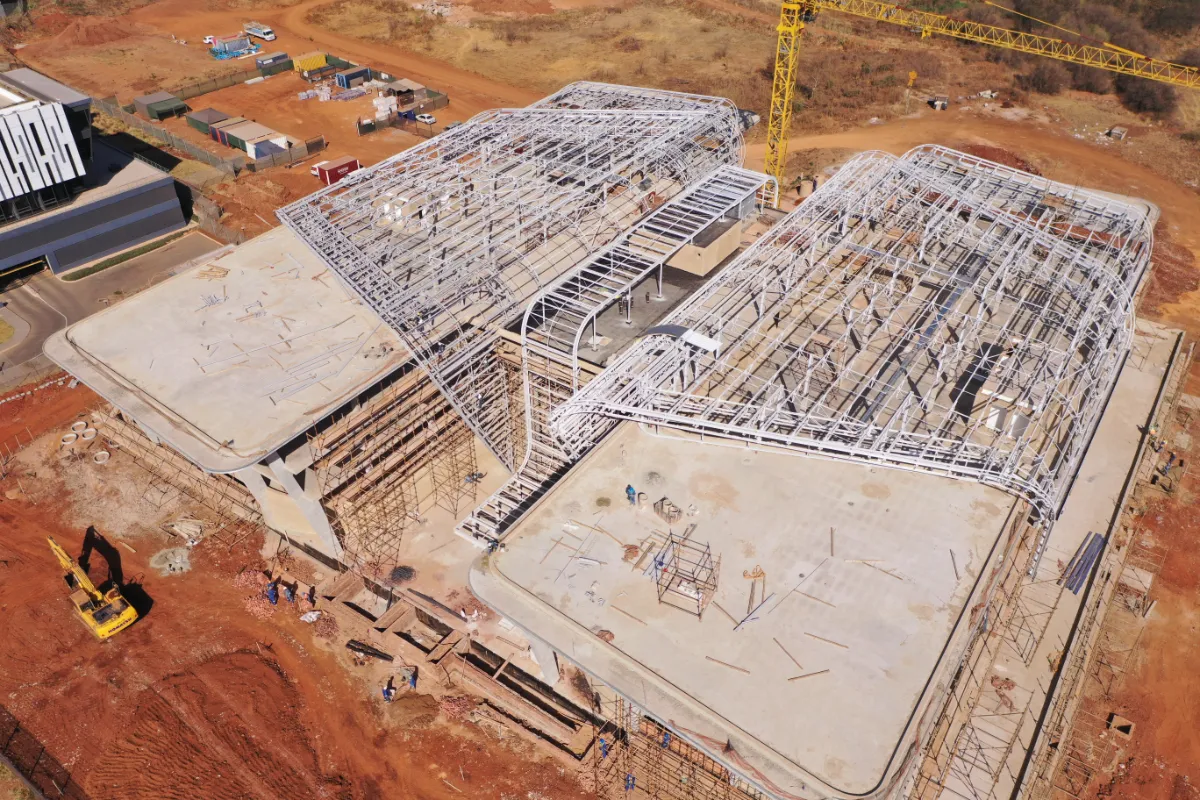
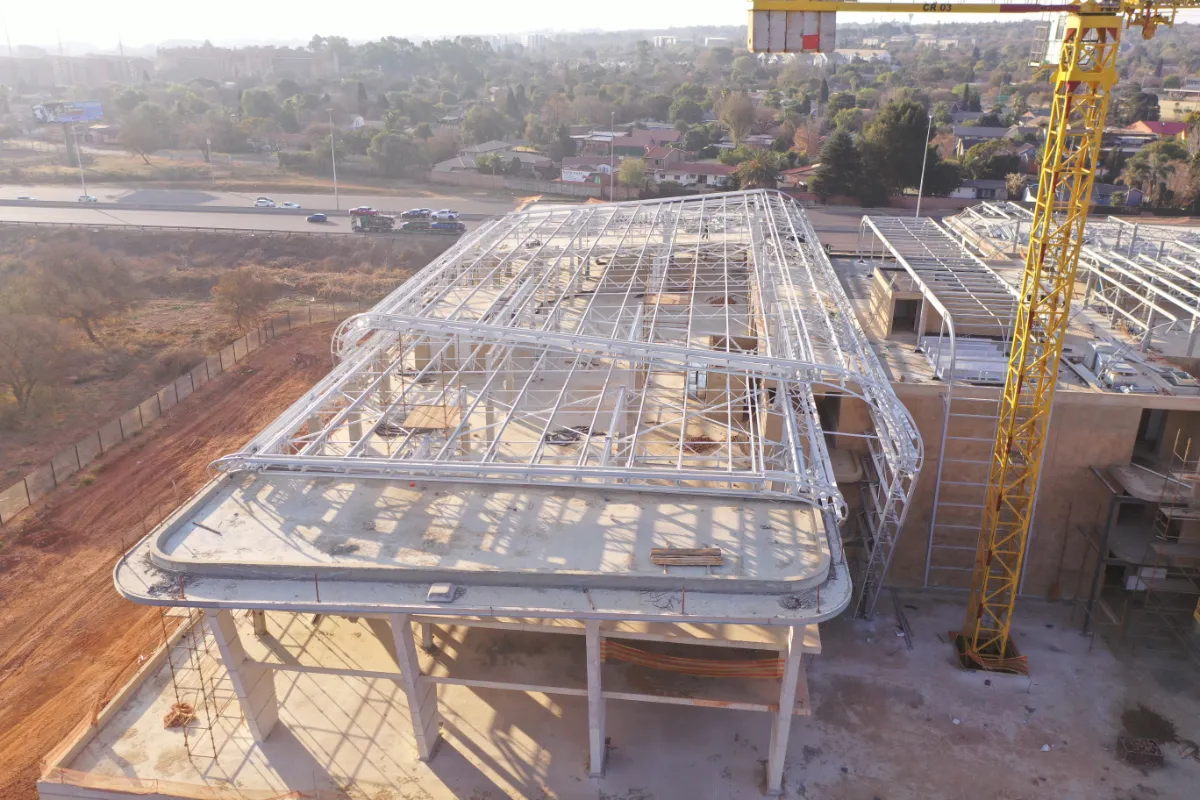
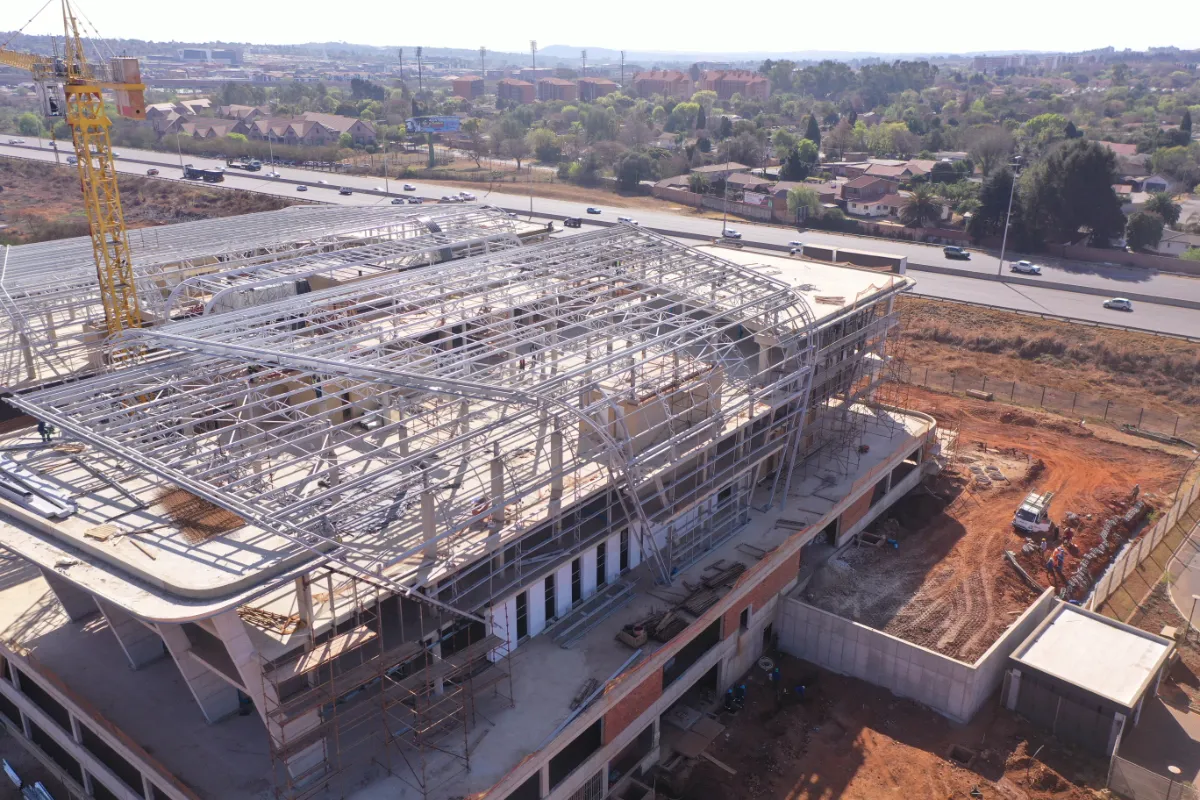
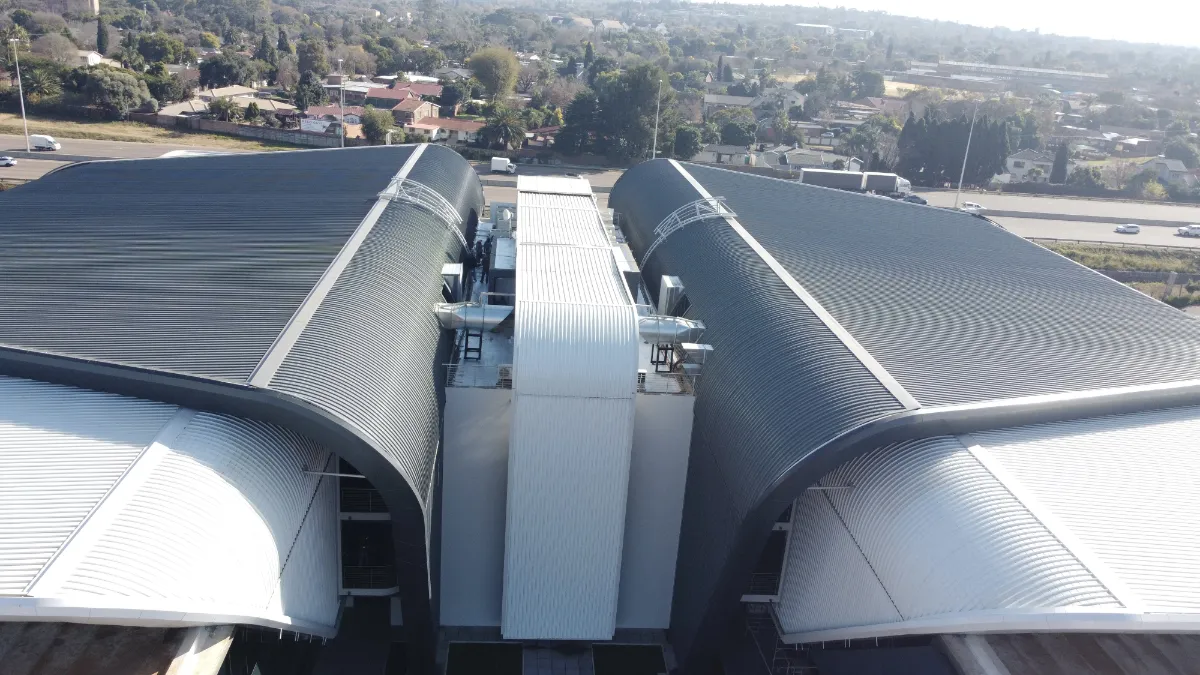
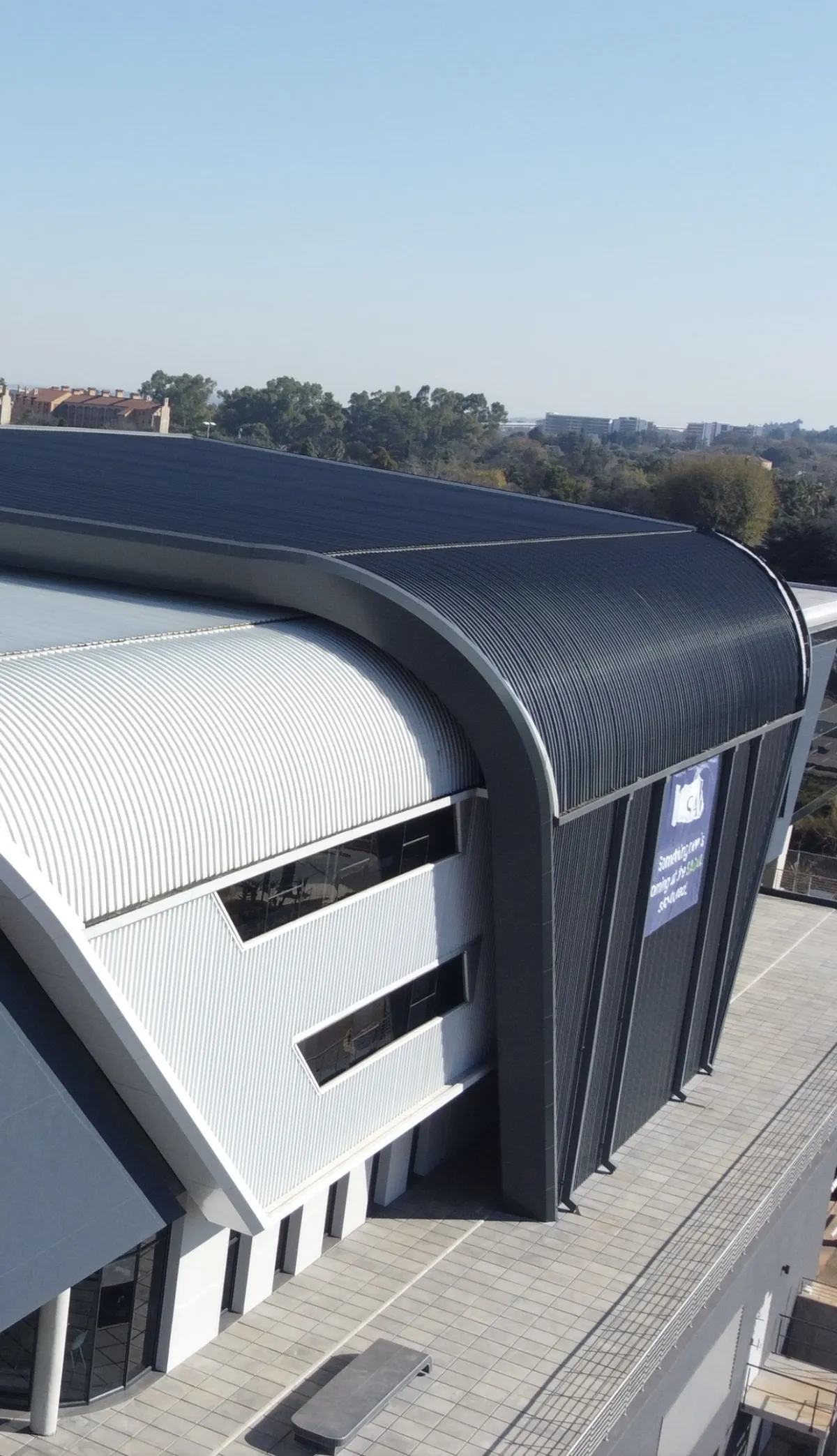
Each wing has two levels that not only close the top of the new concrete office structure, but also curve down the sides, wrapping the concrete structure. In plan, the higher portion of these wings forms a trapezoidal footprint with the lower roof portion extending out below.

The central roof wraps the core in a similar way and hides different service equipment placed on the roof. The central roof also forms a canopy as a feature of the main entrance.

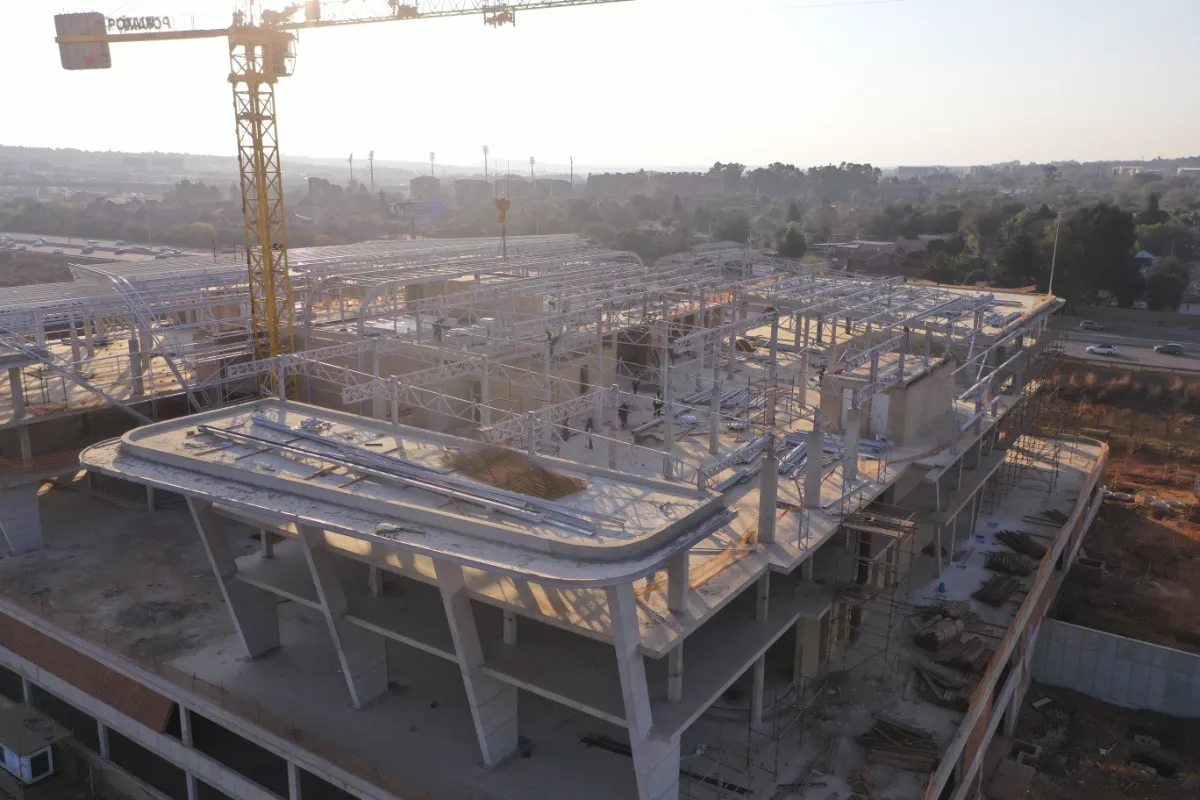
This creates a complex geometry for the structure that required the development of a 3D space frame consisting of CFLC Purlins, Trusses and Girder Trusses, Beam Sections and Tubular Sections acting as bracing or tension stays.

Project Details
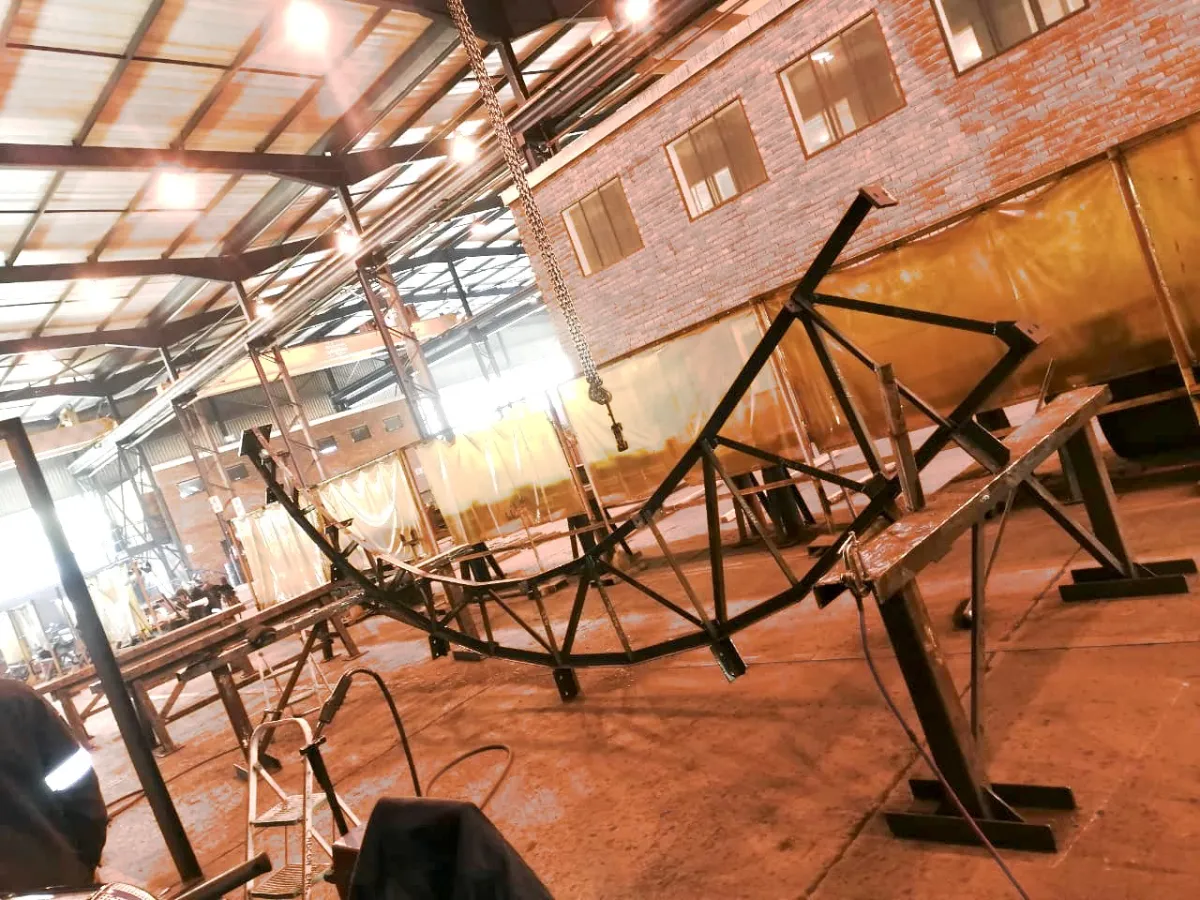
The apex and eave of the wings are curved. The main supports along these curves are trusses. The truss chords had to be fabricated as facets to form these curves. Each faceted chord element was designed according to the load in the chord to ensure costs remained as low as possible without sacrificing structural stability. The corners at the gable ends had a complex geometry, as the trapezoidal footprint forced the curve from a circular shape in elevation to a parabola, as the curve had to continue into an inclined plane. It was decided that Circular Hollow Sections should be used for this purpose, as the section can be rolled and can sustain torsional forces due to the geometric requirements. At the southern gable end, the higher and lower roofs overlap, and the structural steel frame could not extend through these spaces. Girder trusses had to cantilever to support rafters and purlins, and the sequence of erection was critical due to this. The 3D space frame was developed in such a way that once the girder trusses were installed, erection could be done from any position on the roof. Multiple teams could be utilised, which ensured that all members could be aligned correctly.
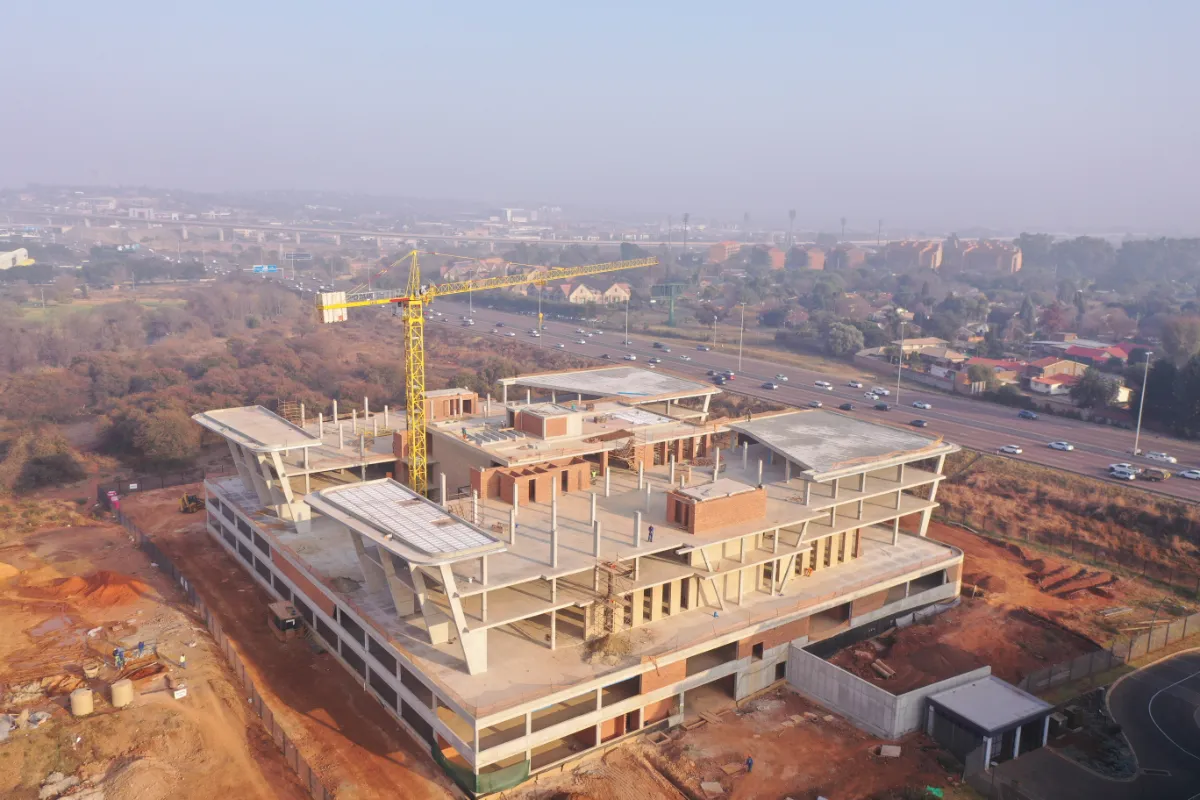
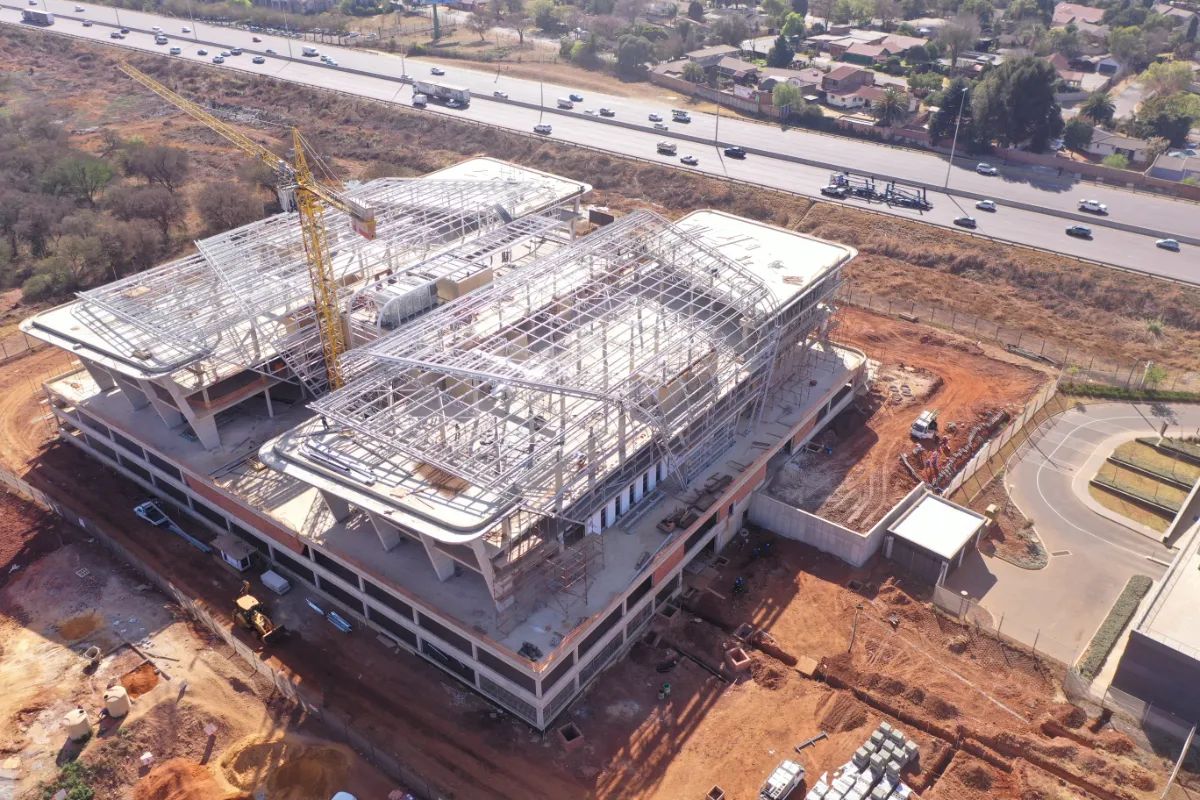
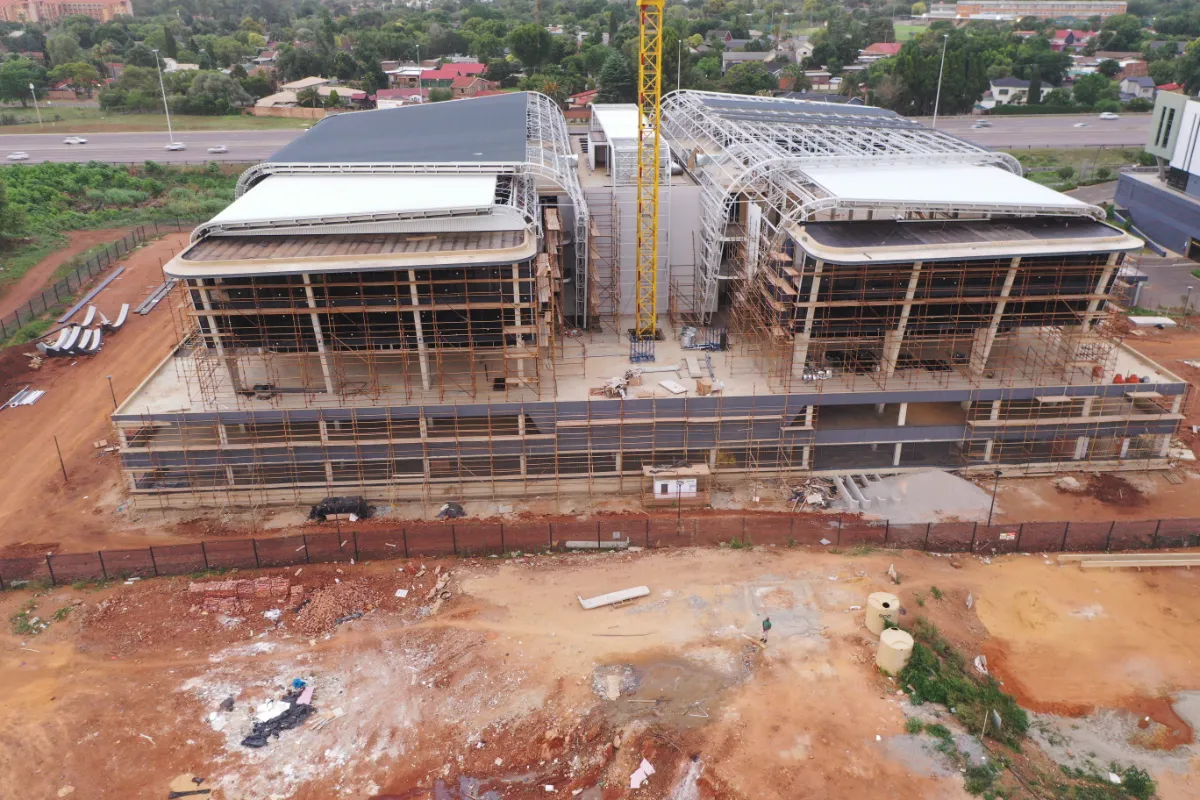
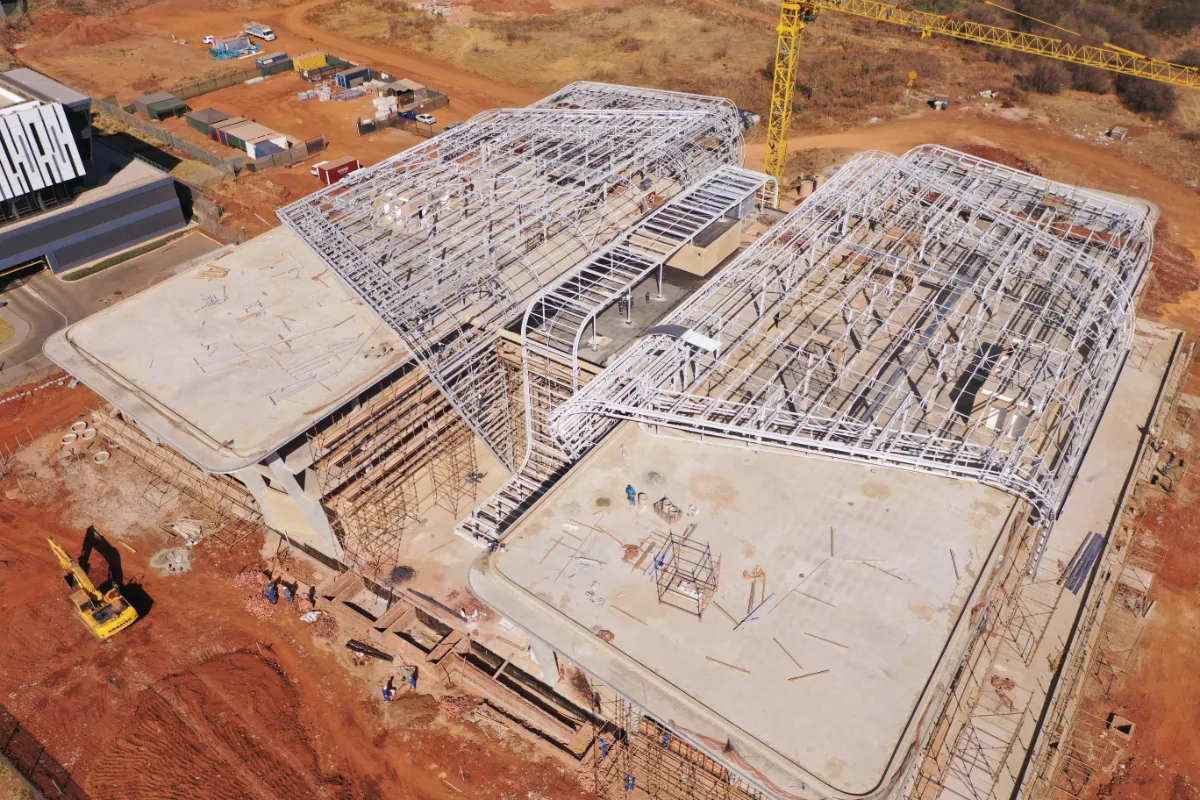
The biggest challenge was the shape and geometric requirements. 3D elements were broken down into simplified 2D elements to understand all the requirements of each element and the space it occupied. This gave a clear directive on how each element should be placed and designed for the global 3D space frame to perform as expected.
Benefits of Steel in this Application

The versatility of steelwork is illustrated in this project. The many facets of rolled steel make this project architecturally pleasing to the eye.

Testimonials

Truly a beautiful structure showcasing the architectural benefits of using steel in a creative way.

Annual Closure Notice

We will be closed from 12 December 2025 to 7 January 2026.

You are welcome to continue sending enquiries or membership applications, and you can still place orders online during this period. We will respond as soon as we return. Please note that any orders placed after 12 December 2025 will be fulfilled from 7 January 2026 onwards.