

Lycopodium Modular Project

  • Date of Steelwork Completion
    2024-11-01
Project Type
Project Team Interview Case Study
Location
Steel Profiles Used
  • Date of Steelwork Completion
    2024-11-01
  • Tonnage
    564
Project Overview

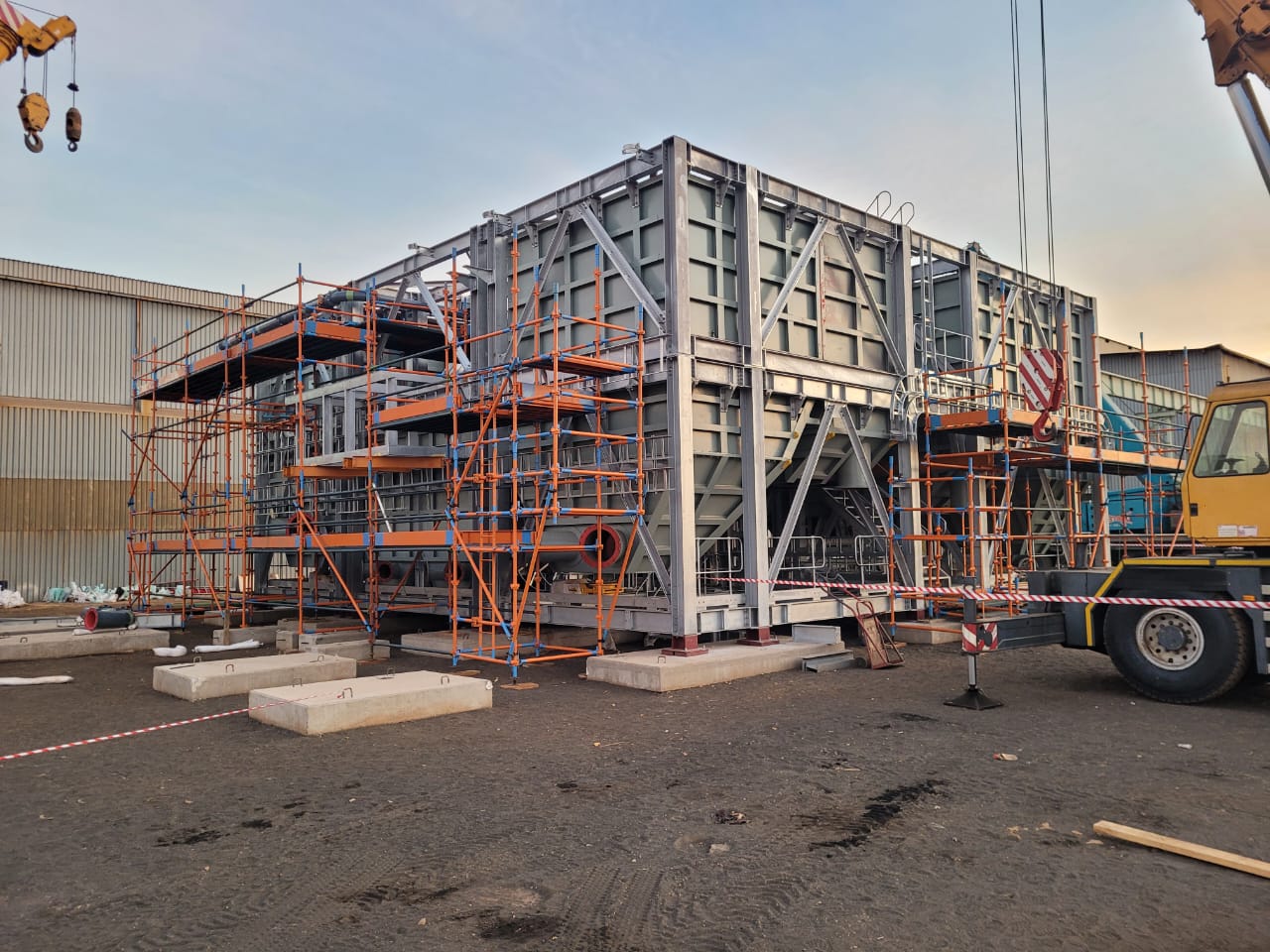
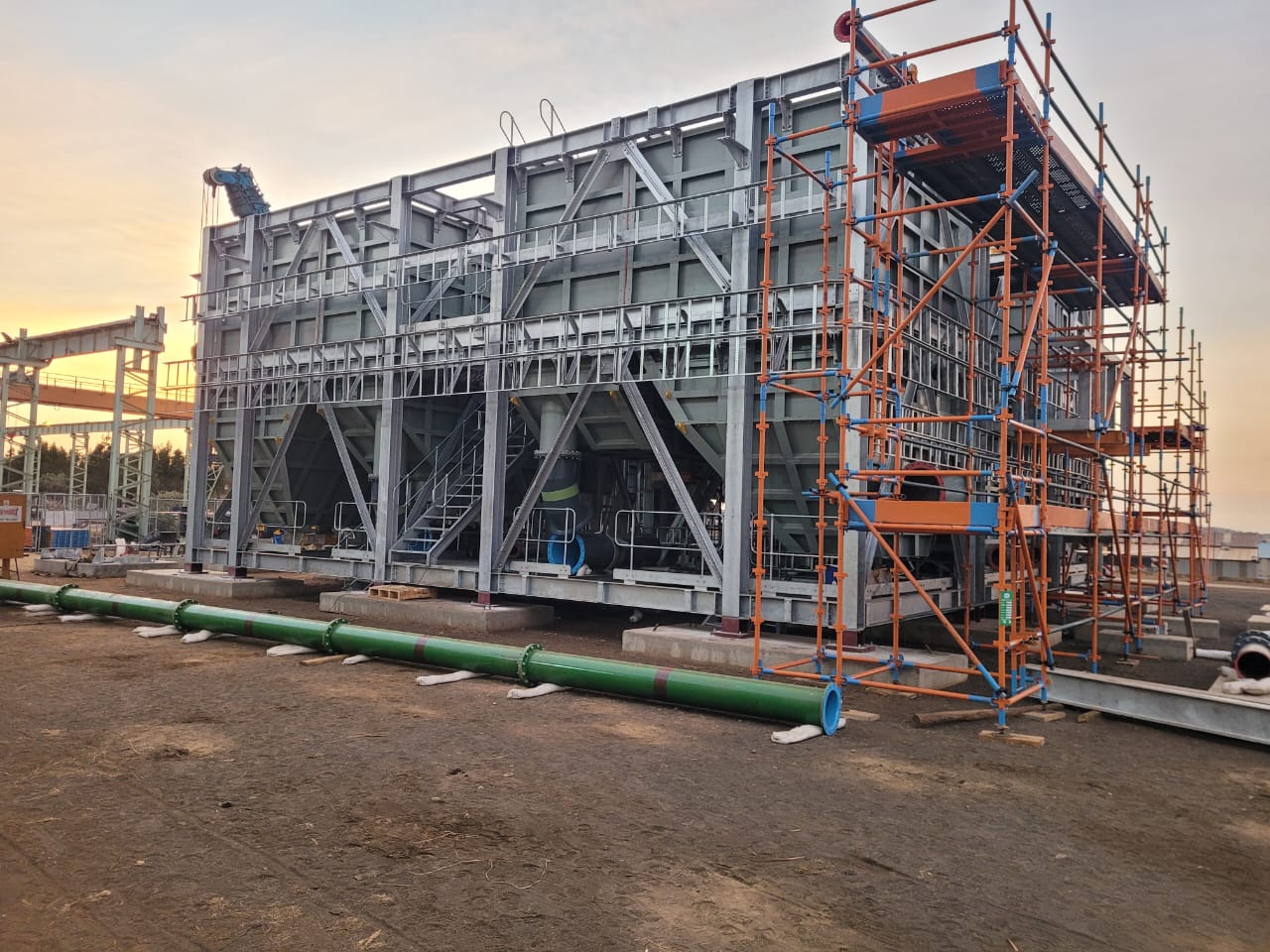
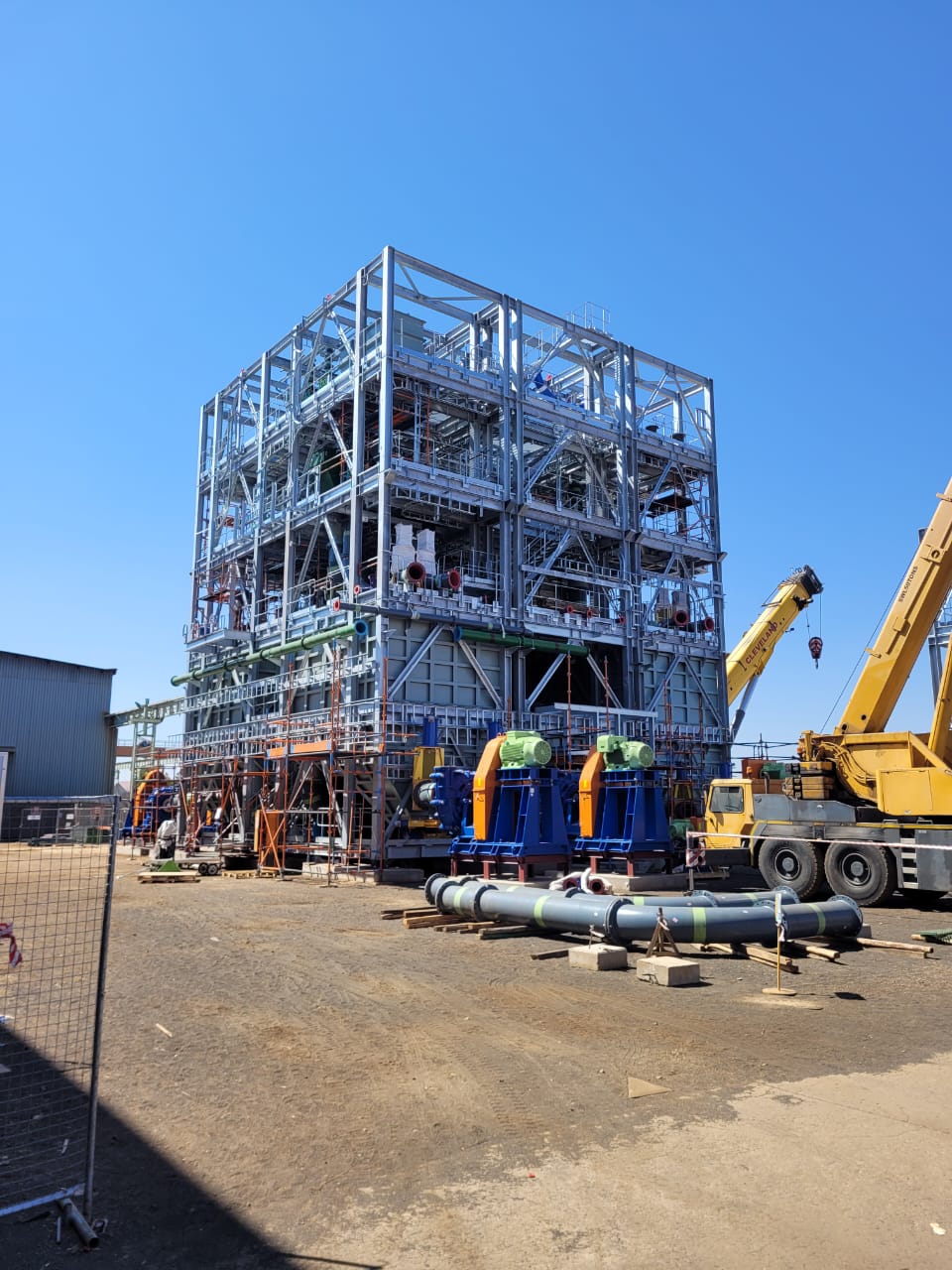
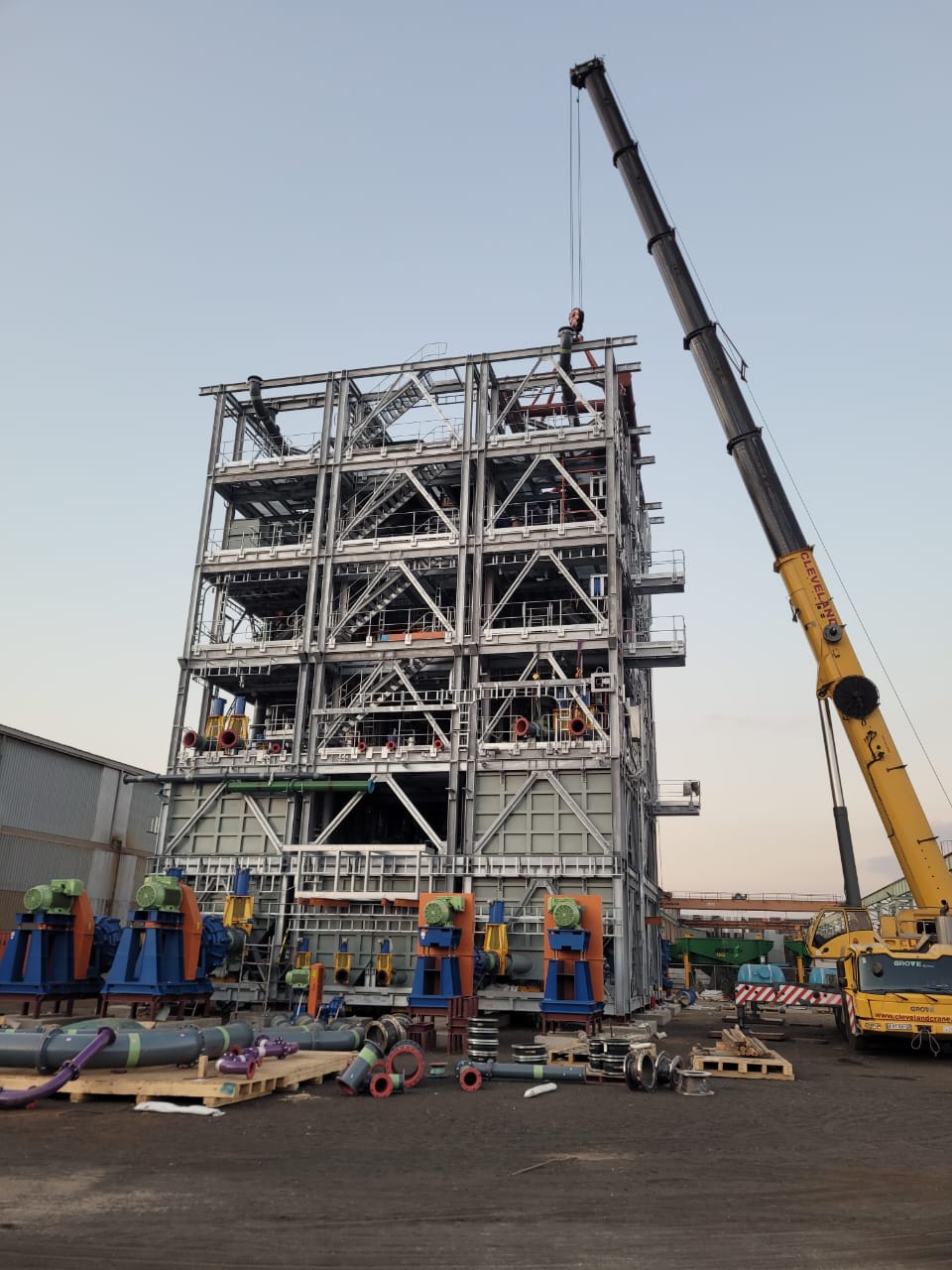
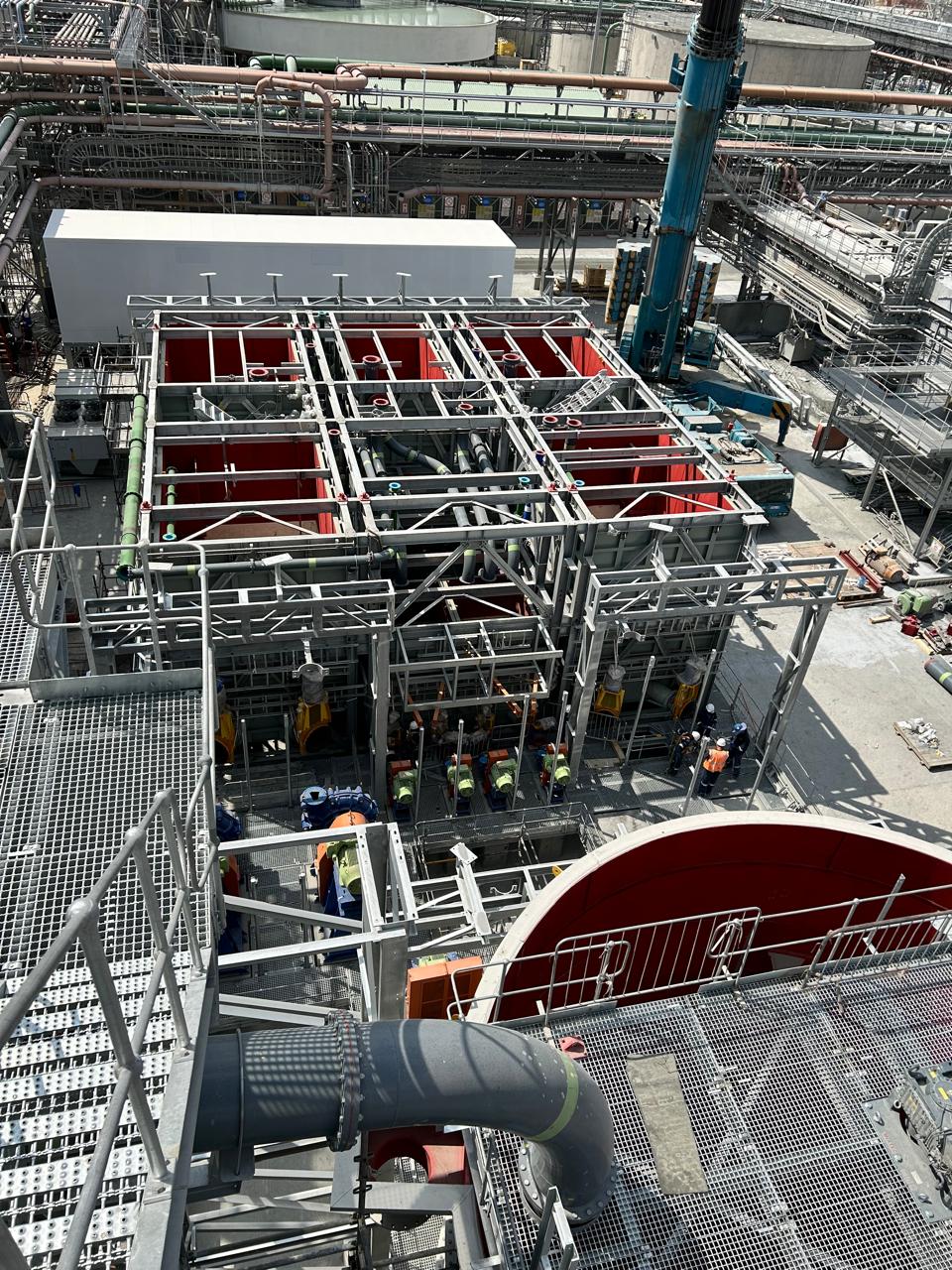
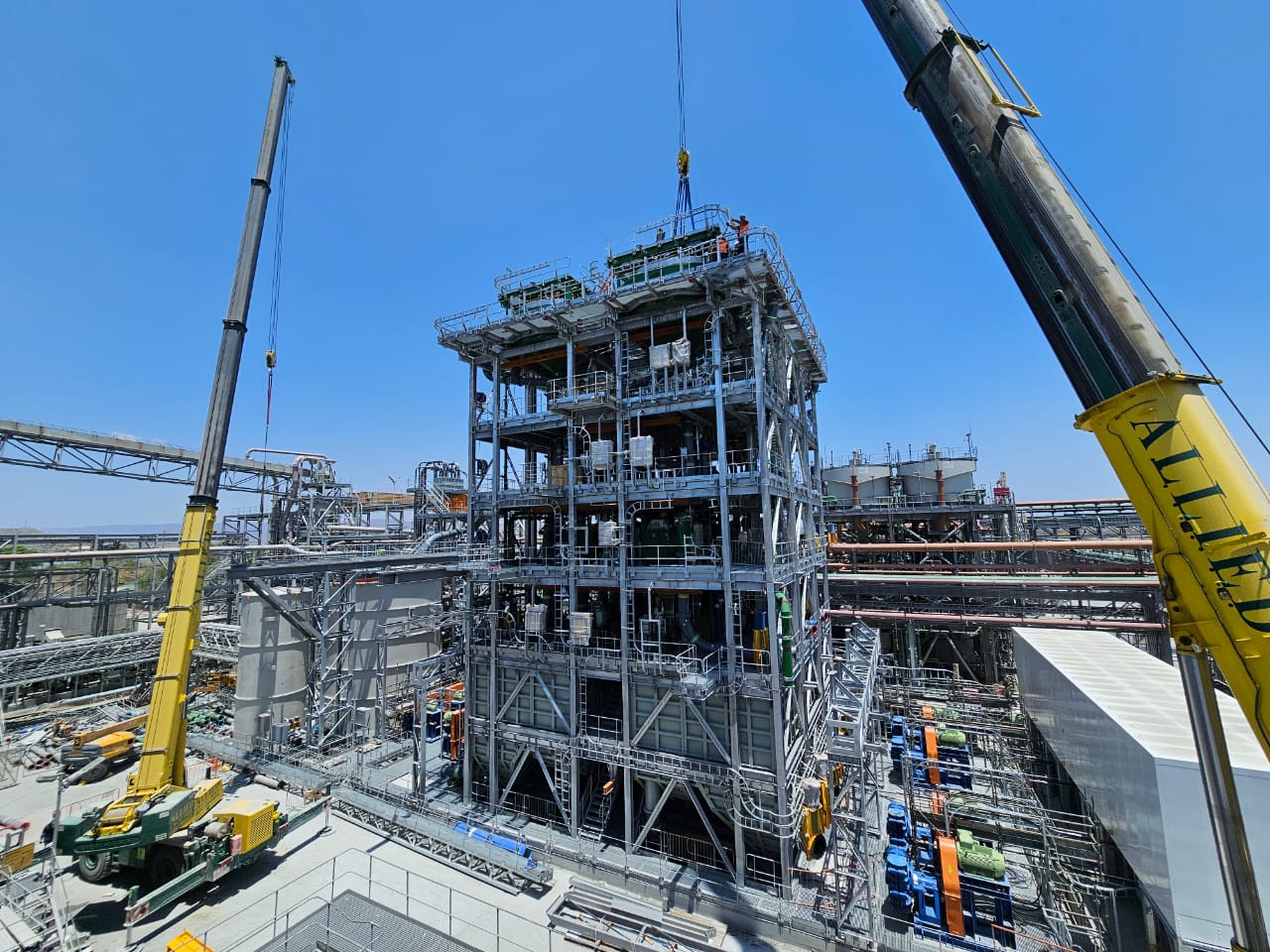
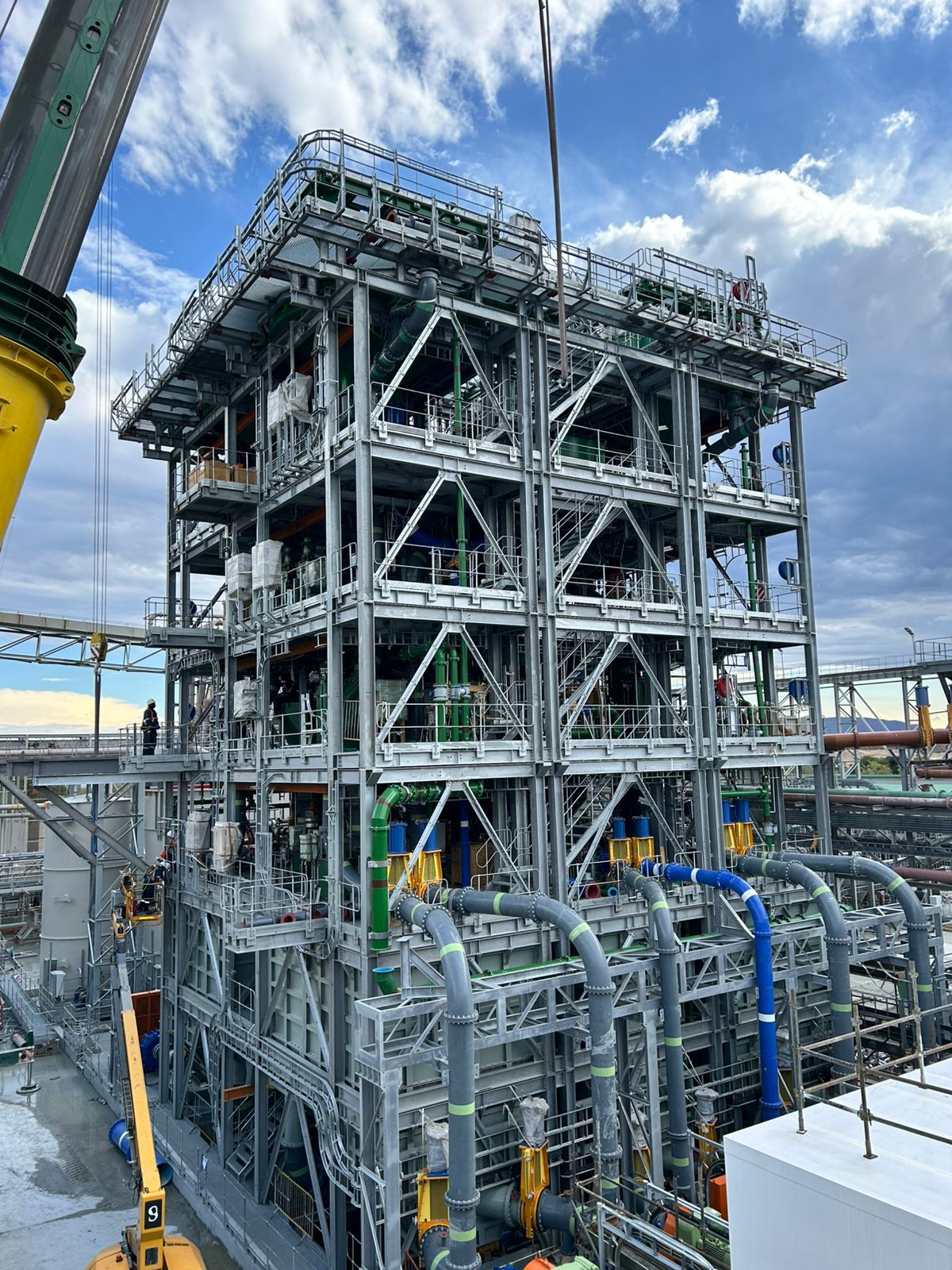
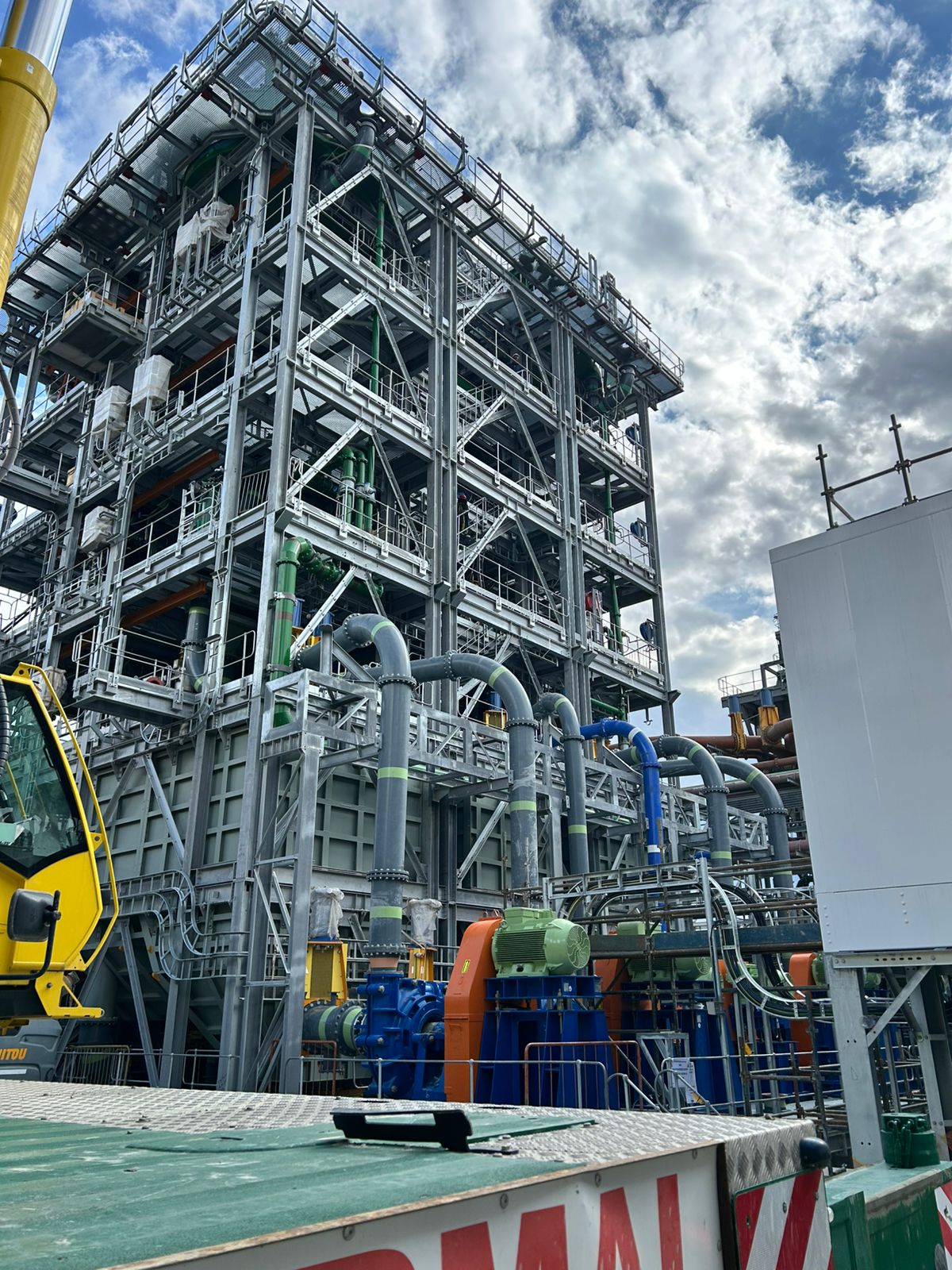
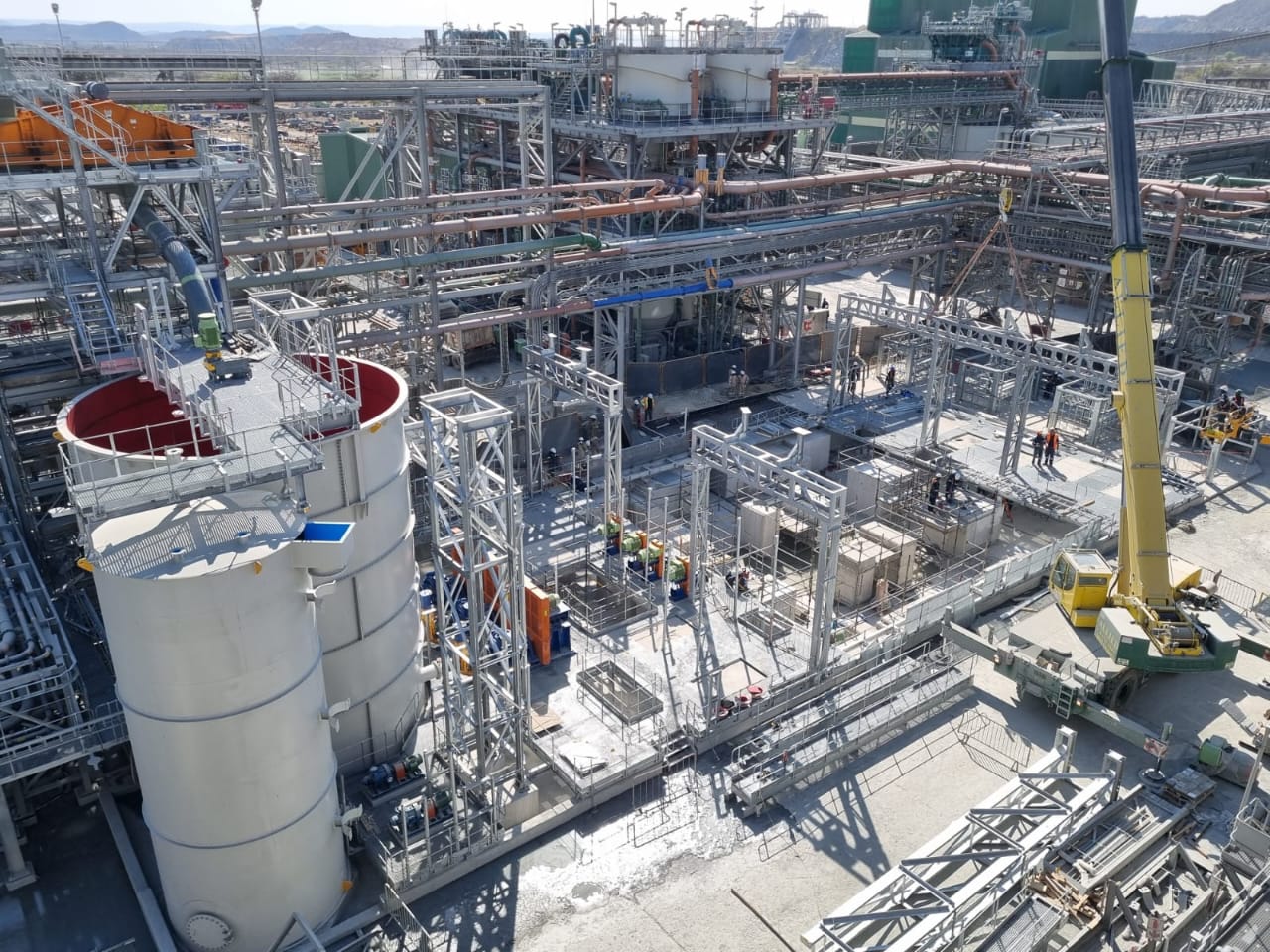
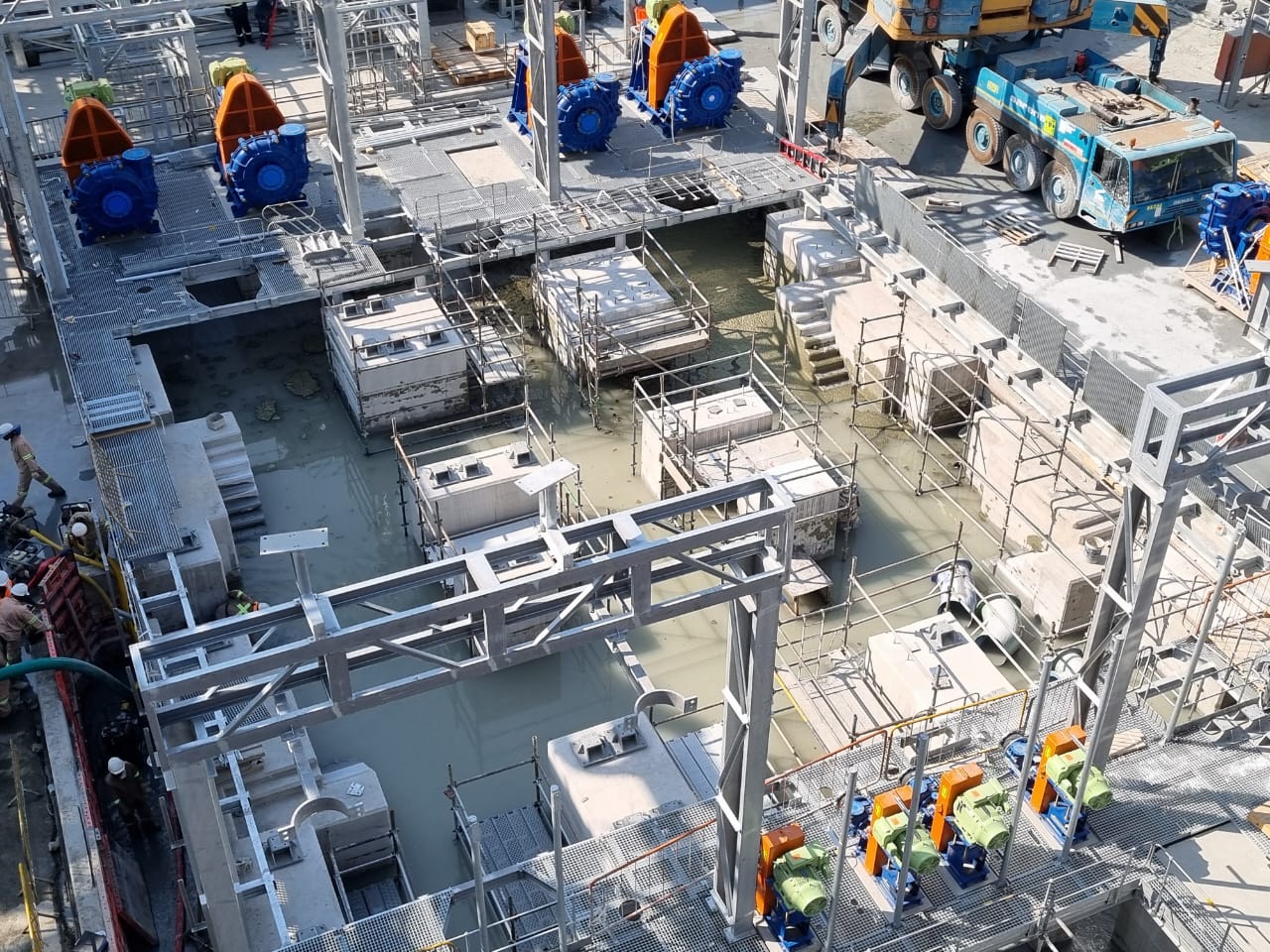
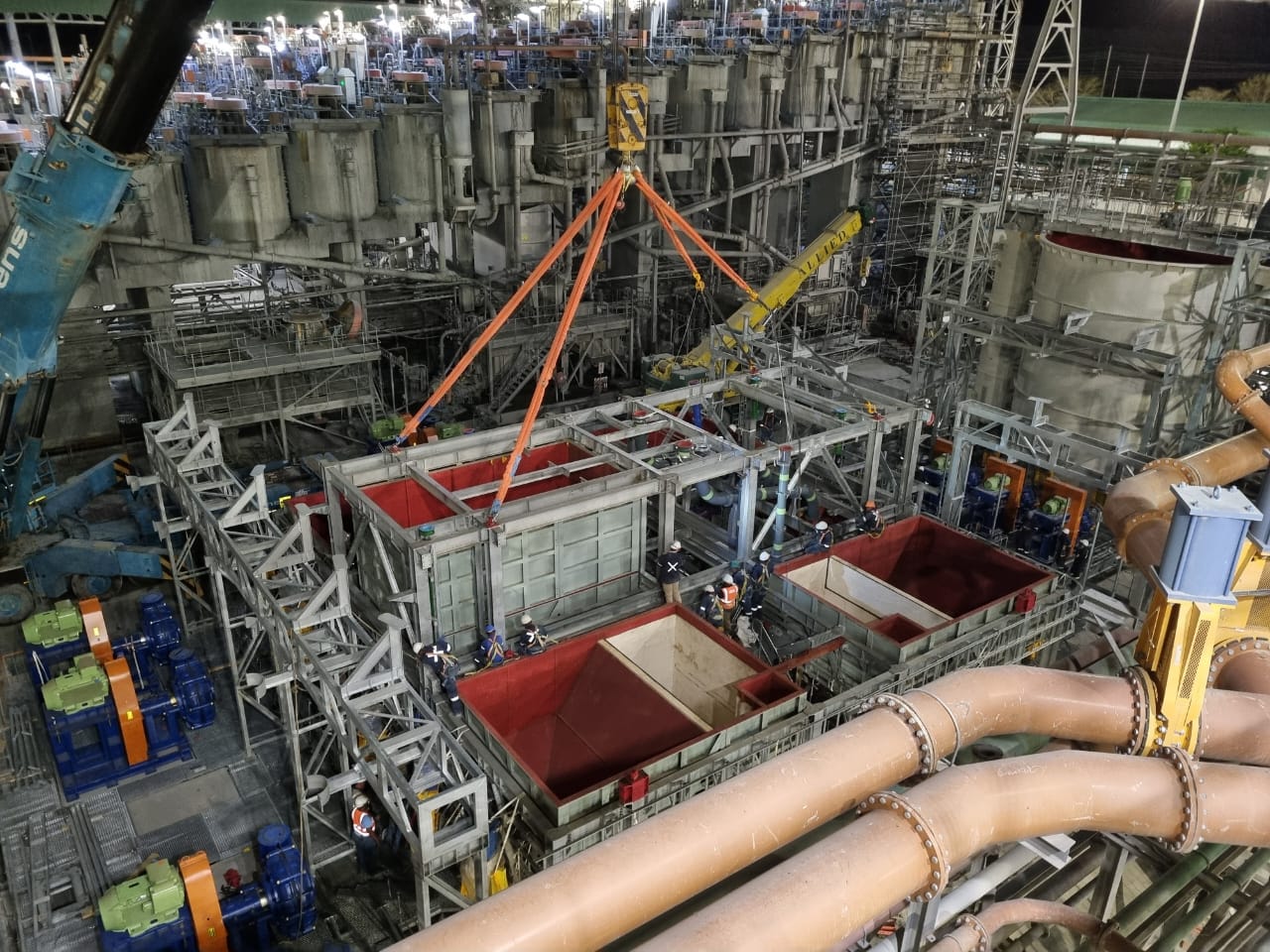
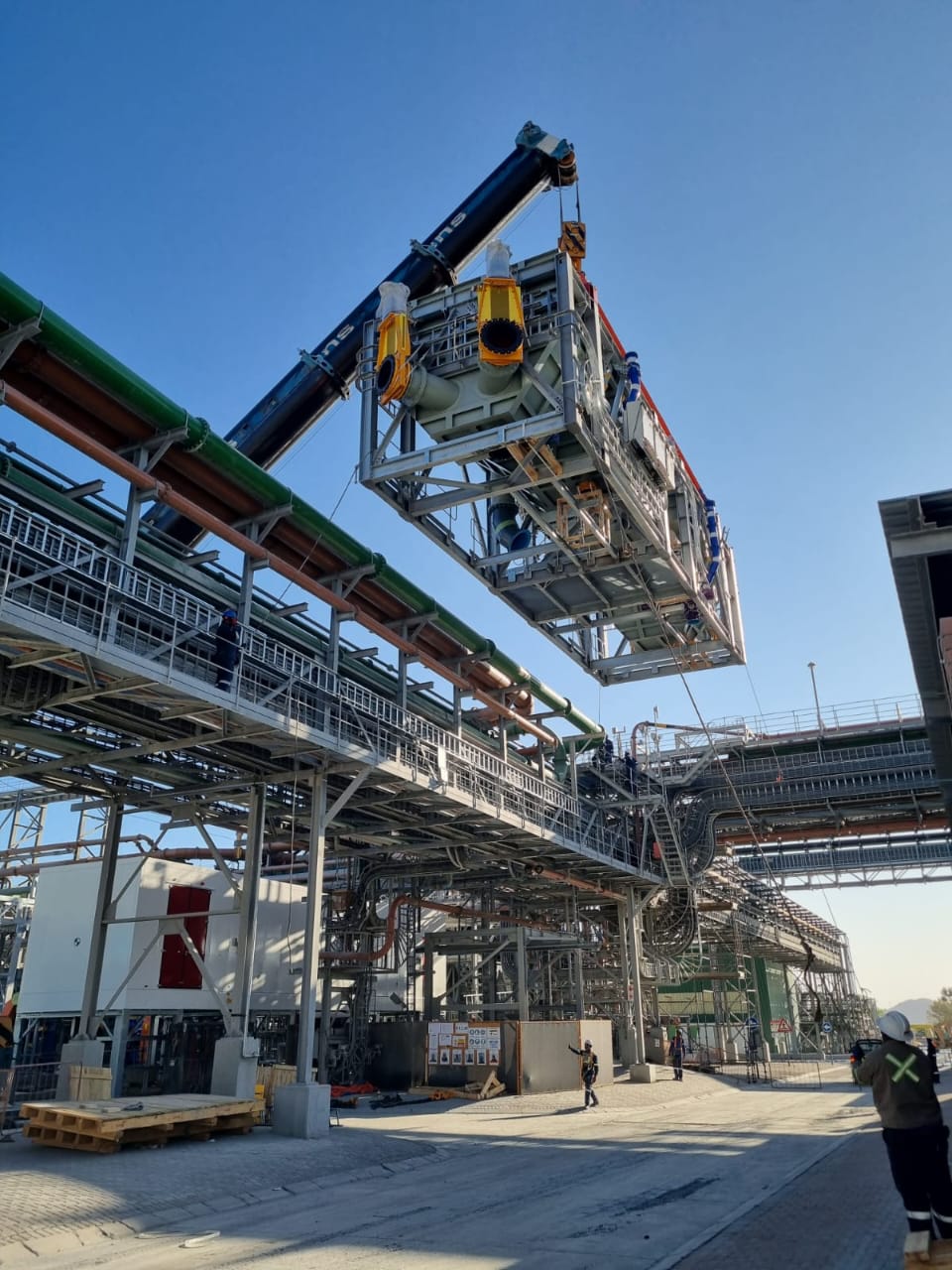
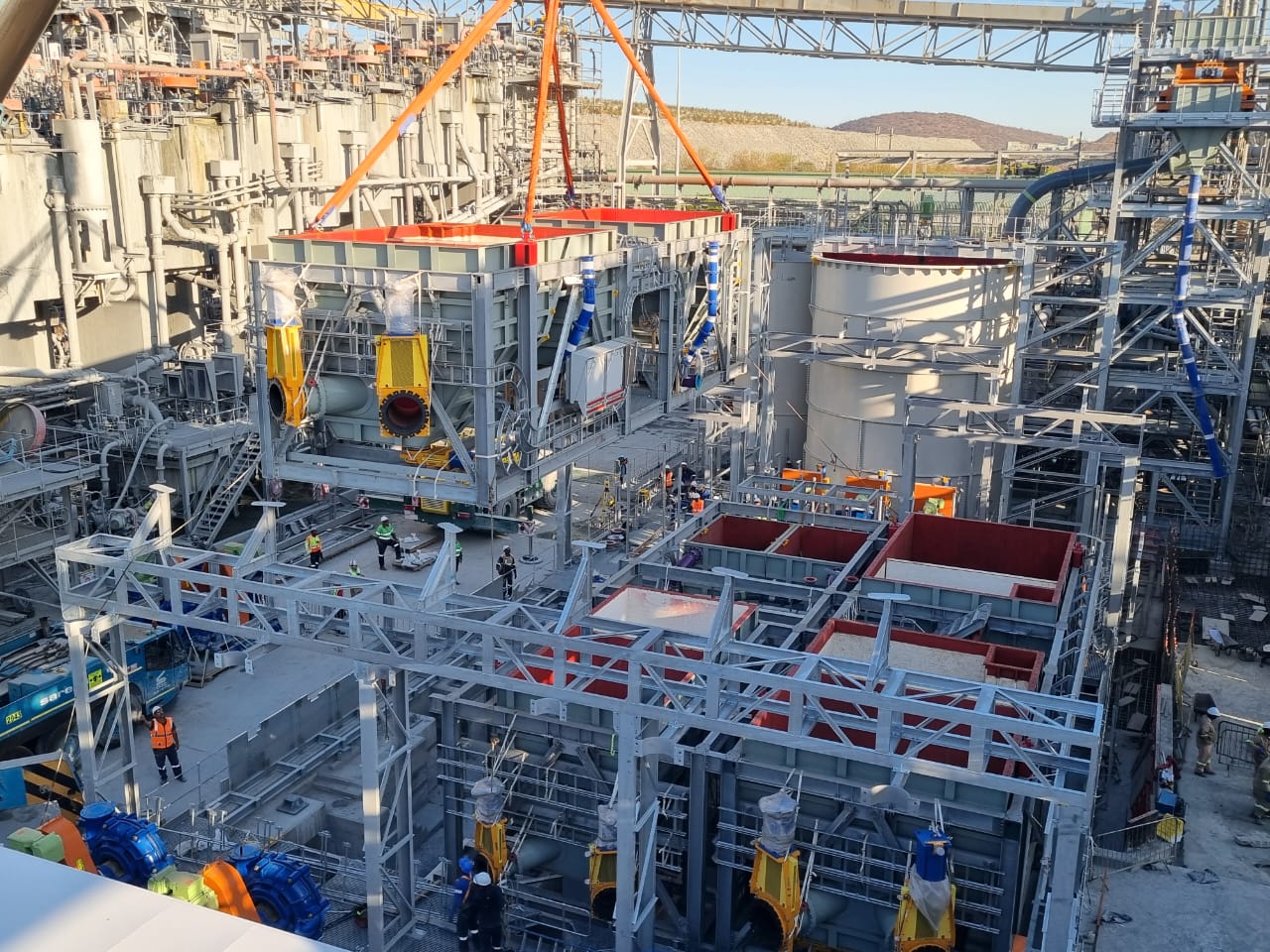
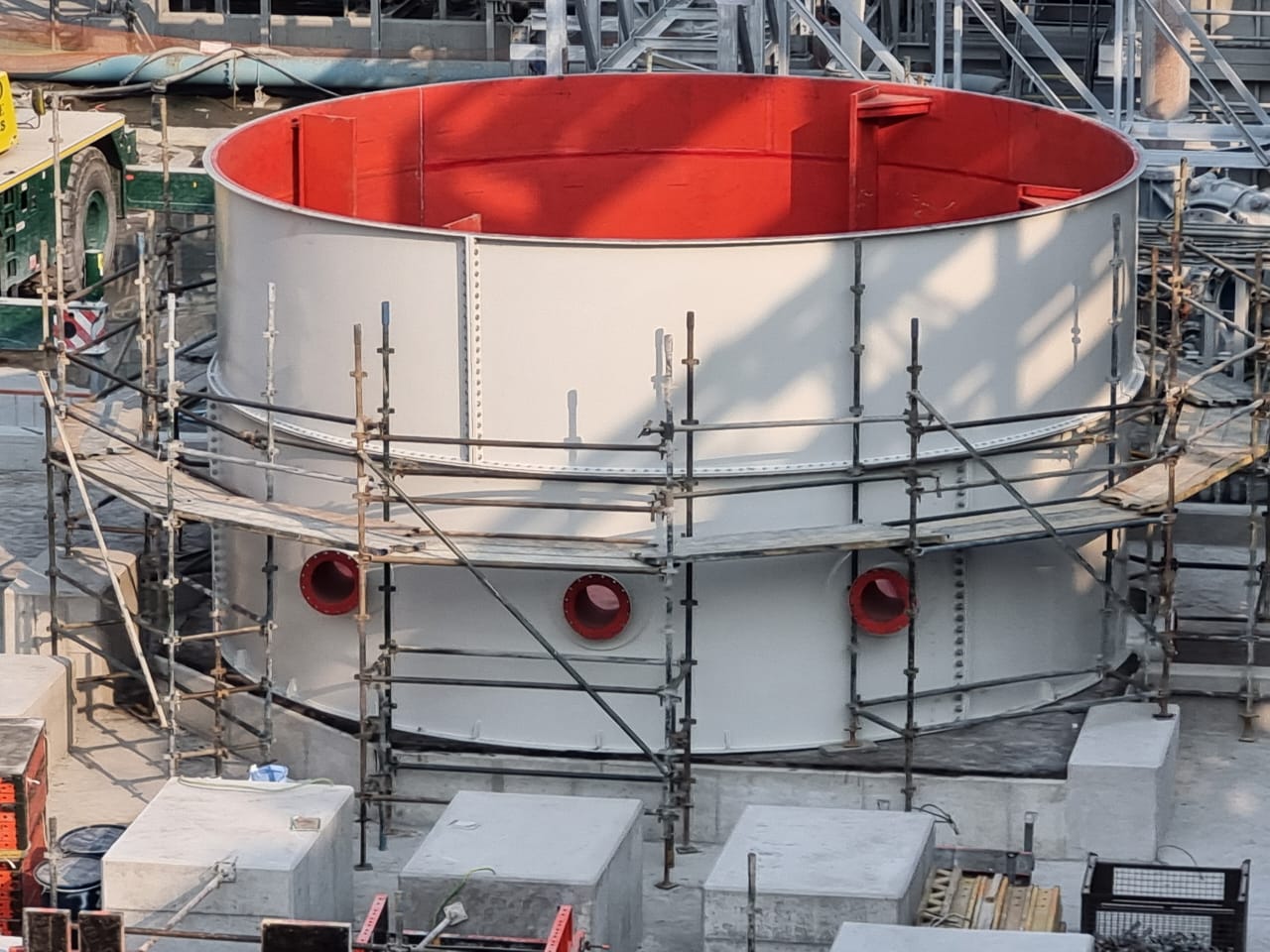
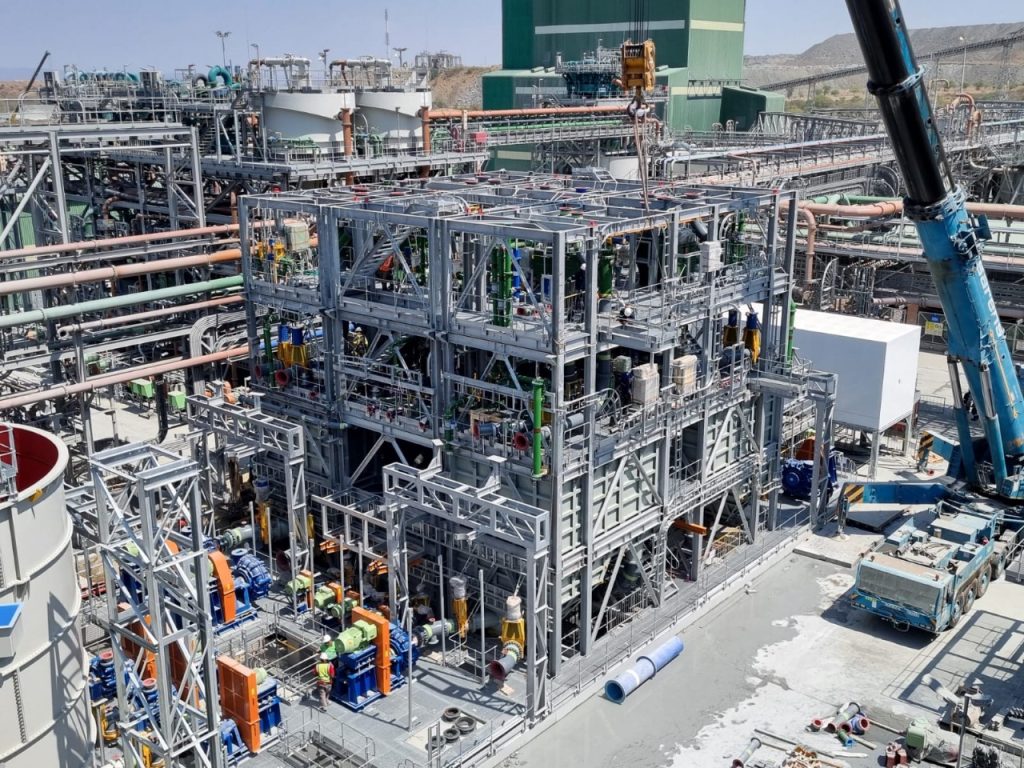
The slurry concentrator modules were designed as fully modular steel structures integrating screen supports, pump platforms, crane beams, tank tops, and walkways. The framing consisted of hot-rolled steel beams, columns, and bracing, arranged into stacked modules to form a complete plant.

Top modules supported the Jameson Cells and allowed for a

Project Details
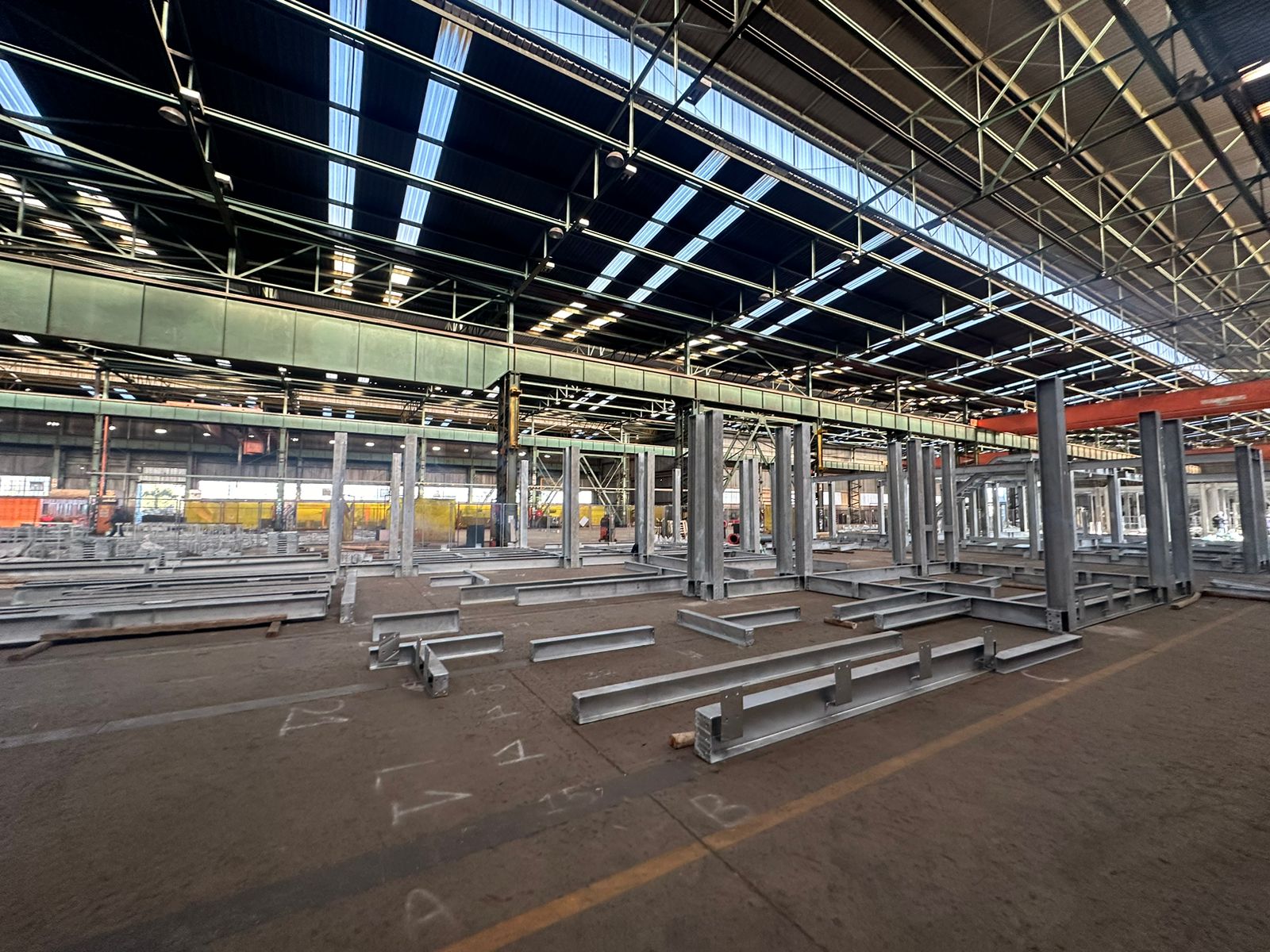
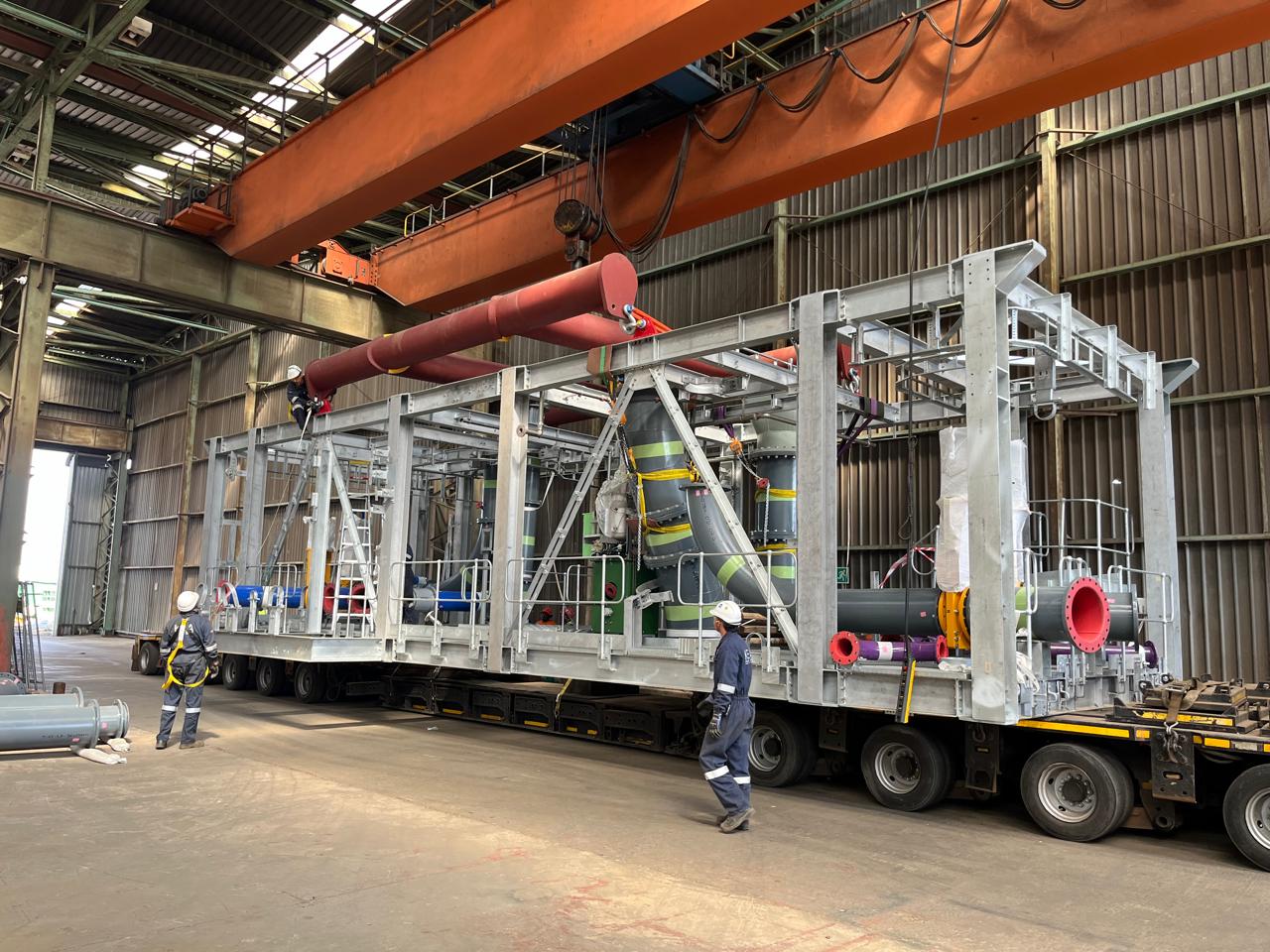
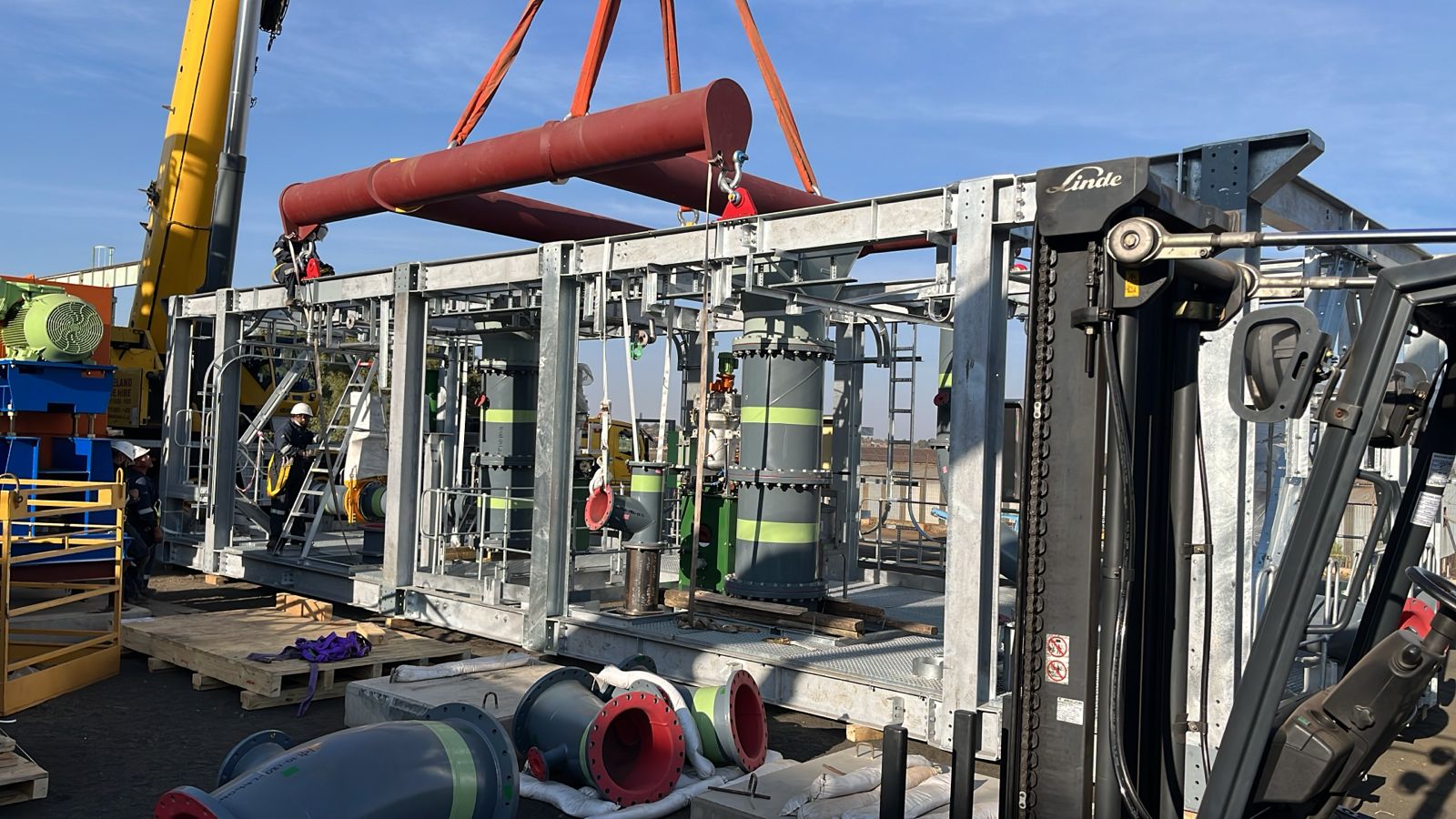
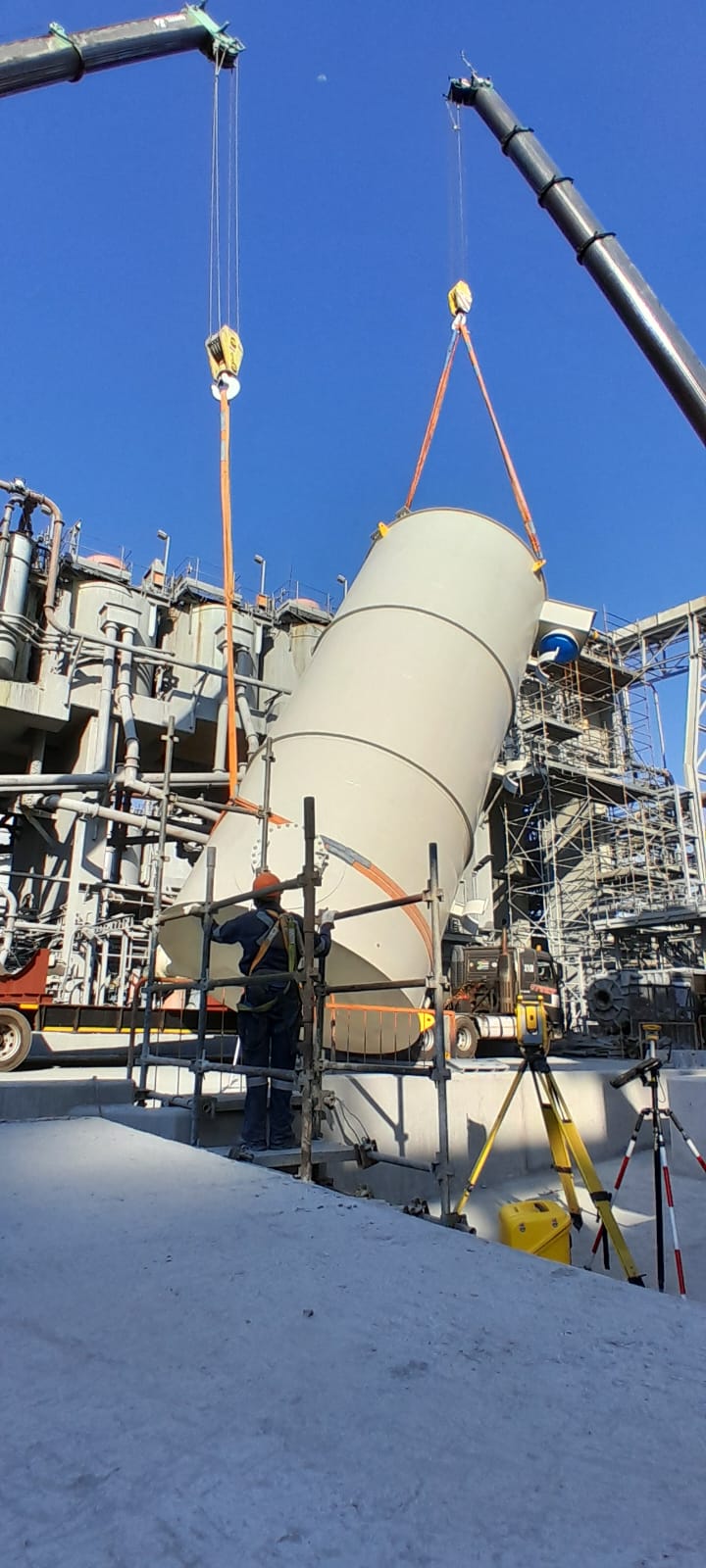
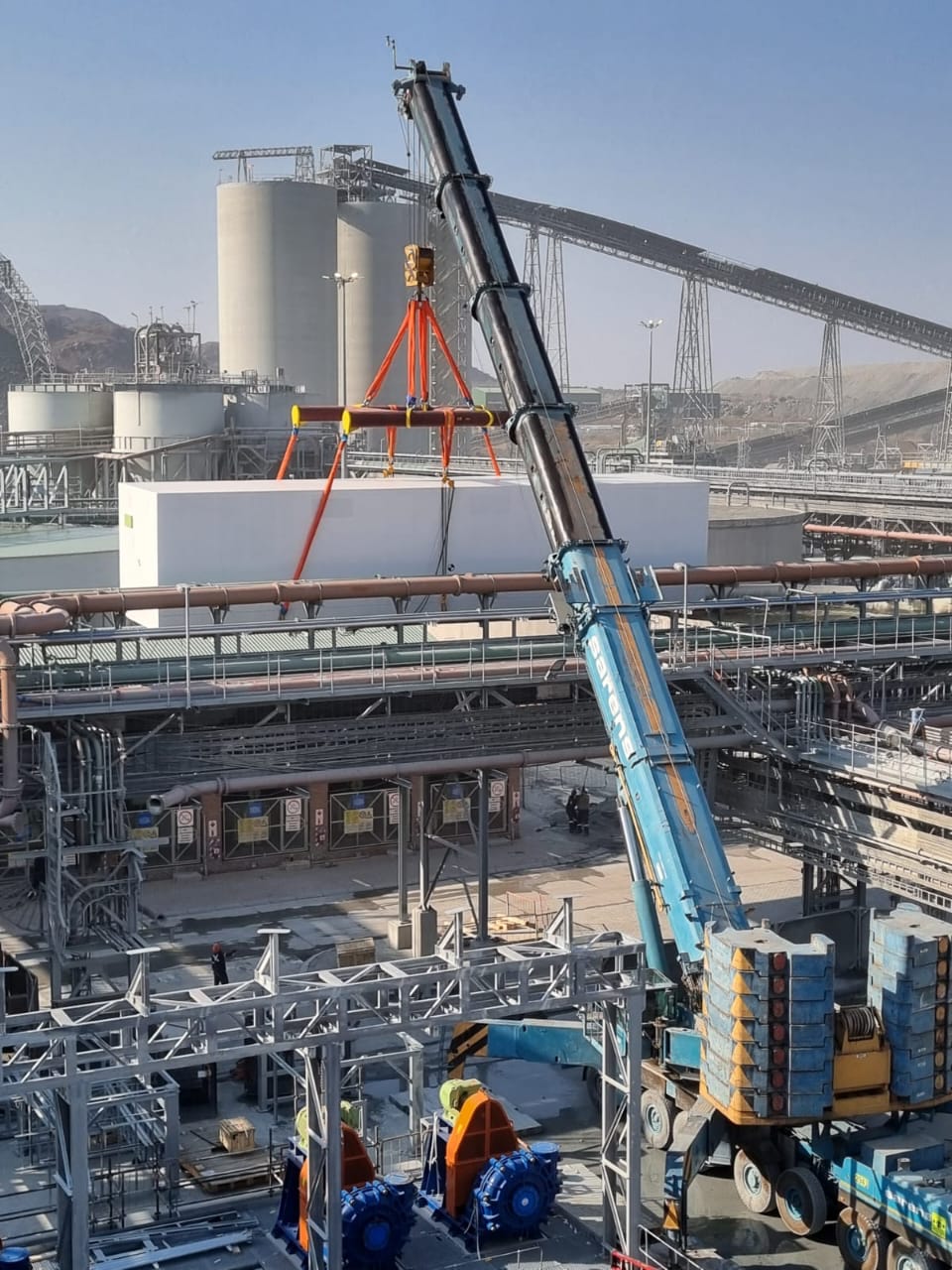
The erection process was more complex and required detailed planning. Modules Were designed for rapid site assembly, with all welded connections completed off-site and only bolted connections used during erection. Specialised lift studies were undertaken to address restricted clearances during workshop trial assemblies. Overhead cranes were used
Floor heights and support arrangements needed adjustment as mechanical layouts evolved. Digital modelling in SolidWorks and ANSYS allowed rapid redesign and re-analysis, ensuring design integrity while maintaining schedule. Transport and workshop lifting restrictions–Module sizes were limited by transport width and height, as well as overhead crane capacities in the workshop. To Overcome this, customised bolted connections and special lifting studies were developed, enabling modules to be trial-assembled and safely lifted within restricted spaces. Balancing standardisation and customisation–The need to keep modules as uniform as possible for fabrication efficiency, while adapting supports for pumps, tanks, piping and mechanical equipment was resolved through a standardised framing template with targeted local modifications. Fastener performance–During assembly, some galvanised nuts stripped under the specified preloads. According to SANS 1700-2 (ISO 898-2), galvanised nuts must achieve the same proof load as uncoated nuts of the same property class. A Skidmore torque–tension test confirmed that a portion of the supplied fasteners were non-matching assemblies. Several nuts were marked “|8|”, denoting property class |8| from the withdrawn DIN 267 Part 4 standard. Such nuts have reduced loadability, with lower proof loads than ISO class 8, making them prone to thread stripping.The problem was compounded by galvanised assemblies where nuts may be over-tapped and bolts undercut, reducing effective thread engagement if not supplied asa matched set.The issue was resolved by enforcing certified supply of matched manufacturer assemblies with correct property classes and lubrication, ensuring joints achieved the required pre load capacity.
Benefits of Steel in this Application

Strength-to-weight ratio–Steel provided the strength needed to support heavy process equipment, while still allowing modules to be transported and erected efficiently.
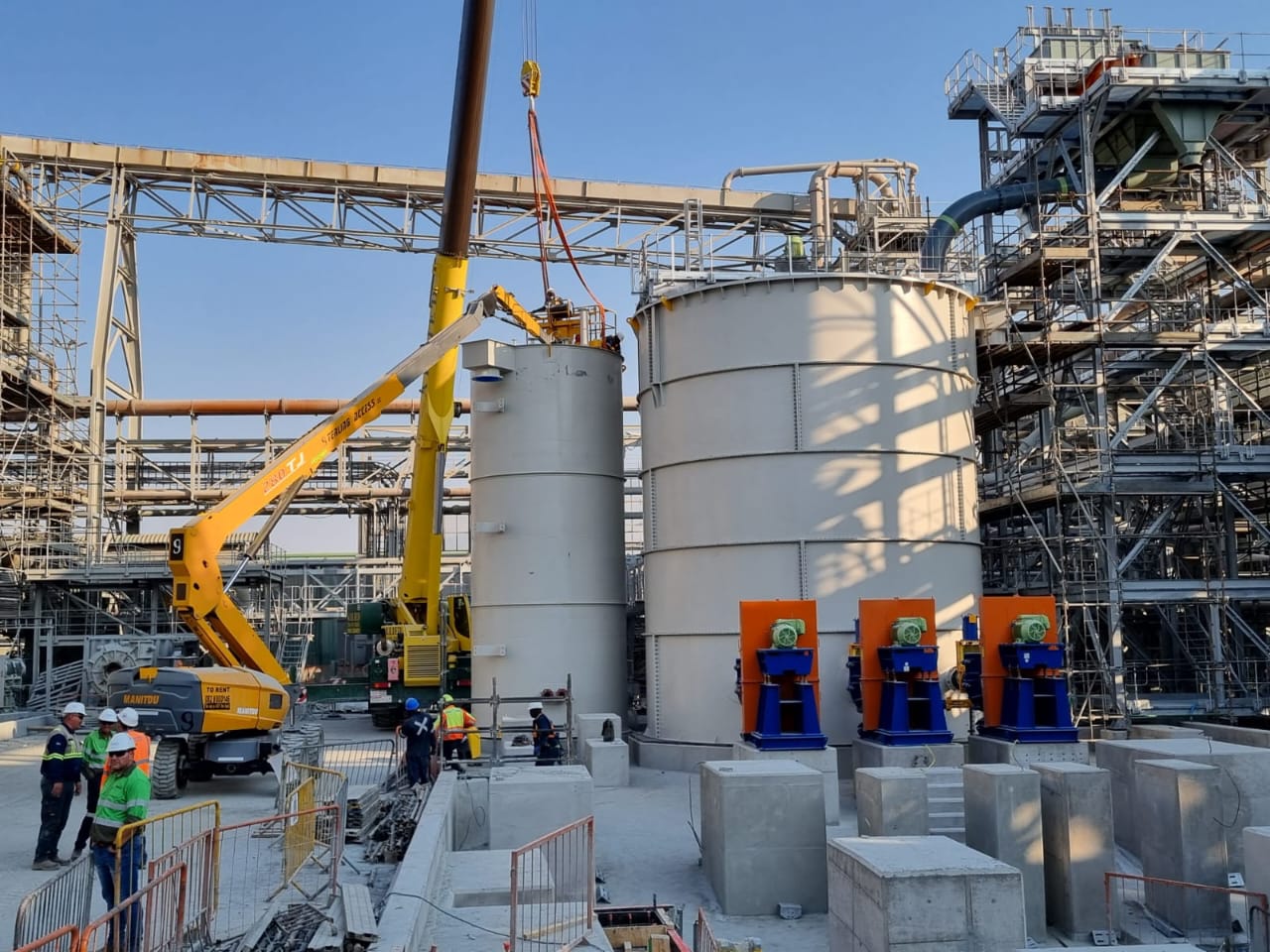
Modularity and adaptability–Steel’s versatility enabled the design of fully modular plant structures. Standardised framing could be easily adapted to different floors and process requirements without compromising structural efficiency.

Ease of fabrication and erection–Steel sections allowed for controlled workshop fabrication with high-quality welds, followed by rapid bolted assembly on site. This minimised downtime, site welding, and safety risks.
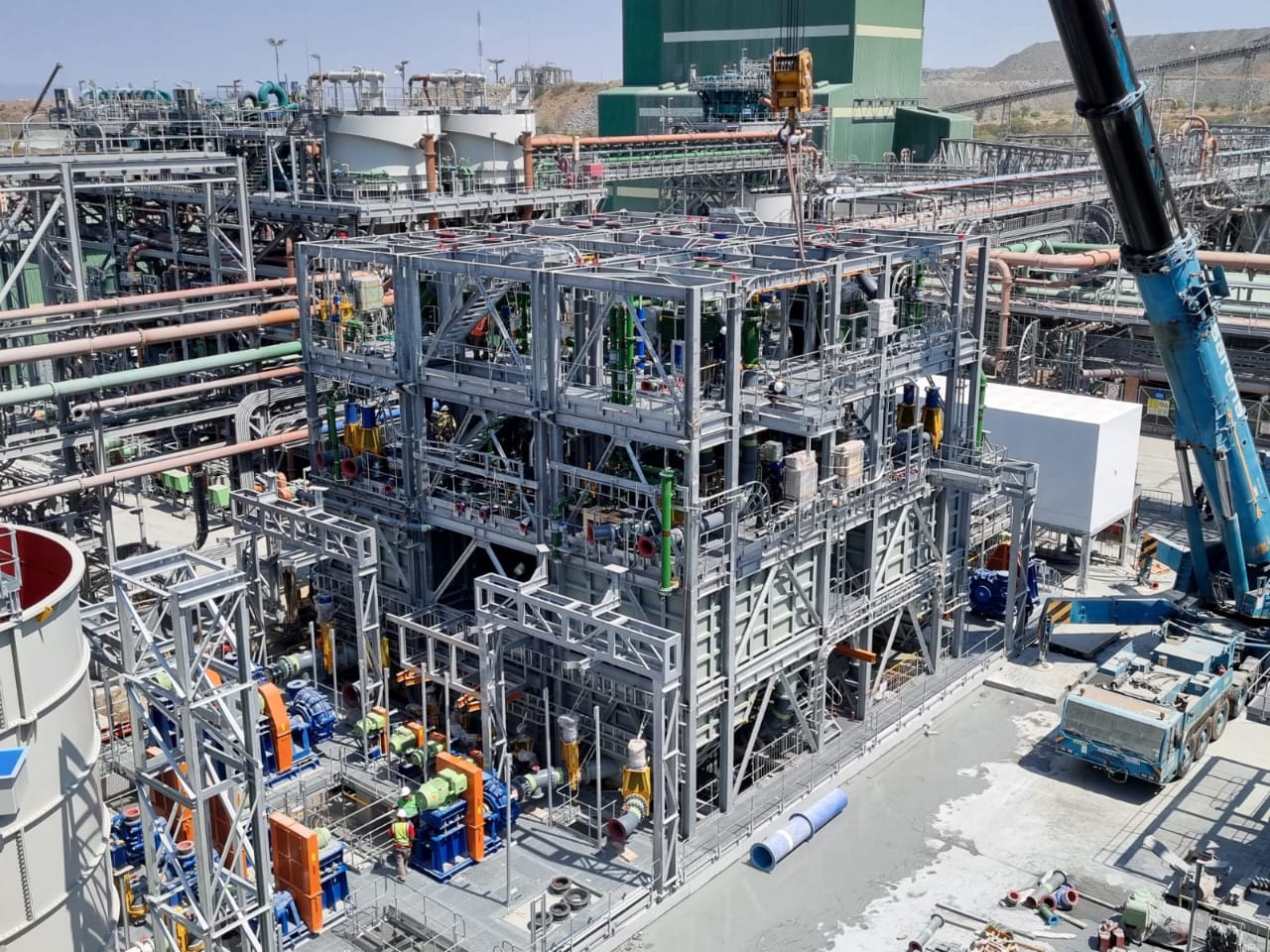
Precision and reliability–Steel enabled accurate dimensional control, ensuring proper alignment of modules and process equipment. This was critical for interfaces with pumps, screens, and tanks.

Durability and maintainability–Through galvanising, coating, and torque-controlled bolting, the steel structures provide long-term performance with low maintenance, supporting the mine’s operational reliability.

Testimonials

These mining/industrial structures always display meticulous coordination, planning and attention to detail, making them satisfying to behold and wonder how they managed it…only for the most experienced teams!