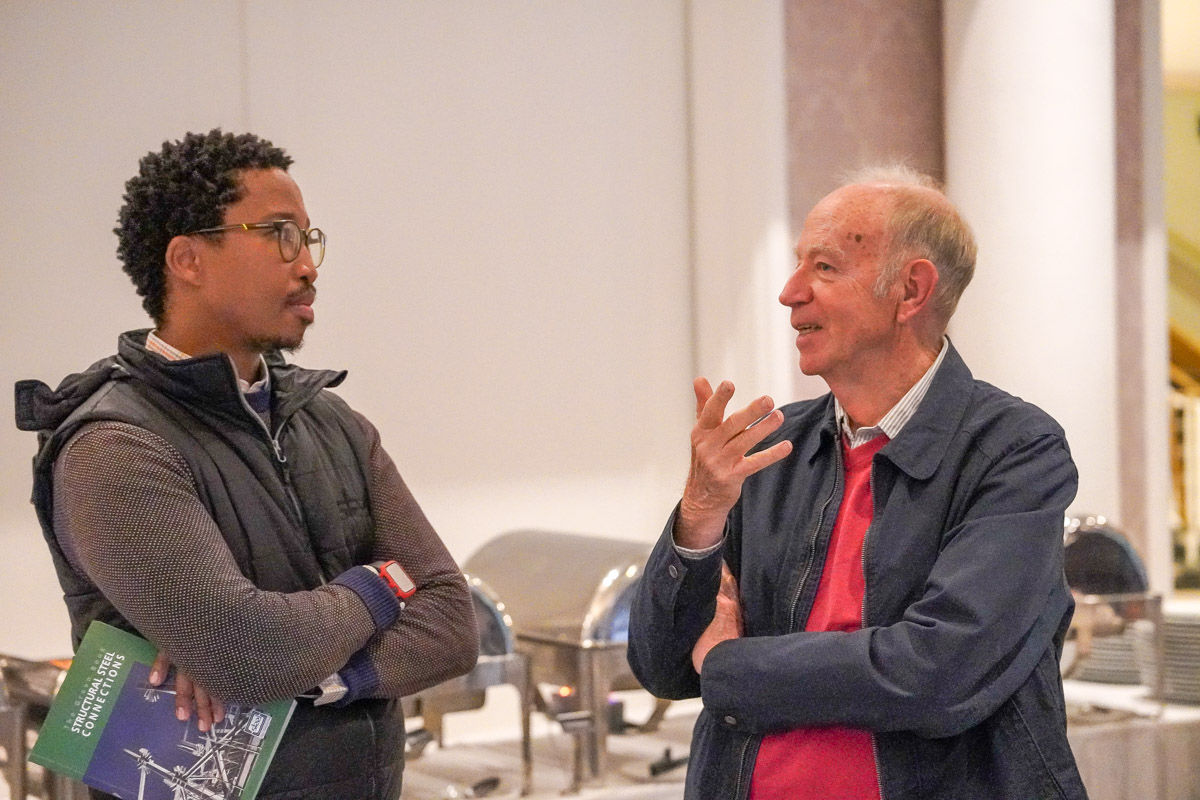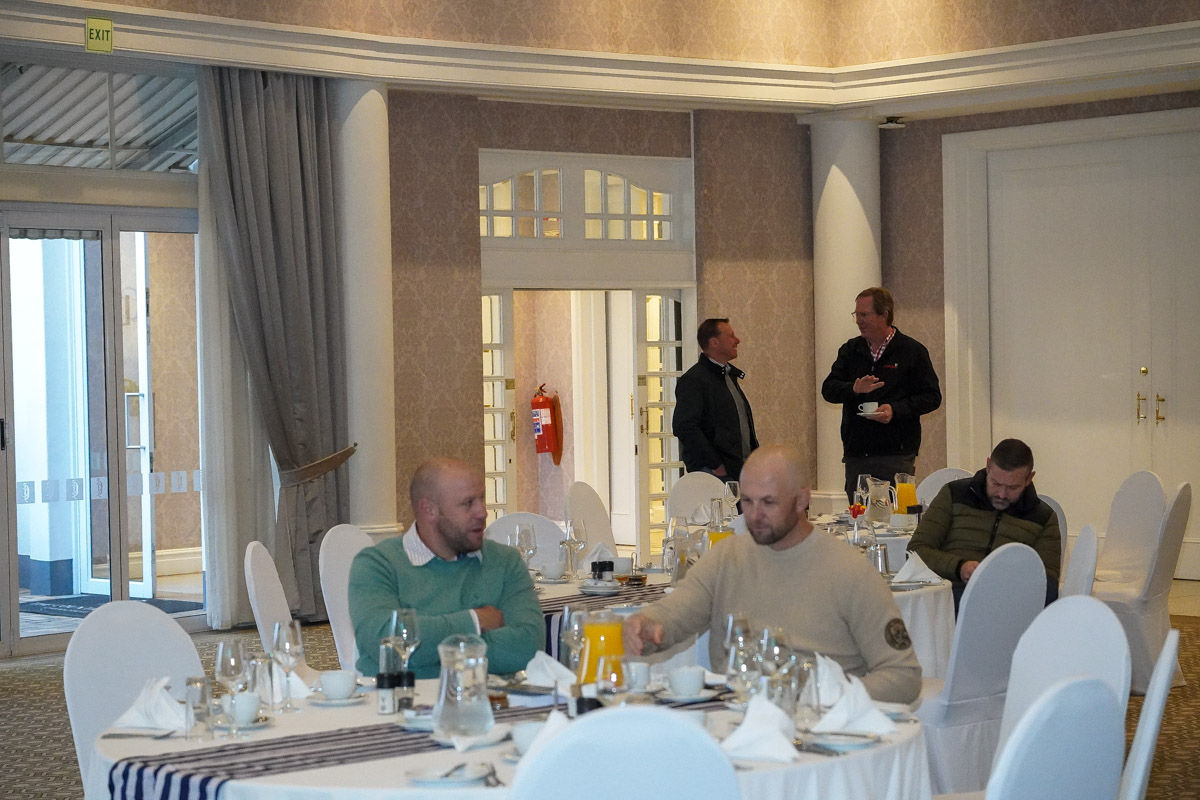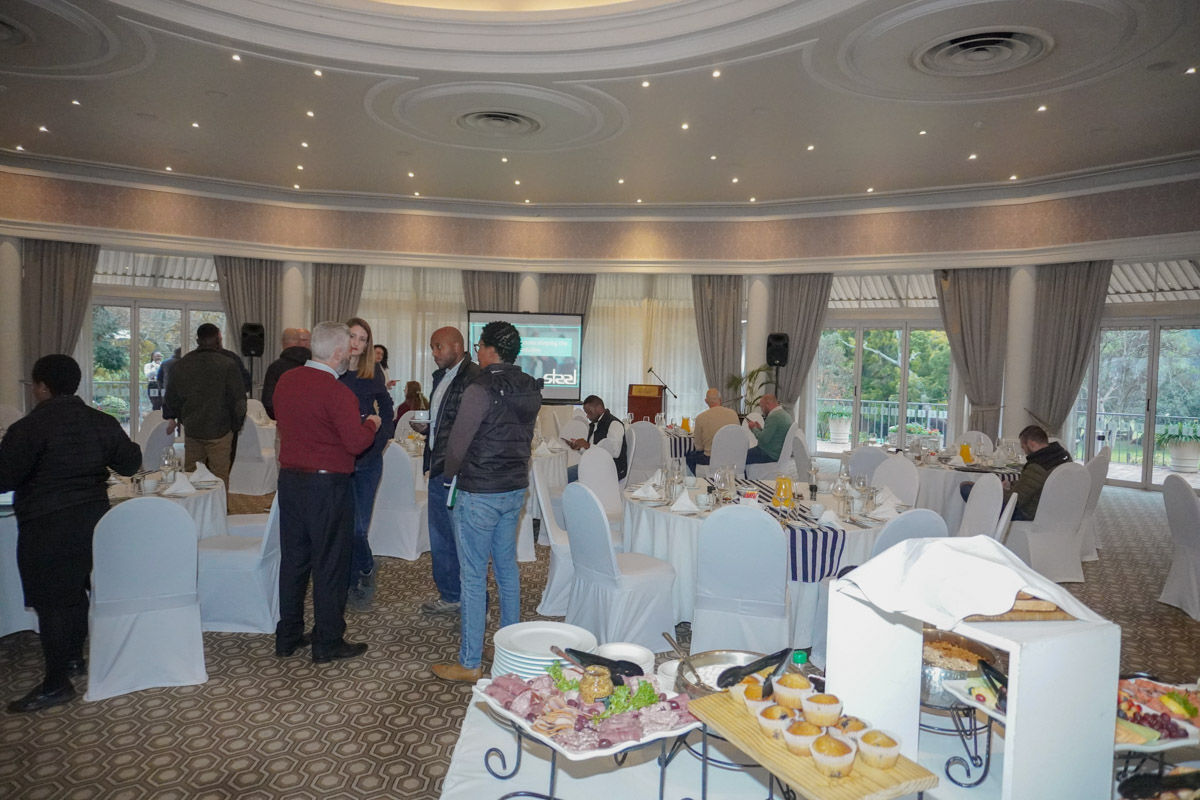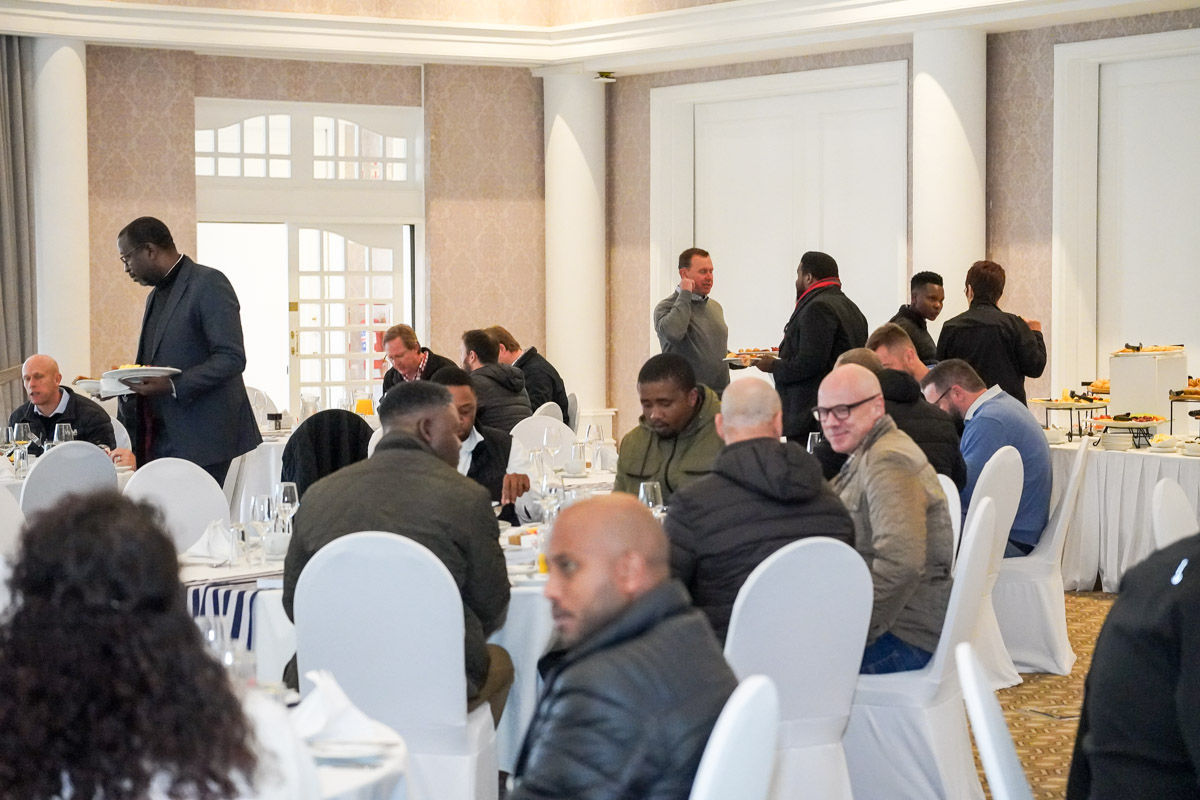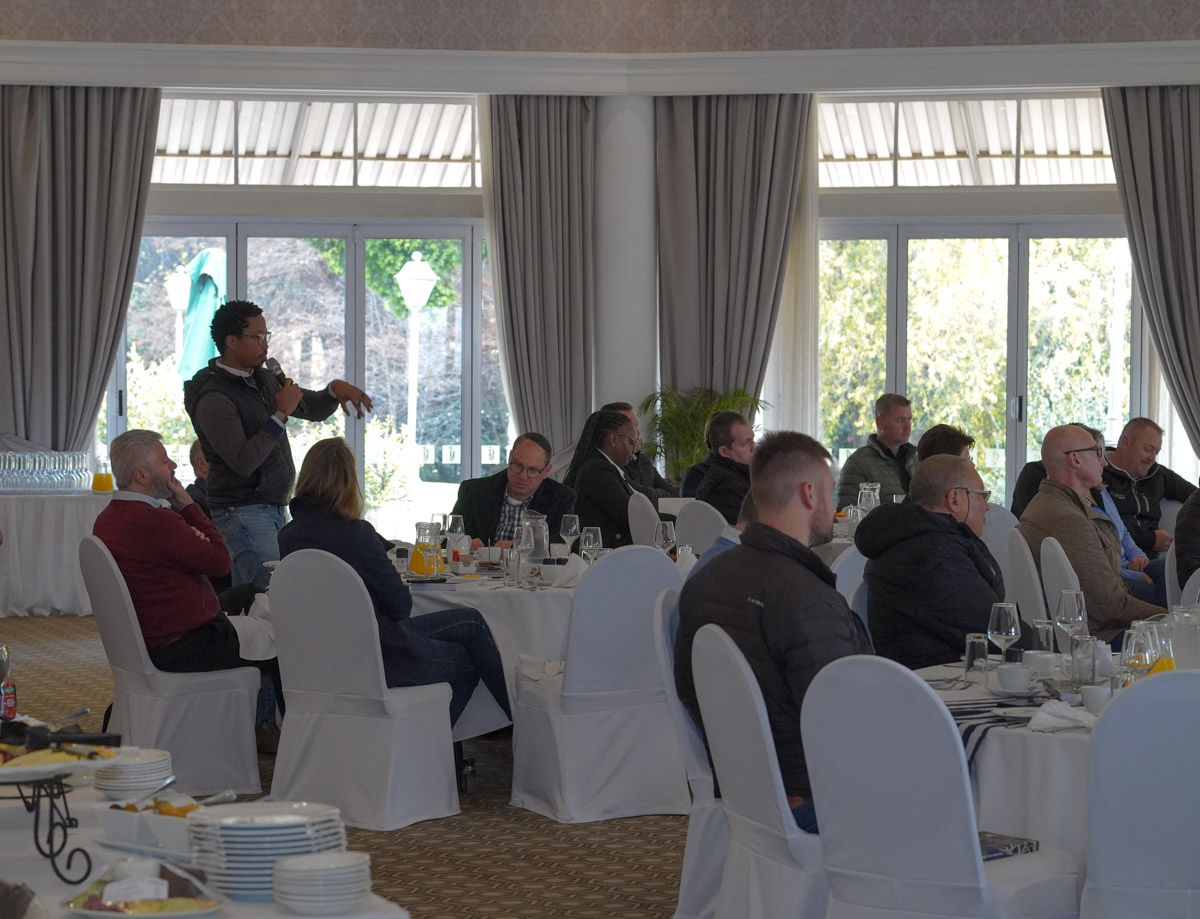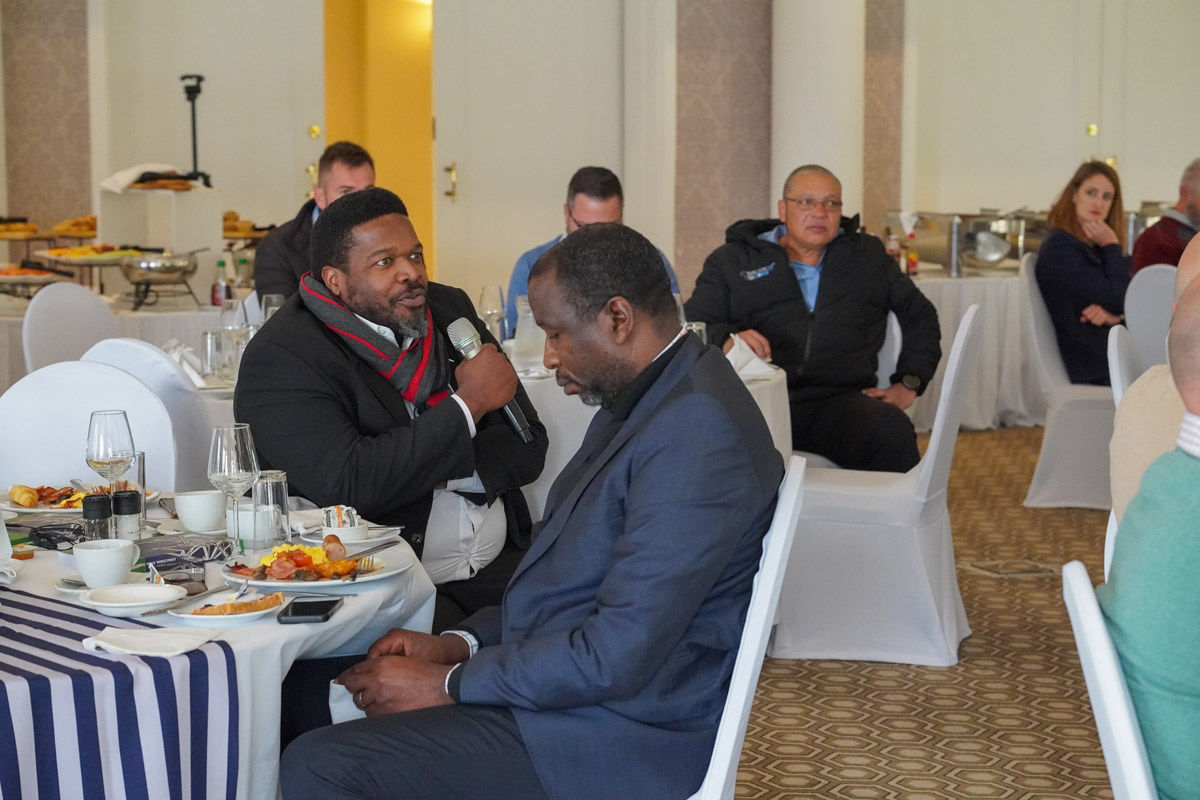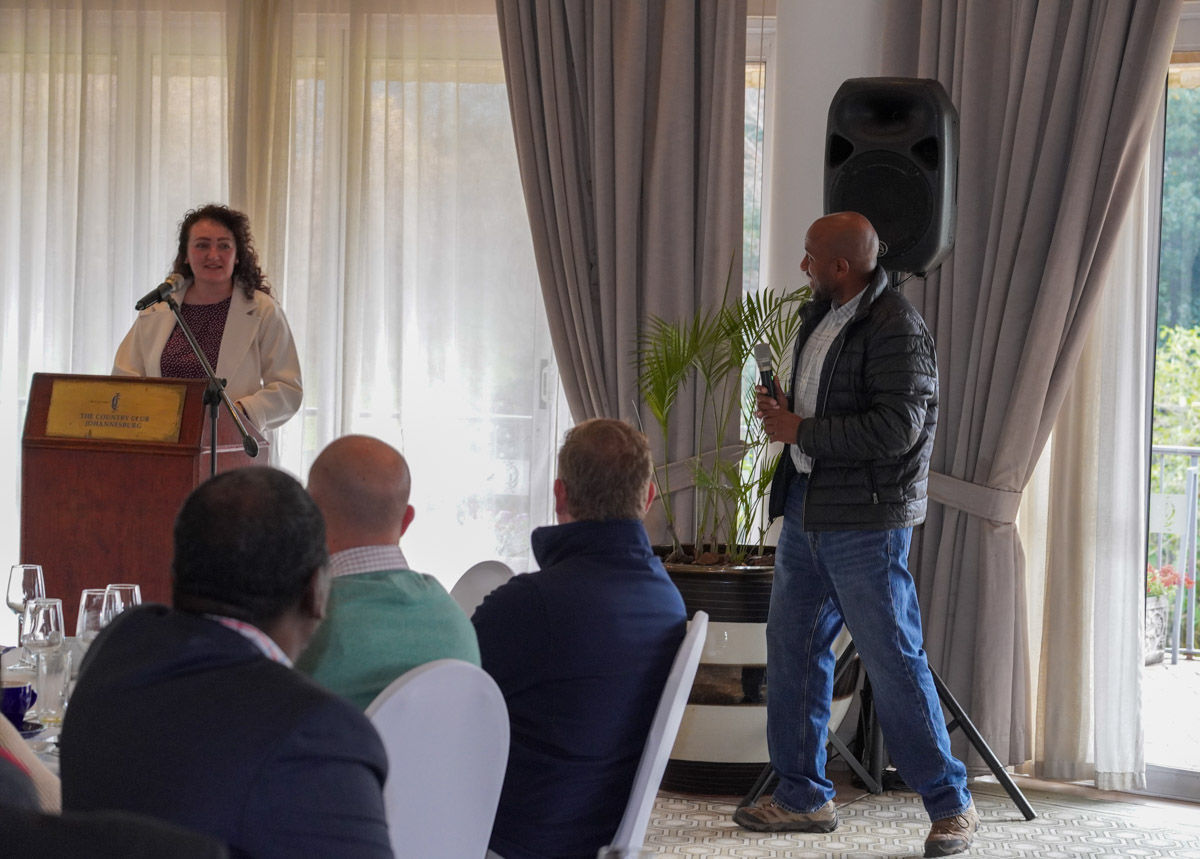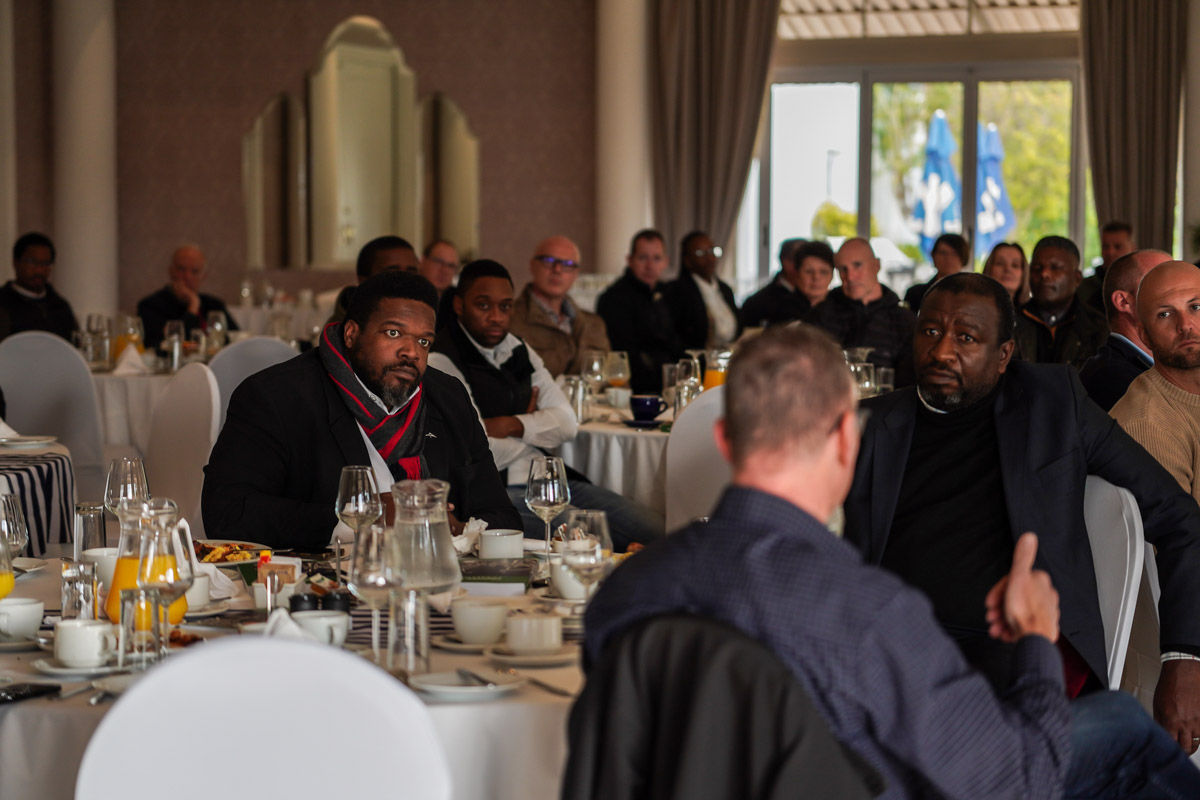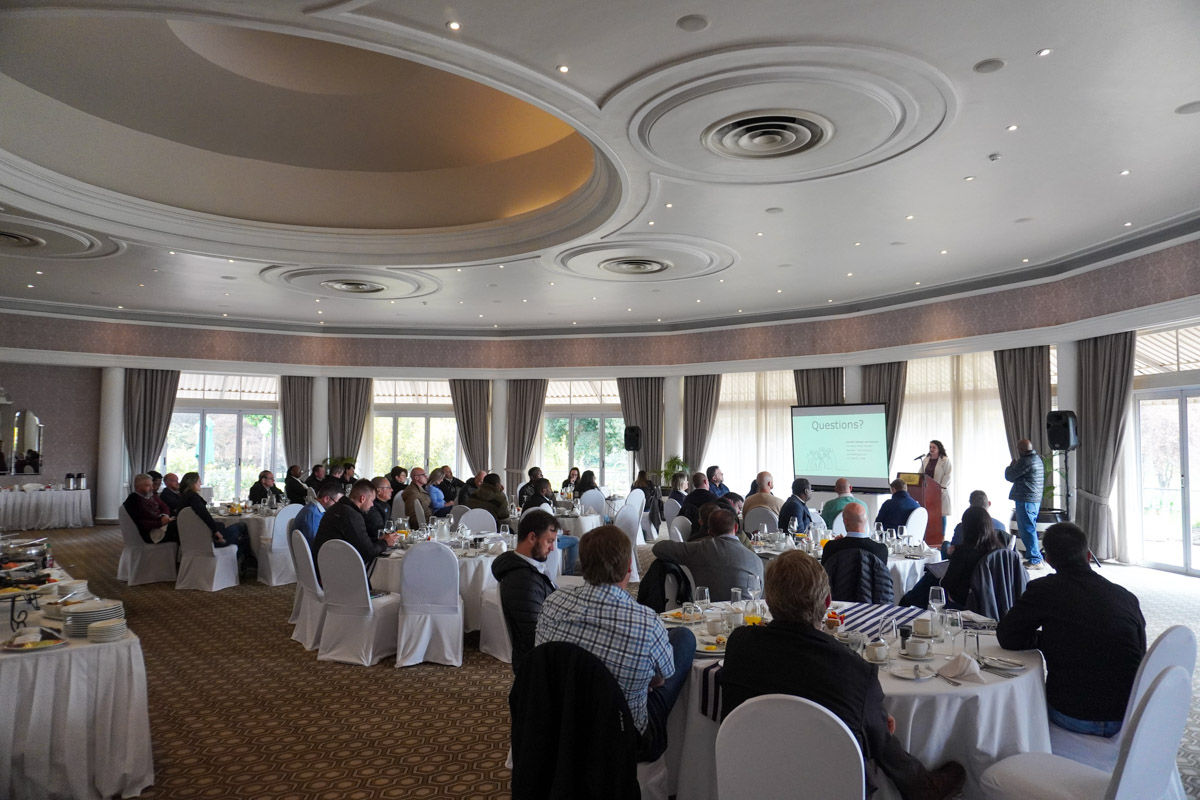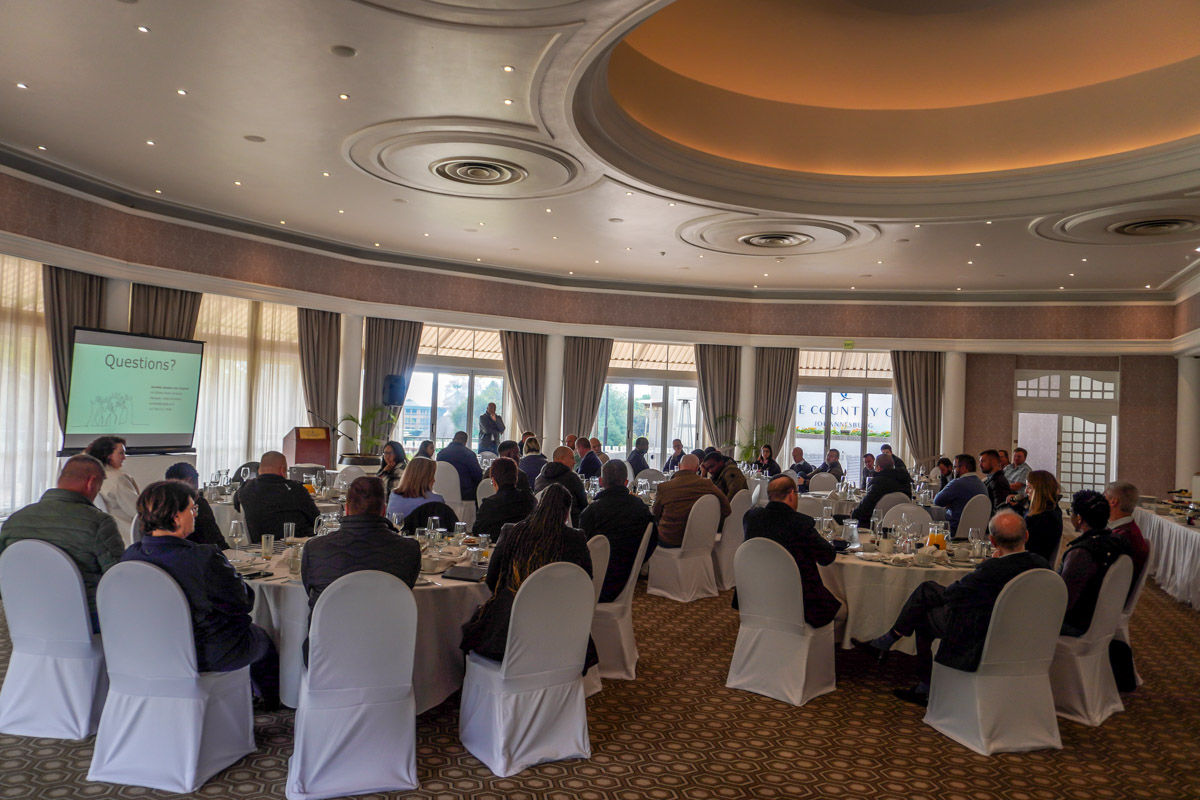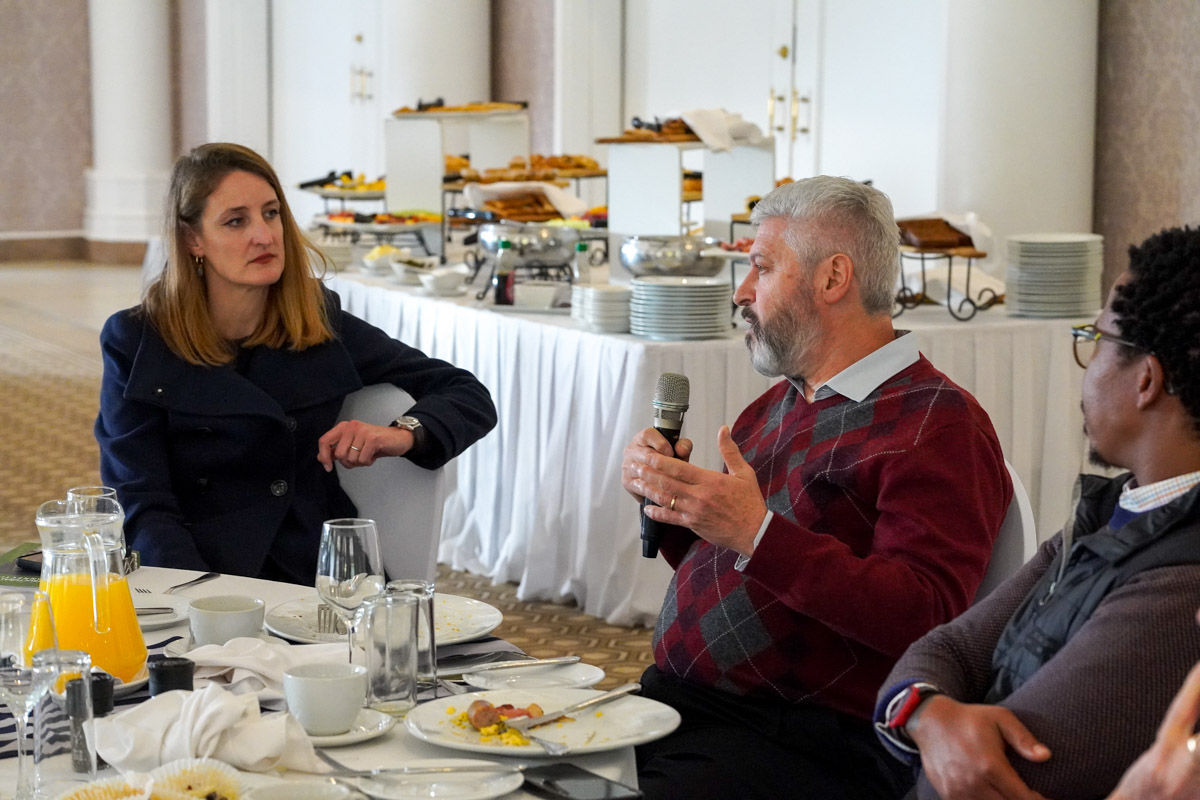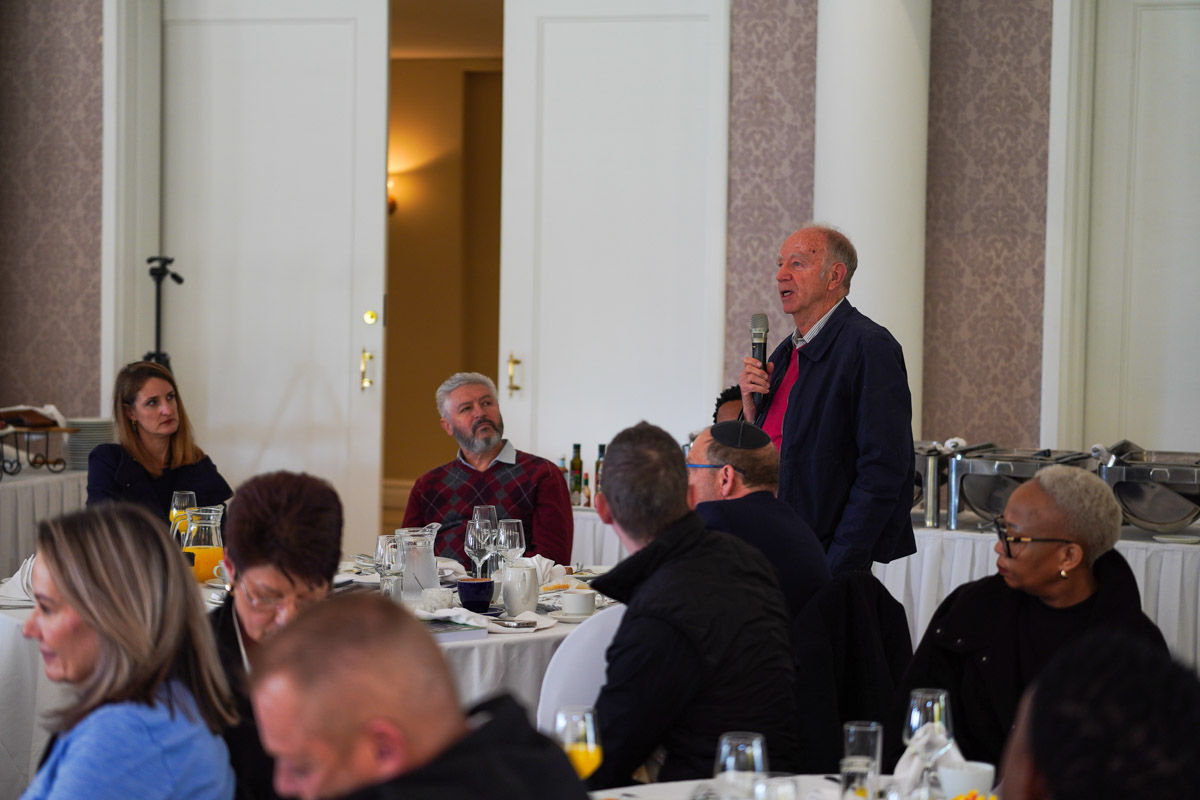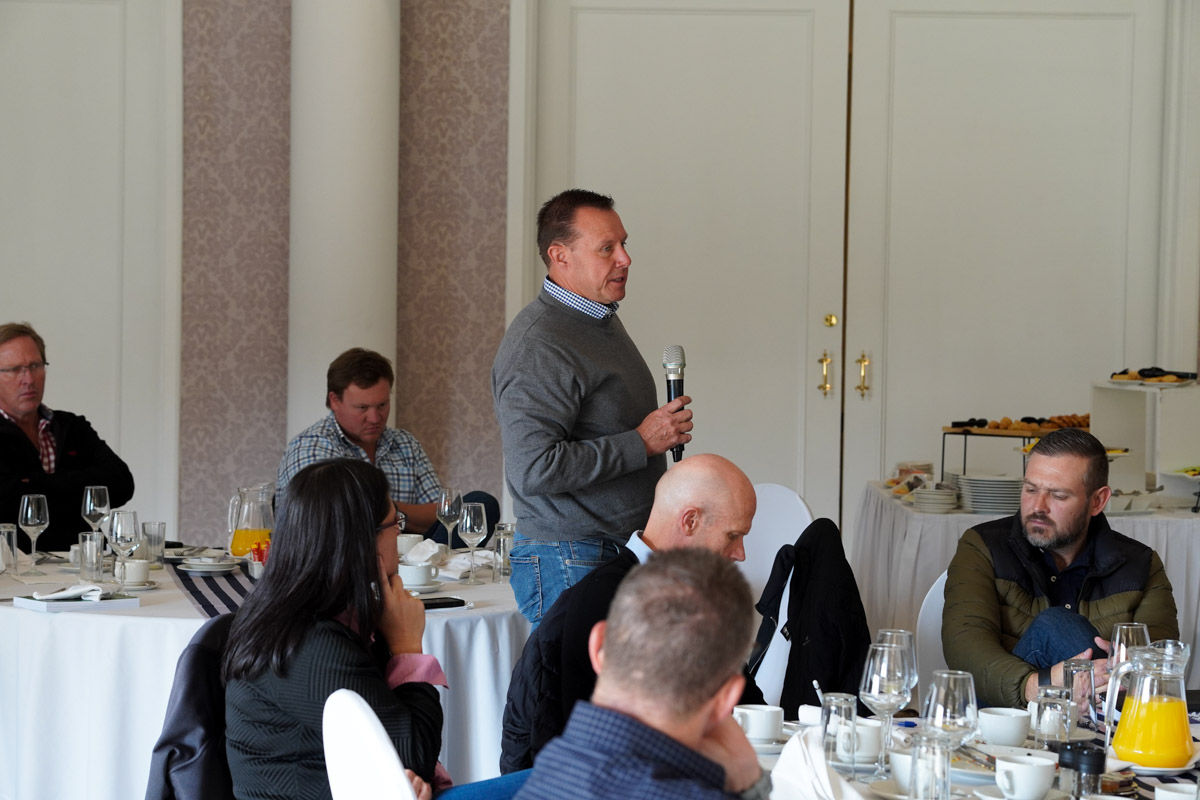


The South African Institute of Steel Construction (SAISC) recently hosted its Industry Breakfast, convening key stakeholders to critically examine the complex forces shaping the structural steel sector. From global trade dynamics to local policy shifts, the event provided an insightful platform for discussions and reinforced the industry’s collective resolve. The message was clear: South Africa’s steel industry is resilient, adaptable, and prepared to confront the challenges and opportunities that lie ahead.
SAISC’s advocacy for the downstream industry
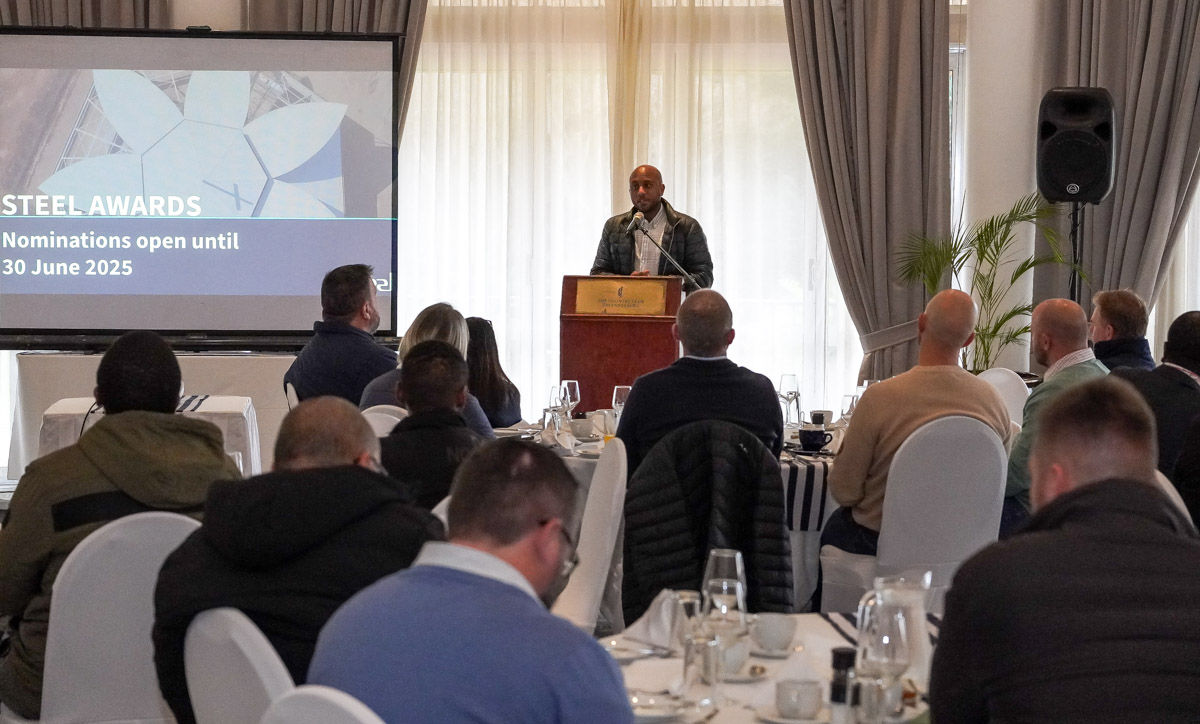
SAISC’s CEO, Amanuel Gebremeskel, opened the breakfast by highlighting the Institute’s proactive stance in championing the downstream steel industry. He underscored a persistent imbalance where upstream mills have historically received more prominent government representation in tariff and protection discussions, often sidelining the downstream sector. To address, SAISC has formally applied to the International Trade Administration Commission of South Africa (ITAC). This crucial step ensures a fair mechanism exists for the downstream industry to have its rightful voice in these critical policy processes. SAISC continues to broaden its support for members by offering direct assistance with anti-dumping applications, import duty adjustments, and the creation of rebate provisions.
Global dynamics and their impact on steel
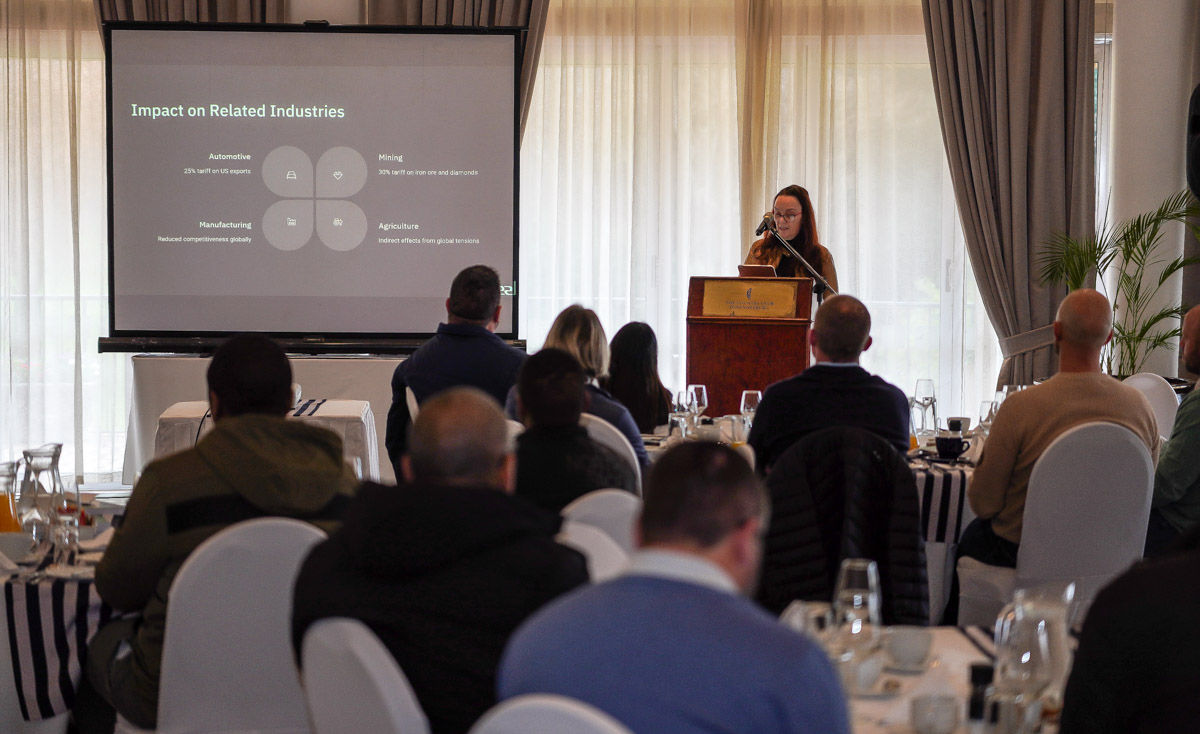
Denise Sherman, a SAISC consultant, provided a compelling global perspective, emphasizing that understanding international forces is necessary for business survival and growth. Drawing on insights from global CEOs, economists, and policymakers, Sherman detailed China’s formidable status as an economic and military superpower, noting its rapid industrial expansion, dominance in global trade, and leadership in green and digital technologies, exemplified by highly efficient “dark factories”. She further explained that US tariffs often serve as a geopolitical strategy to maintain economic dominance and stimulate local manufacturing, with measures like microchip bans designed to impede rivals’ technological progress. China, in turn, demonstrates remarkable resilience by mobilizing national resources to develop replacement products.
These global dynamics have tangible implications for South Africa, particularly given its trade ties with the US. A significant concern is the potential diversion of steel originally destined for the US market to South Africa, which could adversely affect local producers such as Unica and ArcelorMittal South Africa (AMSA) through reduced demand.
Downstream manufacturers are also grappling with rising input costs. To navigate these challenges, Sherman urged the industry to aggressively diversify export markets beyond traditional destinations, focusing on opportunities within Africa, the European Union, and Asia. She also emphasized the critical need to address fundamental domestic inefficiencies, particularly in energy and logistics, to bolster global competitiveness, foster strategic adaptation, and encourage new partnerships and collaboration across the value chain.
Local trade policy and the industry landscape
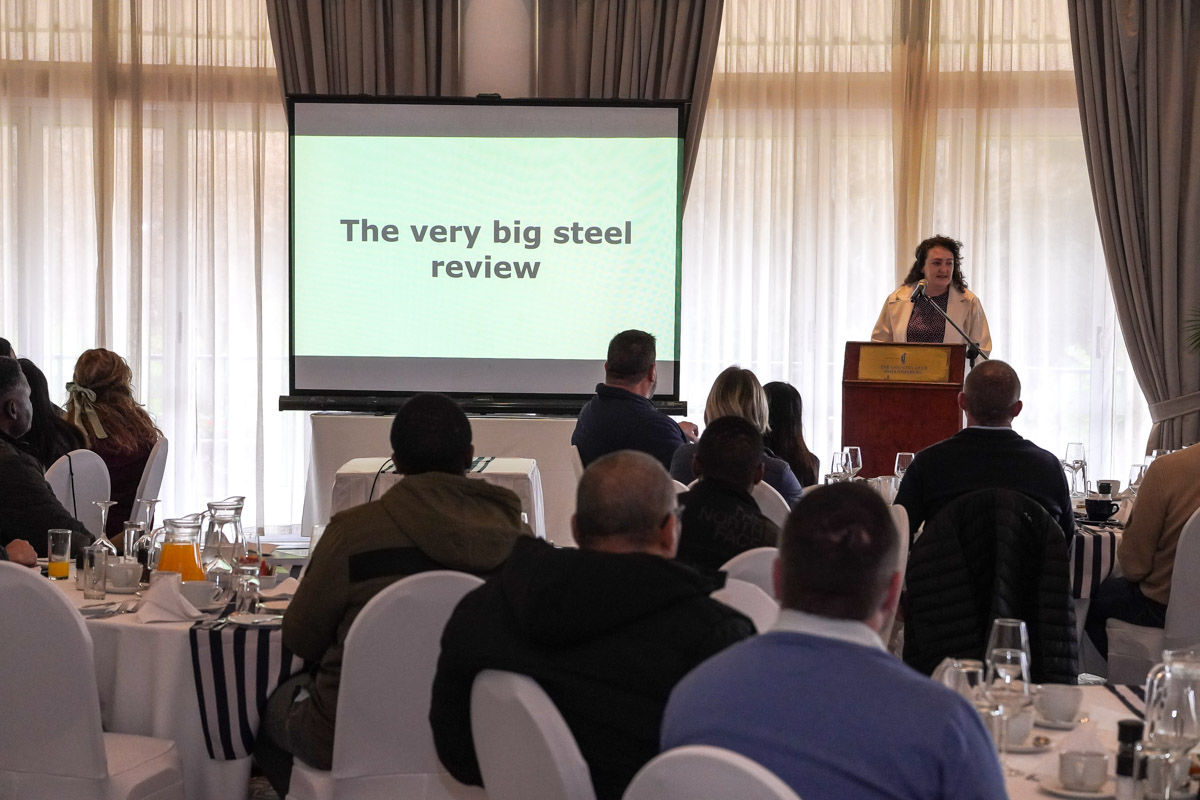
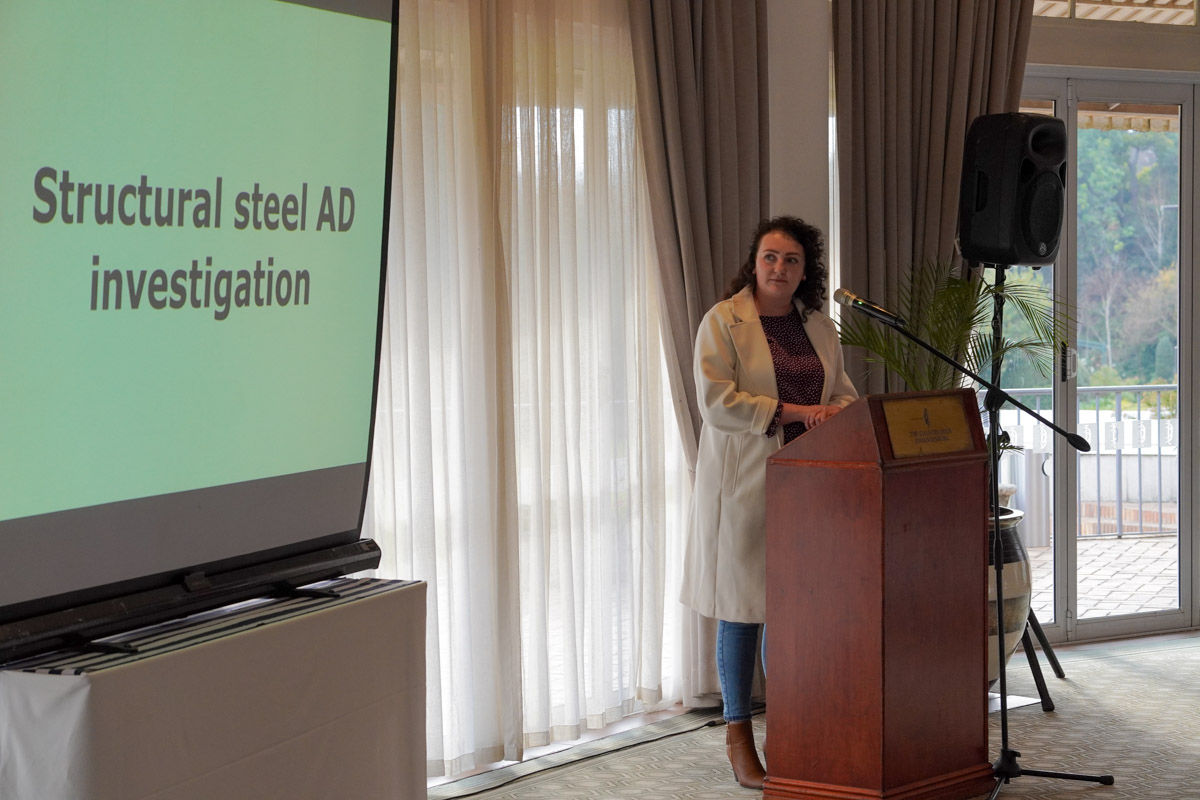
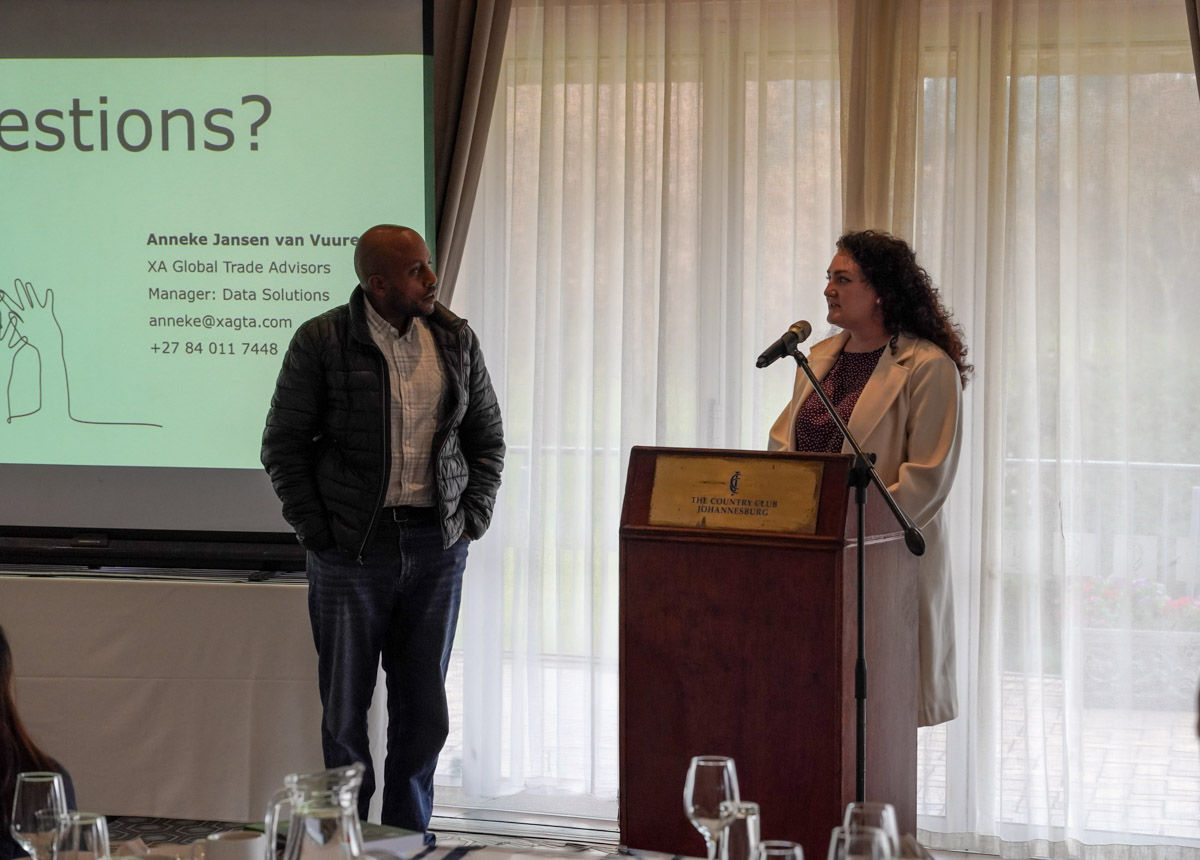
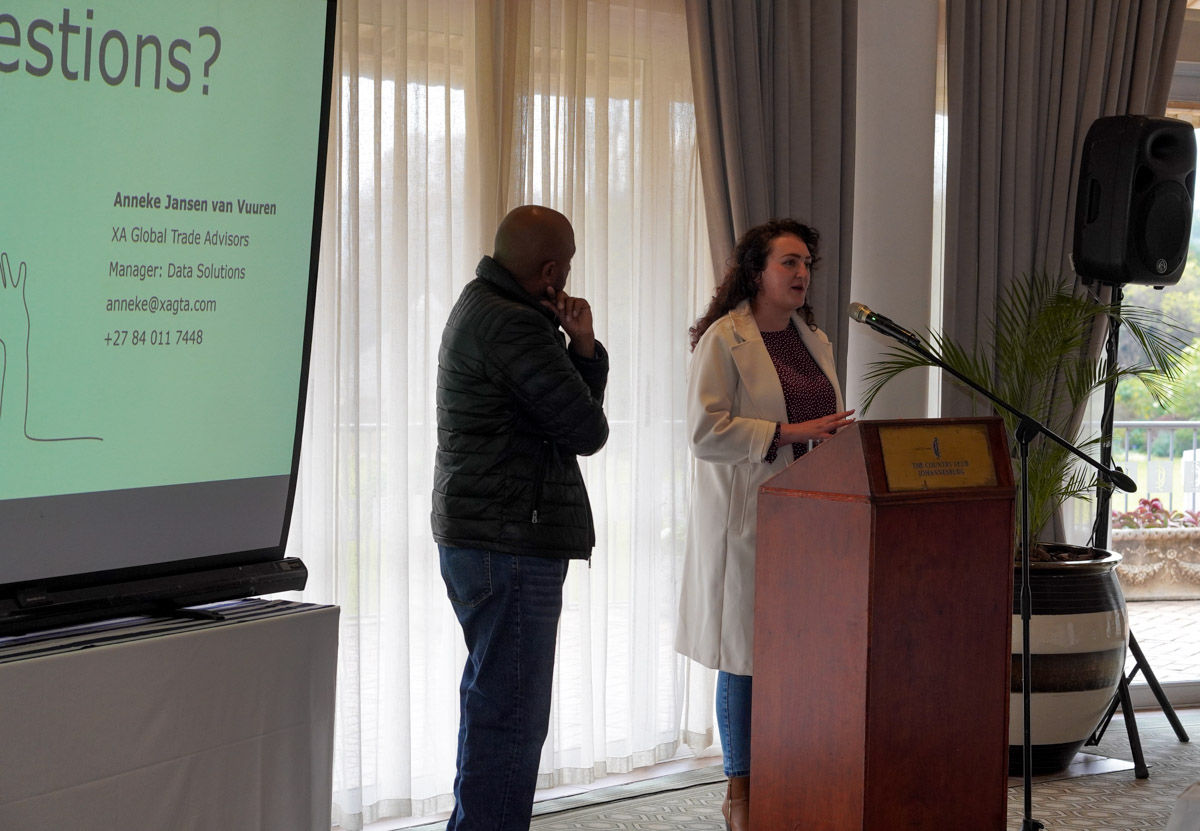
Anneke Jansen van Vuuren, Data Solutions Manager at XAGTA Global Trade Advisors, offered a detailed and critical overview of the local trade policy landscape, specifically focusing on the extensive ITAC Steel Review initiated in March 2025. This review is unprecedented in its scope, encompassing 609 tariff codes across four chapters (72, 73, 82, and 83). Van Vuuren outlined various factors under consideration, including the possible introduction of rebates, local material discounts, higher tariffs, and measures to prevent customs fraud. However, she expressed serious concern regarding the review’s timeline. “Despite a ministerial instruction for completion by the end of June, this is a phenomenally tight timeframe given the complexity and the historical precedent where a much smaller review in 2004 took 13 months,” Jansen van Vuuren cautioned.
Anneke further noted a significant challenge in the lack of public communication from ITAC, leaving companies “flying blind” on the investigation’s progress. The review specifically targets the removal of certain rebates, potential duty increases on 355 tariff codes (especially in Chapter 82), and increased import controls on 388 products through permits, which will undoubtedly add significant complexity to import processes. Jansen van Vuuren also highlighted 17 open cases with ITAC, including 11 tax investigations and 6 trade remedies, many of which face substantial delays, some extending for almost six years. A notable open case is the structural steel anti-dumping investigation, initiated last September, with preliminary duties implemented in November.
Regarding trade with the US, Jansen van Vuuren reported that the US market accounted for approximately 13% of South Africa’s total steel and aluminium exports last year, estimating a potential financial impact of approximately R3.2 billion if a 25% duty is applied, or a staggering R6.4 billion at a 50% duty.
The subsequent Q&A session brought even more clarity to the challenges and opportunities:
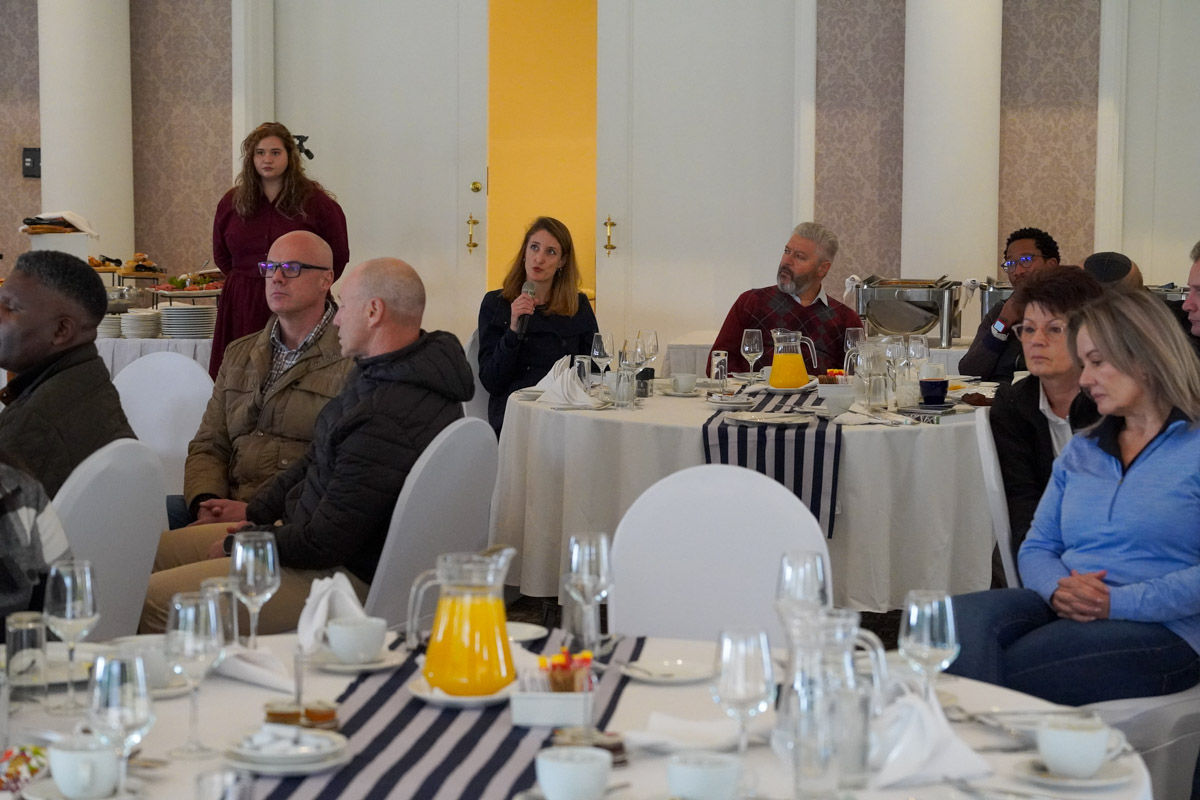
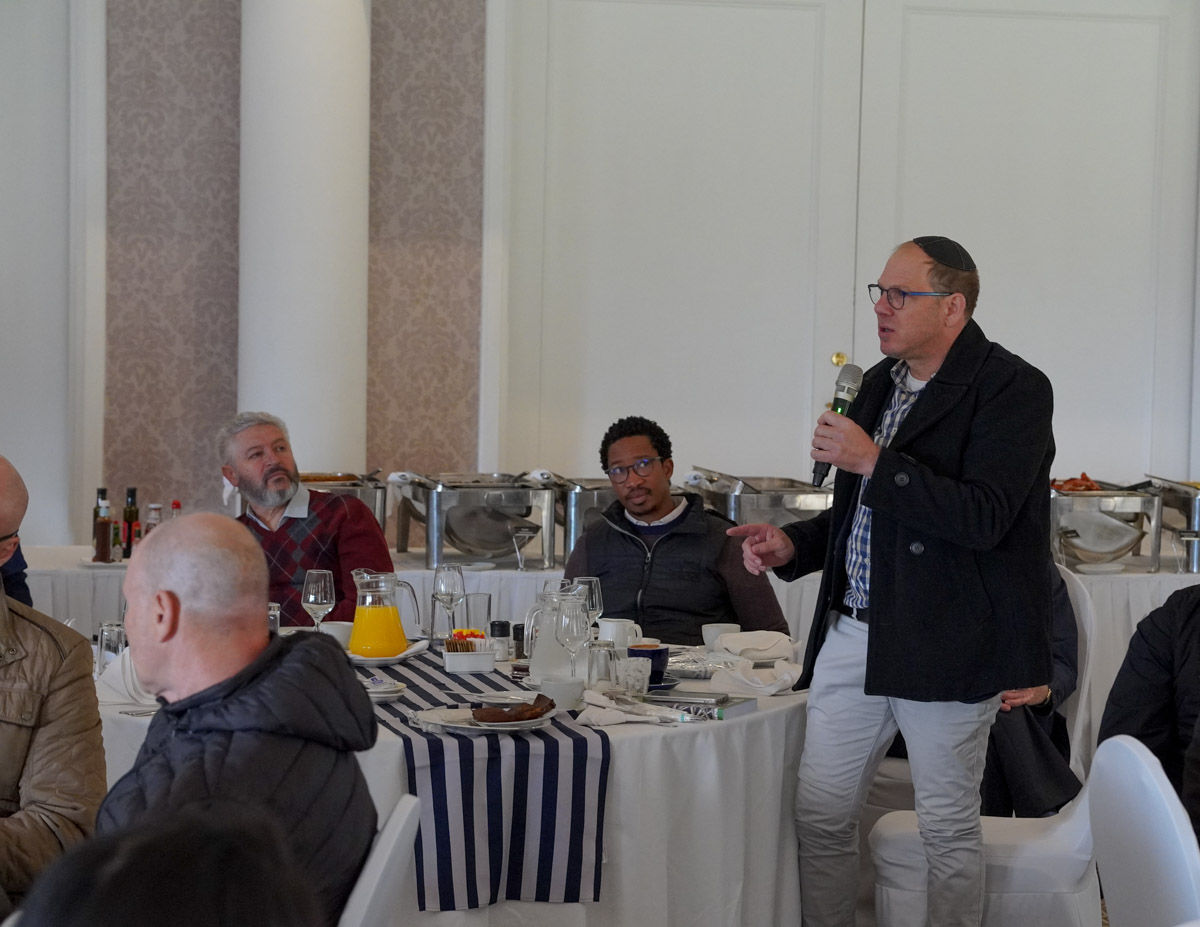
The subsequent Q&A session brought further clarity to the industry’s challenges and opportunities. While the African Continental Free Trade Agreement (AfCFTA) is incorporated into the tariff book, its operational status remains unclear, impeding companies from fully leveraging its benefits.
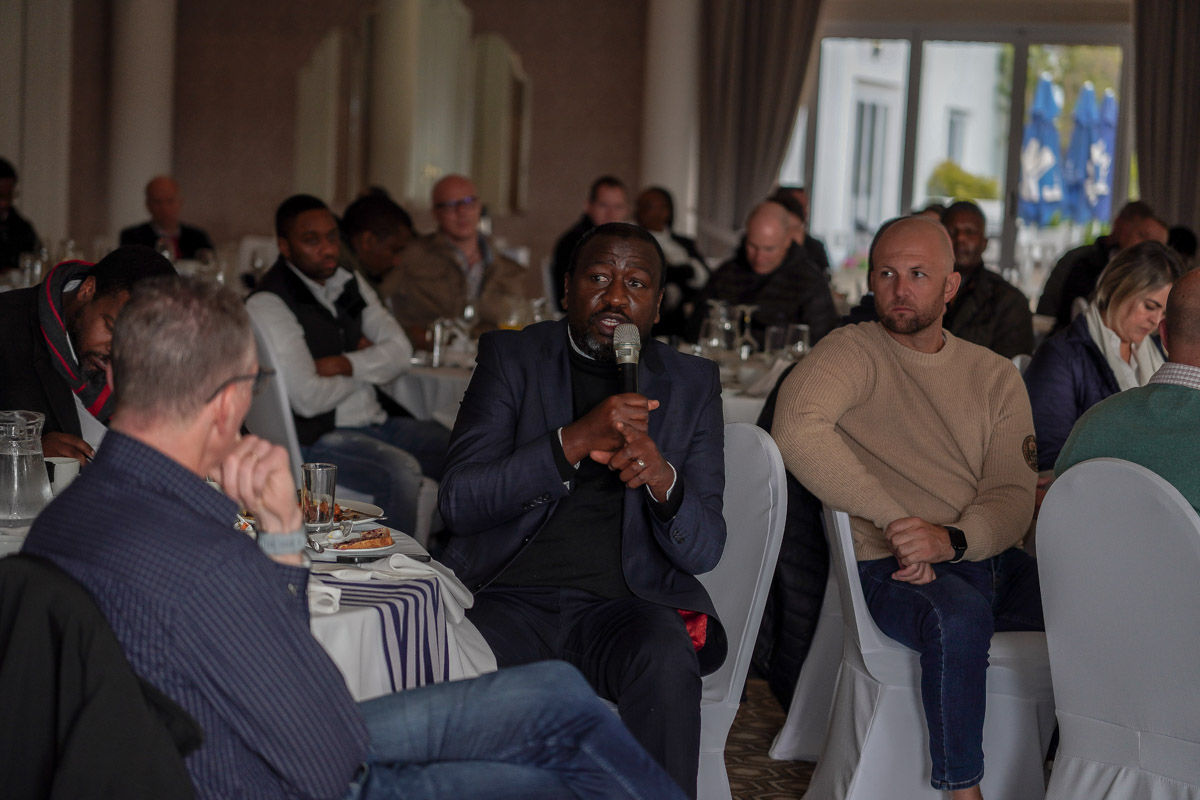
Nicolette Skjoldhammer, SAISC Board Chair, noted the unlikelihood of a dedicated steel fund for fabrication exports due to administrative complexities. Frank Wandji from ArcelorMittal (AMSA) emphasized the critical importance of the Pan-African market for South African steel exports, citing insufficient domestic demand. However, he highlighted a concerning trend of growing protectionism within the continent, including trade blocs against South African downstream products in East Africa, Zambia, and recent import license requirements and surtaxes in Zimbabwe.
Keitumetse Moumakoe, CEO of STEASA, shared positive news, confirming that two trade finance systems are currently being piloted within the AfCFTA framework—one by the Intra Africa Trade Bank and another by the IDC/ECIC—designed specifically for project financing across various sectors, offering hope for smoother intra-African trade.
Wandji also offered a pragmatic suggestion to ITAC, advocating for “quick wins” by immediately pushing duties to bound rates for locally manufactured products, rather than waiting for the lengthy full investigation. Derek Cohen from Impala Bolt & Nut voiced a critical concern: “If increased import duties or safeguards raise the price of steel, whether imported or domestically sourced, it could paradoxically make South African manufacturers less competitive on the continent. This is a double-edged sword we must carefully navigate”.
Amanuel Gebremeskel concluded the breakfast by reiterating SAISC’s unwavering commitment to proactive engagement and continued vital advocacy for the downstream industry with key government bodies like the Department of Trade, Industry and Competition (DTI) and ITAC. “The challenges facing our structural steel industry, from global shifts to local policies, demand a unified response,” Gebremeskel asserted. “Now more than ever, it is imperative that we come together as an industry with one strong, clear voice. By working collaboratively and sharing insights for common goals, we strengthen our position to face complexities, speak compellingly for collective interests, and unlock new opportunities”. The SAISC encourages all stakeholders to stand united, working together to secure a resilient and prosperous future for South Africa’s structural steel sector.